Photo: Mikolalain · CC BY-SA 4.0
Petra
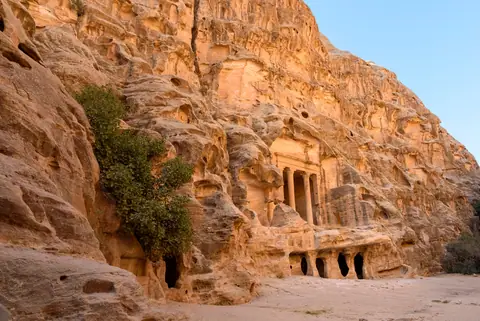
Carved into rose sandstone cliffs, Petra pairs ancient Nabataean architecture with sweeping desert wadis across Jordan's dramatic southern mountain ridges.
Quick decisions
How many days?
Set aside two full days inside the archaeological park to climb the high ridges comfortably without rushing your visits.
Where should I stay?
Pick hotels near the visitor centre for dawn gate arrivals, or book uphill Wadi Musa properties for cheaper terrace dining.
Do I need a car?
You can manage with public express coaches and local shared minibuses, though a rental gives flexibility for southern desert roads.
Best for
Keen hikers, history buffs, and landscape photographers drawn to ancient rock-cut tombs, sandstone gorges, and Nabataean water systems.
Before you go
Pack worn-in trail shoes, carry cash for backcountry water stalls, and purchase your park ticket bundle before arriving at gates.
Getting around
You must explore the interior monument valleys entirely on foot, using local taxis only for transit up steep town hills.
Continue your trip
Ride south through sandstone canyons toward the desert camps of Wadi Rum or the Red Sea coral waters of Aqaba.
Overview
Tucked into the jagged desert mountains of southern Jordan, Petra remains one of the world's most remarkable archaeological treasures. The city flourished as the Nabataean kingdom capital, controlling ancient trade routes that linked frankincense lands in Arabia with Mediterranean ports. Builders carved grand façades directly into sheer canyon cliffs, hiding tombs, temples, and halls behind twisting sandstone chasms that change colour as the sun moves across the sky.
Today, the modern town of Wadi Musa borders the historic site, greeting independent travellers with simple family-run guesthouses and comfortable cliffside hotels. Passing through the narrow Siq gorge reveals an immense ancient settlement that stretches well beyond famous monuments into rugged mountain switchbacks. Travellers should prepare for demanding daily walking over rough stone steps, dusty gravel tracks, and high wind-swept sandstone ridges.
Getting there
Travellers reach Petra primarily from Amman or Aqaba using long-distance buses, private cars, or hired drivers. Scheduled coaches run daily along the Desert Highway, connecting the capital with Wadi Musa in roughly four hours. Alternatively, driving the scenic King's Road offers dramatic views across deep desert valleys, though the winding route takes considerably longer. Compare regional coach stops and park gate access under Wadi Musa planning logistics before setting off.
Minibuses run irregular regional journeys between Wadi Musa and nearby southern outposts like Ma'an or Wadi Rum. Local white taxis cluster outside the main coach terminus, taking passengers up steep town streets for modest fixed fares. Within the protected archaeological park, motor vehicles are forbidden, so your own two feet remain the primary method of travel.
Where to stay
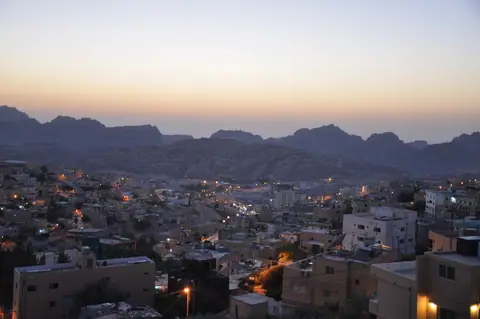
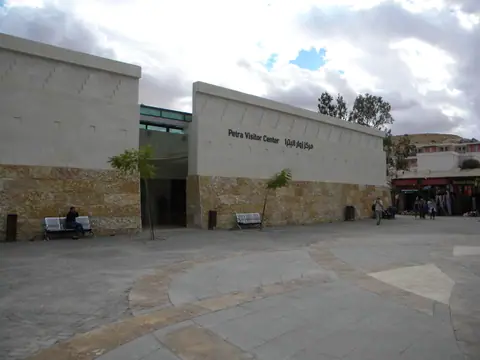
Accommodation clusters entirely within the adjacent town of Wadi Musa, which spreads across steep hillsides above the park gates. The most convenient quarter sits directly beside the park visitor centre entrance, letting you reach ancient trails at dawn before coach crowds arrive. These valley-floor properties save your legs after heavy days on sandstone stairs, though they charge higher rates for meals and rooms.
Uphill Wadi Musa offers a livelier village atmosphere, dotted with local bakeries, cheap shawarma grills, and budget family pensions. Staying up the slope requires a steep climb back after sunset, though inexpensive taxis run frequently between the roundabout and valley hotels. Compare gate-level lodgings and hilltop guesthouses across Wadi Musa accommodation quarters to pick an easy base for early hikes.
Things to do
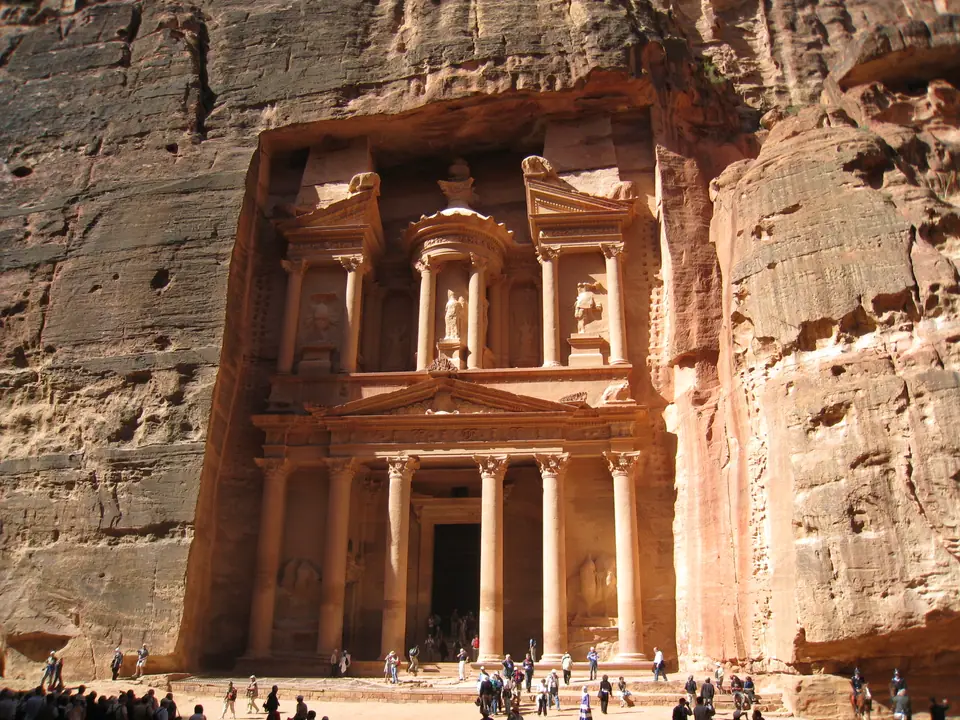
Your journey begins along the Bab al-Siq trail before plunging into the cool shadows of the Siq chasm. The winding gorge suddenly frames the carved rose-red columns of Al-Khazneh, commonly called the Treasury. Beyond this opening, the canyon widens into the Street of Façades, passing a massive rock-cut theatre and monumental Royal Tombs cut into eastern cliff faces. Select key trail segments across rock-cut monuments and high canyon paths before entering the reserve.
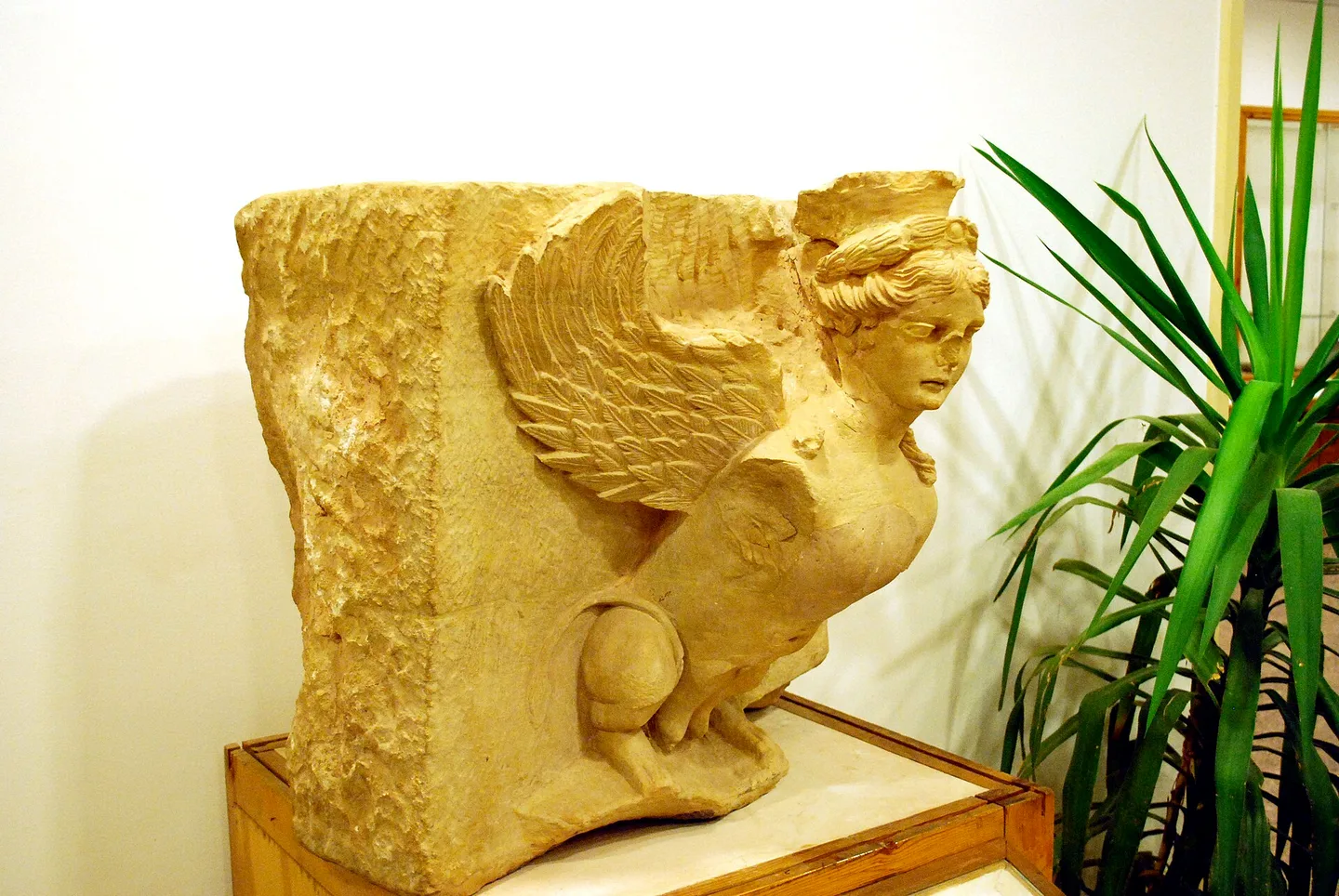
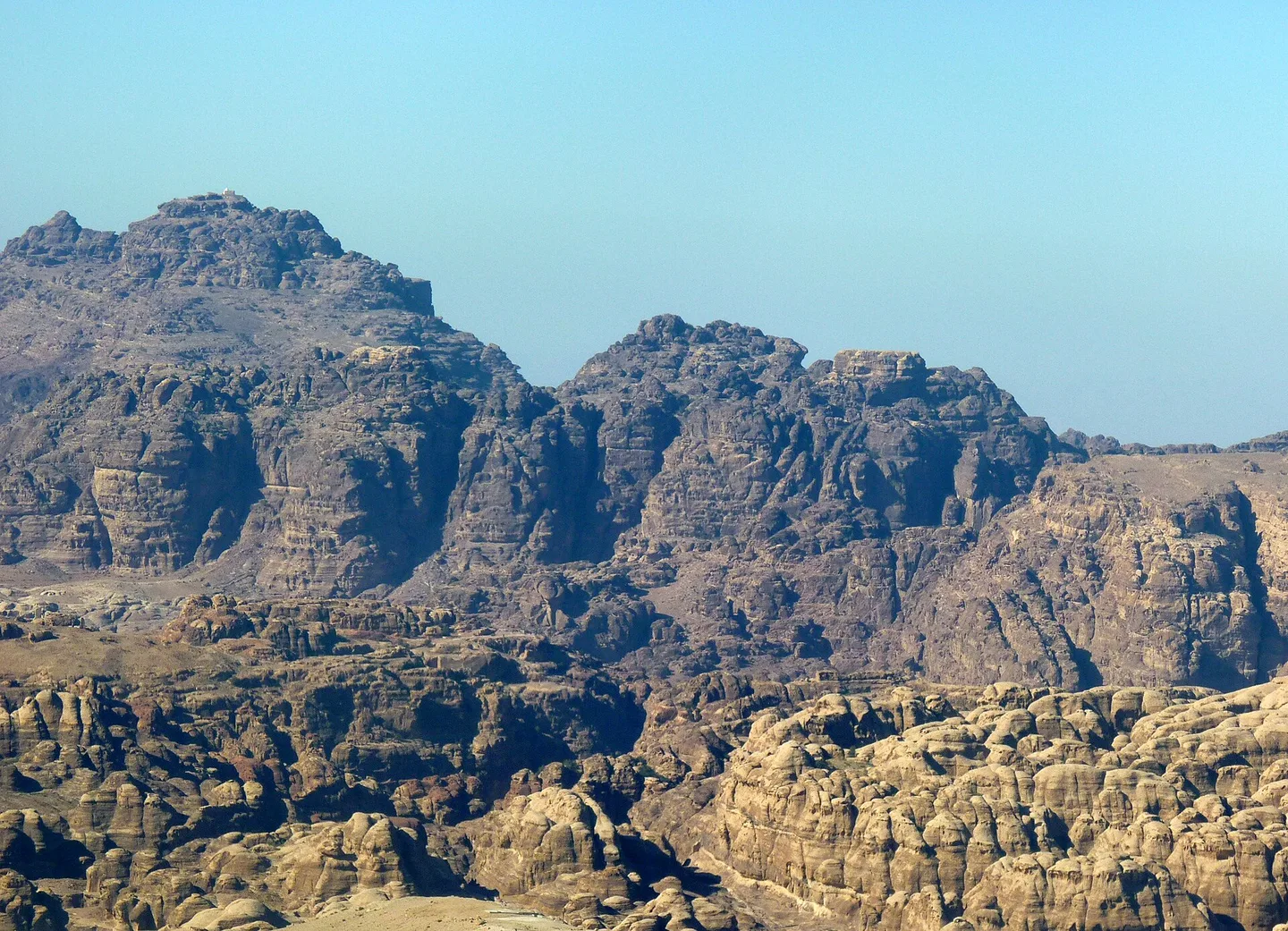
Deeper in the valley floor, the Colonnaded Street leads past the Great Temple towards Qasr al-Bint, the city's primary free-standing sanctuary. Ambitious walkers can climb the eight hundred rock steps leading to Ad-Deir, the monumental Monastery perched above western mountain drops. Another rewarding path climbs to the High Place of Sacrifice, offering sweeping panoramic views across the biblical Mount Hor ridge.
Food and drink
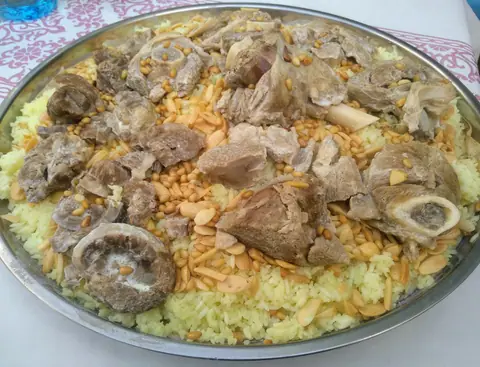
Wadi Musa dining focuses on hearty Jordanian dishes designed to replenish energy after long desert hikes. Menus feature fragrant mansaf, the national dish of tender lamb cooked in fermented dried yoghurt broth over turmeric rice. You will also find bubbling clay pots of tagine, spiced kofta skewers, and crisp falafel stuffed into warm flatbreads with creamy hummus.
Trail kiosks and Bedouin tents throughout the archaeological park serve sweet black tea brewed with fresh mountain sage or mint. Sitting on patterned woven rugs with a hot glass provides welcome shade and conversation during midday heat. Casual evening dining along town roundabouts allows you to sample local knafeh, a warm cheese pastry soaked in floral orange-blossom syrup.
Culture
Petra holds profound cultural value as a UNESCO World Heritage site and ancestral homeland for local Bdoul and Layathnah Bedouin tribes. Many community members work within the park boundaries, operating rest stalls, guiding trail paths, or caring for pack animals. Respect local custom by dressing modestly, covering shoulders and knees when walking through towns and ancient sacred precincts.
Protecting the delicate rose sandstone requires mindful conduct, so never climb carved tomb reliefs or scratch fragile rock surfaces. Carry reusable water flasks to minimise plastic litter across remote desert gullies, and pack out any rubbish from high mountain lookouts. Space strenuous climbs sensibly across a three-day valley and ridge route so high plateaus stay unhurried.
Official prices and opening hours
- Petra Archaeological Park Entry TicketsOfficial site ↗
- Jordan Pass (Includes Petra + 40 Sites)Official site ↗
Weather by month
Petra is warmest in August, with average highs around 31°C, and coldest in January, when nights drop to about 4°C. January is the wettest month by rainfall (45 mm), with rain on about 8 days. For mild weather with fewer rainy days, aim for May and October.
| Month | Low | Range | High | Rain | Rainy days |
|---|---|---|---|---|---|
| Jan | 4°C | 11°C | 45 mm | 8 d | |
| Feb | 5°C | 13°C | 43 mm | 7 d | |
| Mar | 8°C | 17°C | 29 mm | 5 d | |
| Apr | 12°C | 22°C | 11 mm | 3 d | |
| May | 16°C | 26°C | 6 mm | 1 d | |
| Jun | 18°C | 29°C | 0 mm | 0 d | |
| Jul | 20°C | 31°C | 0 mm | 0 d | |
| Aug | 21°C | 31°C | 1 mm | 0 d | |
| Sep | 19°C | 29°C | 1 mm | 0 d | |
| Oct | 15°C | 24°C | 8 mm | 2 d | |
| Nov | 11°C | 18°C | 19 mm | 4 d | |
| Dec | 6°C | 14°C | 23 mm | 5 d |
Averages of daily values from 2015 to 2024. Rainy days are days with at least 1 mm of rain. Source: Open-Meteo · Compare destinations by month.
Petra on the map
Every place we cover in Petra. Tap a category or pin to explore.
In-depth Petra guides
Browse the guides grouped by topic: sights, neighbourhoods, food, transport, day trips and trip planning.
Sights, Landmarks & Parks
Key monuments, viewpoints, museums and nature trails.
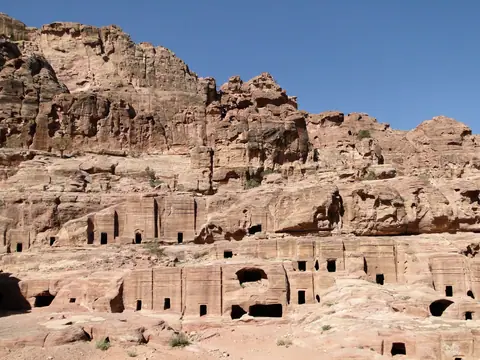 Exploring Petra: Monuments, Ancient Trails, and Canyon VistasCarved sandstone monuments, dramatic desert gorges, and steep mountain stairways define the ancient Nabataean capital hidden within Jordan's southern desert ranges.
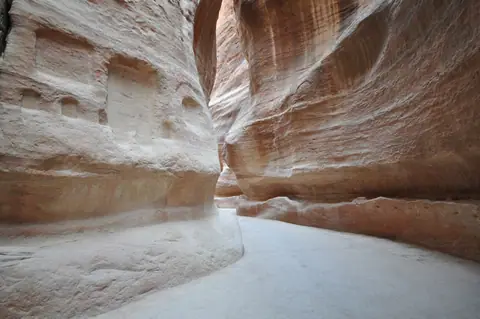 Walking the Siq in Petra: Bab al-Siq, Djinn Blocks and Water ChannelsWalking Bab al-Siq into the Siq reveals monumental rock-carved monuments and sophisticated hydraulic engineering leading to Petra's ancient core.
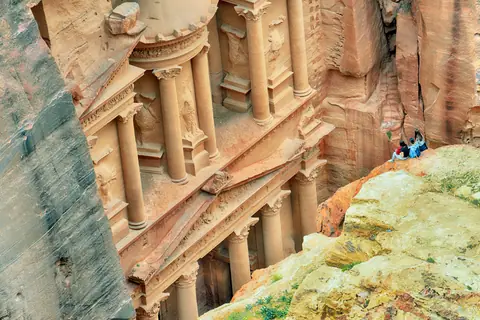 Al-Khazneh (The Treasury) Guide: Light, High Overlooks and EtiquetteMorning light illuminates the rose-red facade of Al-Khazneh as visitors navigate the narrow Siq gorge toward responsible high cliff routes.
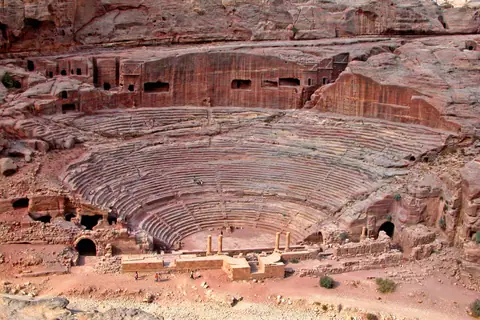 Street of Facades, Roman Theatre and Royal Tombs Walk in PetraSandstone pathways lead from the Outer Siq past the Roman Theatre directly to the monumental Royal Tombs in Petra.
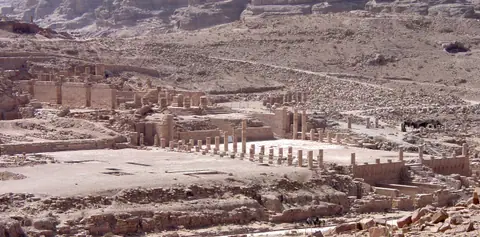 Colonnaded Street, Great Temple, Qasr al-Bint and Petra Museum GuidePaved monumental thoroughfares connect colossal ancient temples and modern museum galleries along the civic spine of Petra.
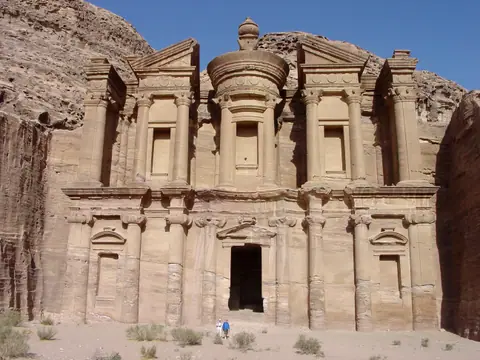 Ad-Deir and the Little Petra Back-Door TrailWe trace the sandstone mountain paths connecting Siq al-Berid to the monumental rock-carved facade of Ad-Deir above ancient Petra.
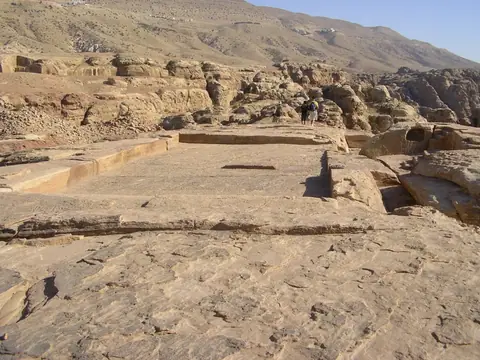 Petra Mountain Trails: High Place of Sacrifice, Wadi Farasa and KhubthaThree historic mountain ascents lead walkers away from the central colonnade into carved ceremonial heights and quiet sandstone ravines.
Neighbourhoods & Where to Stay
Districts, historic quarters and the best bases for your stay.
Food & Drink
Local dishes, markets, cafés and dining districts.
Getting Around & Arrival
Airport transfers, public transit, passes and driving rules.
Day Trips & Excursions
Easy half-day and full-day trips from the city.
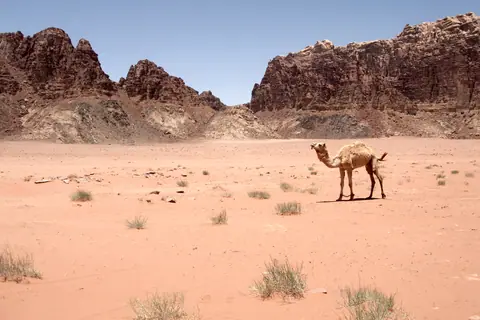
Trip Planning & Itineraries
When to visit, what to pack and day-by-day routes.
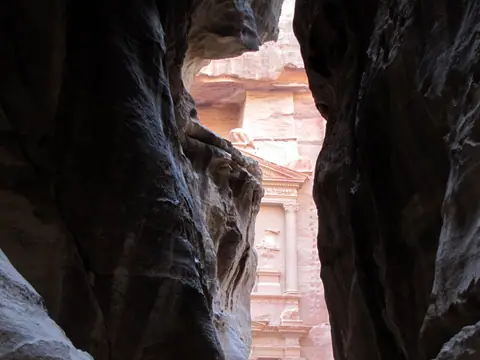 Navigating Petra: Jordan Pass, Ancient Trails and Park LogisticsWalking the ancient Nabataean capital requires steady preparation, comfortable footwear, and a clear understanding of park trails and entry documentation.
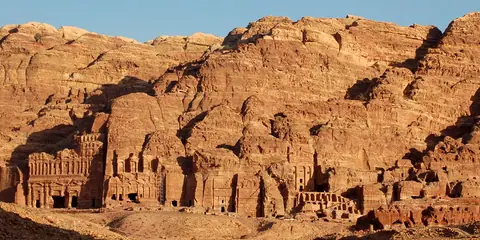 Best Time to Visit Petra: Seasonal Weather, Crowds and Flash FloodsTiming your visit to Petra properly allows you to navigate ancient sandstone canyons comfortably while avoiding seasonal flash floods and searing summer heat.
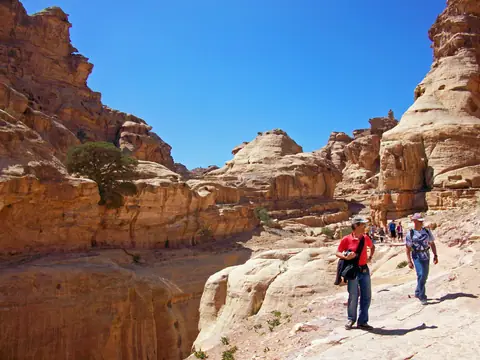 What to Wear in Petra: Hiking Footwear, Sun Gear and Dress CodesChoosing sensible hiking footwear, loose linen layers, and adequate sun protection allows you to navigate the rugged sandstone trails across Petra comfortably.
 Three Days in Petra: The Main Canyon, Monastery and Mountain High PlacesWe map out three full days in Petra across deep sandstone gorges, monumental facade paths, and quiet rocky summit ridges.
Need your embassy or consulate in Jordan? See embassies and consulates in Jordan.
Reviews
Log in to write a review.
No reviews yet.