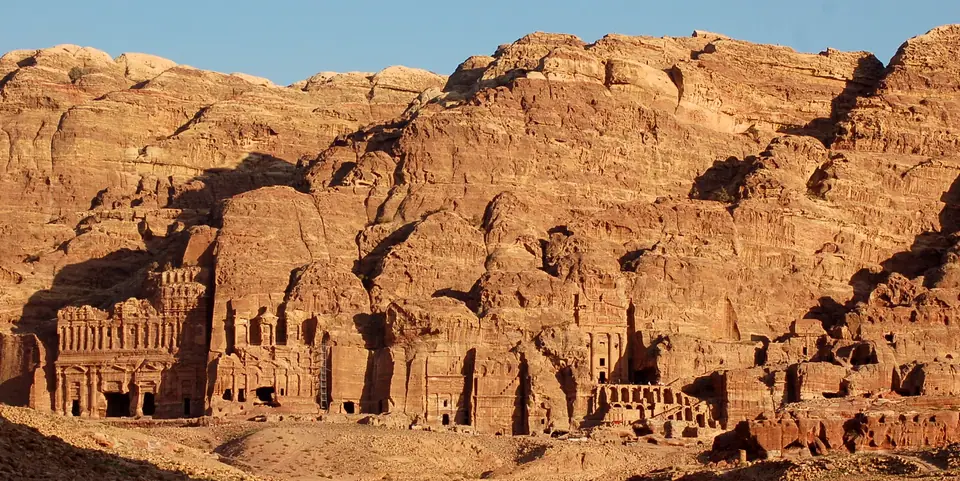
Photo: twiga-swala · CC BY-SA 4.0
Best Time to Visit Petra: Seasonal Weather, Crowds and Flash Floods
Timing your visit to Petra properly allows you to navigate ancient sandstone canyons comfortably while avoiding seasonal flash floods and searing summer heat.
Choosing when to explore Petra shapes your walking experience across every sandstone canyon, exposed ridge, and carved facade. The ancient Nabataean capital sits within rugged desert mountains. Seasonal temperature shifts influence how many hours you can comfortably walk each day. Shoulder seasons offer moderate warmth and clear desert skies. This makes prolonged outdoor exploration pleasant without exhausting heat.
Spring and Autumn Hiking Conditions
Spring and autumn remain the most popular windows for walking through the deep gorge of the Siq. Walkers also tackle high mountain staircases during these temperate periods. Daytime temperatures stay moderate across transitional months. This allows hikers to complete long distances across the basin without suffering direct solar fatigue. Mornings begin crisp and clear, creating gentle conditions for the steady descent past monumental tomb facades.
These comfortable months attract substantial visitor numbers. Trail paths and canyon junctions fill steadily by mid-morning. Tour parties often congregate around major monuments between breakfast and early afternoon. This thickens foot traffic through narrow defiles. Starting early lets you wander quietly before day groups arrive from external regional hubs.
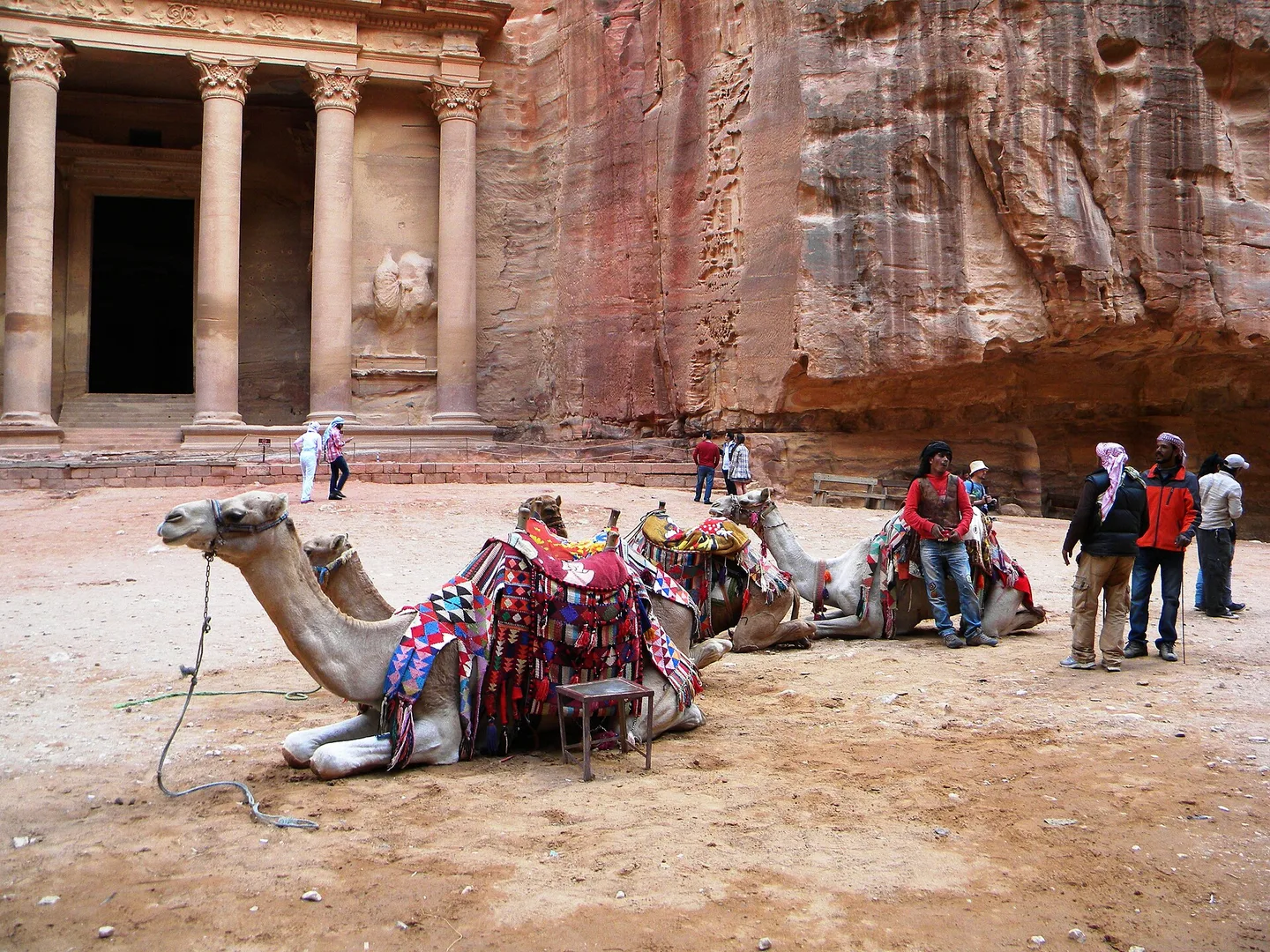
Packing adaptable layers helps you handle sharp shifts between brisk dawns and warm afternoons. Reviewing sensible clothing tips on packing appropriate footwear and desert layers keeps you comfortable across fluctuating desert temperatures. Long trousers and breathable shirts shield skin from persistent sun exposure during all-day walks across exposed limestone plateau sections.
Summer Heat and Midday Exposure
Summer brings relentless sunshine and fierce heat to southern Jordan. This climate transforms the open valley into a natural solar reflector. Sandstone surfaces absorb thermal radiation throughout the day. They release trapped warmth across walking tracks long after noon. Exposed routes toward distant overlooks become punishing for hikers caught without protective gear or ample drinking water.
Visiting during high summer demands an entirely restructured morning routine to avoid the most hazardous midday hours. Entering the outer gates at dawn allows you to explore the Treasury and Lower Siq while shaded by high cliff walls. By the time midday arrives, retreat into shaded rest areas. Alternatively, pause completely until late afternoon light softens the heat.
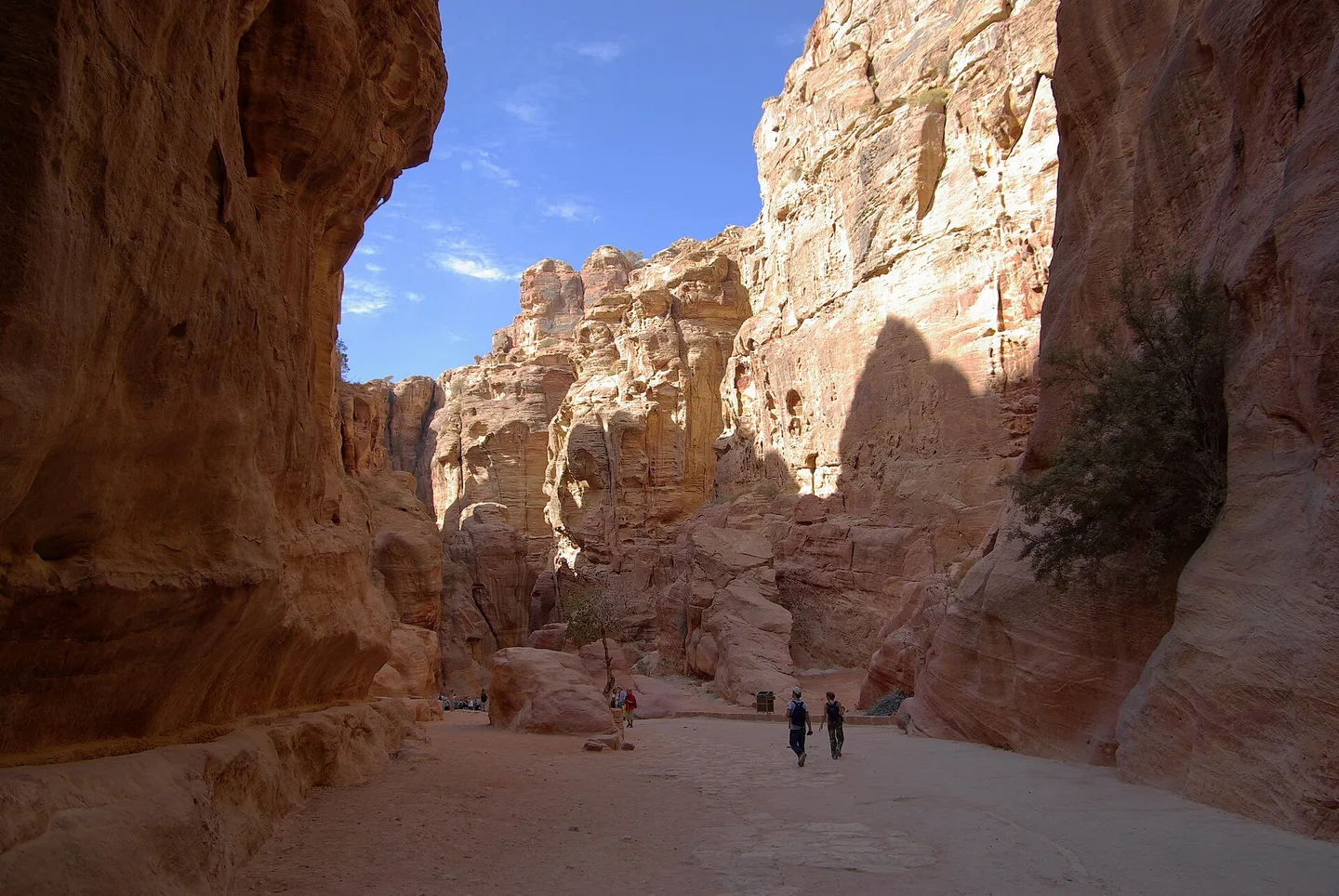
Planning physical effort around seasonal heat remains vital when coordinating your overall travel schedule. Travellers arranging regional transfers via road routes from Amman or Aqaba should time arrivals to permit dawn exploration on their first full morning. Carrying personal electrolyte packets and multiple water flasks protects your endurance during dry summer months.
Winter Cold, Rainfall and Flash Flood Safety
Winter presents an entirely distinct set of challenges across Petra. The season is characterised by sharp desert frosts, icy winds, and sudden downpours. High mountain ridges occasionally receive light snowfall, while night temperatures routinely drop toward freezing levels. Heavy winter cloud cover creates atmospheric photography, yet cold winds make long ridge ascents physically demanding.
Rain brings serious safety considerations because steep sandstone massifs shed water rapidly into deep canyons. Runoff from surrounding plateaus funnels directly into the narrow Siq. This generates swift flash floods that can overwhelm canyon footpaths in minutes. Local park rangers close the gorge whenever rainstorms threaten mountain catchments. They evacuate lower trails immediately to protect human life.
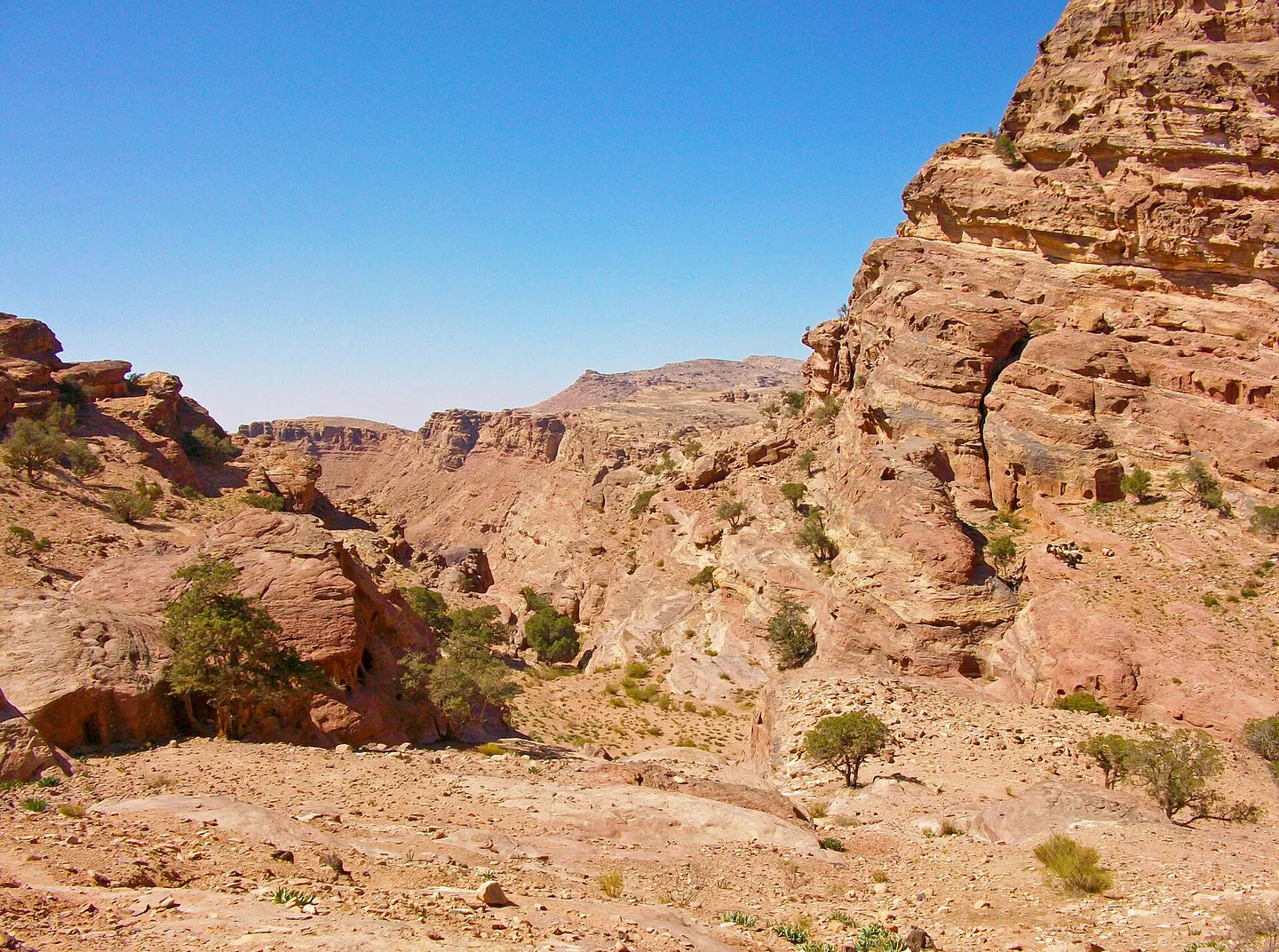
Hikers heading onto upper trails like the path to the Monastery should monitor regional weather forecasts attentively. Checking local meteorological alerts through the Petra destination overview before walking into distant canyons reduces your exposure to sudden mountain storms. Sturdy waterproof footwear with deep tread prevents slips on wet, mossy stone steps during damp winter walks.
Seasonal Trail Planning and Crowd Patterns
Evaluating season-by-season variables helps travellers select dates matching their personal tolerance for heat, cold, and crowd density. Balancing foot traffic against climate conditions produces a far more enjoyable desert walking journey across historical trails.
- Spring brings pleasant temperatures and high crowd numbers, requiring early morning departures to enjoy tranquil canyon walking.
- Summer offers lower visitor numbers along peripheral paths, but severe daytime heat restricts long treks to early morning hours.
- Autumn features warm afternoons, dry walking ground, and moderate breezes, making it prime time for backcountry routes.
- Winter provides dramatic skies and quiet monument fronts, though hikers must respect sudden flash flood warnings and canyon closures.
Pairing your chosen travel dates with the comprehensive catalogue of historic trails and carved monuments allows you to allocate trail hours efficiently. Whether selecting crisp autumn dawns or quiet winter afternoons, respecting regional weather patterns turns a challenging desert excursion into a smooth, rewarding walk across ancient stone landscapes.
Weather by month
Petra is warmest in August, with average highs around 31°C, and coldest in January, when nights drop to about 4°C. January is the wettest month by rainfall (45 mm), with rain on about 8 days. For mild weather with fewer rainy days, aim for May and October.
| Month | Low | Range | High | Rain | Rainy days |
|---|---|---|---|---|---|
| Jan | 4°C | 11°C | 45 mm | 8 d | |
| Feb | 5°C | 13°C | 43 mm | 7 d | |
| Mar | 8°C | 17°C | 29 mm | 5 d | |
| Apr | 12°C | 22°C | 11 mm | 3 d | |
| May | 16°C | 26°C | 6 mm | 1 d | |
| Jun | 18°C | 29°C | 0 mm | 0 d | |
| Jul | 20°C | 31°C | 0 mm | 0 d | |
| Aug | 21°C | 31°C | 1 mm | 0 d | |
| Sep | 19°C | 29°C | 1 mm | 0 d | |
| Oct | 15°C | 24°C | 8 mm | 2 d | |
| Nov | 11°C | 18°C | 19 mm | 4 d | |
| Dec | 6°C | 14°C | 23 mm | 5 d |
Averages of daily values from 2015 to 2024. Rainy days are days with at least 1 mm of rain. Source: Open-Meteo · Compare destinations by month.
Official prices and opening hours
- Petra Archaeological Park Entry TicketsOfficial site ↗
- Jordan Pass (Includes Petra + 40 Sites)Official site ↗
Where it is
- 1Petra
- Ramon International Airport (ETM) · about 79 km from Petra in a straight line
- Directions in Google Maps
Stations and taxi ranks: OpenStreetMap. Airports: OurAirports. Distances are in a straight line.
Traveller tips
Real advice from people who have been to Petra. Every tip is read by our team before it goes live.
No tips yet. Been here? Yours could be the first.
Thank you! Your tip will appear here after a quick review.
More in Petra
Continue exploring Petra with related neighbourhood, food, and planning guides
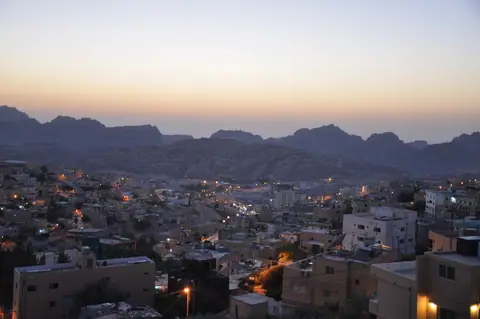
Where to Stay in Petra: Lower Wadi Musa vs Hillside Hotels
Petra, Jordan
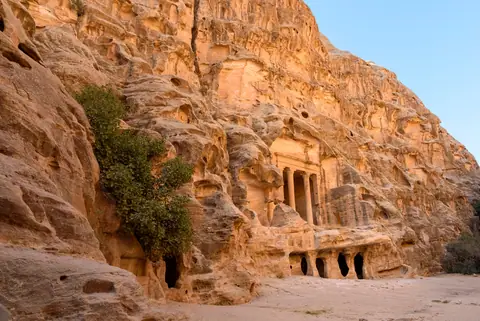
Three Days in Petra: The Main Canyon, Monastery and Mountain High Places
Petra, Jordan
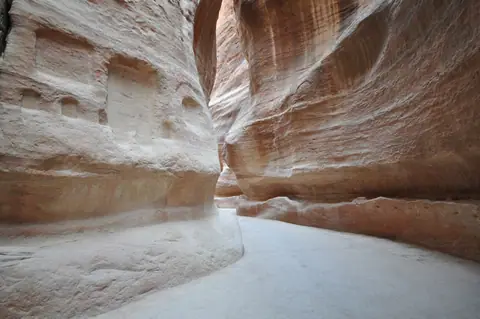
Walking the Siq in Petra: Bab al-Siq, Djinn Blocks and Water Channels
Petra, Jordan
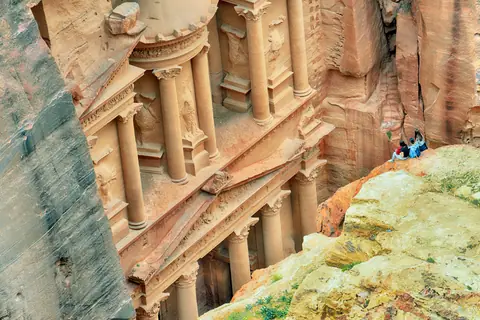
Al-Khazneh (The Treasury) Guide: Light, High Overlooks and Etiquette
Petra, Jordan
