Photo: Jorge Láscar from Australia · CC BY-SA 4.0
Walking the Siq in Petra: Bab al-Siq, Djinn Blocks and Water Channels
Walking Bab al-Siq into the Siq reveals monumental rock-carved monuments and sophisticated hydraulic engineering leading to Petra's ancient core.
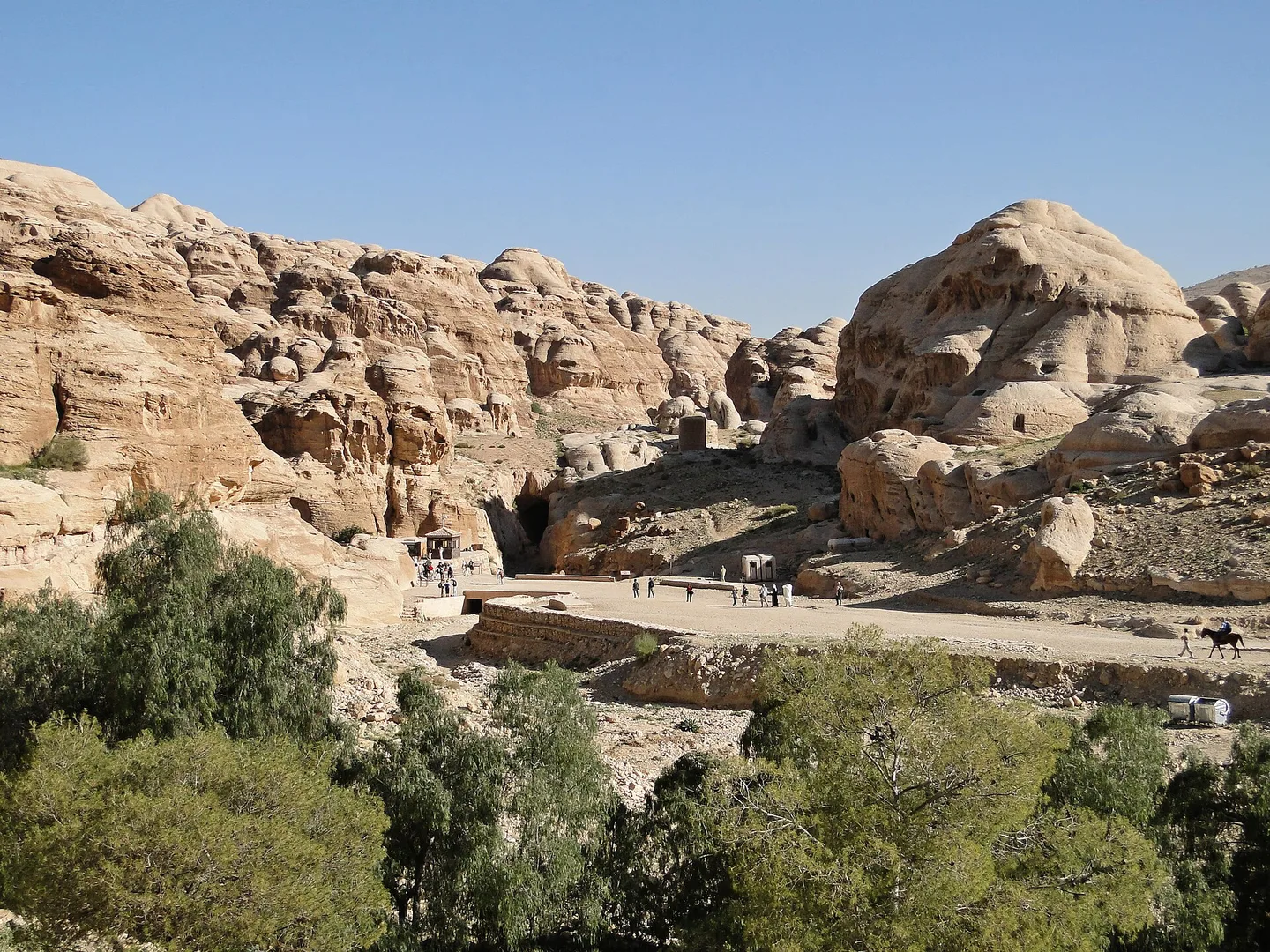
Leaving the visitor centre in Wadi Musa, travellers begin their journey down an open desert valley known traditionally as Bab al-Siq. This gateway path eases visitors gradually away from the modern town settlements towards the hidden sandstone chasm that guards the Nabataean capital. The broad gravel track slopes downward, flanked by arid hilltops and scattered scrub that give little immediate hint of the towering gorge ahead.
Bab al-Siq and the Monuments of the Open Valley
Along this sunlit preliminary trail stand three monumental cubical structures carved out of the bedrock, known locally as the Djinn Blocks. These freestanding sandstone blocks were probably conceived as guardian monuments or ancestral tombs by Nabataean stonecutters during the first century. Their austere, squared forms rise starkly against the dusty ravine bed, offering an atmospheric prelude to the intricate carvings deeper in the park.
A short distance further down the track, the striking Obelisk Tomb commands attention from the eastern cliff face. Four tapering pyramidal obelisks crown the upper facade, representing memorial monuments set above a classical burial chamber. Beneath this funerary complex sits the Bab al-Siq Triclinium, a rock-hewn banqueting hall where relatives gathered for commemorative ritual feasts honouring the deceased.
Walking past these open monuments requires sun protection, as this initial valley stretch lacks natural cliff shade during midday hours. Sturdy walking shoes with reliable grip prove essential on the loose scree and gravel before reaching the canyon mouth. Combining this exterior walk with wider routes in our Petra archaeological itinerary helps pace a full day on foot.
Nabataean Hydraulic Engineering and Flash Flood Defences
At the mouth of the gorge, the path meets a remarkable masonry dam originally built to control dangerous winter flash floods. The Nabataeans diverted raging floodwaters away from the Siq entrance by funneling runoff through an adjacent tunnel carved into the bedrock. This protective engineering diverted torrential waters safely into neighbouring wadis, keeping the main pedestrian thoroughfare intact throughout the rainy seasons.
Inside the chasm itself, rock-cut channels run alongside the canyon walls at waist height, demonstrating exceptional hydrological skill. The Nabataeans carved continuous open aqueducts into the sandstone to carry fresh drinking water from upstream springs down into the city cisterns. In several sections, remnants of glazed terracotta pipes survive within the stone grooves, protected by durable lime mortar plaster.
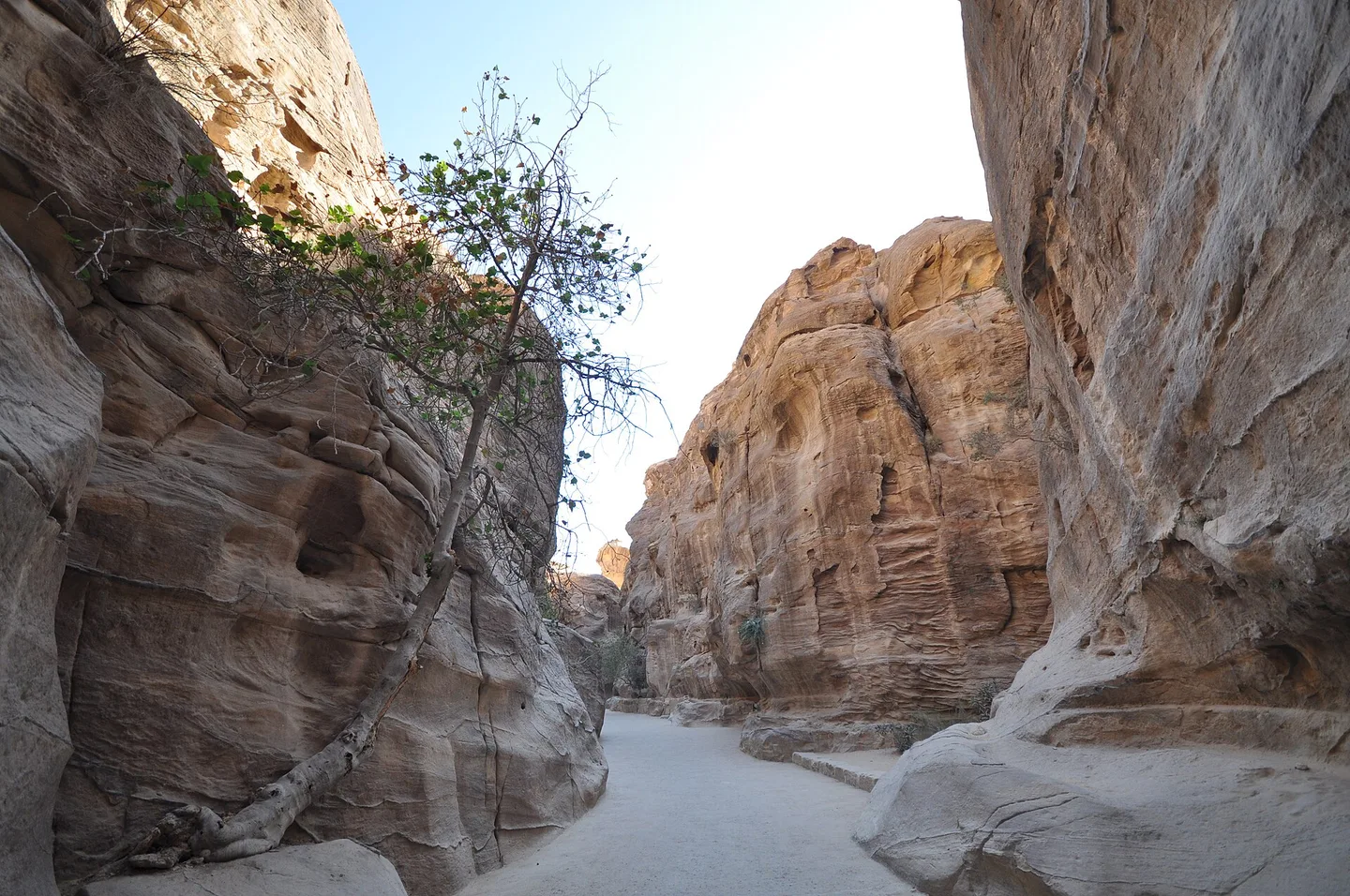
These twin watercourses supplied both clean drinking reserves and street-level drainage for pack caravans moving between Arabia and the Mediterranean coast. Silt filtration basins along the conduits prevented sediment from choking the city reservoirs. Even in dry desert heat, these stone gutters remind visitors of the hydraulic ingenuity that made urban life possible here.
Navigating the Narrow Chasms of the Geological Slot Gorge
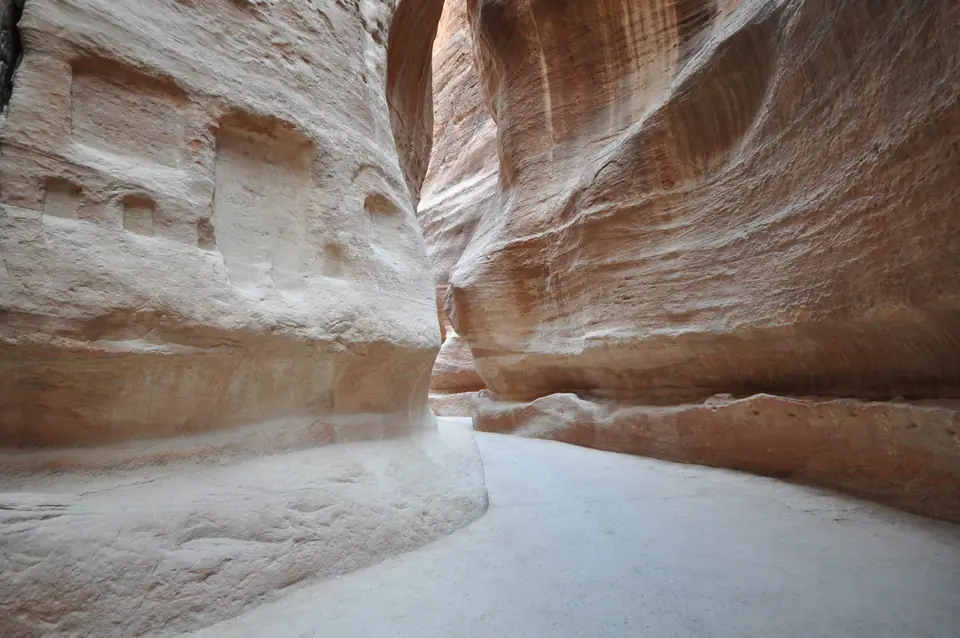
Once inside the Siq, natural sandstone cliffs rise steeply on both sides, blocking out direct sunlight and cooling the ambient temperature. Unlike water-carved slot canyons formed purely by stream erosion, this gorge originated from deep tectonic fracturing that split the mountain massif apart. Running floodwaters later smoothed and hollowed the vertical rock faces into swirling, curved sandstone waves.
Looking down at the canyon floor reveals substantial sections of original limestone paving laid during the late Nabataean and Roman periods. These heavy polygonal flagstones provided a smooth surface for royal processions and heavily loaded camel caravans entering the mercantile hub. In damp spots near the cliff base, the stones can turn slick, requiring deliberate footing when navigating downhill.
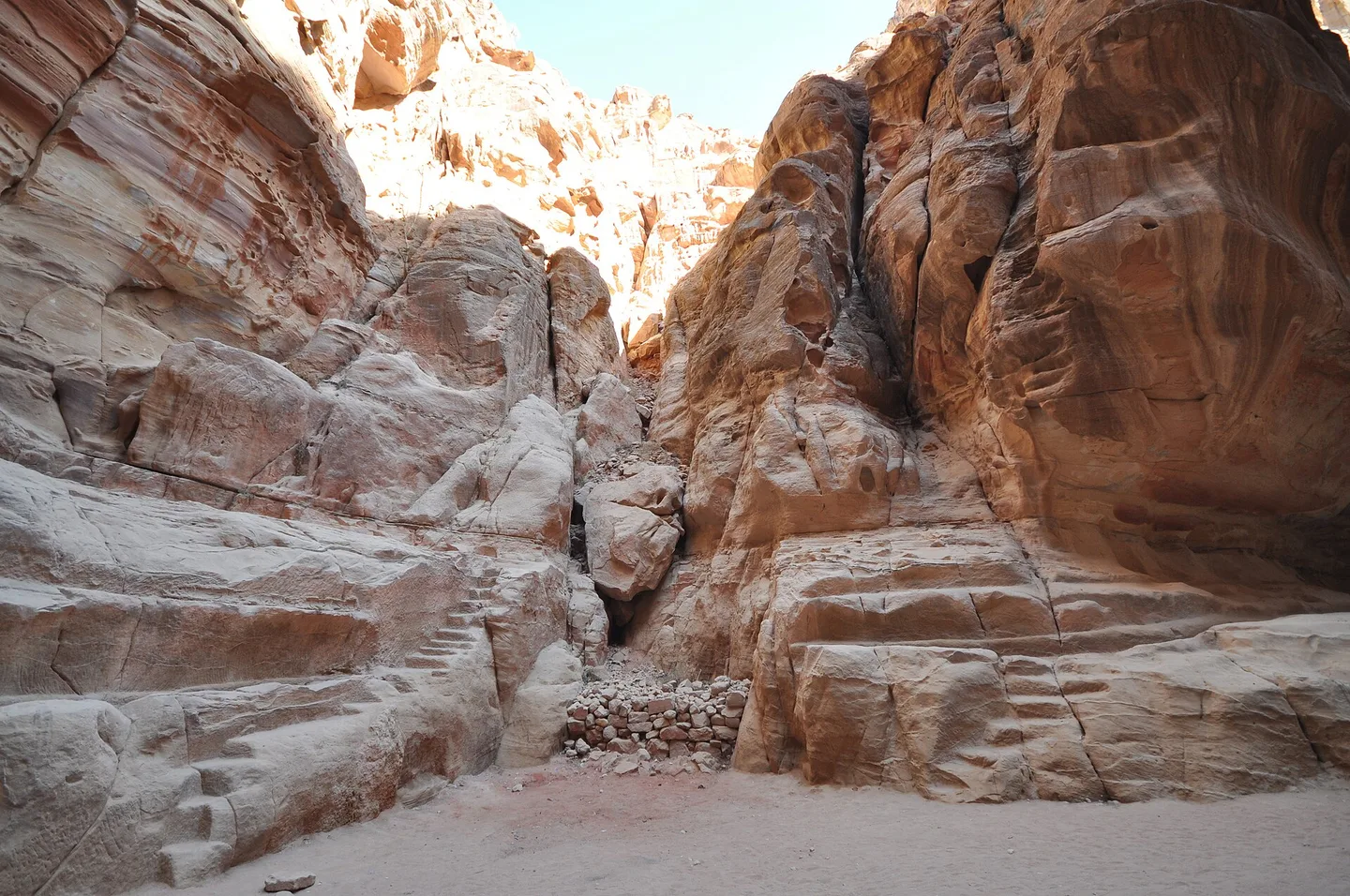
The canyon walls preserve worn religious carvings, including small votive niches known as baetyls that represented local deities to passing merchants. Faded relief sculptures of camel caravans and lead drivers remain faintly visible in the cliff face, showing trade goods moving along the empire route. Before departing your hotel, check transit routes from Amman to arrange an early start before tour crowds fill the narrowest passageways.
Key Stations Along the Descent from Wadi Musa
To help orient your walk from the ticketing gates down to the canyon exit, we have outlined the primary physical features in chronological sequence.
| Route Station | Feature Type | Engineering or Cultural Role |
|---|---|---|
| Bab al-Siq Approach | Open sandstone valley | Outer burial grounds with Djinn Blocks and Obelisk Tomb |
| Siq Entrance Dam | Hydraulic flood barrier | Diverts flash floods away into rock-cut bypass tunnel |
| Chasm Aqueducts | Terracotta and stone conduits | Transport spring water into downtown cistern networks |
| Paved Canyon Floor | Roman stone street | Durable transit corridor through the tectonic fissure |
Taking time to study the engineering installations enriches the stroll, transforming a simple walk into an insightful encounter with Nabataean ingenuity.
Official prices and opening hours
- Petra Archaeological Park Entry TicketsOfficial site ↗
- Jordan Pass (Includes Petra + 40 Sites)Official site ↗
Where it is
- 1Walking the Siq in Petra
- Ramon International Airport (ETM) · about 79 km from here in a straight line
- Directions in Google Maps
Stations and taxi ranks: OpenStreetMap. Airports: OurAirports. Distances are in a straight line.
Traveller tips
Real advice from people who have been to Petra. Every tip is read by our team before it goes live.
No tips yet. Been here? Yours could be the first.
Thank you! Your tip will appear here after a quick review.
More in Petra
Continue exploring Petra with related neighbourhood, food, and planning guides
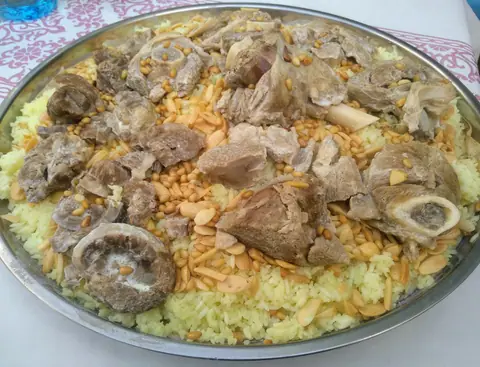
What to Eat in Petra: Traditional Mansaf, Bedouin Zarb, and Local Flavours
Petra, Jordan
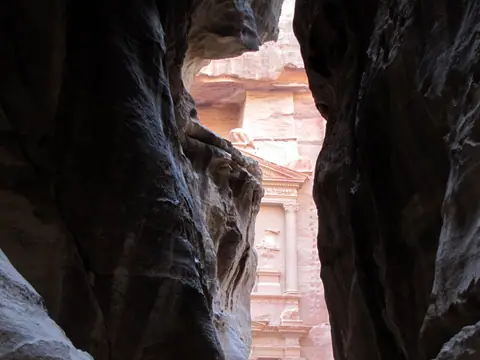
Navigating Petra: Jordan Pass, Ancient Trails and Park Logistics
Petra, Jordan
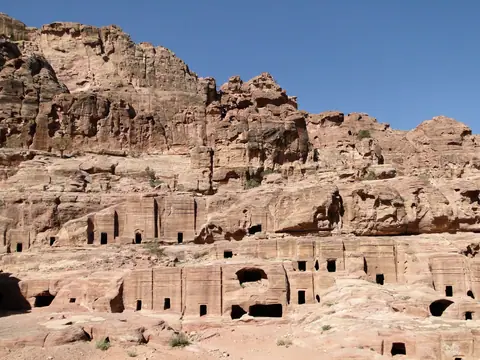
Exploring Petra: Monuments, Ancient Trails, and Canyon Vistas
Petra, Jordan
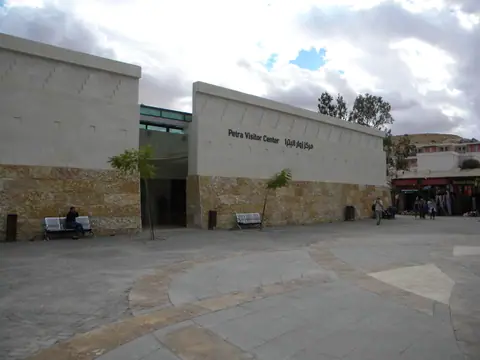
Getting to Petra: Transit Routes from Amman, Aqaba, and Desert Borders
Petra, Jordan
