Photo: Fjmustak · CC BY-SA 4.0
What to Eat in Petra: Traditional Mansaf, Bedouin Zarb, and Local Flavours
Dining across Petra and neighbouring Wadi Musa reveals rich Bedouin culinary roots shaped by aromatic spices, fermented yogurt, and slow wood-fire cooking traditions.
Dining around the ancient sandstone cliffs of Petra offers a direct taste of Jordanian culinary culture, where communal generosity defines every single meal. The gateway town of Wadi Musa climbs steeply along the desert ridge above the archaeological entrance, housing authentic family kitchens and lively bakeries. Exploring local culinary offerings complements days spent wandering desert trails, rewarding visitors after strenuous climbs between monuments. Check the monument hikes and canyon trails to balance long walks across sandstone gorges with substantial regional dinners.
Jordanian Mansaf and the Bedouin Jameed Tradition
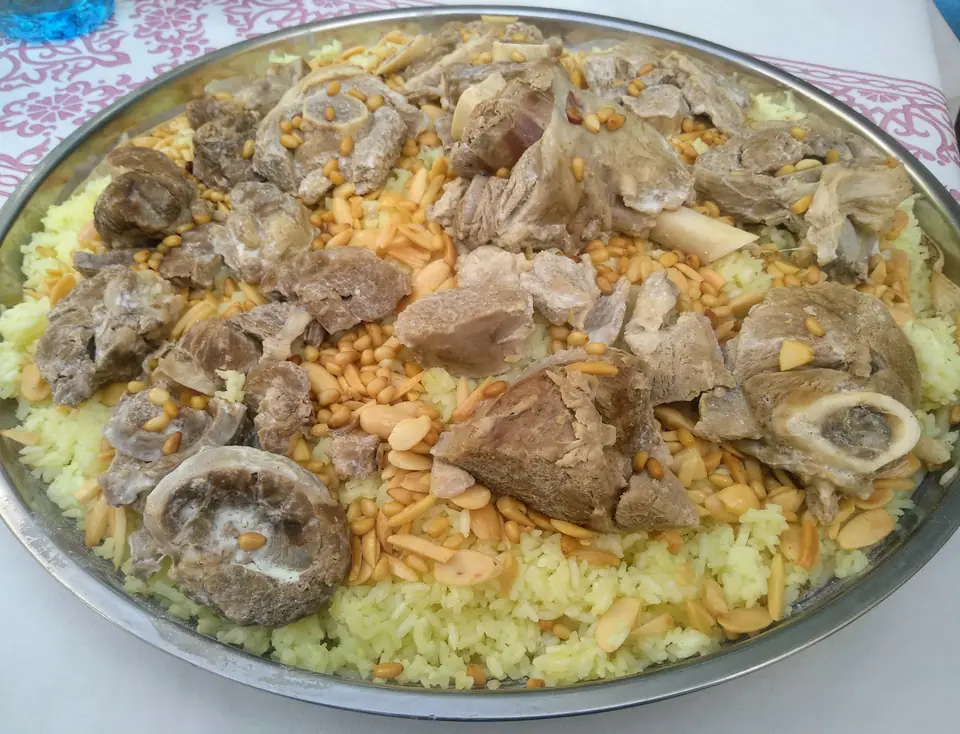
Mansaf stands as the national dish of Jordan, holding deep historical significance among Bedouin tribes across the southern plateau. The dish consists of tender cuts of lamb simmered slowly in a rich broth enriched with rehydrated jameed, a sun-dried fermented goat yogurt. The tangy jameed lends a distinctive sour depth to the sauce, coating yellow rice seasoned with fragrant spices and turmeric. Cooks spread paper-thin shrak flatbread across wide communal platters before piling high mound after mound of steaming rice and bone-in meat.
Garnishes of toasted pine nuts and slivered almonds finish the platter, adding texture to the tender braised meat. Traditionally, family groups gather together around the circular silver tray, eating neatly with the right hand while rolling rice balls into bite-sized portions. In Wadi Musa restaurants, servers gladly present individual bowls of hot jameed sauce alongside spoons, letting guests drizzle the savoury liquid to taste. Eating mansaf after traversing canyon paths restores energy through wholesome protein, warm fat, and soothing fermented broth.
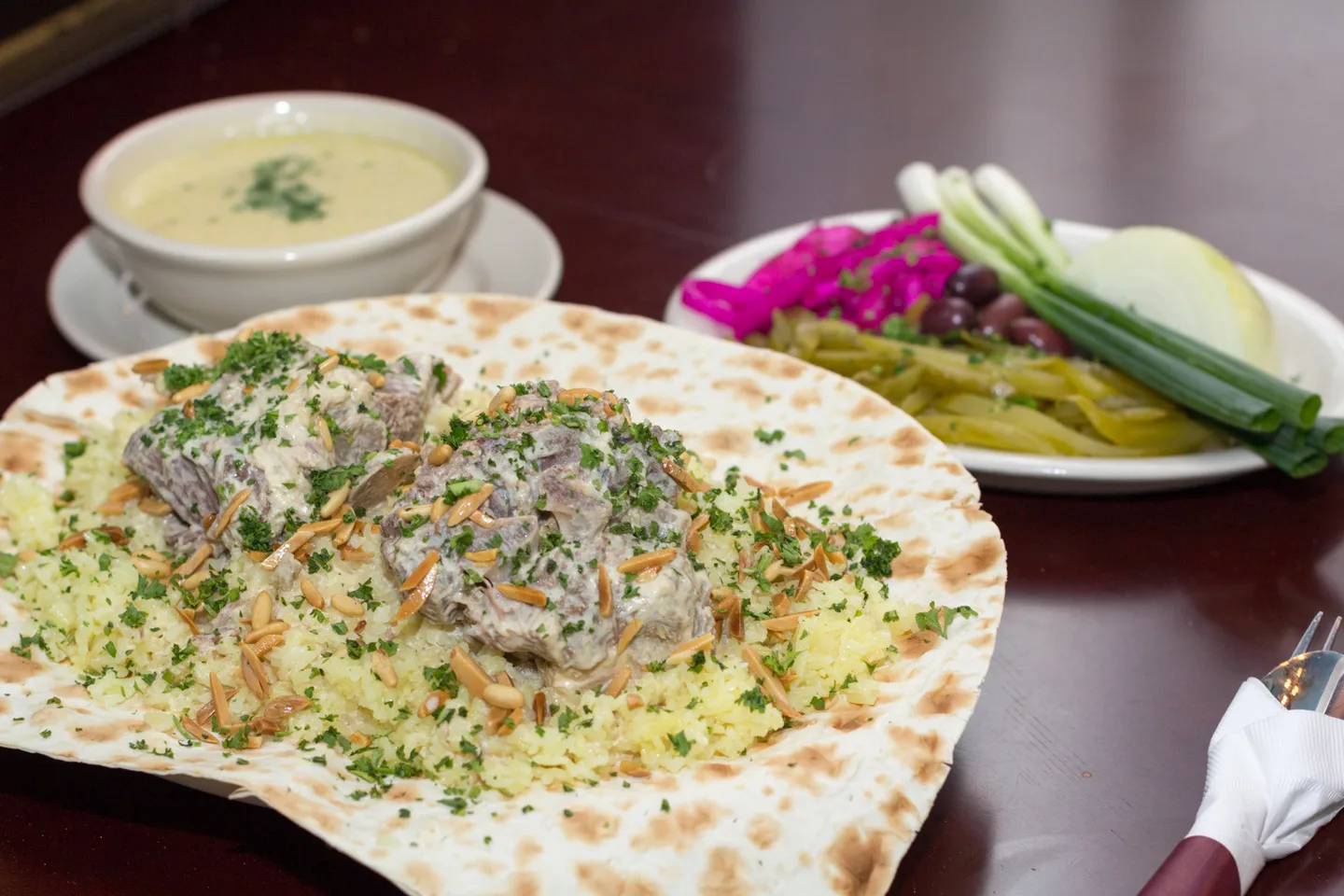
A well-prepared mansaf depends on the high quality of its dried yogurt rock, traditionally crafted during spring sheep milking periods. Modern restaurant versions honour this pastoral trade, offering deep aromas that distinguish Jordanian tables from standard Levantine cuisine. Check the seasonal trail conditions and temperatures to plan hearty midday meals around mild mountain weather and brisk evening breezes.
Bedouin Zarb and Pit Roasts of the Southern Desert
Bedouin zarb represents an ancient subterranean cooking method perfected across the arid expanses of southern Jordan. Cooks dig deep pits into desert sands, lining the circular excavation with fiery coals and fragrant native hardwood logs. Multi-tiered metal racks hold whole chickens, joints of lamb, onions, potatoes, and bowls of dry-rubbed rice over the smouldering embers. Once closed tightly beneath heavy blankets and fresh sand, the sealed oven traps fragrant steam and dry desert heat.
This slow underground smoking process continues undisturbed for several hours while the juices from roasting meat drip down onto spiced grain below. The resulting meat turns meltingly tender, falling cleanly off the bone with subtle woody sweetness and smoky notes. Bedouin camps scattered around the surrounding valleys serve zarb alongside creamy garlic labneh, roasted tomatoes, and fresh chopped parsley salads. Travellers dining beneath desert stars experience an authentic cooking style created specifically for nomadic life in waterless environments.
- Mansaf: Braised lamb cooked in fermented jameed yogurt, layered over paper-thin shrak bread, turmeric rice, and toasted nuts.
- Zarb: Underground pit barbecue of spiced poultry or mutton, slowly roasted with root vegetables above glowing desert charcoal.
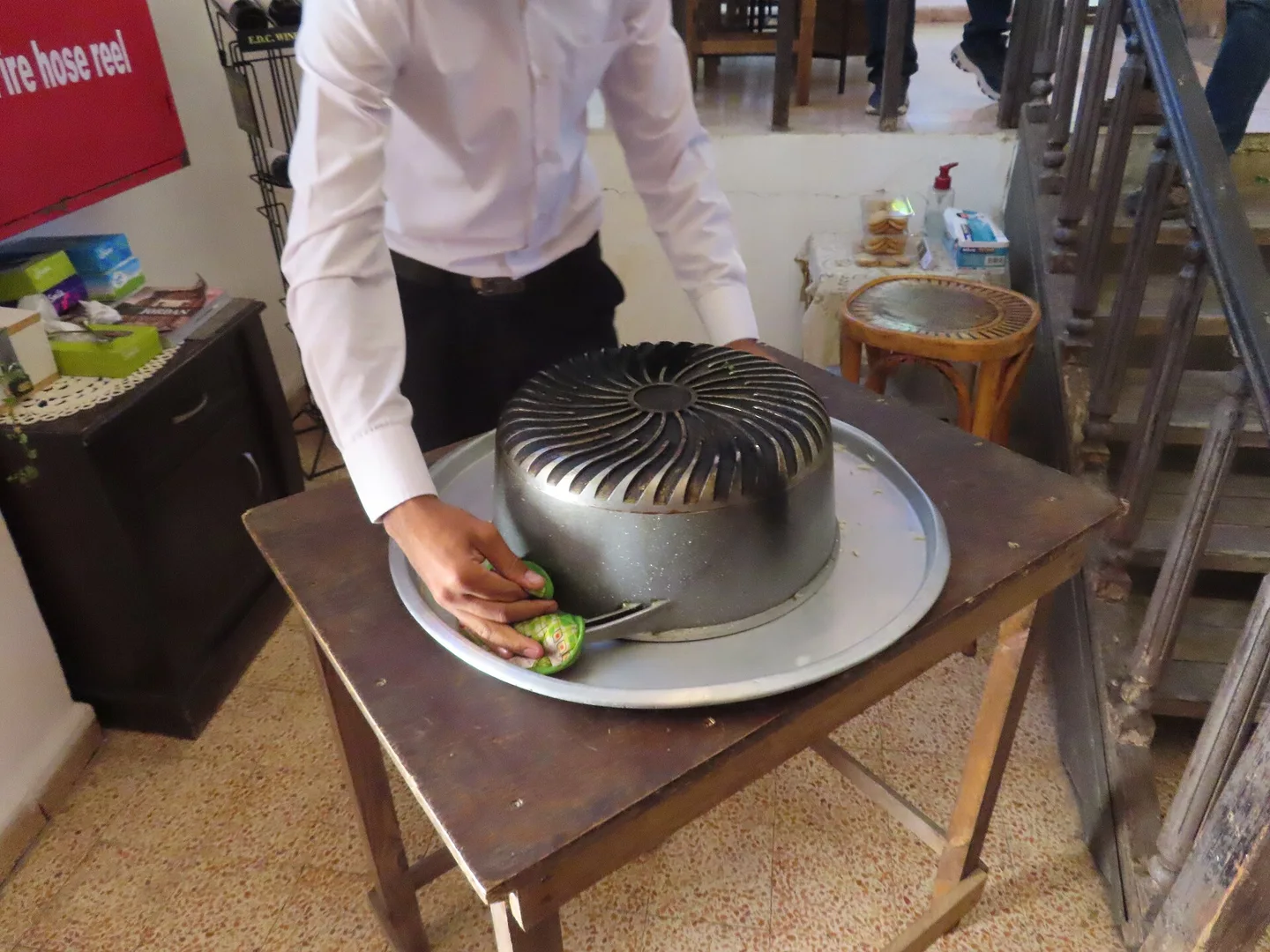
- Maqluba: Layered pot of fried aubergines, cauliflower, chicken, and rice, dramatically flipped upside down before dining.
- Kanafeh: Warm shredded pastry soaked in fragrant orange blossom syrup, melted goat cheese, and crushed green pistachios.
Everyday Levantine Staples, Maqluba, and Street Dishes
Beyond ceremonial meats, the mountain streets of Wadi Musa supply satisfying comfort food through colourful pots of maqluba. The name translates directly as upside down, describing the dramatic presentation when the heavy cooking pot flips onto wide metal platters. Cooked layers of dark fried aubergines, caramelised cauliflower, tender chicken, and fragrant long-grain rice tumble out as a cohesive savoury cake. Fresh pots come served alongside tart tomato cucumber salad and thick natural yogurt flavoured with dried wild mint.
Casual snack shops line the upper streets of town, baking rounds of pillowy flatbread topped with pungent za'atar herbs and olive oil. Crisp falafel balls fried to golden perfection arrive wrapped in warm pita pockets with tahini sauce, pickled turnips, and sliced tomatoes. Mezze selections present smoky mutabal roasted aubergine dip, smooth chickpea hummus, and fried halloumi cheese finished with sumac. These portable dishes sustain hikers tackling long stone staircases leading toward historic high places and carved tomb facades.
Wadi Musa features an array of dining styles suitable for diverse appetites across varied daily budgets:
| Dining Style | Typical Offerings | Best Time to Enjoy |
|---|---|---|
| Bedouin Desert Camps | Smoky zarb, fire-roasted flatbread, spiced rice | Sunset dinners after hiking |
| Town Centre Grills | Skewered shish taouk, lamb kofta, fresh mezze | Casual evening meals |
| Local Bakeries | Warm manakish, sesame bread rings, za'atar pastries | Early morning breakfasts |
| Sweet Shops | Crisp kanafeh, honey baklava, cardamom biscuits | Post-dinner desserts |
Fresh ingredients arrive daily from fertile agricultural valleys near the Jordan Rift, bringing crisp cucumbers, sweet tomatoes, and aromatic olive oil to local tables.
Sweet Confections, Sage Tea, and Evening Cafes
Evenings in Wadi Musa naturally wind down inside lively neighbourhood cafes scented with sweet apple tobacco and fresh brewed tea. Hospitality begins with glass cups of steaming black tea infused with dried wild sage leaves or fragrant mint sprigs. Hosts offer delicate demitasse cups of cardamom-spiced Arabic coffee poured from brass pots, served unsweetened to contrast with sweet hospitality confections. Sipping hot tea while reviewing photographs of carved facades forms an integral social ritual after long canyon expeditions.
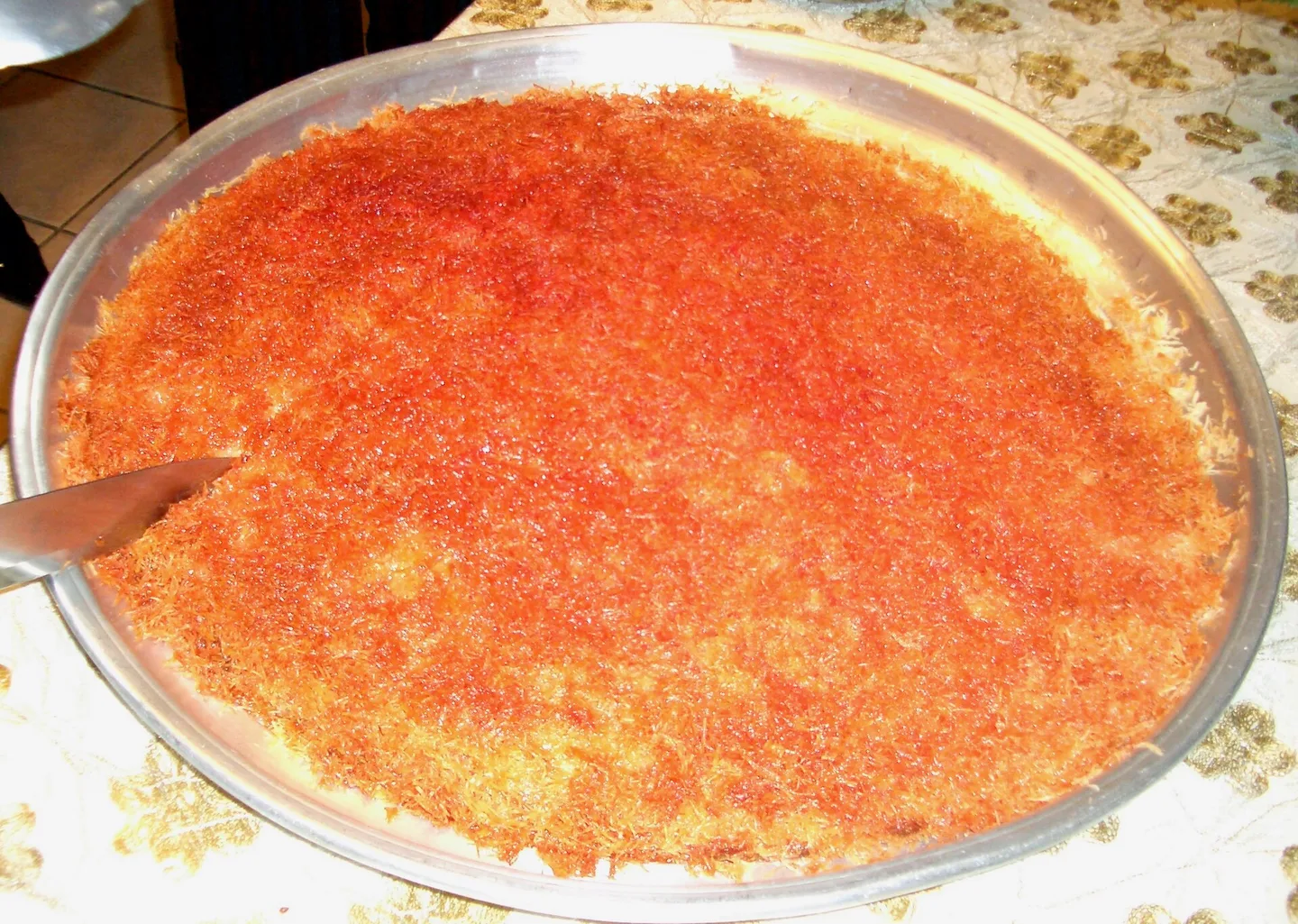
Sweet shops produce bubbling trays of kanafeh, the beloved Levantine dessert crafted from mild, stretchy white cheese beneath golden spun pastry strands. Bakers soak the hot dessert in sweet sugar syrup scented with rosewater and orange blossom before dusting the crust with pistachios. Crispy layered baklava diamonds filled with crushed walnuts and sweet semolina harissa cakes offer alternative treats for those seeking sugary evening indulgences. Sitting at open-air terrace tables allows travellers to share hiking stories while soaking in the cool evening mountain air.
Official prices and opening hours
- Petra Archaeological Park Entry TicketsOfficial site ↗
- Jordan Pass (Includes Petra + 40 Sites)Official site ↗
Where it is
- 1Petra
- Ramon International Airport (ETM) · about 79 km from Petra in a straight line
- Directions in Google Maps
Stations and taxi ranks: OpenStreetMap. Airports: OurAirports. Distances are in a straight line.
Traveller tips
Real advice from people who have been to Petra. Every tip is read by our team before it goes live.
No tips yet. Been here? Yours could be the first.
Thank you! Your tip will appear here after a quick review.
More in Petra
Continue exploring Petra with related neighbourhood, food, and planning guides
Best Time to Visit Petra: Seasonal Weather, Crowds and Flash Floods
Petra, Jordan
What to Wear in Petra: Hiking Footwear, Sun Gear and Dress Codes
Petra, Jordan

Where to Stay in Petra: Lower Wadi Musa vs Hillside Hotels
Petra, Jordan
Three Days in Petra: The Main Canyon, Monastery and Mountain High Places
Petra, Jordan
