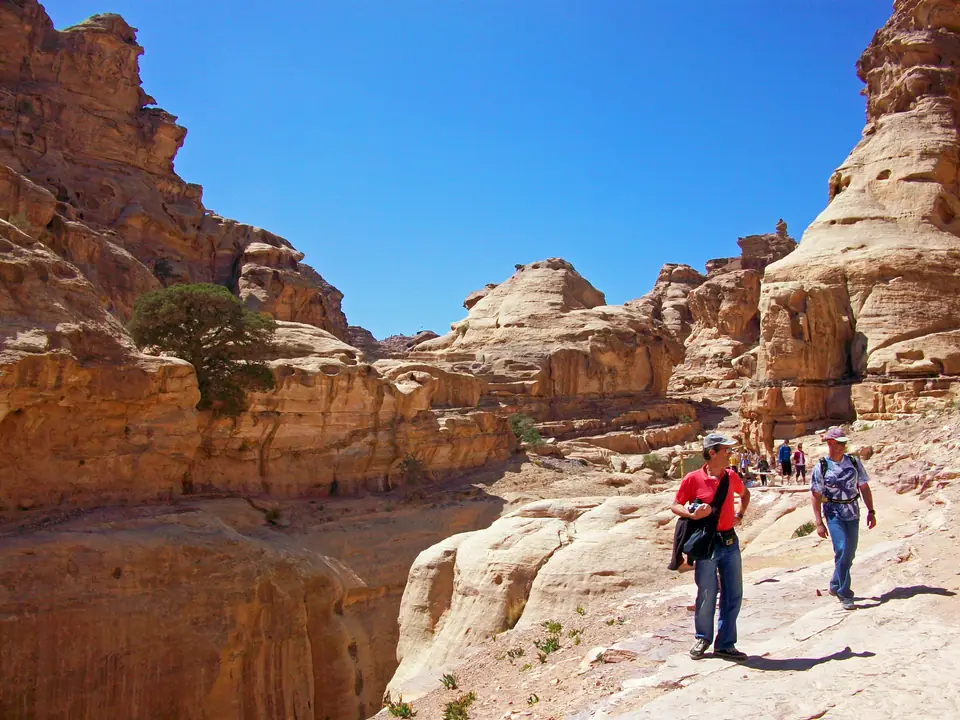
Photo: Daniel Case · CC BY-SA 4.0
What to Wear in Petra: Hiking Footwear, Sun Gear and Dress Codes
Choosing sensible hiking footwear, loose linen layers, and adequate sun protection allows you to navigate the rugged sandstone trails across Petra comfortably.
Preparing your wardrobe for a day on the Nabataean trails requires balancing physical exertion with cultural sensitivity and changing desert weather. Walking through the narrow Siq canyon leads to uneven rock surfaces, polished stones, and fine sandstone dust that quickly coats light fabrics. Choosing the correct clothing prevents friction, protects your skin from intense radiant heat, and keeps you comfortable across long walking distances.
Essential Footwear for Desert Sandstone and Gravel
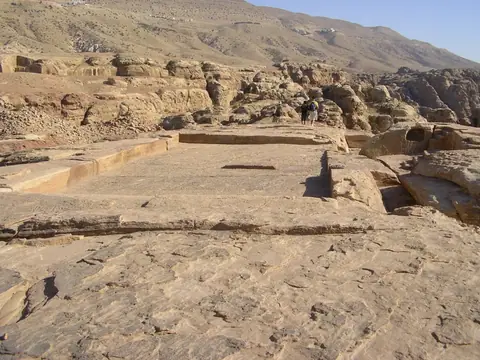
Footwear is the single most critical gear choice you will make before setting out into the archaeological park. The trails combine hard-packed dirt tracks, loose gravel washes, and hundreds of ancient stone staircases carved directly into the bedrock. Lightweight trail running shoes with deep rubber lugs or broken-in low-cut hiking boots offer the grip needed to prevent slips on slick rock. Stiff road running trainers with smooth soles often struggle on the inclined sandstone ascents near the High Place of Sacrifice.
Fine red dust enters open footwear within minutes. This makes standard walking sandals or mesh runners frustrating without protection. Closed-toe shoes paired with merino wool or dense synthetic hiking socks prevent blisters caused by sand grinding against sweaty skin. Many walkers also carry a spare pair of socks to change into during a midday rest. This gives damp feet a clean start before afternoon ascents. Avoid brand-new boots, because rubbing against stiff leather during steep canyon climbs will spoil your walk quickly.
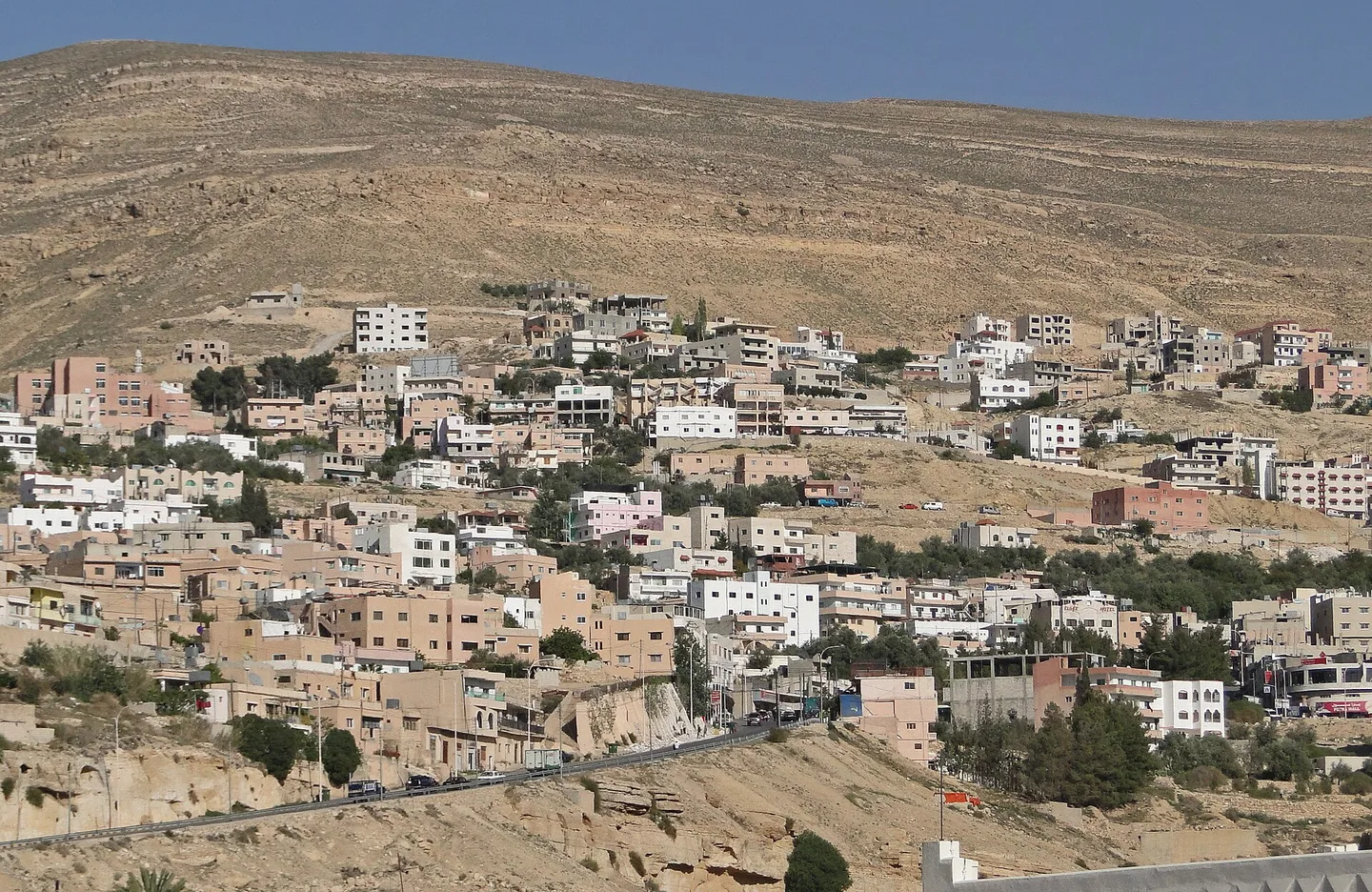
Sandals without secure heel straps and flip-flops should never be worn beyond the paved hotel terraces in the valley. If you prefer hiking sandals, choose closed models with durable toe bumpers and robust sole treads designed specifically for desert terrain. Regional coach connections and desert highway routes land near steep Wadi Musa streets where luggage rollers meet rough paving.
Breathable Fabrics and Cultural Dress Codes
Jordan is a welcoming country with conservative community standards, especially outside luxury beach resorts and hotel swimming pools. While foreign travellers are not expected to cover their heads, covering your shoulders, upper arms, and knees shows respect to local residents and heritage wardens. Loose garments made from natural linen, lightweight cotton, or technical wicking fabrics keep air moving across your body while guarding your skin.
Long linen trousers, lightweight trekking pants with zip pockets, or airy midi skirts made of opaque cloth work wonderfully for long desert walking days. Tight synthetic leggings can trap heat against your legs during the midday hours, making natural woven fabrics far more pleasant. Long-sleeved linen shirts or loose cotton overshirts protect your forearms from harsh reflection off the surrounding cliffs without causing you to overheat.
| Clothing Item | Recommended Material | Practical Field Purpose |
|---|---|---|
| Walking Trousers | Lightweight ripstop nylon or linen | Shields legs from sharp scrub, hot sun, and stone scrapes |
| Trail Shirt | Woven cotton, linen, or wicking polyester | Covers shoulders respectfully while allowing gentle desert breeze |
| Hiking Socks | Merino wool blend or cushioned synthetic | Cushions heels on rock steps and stops grit abrasion |
| Light Windbreaker | Packable nylon or fleece layer | Blocks cool canyon drafts during early morning starts |
Sleeveless tank tops, low-cut singlets, and short running shorts feel out of place among local Bedouin hosts and offer zero protection against sunburn. Modest clothing choices also save your skin from rough rock surfaces when brushing past narrow sandstone ledges on crowded upper paths.
Desert Sun Protection and Essential Daily Accessories
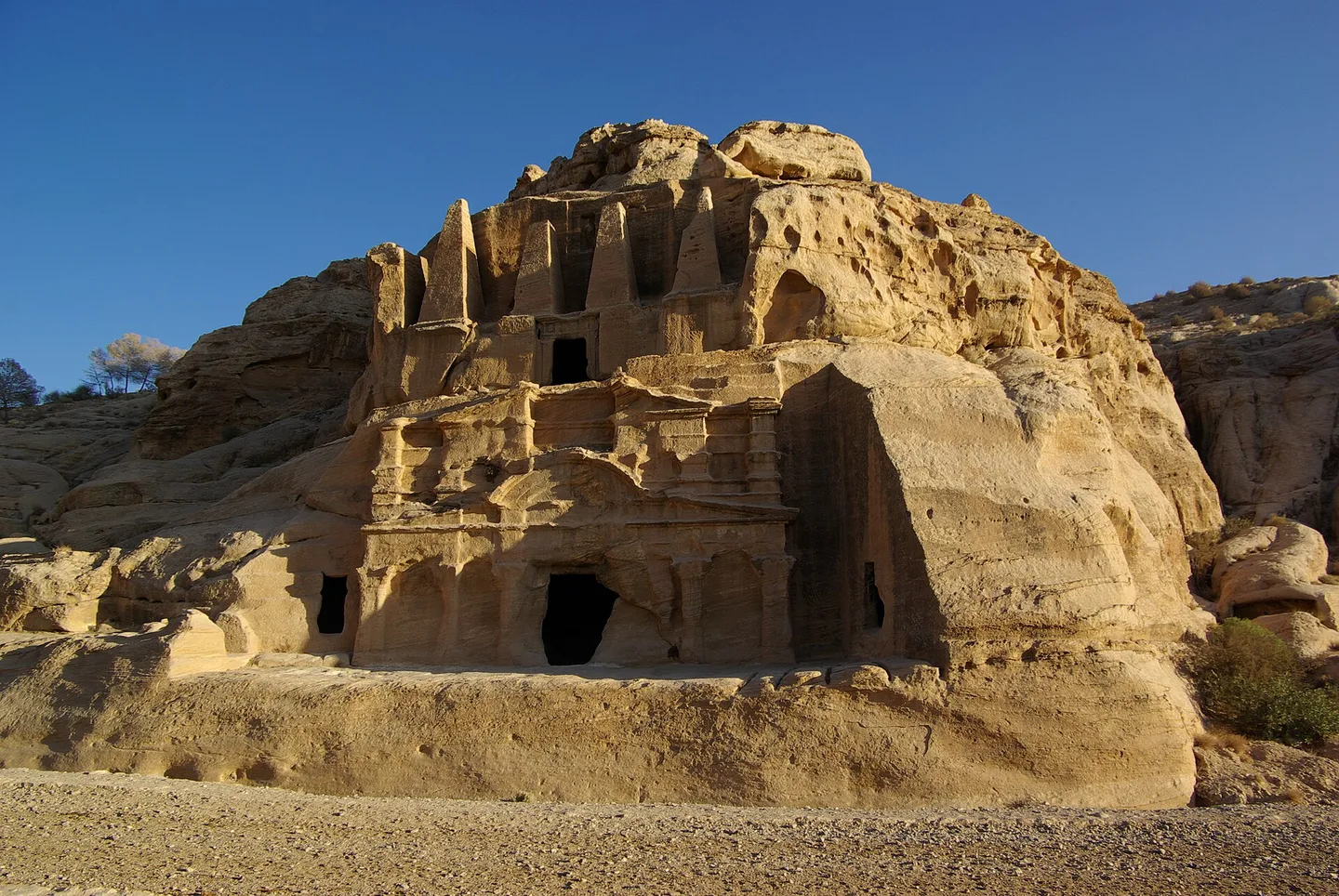
The desert sun reflects powerfully off bare rock faces, creating bright glare throughout the open central basin of the ancient city. A broad-brimmed sun hat with a secure chin cord remains vital, as gusty canyon winds can easily whisk loose headwear over steep cliffs. Polarised sunglasses cut down the blinding midday reflection, helping you pick out uneven footholds along the rough stony trails.
Carrying a traditional cotton keffiyeh or lightweight scarf offers versatile protection across changing weather conditions throughout your hike. Wrapping the scarf around your neck shields sensitive skin from burning, while pulling it over your mouth blocks blowing grit during afternoon gusts. A compact backpack with padded shoulder straps should hold drinking water, high-energy snacks, a tube of high-protection sunscreen, and your basic personal first-aid kit.
Hands-free hydration systems such as reservoir bladders fit neatly into small daypacks, allowing you to sip water steadily without pausing on steep stairways. Seasonal temperature swings covered under optimal visiting months in southern Jordan help match daily water volume to summer glare or crisp winter mornings.
Layering for Dramatic Temperature Swings
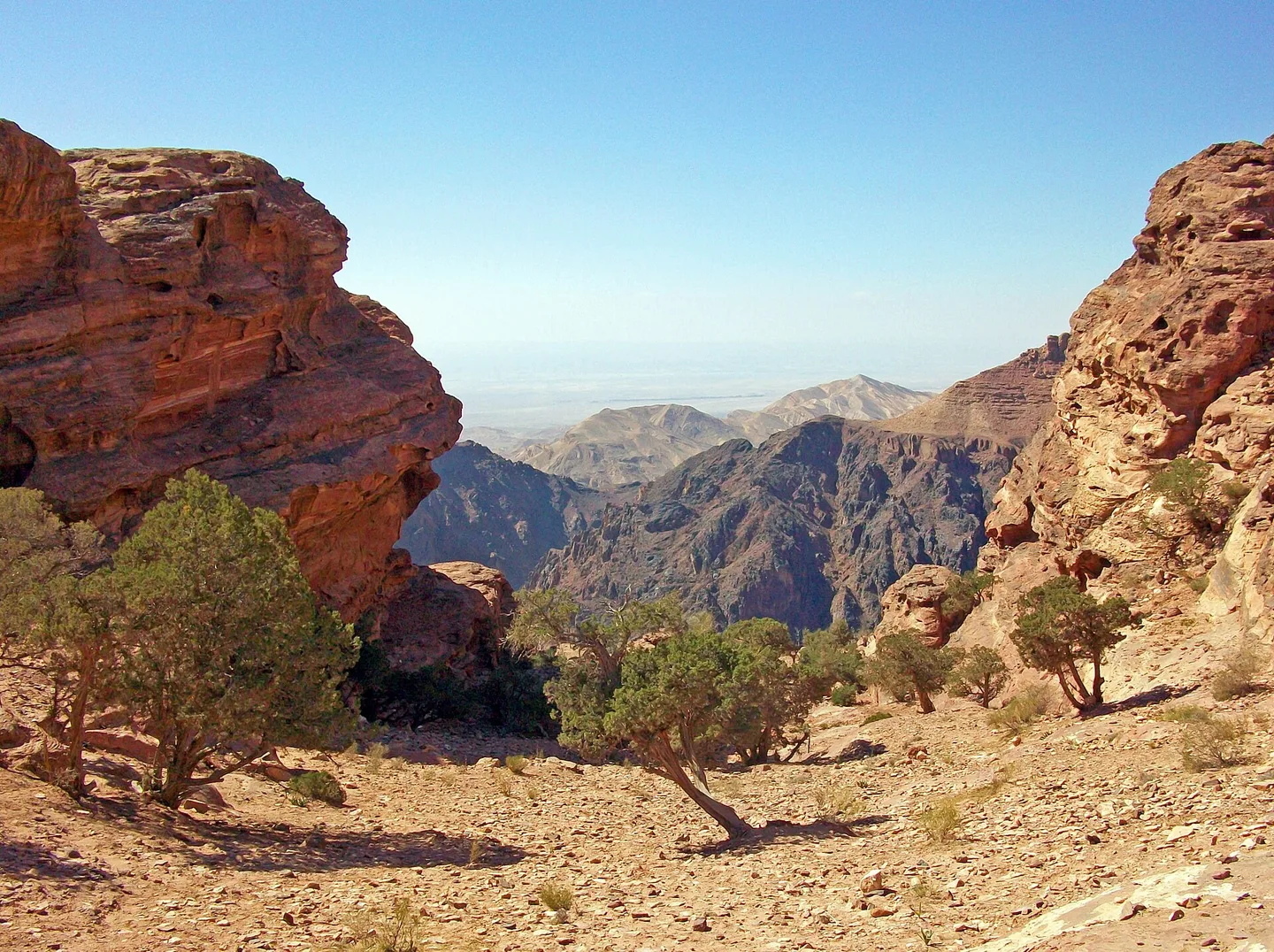
Desert environments experience rapid temperature changes between dawn, noon, and nightfall, especially within deep shadowy gorges like the Siq. Early morning departures often begin in crisp, brisk air that feels surprisingly chilly before the sun crests the towering eastern crags. Wearing thin, adaptable layers allows you to adjust your clothing continuously as physical exertion and ambient temperatures increase.
Start your morning with a breathable base layer beneath a lightweight fleece pullover or compact packable windbreaker jacket. As you climb out of the shaded gorges into open plateaus, you can easily strip off top layers and stow them inside your daypack. When dusk arrives, temperatures drop rapidly across the sandstone hills, making a warm outer layer essential for your walk back to the gate.
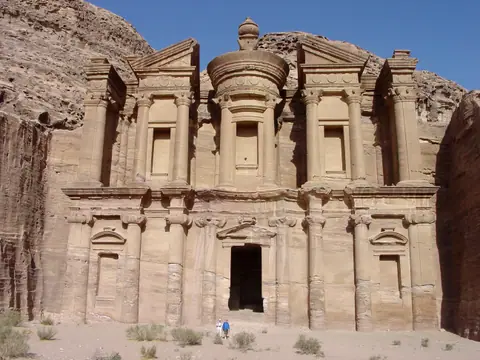
During winter trips, pack thermal base layers, a warm woollen beanie, and a water-resistant shell jacket to handle occasional cold downpours. Sturdy windbreakers protect against chilling gusts on the high ridges near the Monastery, where exposed viewpoints catch strong desert airflows. Dressing in thoughtful layers keeps you comfortable and focused on the ancient architecture from sunrise to sunset.
Packing Checklist for Multi-Day Explorations
Exploring Petra across multiple days requires careful packing so you have fresh, dry gear ready for each morning. Sandstone grit wears down fabric fibres quickly, so washing socks and undergarments each evening keeps your skin free from abrasive grit. Carrying a lightweight laundry cord or choosing fast-drying synthetic garments allows you to rinse essentials in your hotel basin before dinner.
Trekking poles with rubber tips provide valuable support across steep descents and irregular rock staircases carved into the cliffs. Bare metal pole tips can scratch ancient stone surfaces and slip dangerously on smooth, sun-polished rock faces. Using soft rubber ferrules cushions each step, reduces strain on knees during long climbs, and complies with site conservation guidelines.
A compact dry bag or sealed zip pouch protects sensitive electronics, mobile phones, and cameras from airborne dust. Sudden canyon breezes frequently whip up fine sand clouds near the Street of Facades and along the wider desert riverbeds. Keeping your camera equipment zipped inside protective pouches when walking prevents fine quartz grit from jamming mechanical dials and lenses.
Weather by month
Petra is warmest in August, with average highs around 31°C, and coldest in January, when nights drop to about 4°C. January is the wettest month by rainfall (45 mm), with rain on about 8 days. For mild weather with fewer rainy days, aim for May and October.
| Month | Low | Range | High | Rain | Rainy days |
|---|---|---|---|---|---|
| Jan | 4°C | 11°C | 45 mm | 8 d | |
| Feb | 5°C | 13°C | 43 mm | 7 d | |
| Mar | 8°C | 17°C | 29 mm | 5 d | |
| Apr | 12°C | 22°C | 11 mm | 3 d | |
| May | 16°C | 26°C | 6 mm | 1 d | |
| Jun | 18°C | 29°C | 0 mm | 0 d | |
| Jul | 20°C | 31°C | 0 mm | 0 d | |
| Aug | 21°C | 31°C | 1 mm | 0 d | |
| Sep | 19°C | 29°C | 1 mm | 0 d | |
| Oct | 15°C | 24°C | 8 mm | 2 d | |
| Nov | 11°C | 18°C | 19 mm | 4 d | |
| Dec | 6°C | 14°C | 23 mm | 5 d |
Averages of daily values from 2015 to 2024. Rainy days are days with at least 1 mm of rain. Source: Open-Meteo · Compare destinations by month.
Official prices and opening hours
- Petra Archaeological Park Entry TicketsOfficial site ↗
- Jordan Pass (Includes Petra + 40 Sites)Official site ↗
Where it is
- 1Petra
- Ramon International Airport (ETM) · about 79 km from Petra in a straight line
- Directions in Google Maps
Stations and taxi ranks: OpenStreetMap. Airports: OurAirports. Distances are in a straight line.
Traveller tips
Real advice from people who have been to Petra. Every tip is read by our team before it goes live.
No tips yet. Been here? Yours could be the first.
Thank you! Your tip will appear here after a quick review.
More in Petra
Continue exploring Petra with related neighbourhood, food, and planning guides