



Bali Travel Guide: What to Know Before You Go
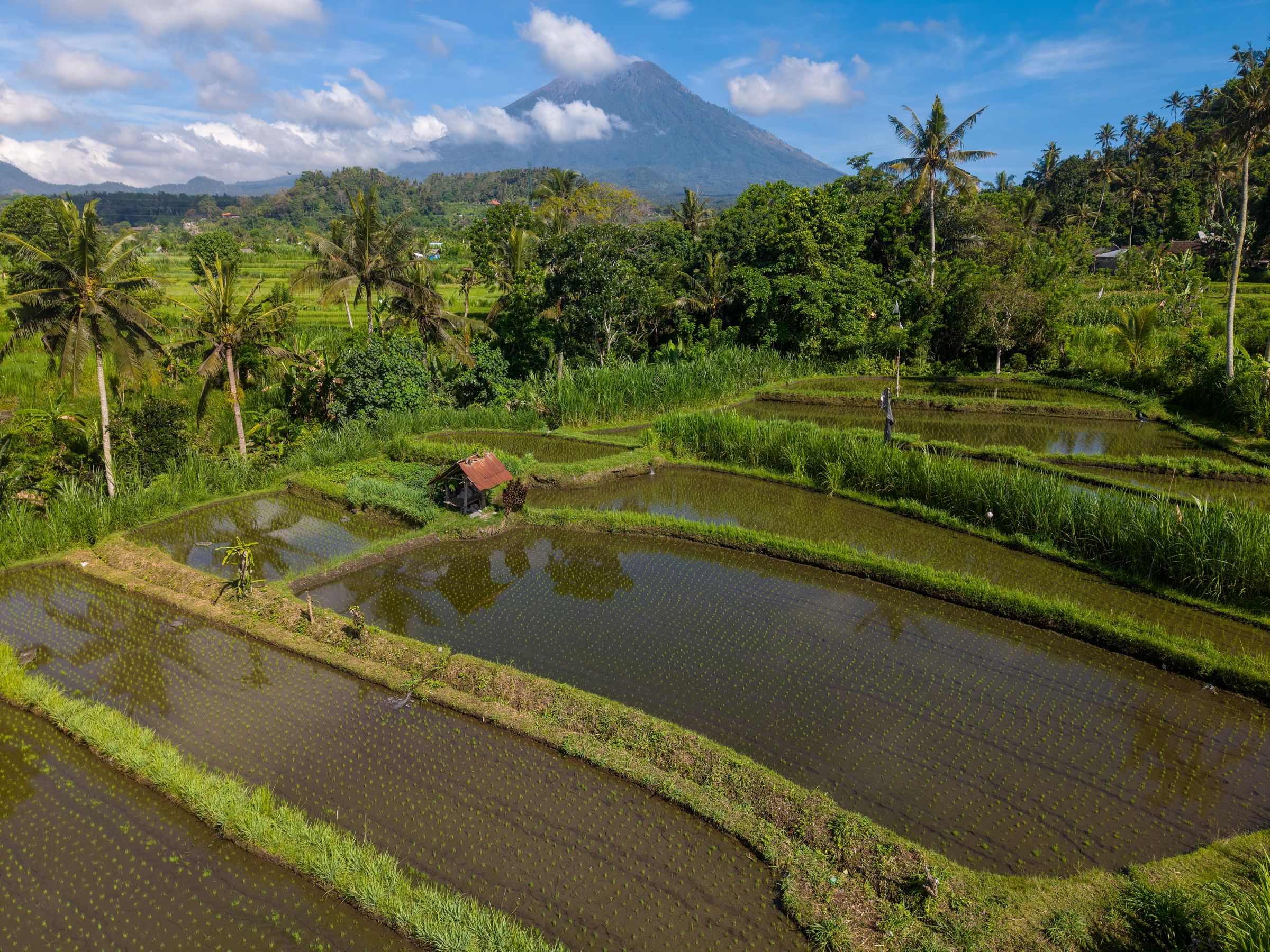
Bali is bigger and more varied than its reputation as a single beach destination suggests — mountain temples, rice terrace villages, and surf towns are all part of the same island but feel worlds apart.
How the island is laid out
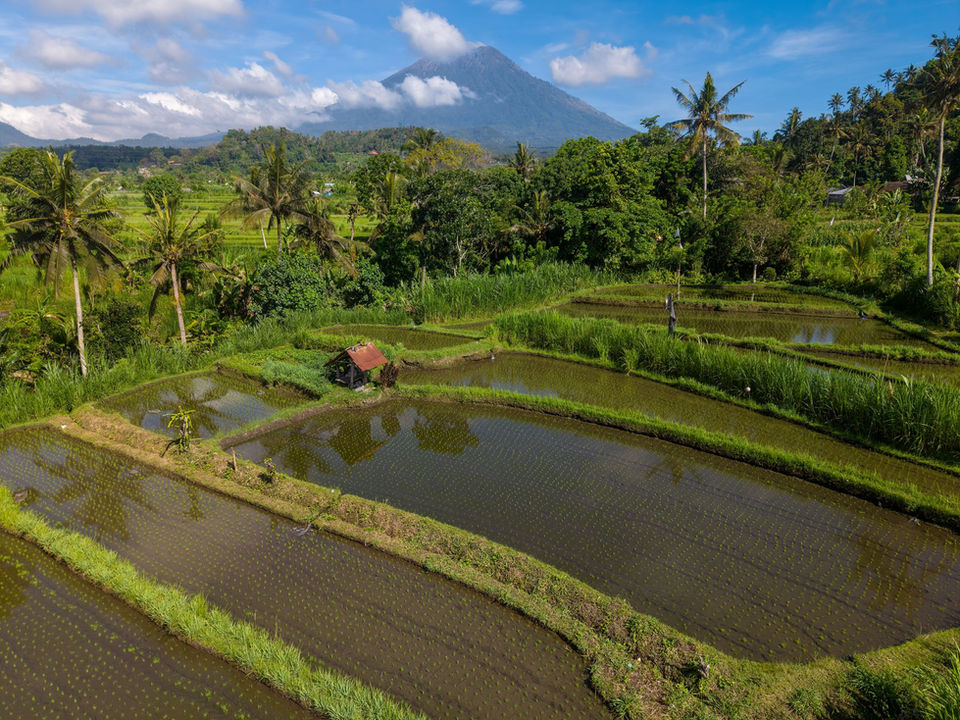
Ubud sits inland, known for rice terraces and culture. The southern coast — Seminyak, Canggu, Uluwatu — holds the beaches and nightlife. The east and north are quieter, less developed, and further from the airport.
Is Bali walkable?
Within a single town, often yes. Between regions, no — traffic and distance mean hiring a driver or car is close to essential.
Booking ahead
Popular beach clubs and well-known restaurants in Canggu and Seminyak can require reservations in peak season.
How much does a trip to Bali cost?
Bali runs affordable by international standards outside luxury resorts, with food, transport, and mid-range accommodation all reasonably priced. Since February 2024, all international visitors also pay a one-time Bali Tourist Levy of IDR 150,000 (roughly $10), payable online before arrival.
Language
Bahasa Indonesia is the national language, though English is widely spoken in tourist areas across Ubud, Seminyak, and Canggu — less so in more remote villages.
Connectivity
Bali runs on 230V with a European-style two-pin plug, and tap water is not safe to drink — bottled or filtered water is standard practice island-wide.
Currency and payments
Indonesia uses the rupiah, and while cards work in most hotels and larger restaurants, cash remains essential for local warungs, markets, and smaller transactions across the island.
SIM cards
Local prepaid SIMs, widely available at the airport and phone shops, offer inexpensive data — a practical option given how much navigating between regions relies on maps and messaging apps.
Time zone
Bali follows Central Indonesian Time, and given its proximity to the equator, daylight hours stay relatively consistent year-round unlike destinations further from the equator.
Tipping norms
Tipping isn't deeply embedded in local culture but is increasingly appreciated in tourist-facing businesses — rounding up or leaving a small amount for good service is common practice.
Health precautions
Tap water isn't safe to drink, and standard travel precautions around street food (choosing busy, high-turnover stalls) apply as they would elsewhere in Southeast Asia.
None of this needs rigid planning — Bali rewards slowing down as much as it rewards seeing specific sights, and a schedule with genuine breathing room tends to leave a better impression than a packed one.
Emergency contacts
The general emergency number in Indonesia is 112, and most tourist areas have private clinics accustomed to treating international visitors for common travel ailments.