Photo: seisdeagosto · CC BY-SA 2.0
Bucharest
Romania's capital blends wide Belle Époque boulevards, monumental administrative architecture, leafy urban parks, and rich culinary traditions across distinct walkable districts.
Quick decisions
How many days?
Three full days cover the central administrative landmarks, major national museums, and tranquil public gardens without unnecessary rushing.
Where should I stay?
Choose boutique lodgings near Calea Victoriei or leafy residential streets near Piața Romană for quiet nights and direct underground connections.
Do I need a car?
Avoid driving inside the city centre entirely. Traffic congestion is heavy and parking remains scarce across historic avenues.
Best for
Independent travellers who appreciate grand neoclassical facades, complex twentieth-century political history, extensive parklands, and hearty regional cuisine.
Before you go
Carry small banknotes for market stalls, pack comfortable footwear for uneven pavements, and reserve museum entries in advance.
Getting around
Use the efficient underground network alongside contactless surface trams to bypass urban road delays during morning and evening rush hours.
Continue your trip
Board direct domestic trains heading north into Transylvania or towards the Black Sea coast to expand your Romanian travel circuit.
Overview
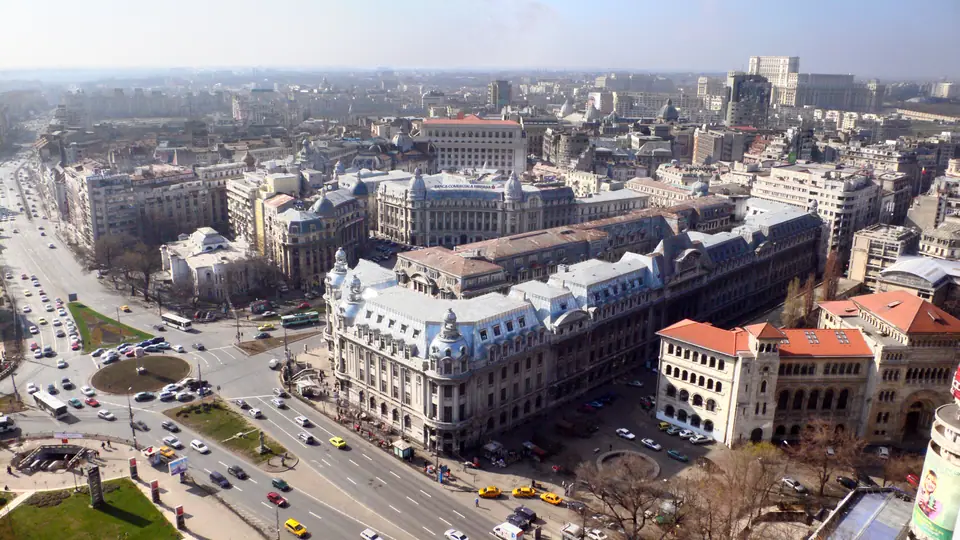
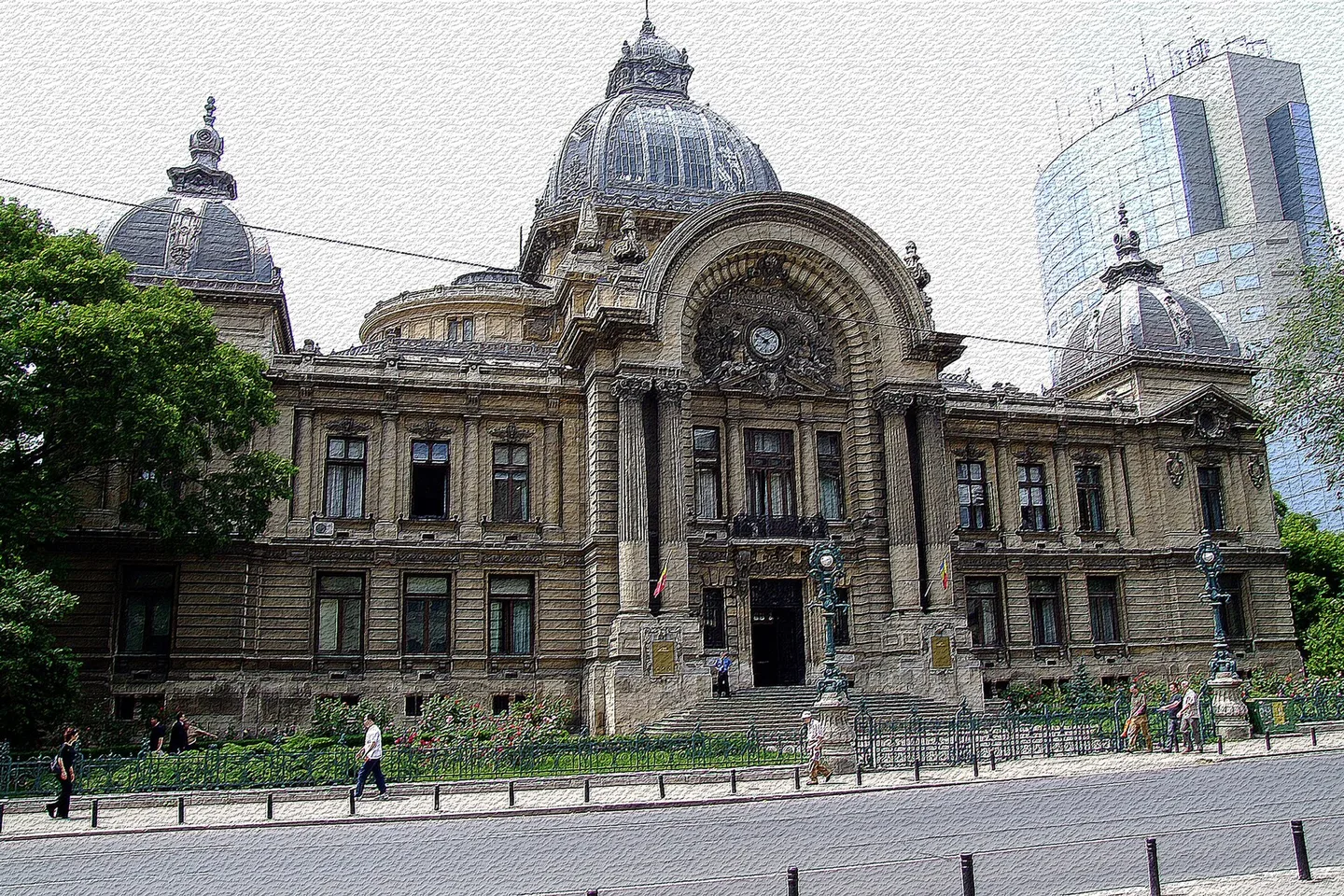
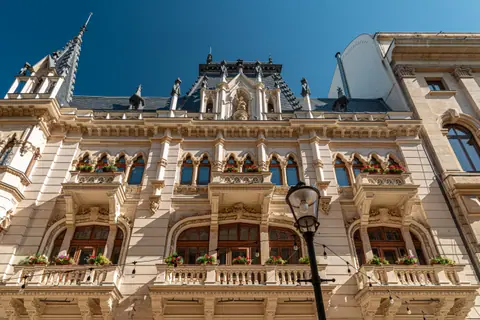
Bucharest presents a striking urban landscape where grand French-inspired boulevards meet imposing twentieth-century civic structures and quiet residential enclaves. Centred along the north-south axis of Calea Victoriei, the city invites visitors to explore intimate orthodox chapels tucked behind modern office blocks and neoclassical palaces. Broad public parks frame natural lakes, offering open green spaces that counterbalance dense road networks and lively pedestrian zones.
Open-Meteo climate records indicate that summer afternoons bring average highs between 28°C in June and 30°C in July and August, alongside nighttime lows around 14°C to 15°C. Winter temperatures drop significantly, with January recording highs of 3°C and lows of -5°C, while February records highs of 6°C and lows of -4°C. Monthly wet days range between 7 days in September and 12 days in June, while rainfall reaches 79 mm in June and drops to 33 mm in January and February.
Spring and early autumn offer temperate conditions for walking tours between University Square, historic public gardens, and northern cultural institutions. May averages pleasant daytime highs of 24°C with overnight lows of 10°C, while September maintains average daytime highs of 25°C and lows of 11°C. Pairing courtyard walks through central Bucharest with quieter backstreet detours reveals peaceful cafés, independent galleries, and varied architectural layers.
Getting there
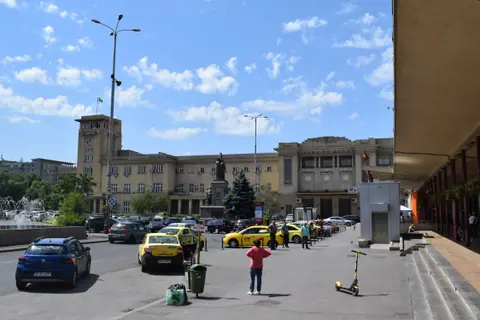
Henri Coandă International Airport connects the capital to numerous European hubs, with direct commuter trains running between the arrival terminal and Gara de Nord. From the central railway terminus, intercity rail links connect travellers cleanly to major provincial towns. Taxis and registered rideshare cars operate from official ranks outside airport gates, providing reliable transfers into central neighbourhoods.
Inside the municipal perimeter, the underground system offers the fastest journeys between northern residential quarters and southern commercial hubs. Surface trams and electric trolleybuses accept contactless payment cards on board, giving convenient local transit across areas untouched by the underground lines. Walking remains straightforward along main avenues, though travellers should watch for irregular curbs on smaller side lanes.
Where to stay
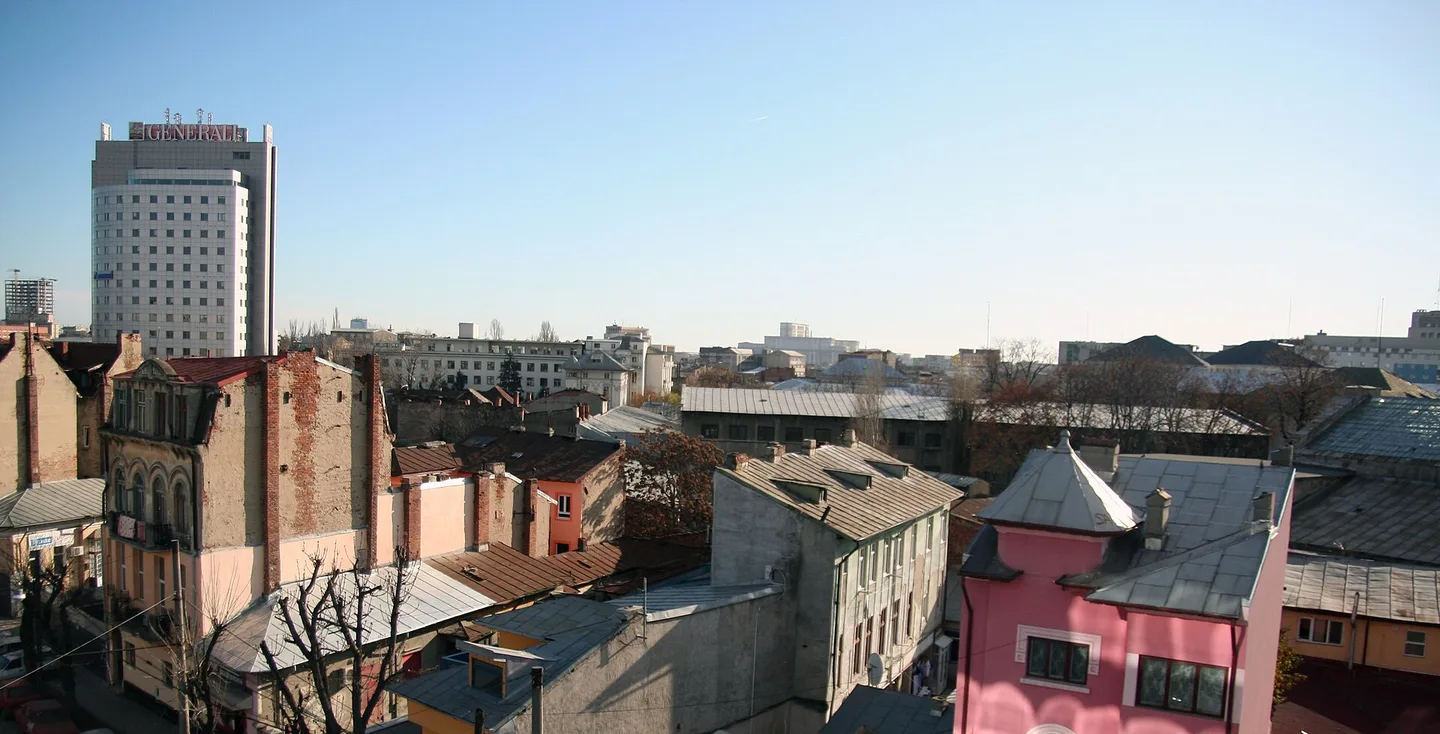
Selecting the right neighbourhood shapes your daily rhythm across Bucharest. The avenues bordering Calea Victoriei place visitors within short strolls of major galleries, concert halls, and historic coffee houses. Vehicle traffic can create early morning noise along primary frontages, so choosing a hotel situated two streets back provides tranquil evenings while maintaining effortless access to central transit hubs.
Leafy northern districts around Dorobanți and Floreasca offer peaceful residential surroundings, stylish independent bistros, and easy walks into expansive lakeside parks. Budget travellers often prefer the lively streets surrounding University Square, where direct underground links offer swift connections across the entire metropolis. Avoid staying directly adjacent to major arterial roundabouts if you prefer undisturbed rest at night.
Things to do
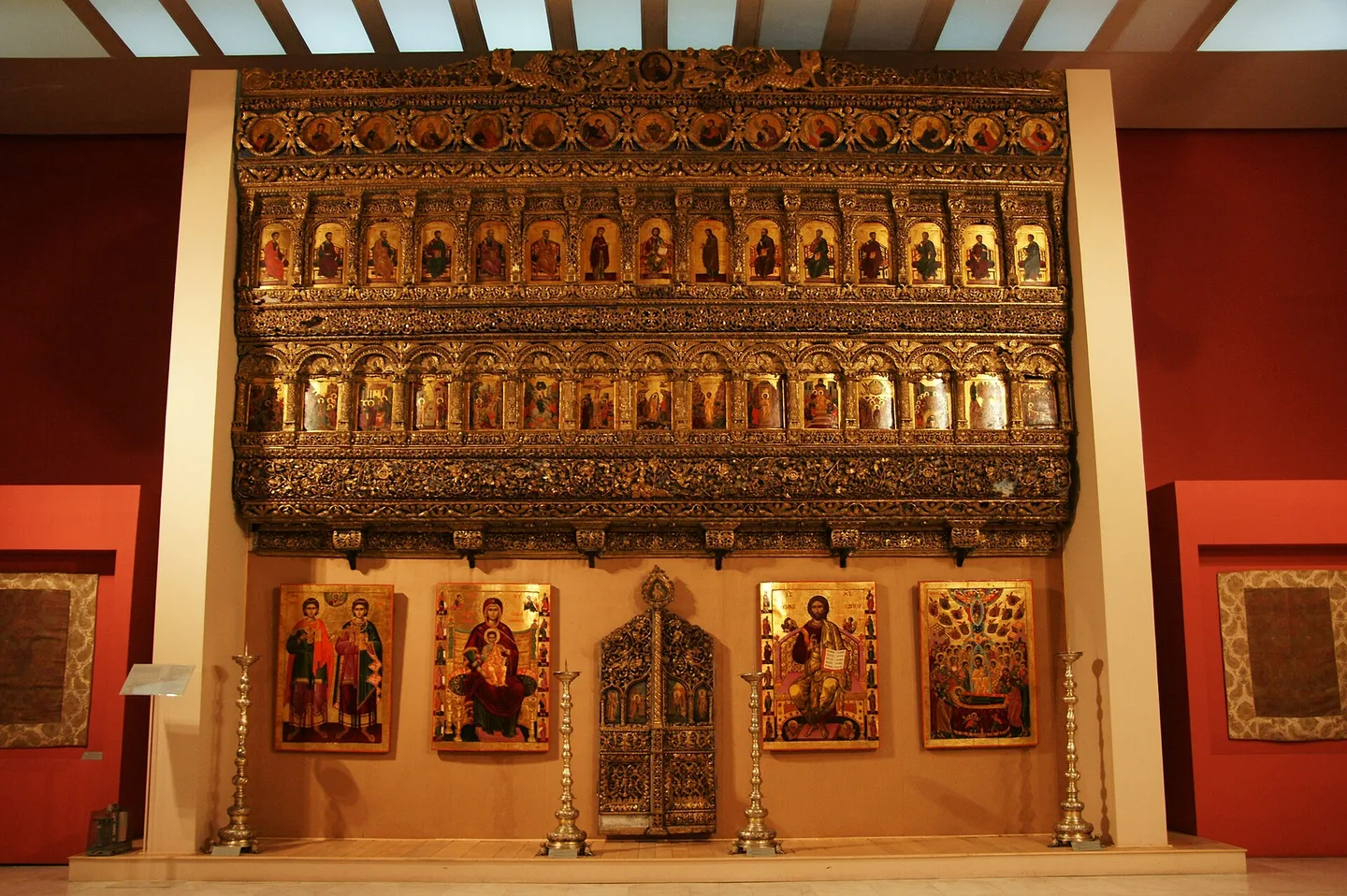
The monumental Palace of the Parliament anchors the administrative district, offering guided interior tours through massive marble halls and reception galleries. North along the historic avenue, the Romanian Athenaeum showcases exquisite fresco cycles beneath its domed concert hall, celebrated for exceptional acoustics. Across the street, the National Museum of Art occupies the former Royal Palace, housing extensive collections of medieval icons and modern European painting.
Further north, the open-air Dimitrie Gusti National Village Museum spreads historic wooden peasant homes, wind mills, and carved churches across lakeside meadows inside Herăstrău Park. Strolling past these authentic rural structures offers deep insight into traditional provincial craft before you unwind in neighbouring rose gardens. Travellers planning their cultural itinerary can explore curated sightseeing options in Bucharest to organise early morning visits to expansive outdoor grounds.
Food and drink
Romanian dining highlights slow-cooked meats, seasonal root vegetables, and rich Wallachian dairy traditions. Traditional taverns serve sarmale, tender pork mince wrapped in fermented cabbage leaves, accompanied by steaming mămăligă and sour cream. Grilled minced meat rolls known as mici arrive hot alongside spicy mustard and fresh sourdough bread at local neighbourhood markets.
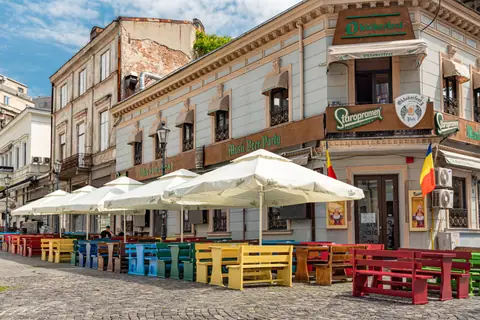
Centuries-old beer halls near the old quarter serve regional draft beers and hearty stews in carved timber dining rooms. Finish your midday meal with warm papanași, fried cottage cheese doughnuts topped with sour blueberry preserve and clotted cream. Local bakeries on every street corner sell savoury cheese pastries that make satisfying bites between museum visits.
Culture
Bucharest locals value courteous greetings upon entering small shops, family bakeries, and neighbourhood bookshops. When visiting working orthodox churches, dress respectfully with covered shoulders and refrain from speaking loudly during liturgical services. Tipping around ten percent for attentive restaurant service remains customary across sit-down dining rooms and café terraces throughout the capital.
Major public museums and municipal galleries enforce strict entry guidelines, and certain government sites require valid government identification for admission. Keep your passport or national identity card safe during day excursions. By respecting local civic conventions and pacing your itinerary across different quarters, you will discover an engaging metropolis rich in hospitality and cultural depth.
Official prices and opening hours
- Palace of the Parliament (Palatul Parlamentului)Official site ↗
- Dimitrie Gusti National Village Museum (Herăstrău Park)Official site ↗
Weather by month
Bucharest is warmest in July, with average highs around 30°C, and coldest in January, when nights drop to about -5°C. June is the wettest month by rainfall (79 mm), with rain on about 12 days. For mild weather with fewer rainy days, aim for September and October.
| Month | Low | Range | High | Rain | Rainy days |
|---|---|---|---|---|---|
| Jan | -5°C | 3°C | 33 mm | 9 d | |
| Feb | -4°C | 6°C | 33 mm | 8 d | |
| Mar | 0°C | 11°C | 39 mm | 10 d | |
| Apr | 5°C | 18°C | 49 mm | 10 d | |
| May | 10°C | 24°C | 56 mm | 11 d | |
| Jun | 14°C | 28°C | 79 mm | 12 d | |
| Jul | 15°C | 30°C | 64 mm | 10 d | |
| Aug | 15°C | 30°C | 51 mm | 8 d | |
| Sep | 11°C | 25°C | 53 mm | 7 d | |
| Oct | 5°C | 18°C | 47 mm | 8 d | |
| Nov | 1°C | 10°C | 43 mm | 9 d | |
| Dec | -3°C | 4°C | 44 mm | 10 d |
Averages of daily values from 2015 to 2024. Rainy days are days with at least 1 mm of rain. Source: Open-Meteo · Compare destinations by month.
Bucharest on the map
Every place we cover in Bucharest. Tap a category or pin to explore.
In-depth Bucharest guides
Browse the guides grouped by topic: sights, neighbourhoods, food, transport, day trips and trip planning.
Sights, Landmarks & Parks
Key monuments, viewpoints, museums and nature trails.
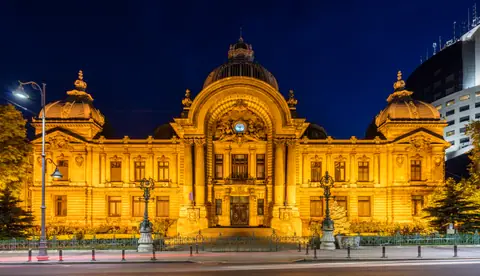 Things to Do in Bucharest: Museums, Grand Boulevards and ParksBucharest rewards walkers with tree-lined boulevards, monumental administrative architecture, tranquil gardens, and open-air village dwellings set around northern lakes.
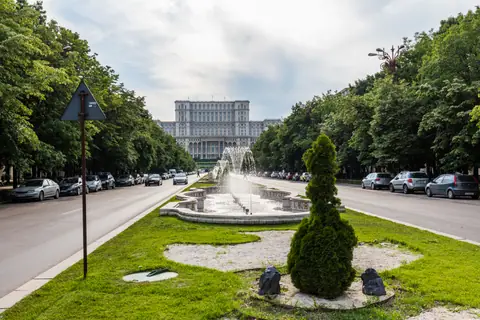 Palace of the Parliament: Scale, Architecture and Booking RulesBucharest holds one of the heaviest administrative buildings on Earth, demanding advance tour arrangements, identity screening, and thorough urban walking plans.
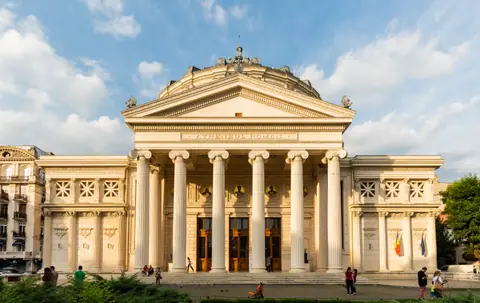 Lipscani and the Romanian Athenaeum: Historic Walking RouteCobblestone passages, Brâncovenesc church courtyards, and grand neoclassical monuments line the historic route along Calea Victoriei.
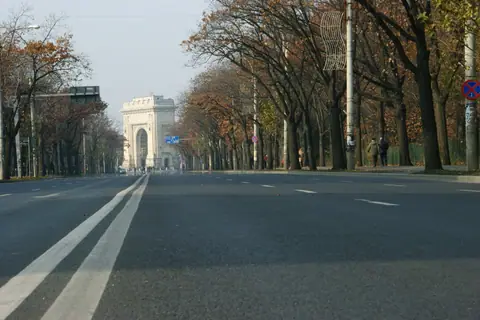 Arcul de Triumf, Village Museum and Northern ParksWe explore northern Bucharest along leafy boulevards, taking in grand monuments, open-air folk architecture, and expansive parkland waters.
Neighbourhoods & Where to Stay
Districts, historic quarters and the best bases for your stay.
Food & Drink
Local dishes, markets, cafés and dining districts.
Getting Around & Arrival
Airport transfers, public transit, passes and driving rules.
Day Trips & Excursions
Easy half-day and full-day trips from the city.
Trip Planning & Itineraries
When to visit, what to pack and day-by-day routes.
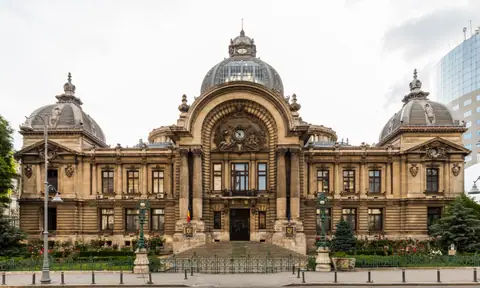 Bucharest: Palaces, Concrete and Hidden CourtyardsQuiet monastery courtyards, neoclassical avenues, and vast public squares shape journeys across the Romanian capital.
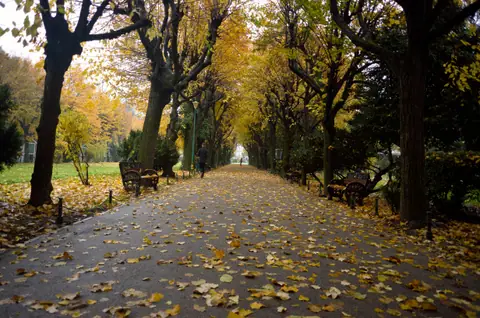 Bucharest Across the Seasons: Planning for Heat, Frost and Autumn LightTiming your journey to the Romanian capital shapes whether you navigate shaded boulevards or empty frozen civic squares.
Need your embassy or consulate in Romania? See embassies and consulates in Romania.
Reviews
Log in to write a review.
No reviews yet.