Photo: Jorge Franganillo · CC BY 2.0
What to Eat in Bucharest: Mititei, Ciorbă and Historic Halls
Bucharest serves hearty Romanian culinary traditions, combining slow-simmered sour soups, grilled seasoned meats, and wood-panelled nineteenth-century beer halls across its central quarters.
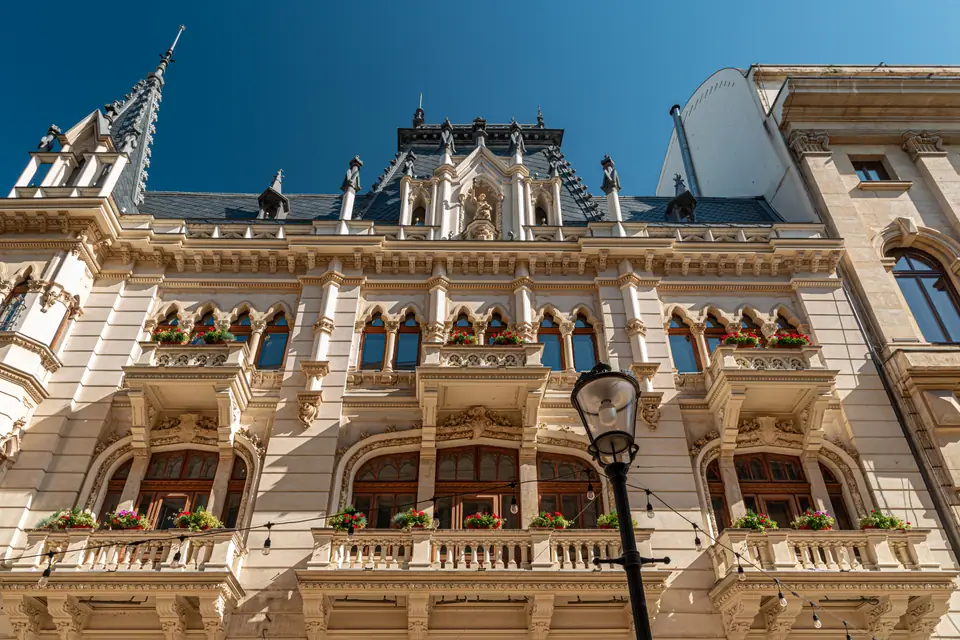
Bucharest preserves a rich culinary identity shaped by rural farming traditions and nineteenth-century merchant culture. The dining rooms of the historic core display vaulted ceilings, painted murals, and carved timber balustrades that evoke early industrial prosperity. Visitors walking along cobbled alleys encounter aromas of roast garlic, dried thyme, and wood smoke drifting from cellar kitchens. Meals along the cobblestone lanes pair naturally with central Bucharest walking circuits that ground each afternoon in authentic regional cooking.
Historic Beer Halls and Heritage Dining Rooms
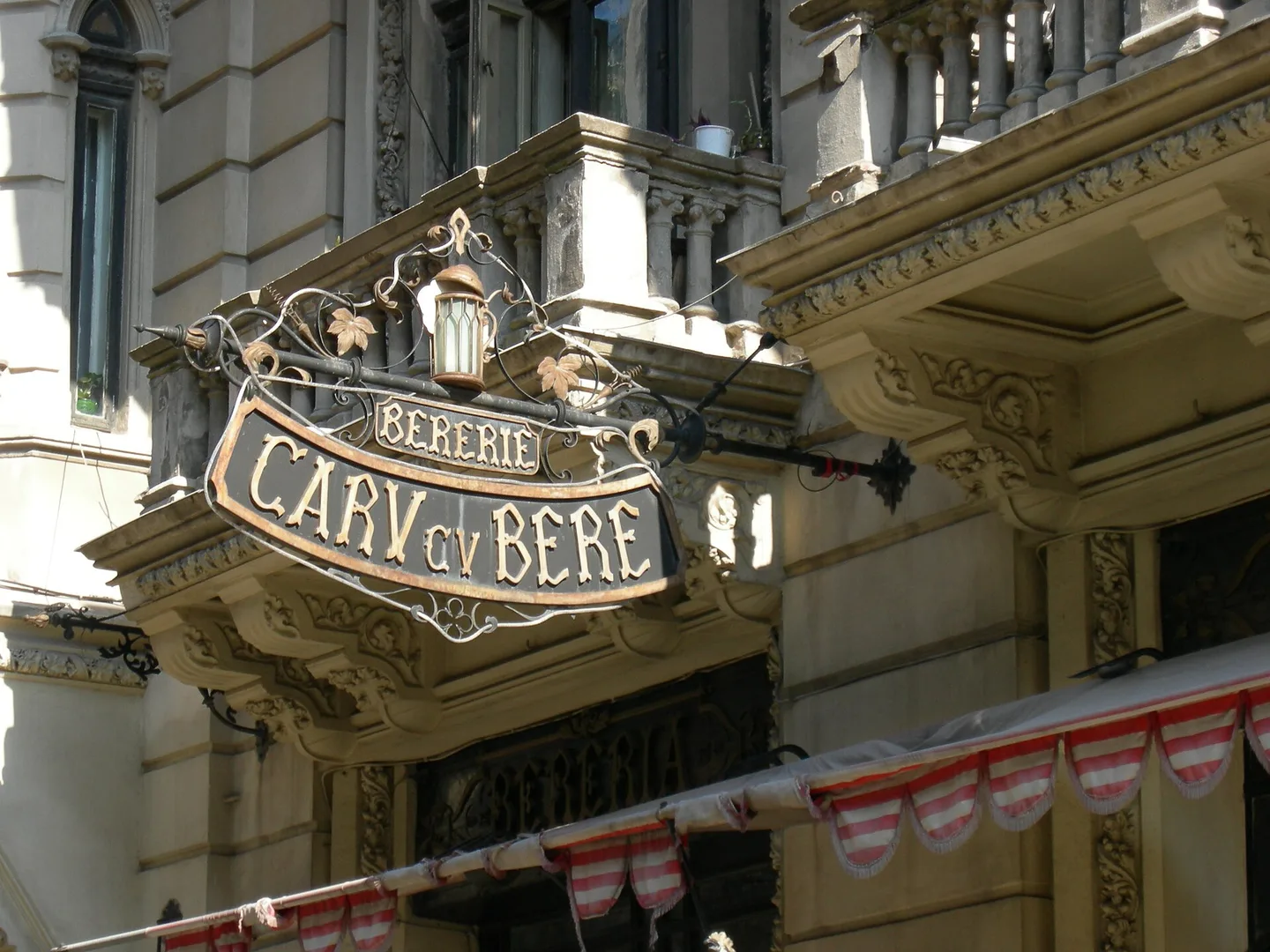
Grand dining establishments in the old merchant quarter began as meeting points for regional traders and local writers. Lofty halls feature stained glass windows, wrought iron lamps, and galleries where waiters carry heavy trays of draft beer and roast meats. Wooden panelling absorbs the lively chatter of evening crowds gathered over platters of pickled vegetables and cured pork crackling. These venues operate continuously throughout the afternoon, allowing travellers to dine between museum stops without rigid schedules.
Dining in these historic halls introduces visitors to traditional table service where bread baskets arrive with whole cloves of raw garlic and hot pickled peppers. Musicians often play acoustic folklore tunes in the corners, adding warmth to the cavernous brick vaults. Booking a table in advance helps avoid queues during autumn and winter evenings when indoor dining rooms fill rapidly with local families.
Long menus in the central quarter also reflect influences from Balkan trade routes and Austrian cafe traditions. Soups arrive in wide ceramic bowls, accompanied by pots of sour cream and warm loaves baked on stone hearths. Taking time over a two-course midday meal offers welcome rest during an intensive day on foot.
Pork Specialities, Cabbage Rolls, and Polenta
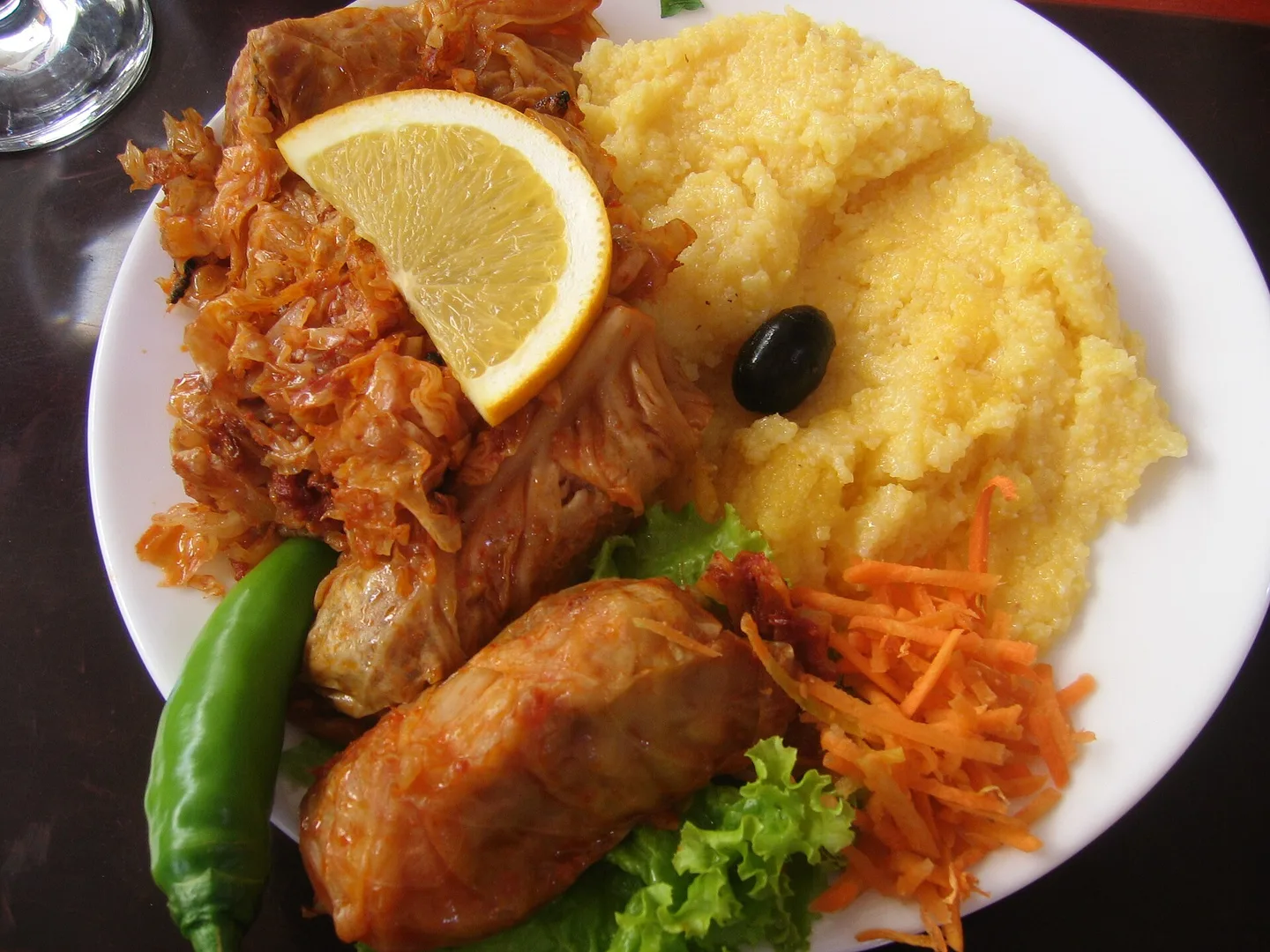
Pork stands at the absolute centre of the traditional Romanian table, appearing in smoked sausages, slow-braised ribs, and rich oven bakes. The defining national dish remains sarmale, tender minced meat blended with rice, onions, and herbs, wrapped in fermented cabbage leaves. Cooks simmer these parcels for hours in earthenware pots layered with smoked bacon and tomato puree. The result is a savoury, tangy main course that anchors festive gatherings and Sunday family lunches.
Every plate of cabbage rolls arrives alongside steaming mămăligă, a dense yellow maize porridge prepared in cast-iron pots. Chefs often enrich the cornmeal with salty sheep milk cheese and thick sour cream, creating a comforting counterpoint to spiced meats. Pairing these plates with a base in walkable central districts gives easy evening access to traditional cellars serving authentic rural recipes.
Beyond cabbage rolls, tavern kitchens roast pork knuckles until the skin turns brittle and golden, serving the meat over braised sauerkraut. Game meats and beef stews cooked with sweet paprika also feature prominently during chilly winter months. The balance of fermented greens, rich animal fats, and mild maize porridge defines the core structure of Romanian comfort cooking.
Sour Broths and Market Grills
Romanian lunches traditionally begin with ciorbă, a category of sour soups soured with fermented wheat bran or vinegar. The most famous variation, ciorbă de burtă, features strips of tender beef tripe simmered in a rich garlic broth enriched with egg yolks and sour cream. Diners adjust the acidity at the table using pickled hot peppers and spoonfuls of sharp garlic sauce.
| Dish Name | Primary Base | Traditional Accompaniment | Flavour Profile |
|---|---|---|---|
| Sarmale | Minced pork and pickled cabbage | Mămăligă and sour cream | Tangy, savoury, and herbal |
| Ciorbă de Burtă | Beef tripe, garlic, and cream | Pickled hot peppers | Rich, garlicky, and sour |
| Mititei | Grilled minced beef, pork, and spices | Crusty bread and mustard | Smoky, peppery, and juicy |
| Papanași | Fried sweet cottage cheese dough | Sour cream and blueberry jam | Crisp, tart, and sweet |
For a casual outdoor meal, travellers head to neighbourhood market stalls for mititei, skinless grilled meat sausages. Cooks blend minced beef, pork, and lamb with sodium bicarbonate, garlic, caraway seeds, and bone broth before chilling the mixture. Gracing charcoal grills across the city, the rolls develop a deep crust while remaining exceptionally juicy inside.
- Order mititei by the piece at casual outdoor grill counters.
- Eat the grilled sausages hot using a wooden toothpick dipped in sharp yellow mustard.
- Pair the meat with a fresh crusty white bread roll to catch flavourful juices.
- Sample bean soup with smoked ham hock served inside a hollowed round bread loaf.
Street Bakeries and Classic Desserts
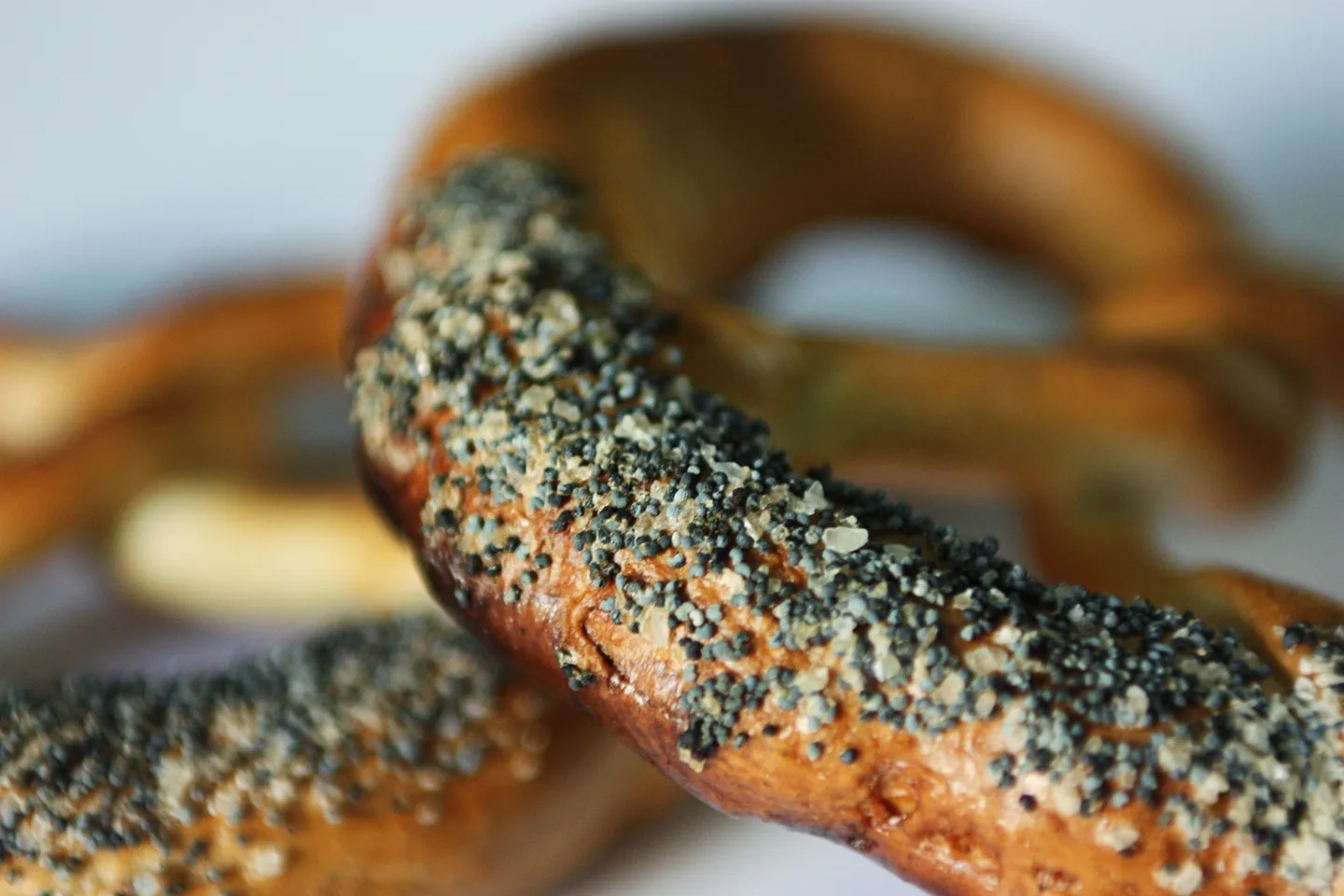
Quick nourishment in Bucharest centres on street-corner bakery windows known as simigerii, which fill early morning air with aromas of toasted sesame. Commuters queue on pavements for hot covrigi, braided bread rings boiled briefly before baking in high-heat ovens. Bakers coat the chewy dough in coarse salt, poppy seeds, or sesame seeds, offering a warm and portable breakfast for active walkers.
Dessert menus across the capital celebrate papanași, substantial fried pastries made from sweet cottage cheese dough. The chef shapes the mixture into a plump sphere topped with a small dough ball, frying the pastry until crisp outside. Ladles of chilled sour cream and dark blueberry or sour cherry preserve cascade over the hot dumpling, creating a balanced contrast of temperatures and textures.
Pastry shops also display flaky strudels filled with sweet spiced apples, walnuts, or salted cheese curds. Sipping strong black coffee alongside a warm pastry provides an unhurried window into daily neighbourhood routines. Exploring these pastry counters completes a satisfying overview of Romanian dining traditions across the capital.
Official prices and opening hours
- Palace of the Parliament (Palatul Parlamentului)Official site ↗
- Dimitrie Gusti National Village Museum (Herăstrău Park)Official site ↗
Where it is
- 1Bucharest
- Bucharest Henri Coandă International Airport (OTP) · about 16 km from Bucharest in a straight line
- Directions in Google Maps
Stations and taxi ranks: OpenStreetMap. Airports: OurAirports. Distances are in a straight line.
Traveller tips
Real advice from people who have been to Bucharest. Every tip is read by our team before it goes live.
No tips yet. Been here? Yours could be the first.
Thank you! Your tip will appear here after a quick review.
More in Bucharest
Continue exploring Bucharest with related neighbourhood, food, and planning guides
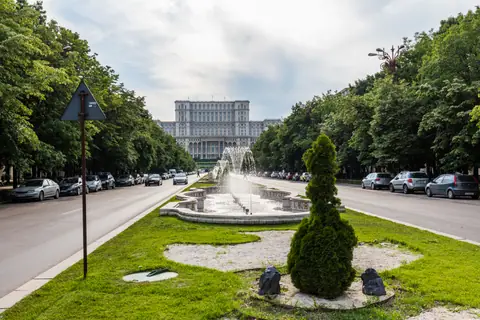
Palace of the Parliament: Scale, Architecture and Booking Rules
Bucharest, Romania
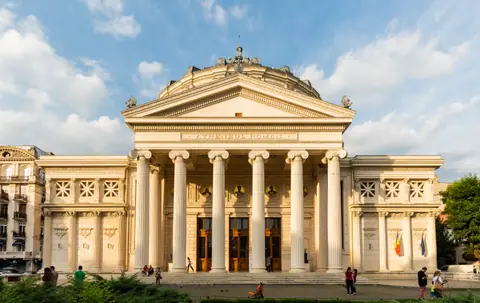
Lipscani and the Romanian Athenaeum: Historic Walking Route
Bucharest, Romania
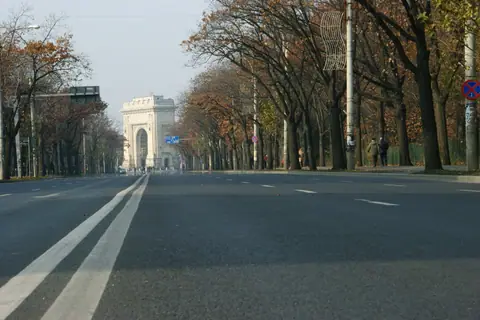
Arcul de Triumf, Village Museum and Northern Parks
Bucharest, Romania
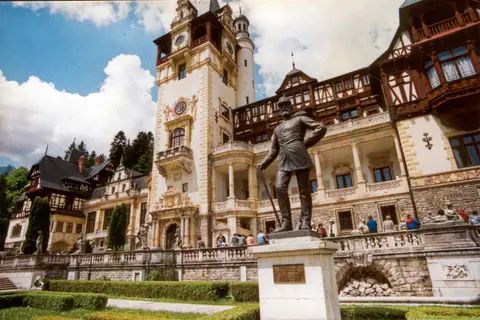
Day Trips to Sinaia, Peleș Castle and Bran from Bucharest
Bucharest, Romania
