Photo: Roberto Fiadone · CC BY-SA 4.0
Palermo Soho, Bosques de Palermo, and MALBA Guide
Plan your route through Palermo in Buenos Aires. Discover the vast Bosques de Palermo, El Rosedal, modern masterworks at MALBA, and the boutiques of Palermo Soho.
Spanning 17.4 square kilometres along the northern riverfront and counting 249,016 residents, Palermo forms an entire administrative district designated as Comuna 14. It is the largest neighbourhood in Buenos Aires. Major transport arteries including Avenida del Libertador, Avenida Santa Fe, Avenida Córdoba, and Avenida Juan B. Justo partition this vast urban sector into distinct quarters. The northeastern boundary holds approximately 400 hectares of landscaped municipal greenery and cultural institutions. In contrast, the southwestern interior transitions into low-rise residential grids filled with independent design studios, craft workshops, and open-air cafes.
For travellers mapping out routes from our general Buenos Aires Travel Guide, Palermo requires a dedicated strategy. The scale of the district makes unguided wandering impractical across a single morning. By grouping visits between the parklands of Palermo Chico and the pedestrian blocks of Palermo Soho, visitors experience both the aristocratic public architecture of the 19th century and contemporary Argentine creative enterprise.
Parque Tres de Febrero and the Rose Gardens of El Rosedal
The green spine of the district rests within Parque Tres de Febrero, widely known across the city as the Bosques de Palermo. The park was established on the confiscated riverside estate of 19th-century governor Juan Manuel de Rosas following his political defeat on 3 February 1852. President Domingo Faustino Sarmiento initiated public works on the land in 1874. Military engineer Jordán Czeslaw Wysocki, architect Julio Dormal, and French-Argentine landscape designer Carlos Thays transformed the marshes into grand public promenades.
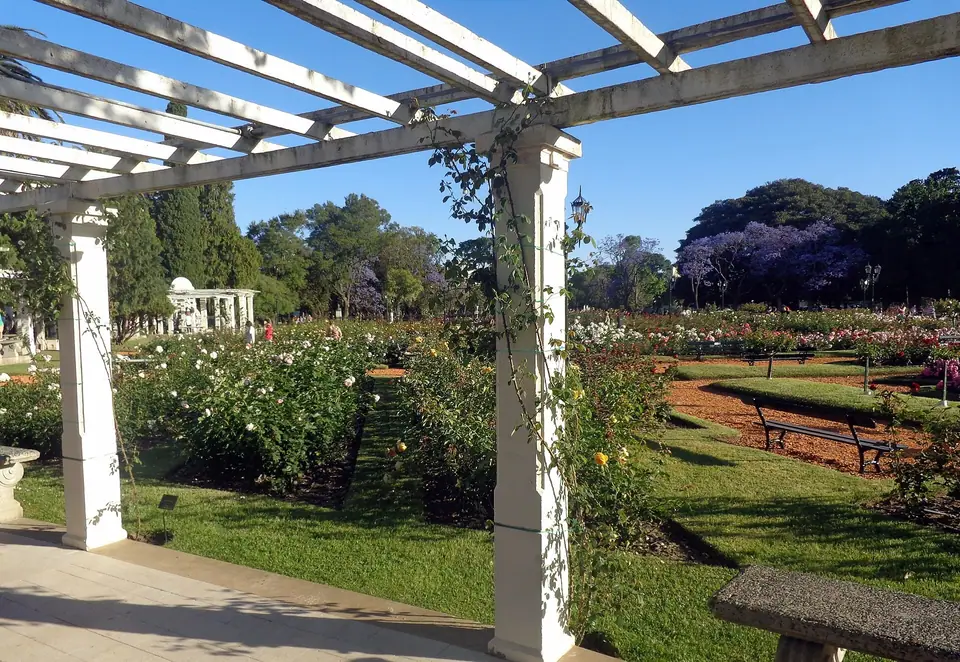
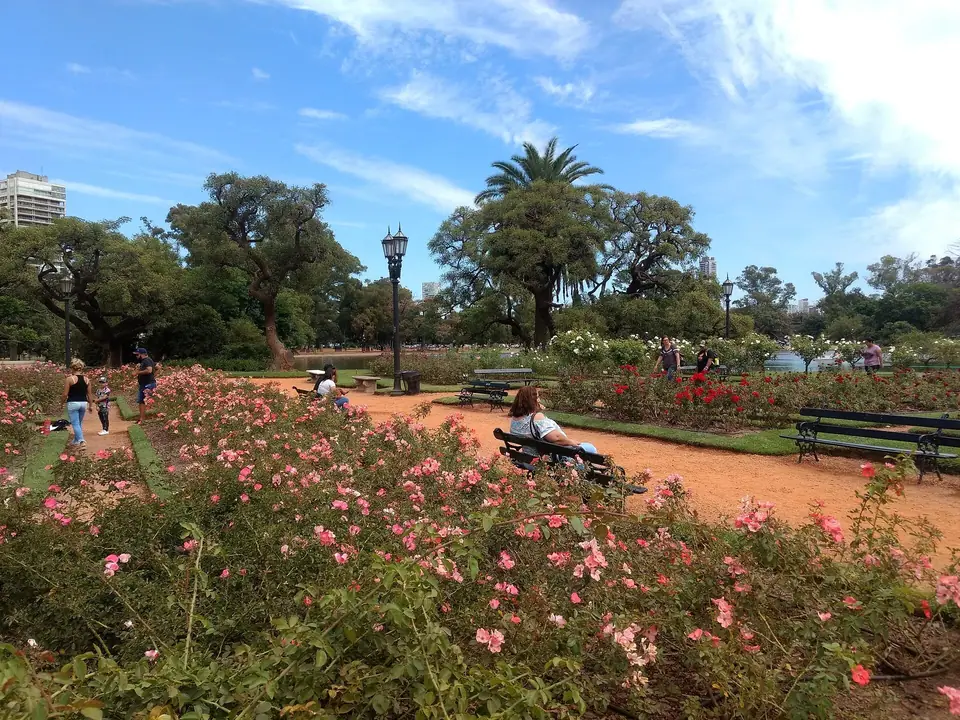
The centerpiece of the grounds is El Rosedal, opened to the public in 1914. This formal rose garden displays more than 18,000 rose bushes arranged in geometric beds surrounding an expansive freshwater boating lake. Visitors cross a white Greek-style bridge to reach an Andalusian tiled patio, which was gifted to Buenos Aires by the city of Seville in 1929. The nearby Poet's Garden displays bronze and stone busts honouring international literary figures. Just south of the lake, the futuristic concrete dome of the 1966 Galileo Galilei Planetarium punctuates the tree line with mid-century civic architecture.
Buenos Aires Japanese Gardens and Regional Flora
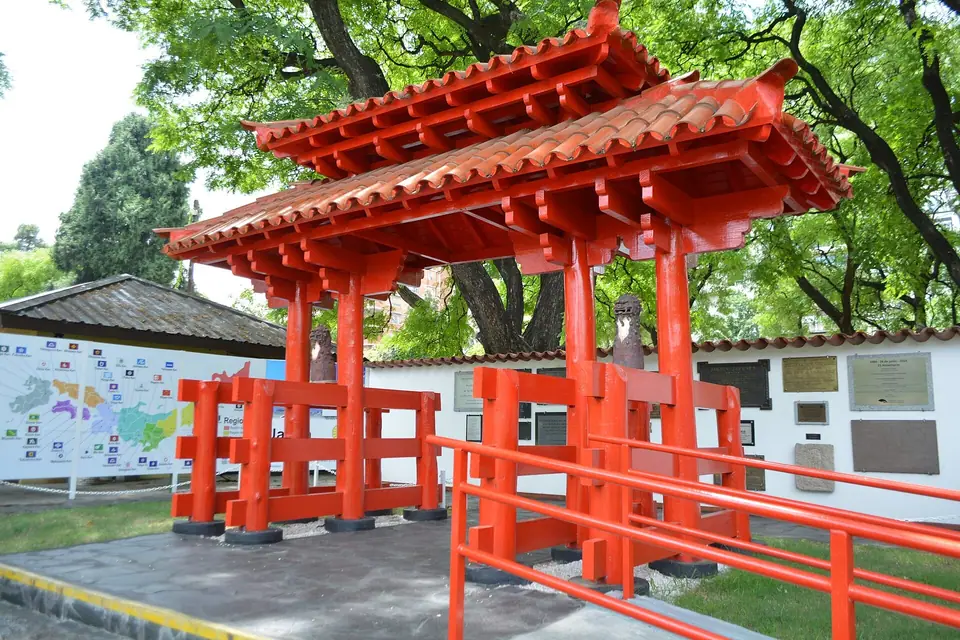
Situated at the northeastern edge of Parque Tres de Febrero near Avenida Figueroa Alcorta and Avenida Casares, the Buenos Aires Japanese Gardens occupy roughly two hectares of carefully curated space. The garden opened in 1967 to commemorate the state visit of Japanese Crown Prince Akihito and Princess Michiko. Maintained by the Japanese Argentine Cultural Foundation, the grounds feature arched scarlet timber bridges, winding stone pathways, weeping willows, and large ponds stocked with ornamental carp.
The parkland belt acts as a natural buffer against urban traffic noise. It serves as an essential stop when planning your outdoor days, particularly when coordinated with broader urban walks featured in our 3 Days in Buenos Aires itinerary. Across the surrounding avenues, native tipa trees and purple jacarandas provide substantial canopy cover. This green corridor offers refreshing shade during warm summer afternoons.
Modern Latin American Masterpieces at MALBA
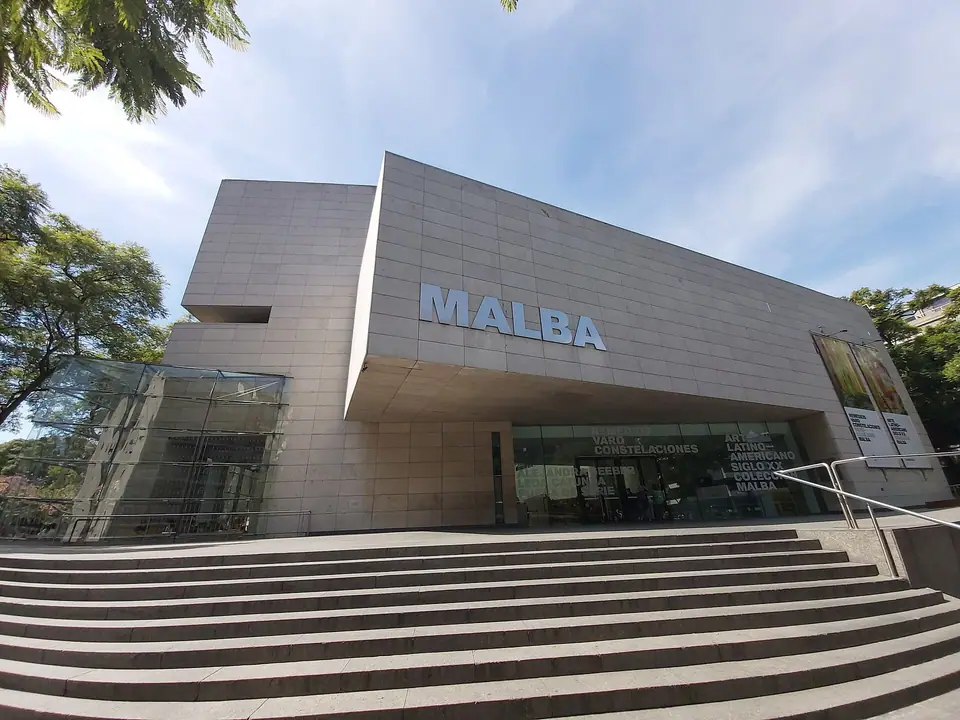
Bordering Palermo Chico along Avenida Figueroa Alcorta stands the Latin American Art Museum of Buenos Aires, universally known as MALBA. The museum was founded by Argentine business leader Eduardo Costantini to house his extensive private collection of 20th and 21st-century regional art. The institution opened its doors on 21 September 2001 inside an angular building surfaced in imported limestone, polished concrete, and plate glass.
The permanent collection features foundational modernist and surrealist creations from across the continent. Key works on display include paintings by Frida Kahlo, Diego Rivera, Tarsila do Amaral, Xul Solar, and Antonio Berni. Rotating temporary exhibitions occupy the upper galleries, highlighting groundbreaking photography, mixed-media installations, and conceptual sculpture. Travellers combining this visit with the classical galleries outlined in our Recoleta Cemetery and Bellas Artes guide will gain an uninterrupted overview of South American visual culture from the colonial era through modern times.
Navigating Palermo Soho and Independent Street Life
Southwest of Avenida Santa Fe, the atmosphere changes completely. Palermo Soho, bounded roughly by Avenida Juan B. Justo, Avenida Córdoba, Avenida Scalabrini Ortiz, and the railway tracks, replaced traditional hardware warehouses and immigrant tenements with an energetic retail district. Centred around Plaza Serrano and Plaza Armenia, tree-shaded cobblestone passages host local fashion ateliers, leather workshops, and specialty coffee houses.
The neighbourhood comes alive in the late afternoon as boutique retailers open their doors and sidewalk seating spills onto the stone pavements. It is one of the most practical sectors for booking accommodation, as detailed in our guide to Where to Stay in Buenos Aires. The surrounding street intersections feature high-calibre murals created by local street artists, reflecting Argentine pop culture, politics, and historical folklore on stucco facades.
Palermo District Highlights and Visiting Logistics
| District Landmark | Primary Feature | Transit and Arrival Access | Ideal Time Allocation |
|---|---|---|---|
| Parque Tres de Febrero | El Rosedal, lakes, and shaded pathways | Subte Line D (Plaza Italia) or train to Tres de Febrero | Two to three hours |
| Japanese Gardens | 1967 cultural pavilion, bridges, and koi ponds | Bus lines along Avenida del Libertador or Avenida Las Heras | One to two hours |
| MALBA | Modernist Latin American painting and sculpture | Bus along Avenida Figueroa Alcorta from Retiro or Recoleta | Two hours |
| Palermo Soho | Independent fashion boutiques and outdoor dining | Subte Line D (Scalabrini Ortiz) or Metrobus Juan B. Justo | Three to four hours |
Seasonal Climate and Planning Considerations
The climate in Buenos Aires shifts noticeably across the seasons, directly affecting outdoor plans in the Bosques. Open-Meteo weather records from 2015 through 2024 reveal that summer conditions peak in January with average daytime highs of 30.1°C and nighttime lows of 20.2°C. High humidity makes midday walks through open rose gardens intense, requiring sun protection and ample hydration. February remains hot with daytime highs averaging 28.9°C across eight wet days.
Autumn brings ideal conditions for walking through Palermo Soho and the Bosques. April records comfortable average highs of 23.2°C and lows of 14.1°C with nine wet days. Winter afternoons in July cool down to average highs of 15.5°C and night lows of 7.5°C across seven rainy days. Spring is particularly striking in November when purple jacaranda blossoms cover the wide avenues, accompanied by daytime averages of 26°C and lows of 16.1°C. Always verify current exhibition programmes and operational entry policies online before arriving at cultural institutions.
Where it is
- 1Palermo Soho, Bosques de Palermo, and MALBA
- Aeroparque Jorge Newbery (AEP) · about 2 km from here in a straight line
- Directions in Google Maps
Stations and taxi ranks: OpenStreetMap. Airports: OurAirports. Distances are in a straight line.
Traveller tips
Real advice from people who have been to Buenos Aires. Every tip is read by our team before it goes live.
No tips yet. Been here? Yours could be the first.
Thank you! Your tip will appear here after a quick review.
More in Buenos Aires
Continue exploring Buenos Aires with related neighbourhood, food, and planning guides