Photo: Brian Barbutti · CC BY-SA 4.0
Where to Stay in Buenos Aires: Neighbourhoods and Hotel Bases
Compare the top neighbourhoods in Buenos Aires for travellers. Discover where to stay across Palermo, Recoleta, San Telmo, and Puerto Madero with Subte links.
Choosing the correct base shapes your entire experience of the Argentine capital. Because the historic core, northern parks, and southern tango quarters stretch across twelve kilometres from north to south, selecting accommodation near a Subte underground station saves hours of urban travel. Staying in a walkable district also keeps evening dining simple and relaxed.
Palermo Soho and Hollywood: Dining and Independent Hotels
Covering 17.4 square kilometres in Comuna 14, Palermo is the largest neighbourhood in Buenos Aires. It is home to roughly 249,000 residents and ranks as the most requested base for independent visitors. The district splits into distinctive sub-quarters, each offering a specific atmosphere for leisure travellers.
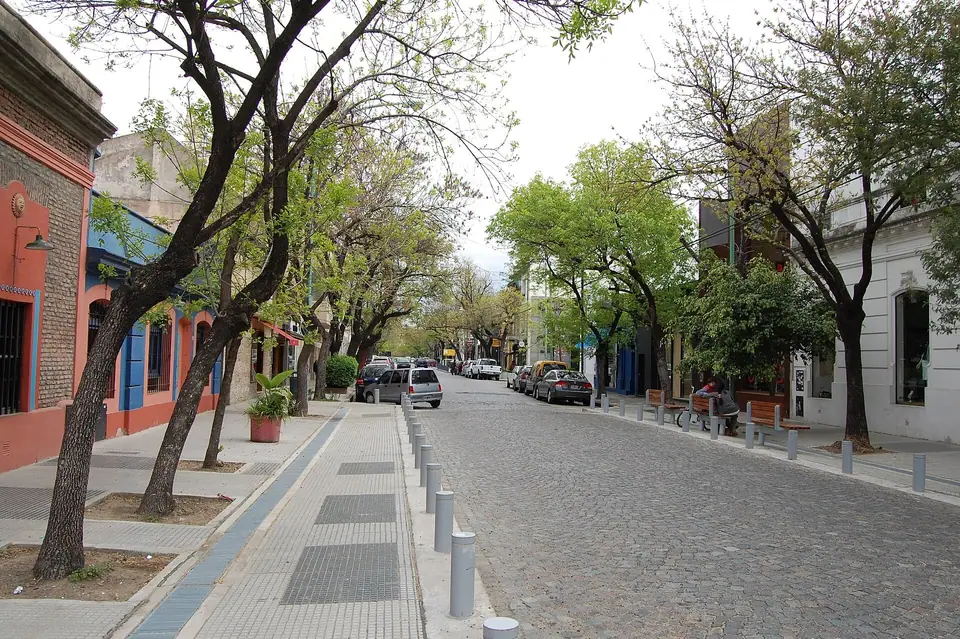
Palermo Soho centres on Plaza Serrano and Plaza Armenia. Low-rise residential blocks feature London plane trees, independent design studios, and specialty coffee spots. Many historic townhouse properties with inner courtyards operate as boutique hotels. Across the railway viaduct on Avenida Juan B. Justo, Palermo Hollywood features quiet residential streets filled with contemporary parrillas and modern cocktail lounges. Visitors staying here can explore green spaces easily through our dedicated guide to Palermo Soho, Bosques de Palermo, and MALBA.
Subte Line D serves the eastern edge of the neighbourhood through Palermo and Ministro Carranza stations. Line D delivers direct transit south towards the central plaza. Walking to the underground line can require fifteen to twenty minutes from the deeper residential streets of Palermo Soho, so travellers should factor in local taxi rides when planning late-night journeys.
Recoleta: Classical Mansions and Museum Proximity
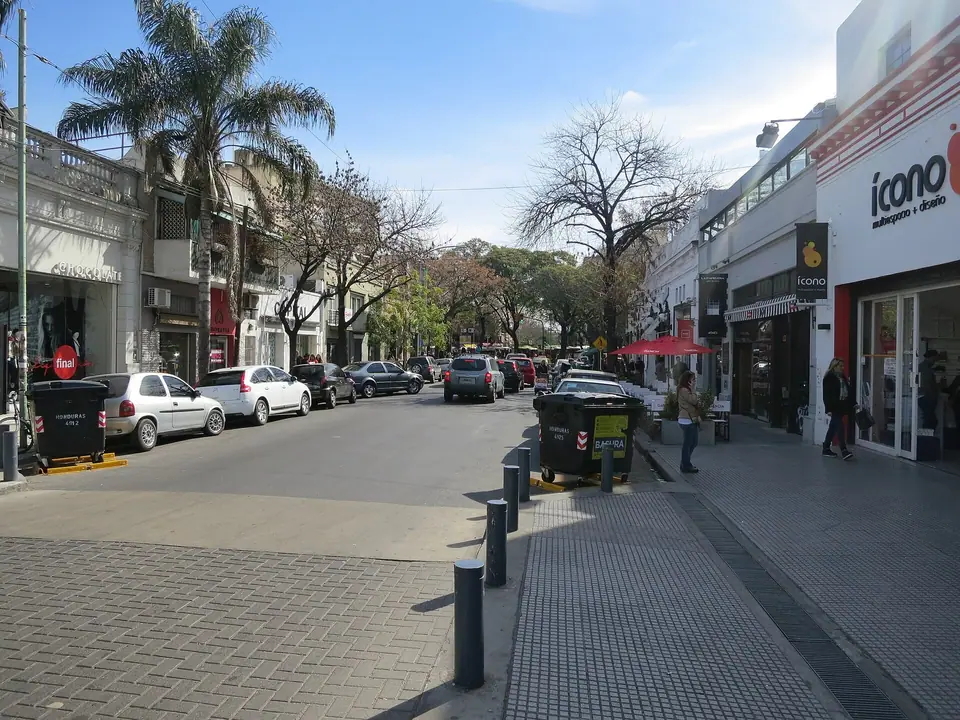
Positioned south of Palermo and north of the city centre, Recoleta delivers an entirely different architectural character. Broad avenues display French Beaux-Arts palaces, Parisian-style apartment blocks, and manicured public gardens. It is widely considered one of the safest and most convenient neighbourhoods for culture enthusiasts.
Staying in Recoleta places major cultural institutions within short walking distance. Key landmarks include the National Museum of Fine Arts and the historic cemetery where notable historical figures rest. Visitors planning museum itineraries should consult our walking route for Recoleta Cemetery, Bellas Artes, and El Ateneo. Accommodation options here lean towards upscale international hotels, converted diplomatic residences, and quiet serviced apartments.
Transport connections in Recoleta are exceptional. Subte Line H runs beneath Avenida Las Heras, offering simple cross-town connections to southern neighbourhoods. Subte Line D runs along Avenida Santa Fe, giving guests direct links to both the downtown historic core and the dining districts of Palermo.
San Telmo: Cobblestone Streets and Historic Character
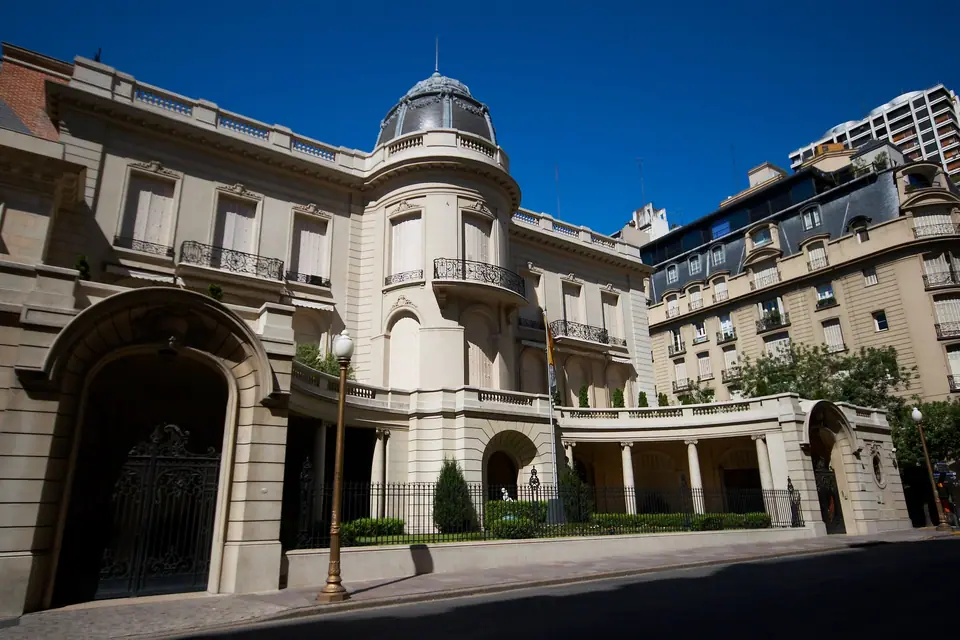
San Telmo is the oldest residential neighbourhood in Buenos Aires. Located directly south of the central core, its preserved nineteenth-century streets feature weathered cobblestones, historic street lamps, and colonial mansions with ornate wrought-iron balconies. It provides an authentic base for visitors interested in architecture, antiques, and traditional tango culture.
Life in San Telmo revolves around Plaza Dorrego and the busy neighbourhood indoor market. To navigate the Sunday street fair and historic taverns, read our detailed overview of San Telmo, Plaza Dorrego, and the Historic Market Hall. Hotels in San Telmo tend to be characterful boutique conversions, budget guesthouses, or restored neoclassical buildings. Streets become quiet and dimly lit late at night, so taking registered radio taxis after dinner is standard practice.
Subte Line C crosses the western border of the district along Avenida San Juan. This route links San Telmo directly to Retiro railway station and the central avenues, while numerous bus lines traverse Avenida Paseo Colón towards the financial district.
Puerto Madero: Modern Waterfront and Pedestrian Boulevards
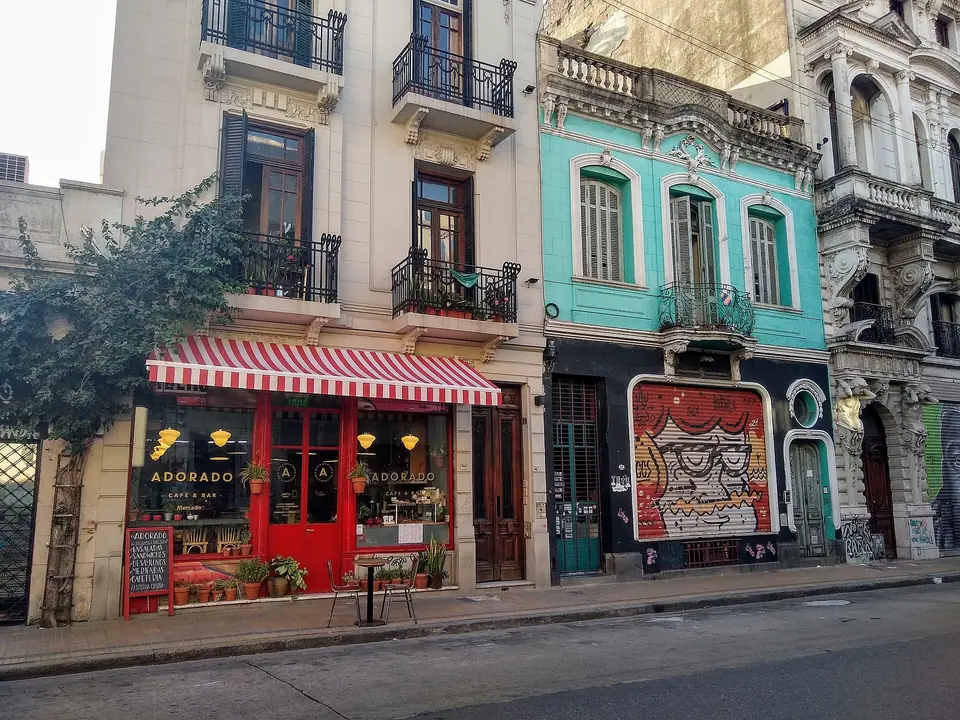
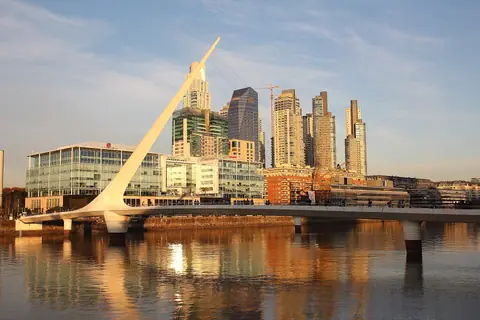
Puerto Madero presents a stark visual contrast to the historic quarters. Built between 1887 and 1897 as commercial cargo docks along the Río de la Plata, the red-brick warehouses sat abandoned for decades before undergoing massive urban renewal. Today, the renovated docks contain contemporary office suites, high-rise luxury towers, and polished waterside steakhouses.
Visitors who choose Puerto Madero enjoy wide pedestrian promenades free from street traffic. The neighbourhood borders the Costanera Sur ecological reserve, offering expansive waterfront paths for morning running. Accommodation consists almost entirely of modern luxury towers and five-star hotel chains. Subte access is limited because underground lines terminate west of the docks, meaning travellers rely primarily on taxis or extended walks across the water basins to reach central transit lines.
Comparing Buenos Aires Neighbourhoods
| Barrio | Atmosphere and Style | Nearest Subte Lines | Best Match for Travellers |
|---|---|---|---|
| Palermo Soho | Tree-lined streets, boutique shopping, and modern dining | Line D (Palermo, Plaza Italia) | First-time visitors and food lovers |
| Palermo Hollywood | Calm residential blocks, studios, and cocktail bars | Line D (Ministro Carranza) | Couples and longer-stay travellers |
| Recoleta | Grand Beaux-Arts architecture and quiet avenues | Line D and Line H | Museum visitors and architecture admirers |
| San Telmo | Cobblestones, antique markets, and historic tango halls | Line C (San Juan, Independencia) | Heritage enthusiasts and culture seekers |
| Puerto Madero | Converted red-brick docks and modern high-rises | Line B and Line E (10-minute walk) | Business travellers and riverside walkers |
Seasonal Comfort and Strategic Location Decisions
Weather patterns throughout the calendar year should inform where you decide to reserve accommodation. Summer months bring substantial warmth across the capital. January records average daily highs of 30.1°C and lows of 20.2°C across nine wet days, while February brings highs of 28.9°C and lows of 19.4°C across eight wet days. Booking accommodation with reliable air conditioning and internal courtyard shade is crucial during these summer months.
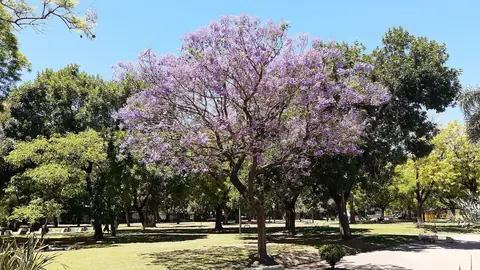
Spring and autumn provide comfortable conditions for walking between neighbourhoods. April features pleasant averages with highs of 23.2°C and lows of 14.1°C across nine wet days. October delivers highs of 22.6°C and lows of 13.4°C across ten wet days, matching the period when purple jacaranda blossoms cover neighbourhood avenues. Winter stays remain relatively mild. July averages highs of 15.5°C and night lows of 7.5°C across seven wet days, making central bases near underground lines especially convenient for indoor museum visits.
Before confirming your booking, verify the walking distance to the nearest Subte station entrance. Properties situated more than eight blocks from an underground stop require greater reliance on city buses or ride-hailing services during wet weather.
Where it is
- 1Buenos Aires
- Aeroparque Jorge Newbery (AEP) · about 6 km from Buenos Aires in a straight line
- Directions in Google Maps
Stations and taxi ranks: OpenStreetMap. Airports: OurAirports. Distances are in a straight line.
Traveller tips
Real advice from people who have been to Buenos Aires. Every tip is read by our team before it goes live.
No tips yet. Been here? Yours could be the first.
Thank you! Your tip will appear here after a quick review.
More in Buenos Aires
Continue exploring Buenos Aires with related neighbourhood, food, and planning guides
Best Time to Visit Buenos Aires: Seasons, Jacarandas, and Weather
Buenos Aires, Argentina
3 Days in Buenos Aires: Neighbourhoods, Tango, and Riverfront
Buenos Aires, Argentina
What to Eat in Buenos Aires: Asado, Empanadas, Choripán, and Helado
Buenos Aires, Argentina
Plaza de Mayo, Casa Rosada, and Avenida de Mayo
Buenos Aires, Argentina
