Photo: Green Mostaza · CC BY-SA 4.0
Buenos Aires: Neighbourhoods, Transit, and Essential Advice
Plan your Buenos Aires journey with expert details on the 48 official barrios, historic Subte lines, local transport, dining etiquette, and weather patterns.
Stretching across the coastal plain of the Río de la Plata estuary, Buenos Aires combines grand nineteenth-century architecture with South American urban energy. Juan de Garay permanently founded the settlement on 11 June 1580. Later, the city separated from Buenos Aires Province to become an autonomous federal district in 1880. Today, the central city accommodates 3.1 million residents spread across 48 official barrios. The broader metropolitan agglomeration shelters approximately 16.7 million people.
Geographic Structure and the 48 Barrios
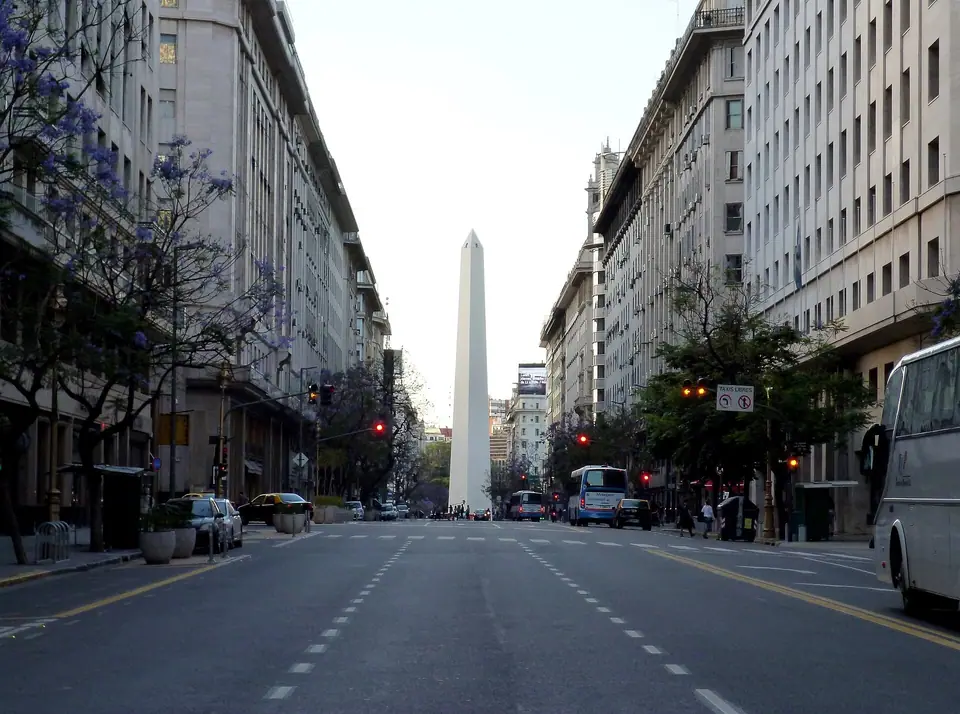
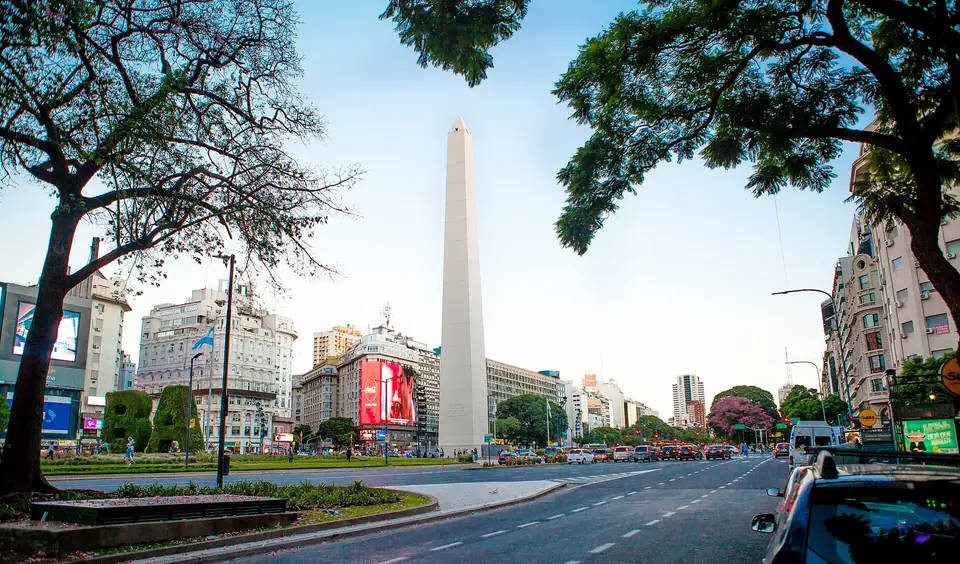
Navigating the federal capital becomes simple once you understand its waterfront layout. Most historical landmarks and primary residential zones form an arc along the eastern riverfront. At the historic centre, Monserrat and San Nicolás host Plaza de Mayo, Casa Rosada, and Avenida de Mayo. The enormous Avenida 9 de Julio bisects this sector with a width of 110 metres. In its centre stands the 1936 Obelisco, erected to commemorate the four-hundredth anniversary of the first settlement.
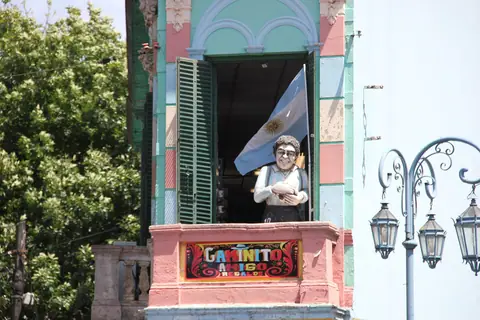
Directly south of the government palace, cobbled streets guide walkers through San Telmo towards the Riachuelo river mouth at La Boca. East of downtown, the restored brick warehouses of Puerto Madero flank the 3.5-square-kilometre Costanera Sur Ecological Reserve. Heading northwest along the riverside, the residential districts of Recoleta and Palermo hold prominent museums, open parks, and popular dining quarters.
Navigating the Historic Subte and City Transport
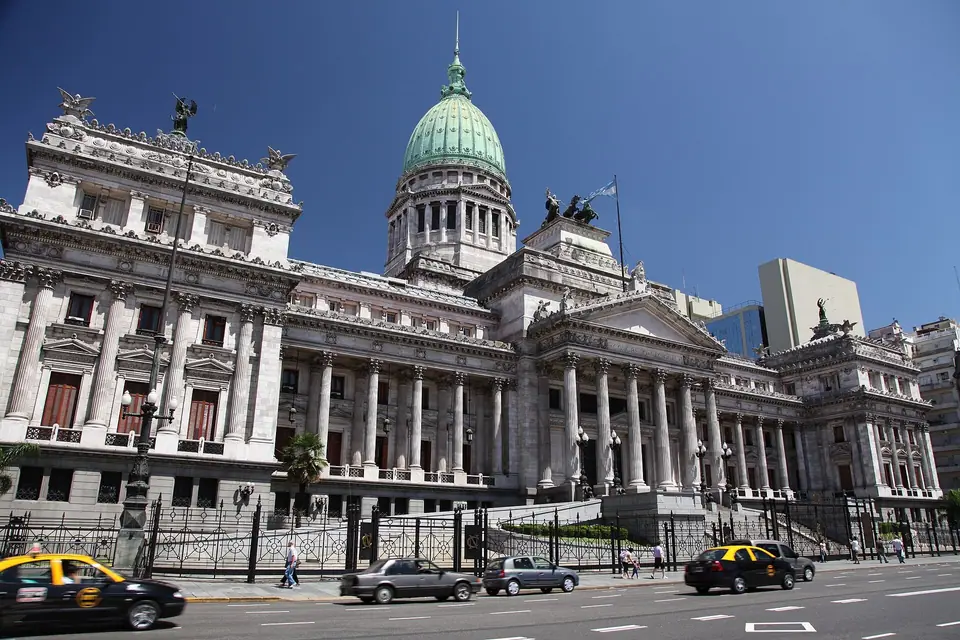
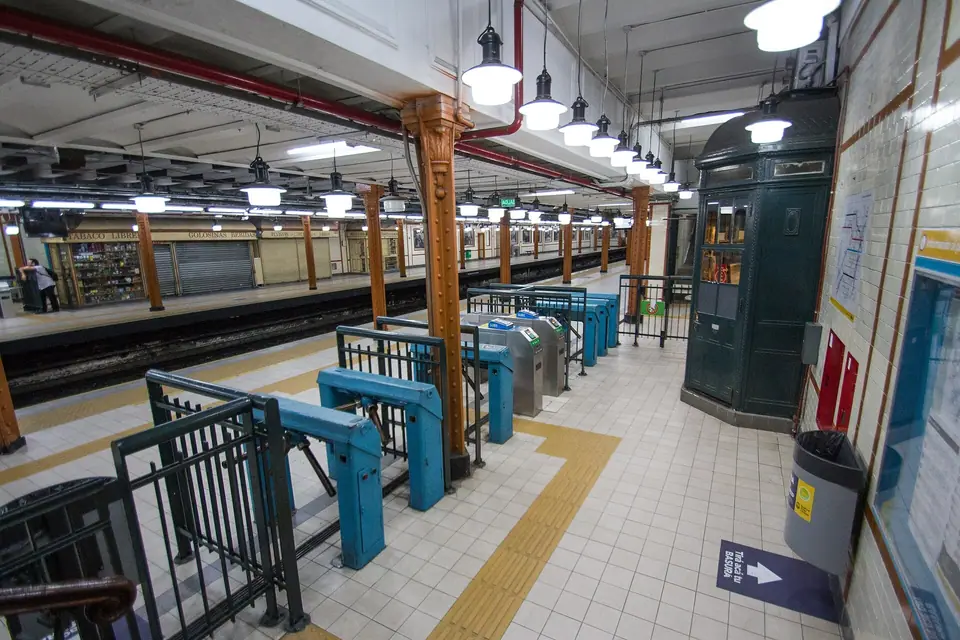
Buenos Aires inaugurated the Underground network, known locally as the Subte, in 1913. It was the first underground transit system built in Latin America, the Southern Hemisphere, and the Spanish-speaking world. The network spans 56.7 kilometres and operates 90 stations across six underground routes labelled Line A, Line B, Line C, Line D, Line E, and Line H. Line A remains celebrated for its heritage origins running from Plaza de Mayo past the National Congress.
Passengers use a contactless SUBE card to pay fares on the Subte, municipal buses (colectivos), and suburban commuter rail services. Transit vehicles do not accept paper tickets or cash onboard. Acquire a card at authorized ticketing windows or subterranean sales kiosks before travelling. Because fare tariffs change periodically under municipal transport updates, consult the official city transit portal for current rates.
Transit System Characteristics
| Transit Mode | Primary Coverage Area | Payment Method | Transfer Connectivity |
|---|---|---|---|
| Subte (Metro Lines A to H) | Historic Centre, Recoleta, Palermo, San Cristóbal | Rechargeable SUBE card | Direct underground passages between crossing lines |
| Colectivo (City Buses) | Dense cross-town network through all 48 barrios | Rechargeable SUBE card | Connects radial bus corridors to railway terminals |
| Metrobús Busways | Avenida 9 de Julio, Cabildo, and major avenues | Rechargeable SUBE card | Dedicated road corridors offering express surface travel |
| Suburban Trains | Retiro, Constitución, and Once to outer districts | Rechargeable SUBE card | Links federal stations to Tigre Delta and San Isidro |
Open-Meteo Climate Profile and Seasonal Packing
Buenos Aires experiences a humid subtropical climate influenced by its proximity to the wide river estuary. Between 2015 and 2024, meteorological records confirm hot summer conditions during January and February. January records an average daytime high of 30.1°C and a nighttime low of 20.2°C with 63 millimetres of rainfall. February registers daytime highs of 28.9°C and lows of 19.4°C across 8 wet days.
Winter arrives between June and August with cool, brisk air. July is the coldest month, recording average daily highs of 15.5°C and night lows of 7.5°C. The city experiences 49 millimetres of precipitation across 7 wet days during July. Spring brings moderate weather, as October posts highs of 22.6°C, lows of 13.4°C, and 70 millimetres of rain across 10 wet days. Pack lightweight cottons for summer and a wind-resistant wool coat for July walks along the river.
Urban Safety and Daily Movement
Buenos Aires is a walkable metropolis, yet standard urban awareness is required throughout everyday exploration. Keep mobile phones and cameras tucked away securely on busy pavements and crowded platforms. Pay close attention around high-traffic transport nodes such as Retiro and Constitución railway terminals. Opportunistic thefts, including bag snatching from outdoor tables, occur in central tourist districts.
Use official radio taxis or registered vehicle apps when returning to your hotel late at night. Licensed street cabs carry bright yellow roofs above black door panels. Verify that the dashboard meter runs when the vehicle begins moving. In residential zones such as Palermo, Recoleta, and Belgrano, broad pavements remain active well past midnight with pedestrian diners and evening strollers.
Dining Customs and Cultural Etiquette
Daily meal timing in Buenos Aires runs later than in northern European cities. Breakfast is typically brief, consisting of espresso beside sweet medialunas. Lunch occurs between midday and mid-afternoon. To bridge the gap before late evening dinners, locals gather for the afternoon merienda around six o'clock, enjoying tea and pastries.
Restaurants rarely open their dinner service before eight in the evening. Most local patrons arrive after nine or ten o'clock to share grilled beef, homemade pasta, and regional red wines. Service staff do not rush dining guests to vacate tables. Rounding up restaurant tabs or leaving ten percent in cash serves as customary recognition for attentive table service.
Where it is
- 1Buenos Aires
- Aeroparque Jorge Newbery (AEP) · about 6 km from Buenos Aires in a straight line
- Directions in Google Maps
Stations and taxi ranks: OpenStreetMap. Airports: OurAirports. Distances are in a straight line.
Traveller tips
Real advice from people who have been to Buenos Aires. Every tip is read by our team before it goes live.
No tips yet. Been here? Yours could be the first.
Thank you! Your tip will appear here after a quick review.
More in Buenos Aires
Continue exploring Buenos Aires with related neighbourhood, food, and planning guides