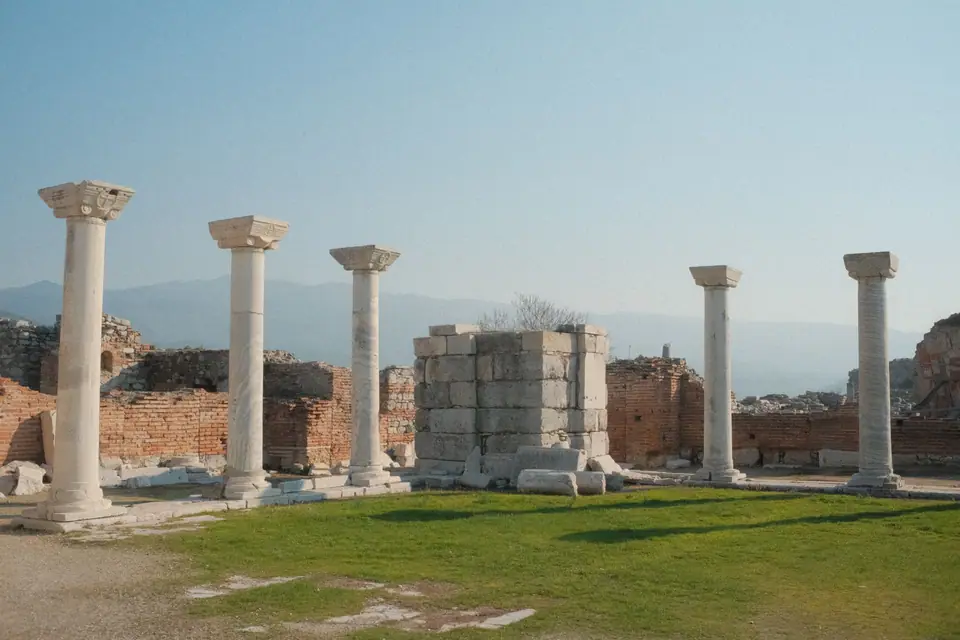
House of the Virgin Mary Near Ephesus: Complete Visitor Guide
Plan your trip to the House of the Virgin Mary on Mount Bülbül with guidance on mountain taxis, sacred springs, chapel etiquette, and regional transport.
High in the pine-covered hills above ancient Ephesus, on the slopes of Mount Bülbül, stands a modest stone chapel known locally as Meryem Ana Evi. Long-standing Christian tradition holds that Saint John brought the mother of Jesus to this secluded ridge after the crucifixion. The sanctuary was formally located during the nineteenth century, guided by the recorded visions of a German nun, and has drawn visits from several popes on official pilgrimage. The site commands equal reverence among Muslim visitors, who honour Mary as the mother of the prophet Jesus.
The grounds preserve an atmosphere of calm contemplation that contrasts with the grand public scale of Roman ruins across the valley. Visiting pilgrims and secular travellers file quietly through the preserved stone structure in a continuous single line. Beyond the chapel doors, stone terraces drop towards freshwater fountains where visitors collect holy spring water, next to an expansive wish wall thick with thousands of fabric knots and handwritten petitions. Incorporating this hilltop shrine into a broader One Day in Ephesus Itinerary creates a balanced perspective on the religious heritage of classical Ionia.
Sacred Geography on Mount Bülbül
The House of the Virgin Mary sits isolated among pine woodlands roughly 7 to 9 kilometres from modern Selçuk. Unlike the monumental Civic Agora or the dramatic Roman theatre capable of holding 24,000 spectators at Ephesus, this sanctuary is deliberately understated. The core building consists of a small rectangular masonry hall with an altar niche, restored over older foundations. Strict silence is maintained within the interior, and staff prohibit photography inside the chapel chamber to protect the solemn atmosphere for worshippers.
As you exit the back of the chapel, steps guide you down to three running water spouts fed by an underground mountain spring. Pilgrims collect this water in small bottles, attributing healing virtues to the source. Adjacent to the spouts, wire frames support the wish wall, where thousands of scraps of cloth, napkins, and folded papers are tied by visitors carrying personal hopes. A small open-air prayer terrace allows space for candle lighting before paths lead back to the visitor amenities near the car park.
Seasonal Weather and Pilgrimage Crowds
Climate patterns around Selçuk and Mount Bülbül dictate both crowd density and physical comfort on the mountain. Open-Meteo figures recorded between 2015 and 2024 reveal severe seasonal variation in rainfall and heat across the district. Planning your mountain excursion requires attention to these changing conditions:
| Season | Daytime Temperature Profile | Precipitation Pattern | Crowd and Site Considerations |
|---|---|---|---|
| Spring (March to May) | March highs reach 17.0°C; May warms rapidly to 26.0°C. Night lows climb from 8.3°C to 16.3°C. | March records 85mm across 10.5 wet days, tapering to 40mm across 6 wet days in May. | Pleasant daytime warmth, moderate visitor foot traffic, and blooming hillside vegetation across the mountain road. |
| Summer (June to August) | Highs average 31.3°C in June, peaking at 36.2°C in July and 35.2°C in August. Lows remain above 21.0°C. | Minimal rain, dropping from 34mm in June to just 3 to 4mm in July and August. | Heavy tour coach volumes, intense sun exposure, and massive pilgrimage gatherings on 15 August. |
| Autumn (September to November) | September highs reach 30.9°C, cooling to 25.6°C in October and 20.1°C in November. | Dry September with 21mm, rising sharply to 121mm over 8.8 wet days by November. | Excellent walking conditions in early autumn, diminishing tour groups, and crisp mountain mornings. |
| Winter (December to February) | Coolest period, with January highs of 12.8°C and February highs of 15.0°C; lows fall to 5.7°C. | Heaviest annual precipitation, with 144mm across 12.3 wet days in January. | Very quiet grounds, reduced coach traffic, damp stone pathways, and chilly wind on the mountain ridge. |
The annual high point for attendance occurs on 15 August, the Feast of the Assumption. Catholic clergy lead formal liturgical services that attract hundreds of regional and international believers. If you visit on this date, prepare for substantial delays along the mountain approach road and heightened security screening at the sanctuary gates. During ordinary travel periods, forty-five minutes to an hour provides ample time to view the shrine and grounds.
Mountain Transport and Route Tactics
Reaching Mount Bülbül requires private or chartered wheels, as municipal dolmuş services do not operate up this steep mountain pass. Drivers navigate a winding, paved road that climbs directly out of the valley. Knowing how to coordinate your transit will prevent unexpected walking along road verges without pavements:
- Arranging a Selçuk Taxi: Drivers based around the Selçuk bus terminal or railway station regularly run return trips to the mountain. Agree on the total journey cost and a set waiting time before departure. A practical plan involves hiring a taxi to take you to the House of the Virgin Mary first, waiting thirty minutes, and then dropping you at the upper south gate of the ancient city.
- Rental Vehicles: Travellers arriving by car from Adnan Menderes International Airport, located roughly 42 kilometres north in a straight line, can park directly in the designated bays beneath the visitor centre.
- Guided Coach Excursions: Most organised day programmes combine the holy house with stops at the ancient city, the Temple of Artemis site, and nearby mountain villages. For broader journey logistics across the province, review our detailed guide on How to Get to Ephesus.
Etiquette, Ticketing, and Practical Preparation
Because the property operates as an active sanctuary rather than an open-air archaeological park, visitors must observe strict behavioural standards. Modest attire is required; shoulders and knees must remain covered before entering the chapel. Pack light layers or a scarf in warm months to satisfy dress requirements without overheating during the remainder of your sightseeing, as described in our recommendations on What to Wear in Ephesus.
Admission to the House of the Virgin Mary is managed separately from the main archaeological zone of Ephesus. Your general site ticket or museum pass does not cover this mountaintop precinct, so you must secure entry at the mountain checkpoint. Because seasonal admission schedules and entry fees change periodically, verify operating details with official tourism operators prior to ascending the ridge. Near the vehicle park, a small café, clean rest facilities, and souvenir shops offer refreshments, holy water containers, and devotional keepsakes before you head down the mountain.
Where it is
- 1House of the Virgin Mary Near Ephesus
- Adnan Menderes International Airport (ADB) · about 45 km from here in a straight line
- Directions in Google Maps
Stations and taxi ranks: OpenStreetMap. Airports: OurAirports. Distances are in a straight line.
Traveller tips
Real advice from people who have been to Ephesus. Every tip is read by our team before it goes live.
No tips yet. Been here? Yours could be the first.
Thank you! Your tip will appear here after a quick review.
More in Ephesus
Continue exploring Ephesus with related neighbourhood, food, and planning guides