Photo by Jennifer Martin on Unsplash
What to Wear in Ephesus: Footwear, Sun Protection, and Modesty Guidelines
Prepare your wardrobe for Ephesus with essential advice on non-slip footwear for ancient marble streets, intense summer sun protection, and respectful attire for sacred sites.
Packing the correct clothing for Ephesus requires balancing intense Aegean weather with the physical realities of exploring an ancient city. Located in modern Selçuk within İzmir Province, the archaeological zone features long outdoor walking routes paved with antique stones. Deciding what to wear directly shapes how safely and comfortably you navigate the steep marble streets, exposed monuments, and nearby sacred shrines.
Footwear Demands on Antique Marble Surfaces
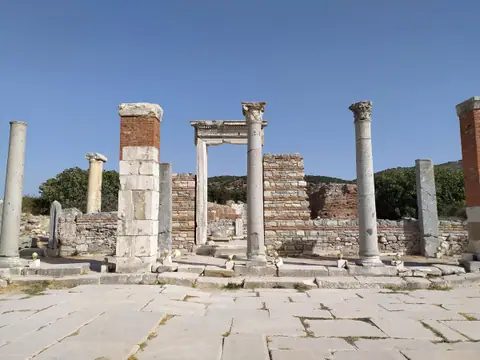
Footwear is the single most critical gear choice for exploring the archaeological park. Centuries of pedestrian traffic have buffed the ancient marble paving stones until they are remarkably smooth. Sloping thoroughfares like Curetes Street become hazardous in smooth leather soles, slick fashion trainers, or flimsy flip-flops. Without adequate traction, walking down these historical inclines feels similar to traversing wet tile.
We strongly recommend sturdy walking shoes, broken-in trail running trainers, or supportive hiking sandals with deep rubber tread. Ankle stability proves invaluable when stepping across uneven flagstones, raised water channels, and cracked threshold blocks. During an extended excursion described in our One Day in Ephesus Itinerary, you will stand and walk for hours on uncompromising stone surfaces. Inside the covered complex highlighted in the Ephesus Terrace Houses Guide, elevated metal and clear walkways feature staircases where secure shoes keep footing steady.
Seasonal Weather Profile and Clothing Requirements
Ephesus experiences dramatic climate swings throughout the calendar year. Summer brings blistering dry heat, while winter introduces substantial rainfall and damp winds. Dressing in breathable materials during the hot months and adaptable layers during the cooler seasons helps keep visits comfortable.
| Season | Open-Meteo Climate Profile | Recommended Garments | Key Footwear Focus |
|---|---|---|---|
| Summer (Jun to Aug) | Highs reach 31.3°C to 36.2°C; dry conditions with only 1 to 5 mm rain monthly | Loose linen or cotton shirts, UV-blocking hats, polarised sunglasses | Breathable trail trainers or robust walking sandals with rubber grip |
| Autumn (Sep to Nov) | Highs shift from 30.9°C down to 20.1°C; rainfall rises to 121 mm in November | Layered light jerseys, breathable trousers, compact packable windbreaker | Water-resistant walking shoes with firm tread for wet leaves and slick stone |
| Winter (Dec to Feb) | Highs of 12.8°C to 15°C, lows near 5.7°C; January sees 144 mm rain over 12.3 days | Thermal base layers, wool sweaters, windproof and waterproof rain jacket | Waterproof hiking shoes with aggressive lugs to counter wet polished marble |
| Spring (Mar to May) | Highs climb from 17°C to 26°C; rainfall drops from 85 mm to 40 mm monthly | Short-sleeve shirts paired with light fleeces and zip-off trekking trousers | Comfortable cushioned walking shoes suited to variable morning moisture |
Summer Sun Protection on the Exposed Ruins
Between June and August, daily maximum temperatures frequently climb past 35°C, peaking at an average of 36.2°C in July. Summer precipitation is practically non-existent, averaging a mere 3 millimetres in August and 4 millimetres in July across single rain days. The ancient city offers almost no natural tree canopy or architectural shade once you leave the entrance gates.
Sun protection is essential to prevent heat exhaustion. Choose loose, light-coloured garments made from natural linen or moisture-wicking weave. Long-sleeved linen shirts and lightweight ankle-length trousers shield your skin from ultraviolet rays far better than bare skin exposed directly to the sun. Pack a broad-brimmed sun hat that covers your neck and ears, and wear sunglasses rated for strong glare off white stone. Always carry ample water in a refillable flask, especially during itineraries outlined in our Things to Do in Ephesus overview.
Winter and Shoulder-Season Layering Strategies
Visiting between November and March requires a different preparation strategy. January is cold and wet, averaging 144 millimetres of precipitation over 12.3 rain days, with daytime lows averaging 5.7°C. December and February also bring regular rainstorms, with 114 millimetres and 77 millimetres of rainfall respectively. Polished marble turns exceptionally slick when saturated with rainwater, so waterproof footwear with pronounced lugs is mandatory.
Dress in versatile layers that allow you to adjust to changing conditions. Morning visits often start crisp and breezy, while physical exertion on the terraced slopes warms your body by midday. A high-quality waterproof outer shell protects against sudden Aegean squalls. Carry a light fleece or wool mid-layer that easily stows inside a compact daypack. Backpacks are far superior to handheld shoulder bags because they keep both hands free for balance on historic stone steps.
Dress Codes for Shrines and Sacred Monuments
Within the main open-air archaeological park of Ephesus, no formal religious dress code applies. Standard respectful holiday attire is entirely acceptable. However, many travellers combine the ancient ruins with visits to functioning sacred monuments nearby in the Selçuk district.
Modesty rules are strictly enforced at the House of the Virgin Mary on Mount Koressos. Because this site remains an active pilgrimage chapel, visitors must keep their shoulders and knees covered before entering the interior stone sanctuary. Sleeveless tops, short skirts, and brief shorts are inappropriate. Carrying a lightweight scarf or sarong in your daypack allows you to wrap your shoulders or waist quickly before stepping inside. At the fourteenth-century İsa Bey Mosque in Selçuk, women must cover their hair with a headscarf, and all visitors remove their shoes before walking onto the prayer carpets. Respectful, easily adjustable clothing keeps entry straightforward across both ruins and active shrines.
Essential Daypack Accessories for Ephesus
- Compact daypack with dual shoulder straps to maintain hand freedom on uneven steps
- Refillable, insulated drinking bottle holding at least 1 litre of chilled water
- Broad-brimmed sun hat or ventilated canvas cap that protects the back of the neck
- Polarised UV400 sunglasses to cut the intense white glare radiating from excavated marble
- High-protection sunscreen stick or lotion suitable for reapplication after heavy walking
- Lightweight cotton or silk scarf for sacred site modesty and instant neck protection against the sun
- Blister prevention plasters and cushioned athletic socks to protect heels against hard stones
Weather by month
Ephesus is warmest in July, with average highs around 36°C, and coldest in January, when nights drop to about 6°C. January is the wettest month by rainfall (144 mm), with rain on about 12 days. For mild weather with fewer rainy days, aim for May and October.
| Month | Low | Range | High | Rain | Rainy days |
|---|---|---|---|---|---|
| Jan | 6°C | 13°C | 144 mm | 12 d | |
| Feb | 7°C | 15°C | 77 mm | 10 d | |
| Mar | 8°C | 17°C | 85 mm | 11 d | |
| Apr | 12°C | 21°C | 48 mm | 6 d | |
| May | 16°C | 26°C | 40 mm | 6 d | |
| Jun | 21°C | 31°C | 34 mm | 5 d | |
| Jul | 24°C | 36°C | 4 mm | 1 d | |
| Aug | 24°C | 35°C | 3 mm | 1 d | |
| Sep | 21°C | 31°C | 21 mm | 3 d | |
| Oct | 16°C | 26°C | 46 mm | 3 d | |
| Nov | 12°C | 20°C | 121 mm | 9 d | |
| Dec | 8°C | 15°C | 114 mm | 10 d |
Averages of daily values from 2015 to 2024. Rainy days are days with at least 1 mm of rain. Source: Open-Meteo · Compare destinations by month.
Where it is
- 1Ephesus
- Adnan Menderes International Airport (ADB) · about 42 km from Ephesus in a straight line
- Directions in Google Maps
Stations and taxi ranks: OpenStreetMap. Airports: OurAirports. Distances are in a straight line.
Traveller tips
Real advice from people who have been to Ephesus. Every tip is read by our team before it goes live.
No tips yet. Been here? Yours could be the first.
Thank you! Your tip will appear here after a quick review.
More in Ephesus
Continue exploring Ephesus with related neighbourhood, food, and planning guides