Southern Florianópolis Guide: Ribeirão da Ilha, Lagoinha do Leste, and Pântano do Sul
Southern Florianópolis preserves traditional Azorean stone architecture, remote Atlantic rainforest trails, and coastal fishing settlements across quiet Atlantic coves.
Southern Florianópolis feels remarkably detached from the lively beach resorts of the north. The area offers calm maritime hamlets and dense Atlantic forest hillsides along pristine shorelines. The western coastline faces the sheltered bay, where historic Azorean colonisation established enduring village communities. Visitors discovering this region via our island orientation and weather notes find quiet settlements filled with colourful single-storey cottages. Small parish churches and simple wooden piers stretch over calm waters.
Azorean Heritage and Oyster Culture in Ribeirão da Ilha
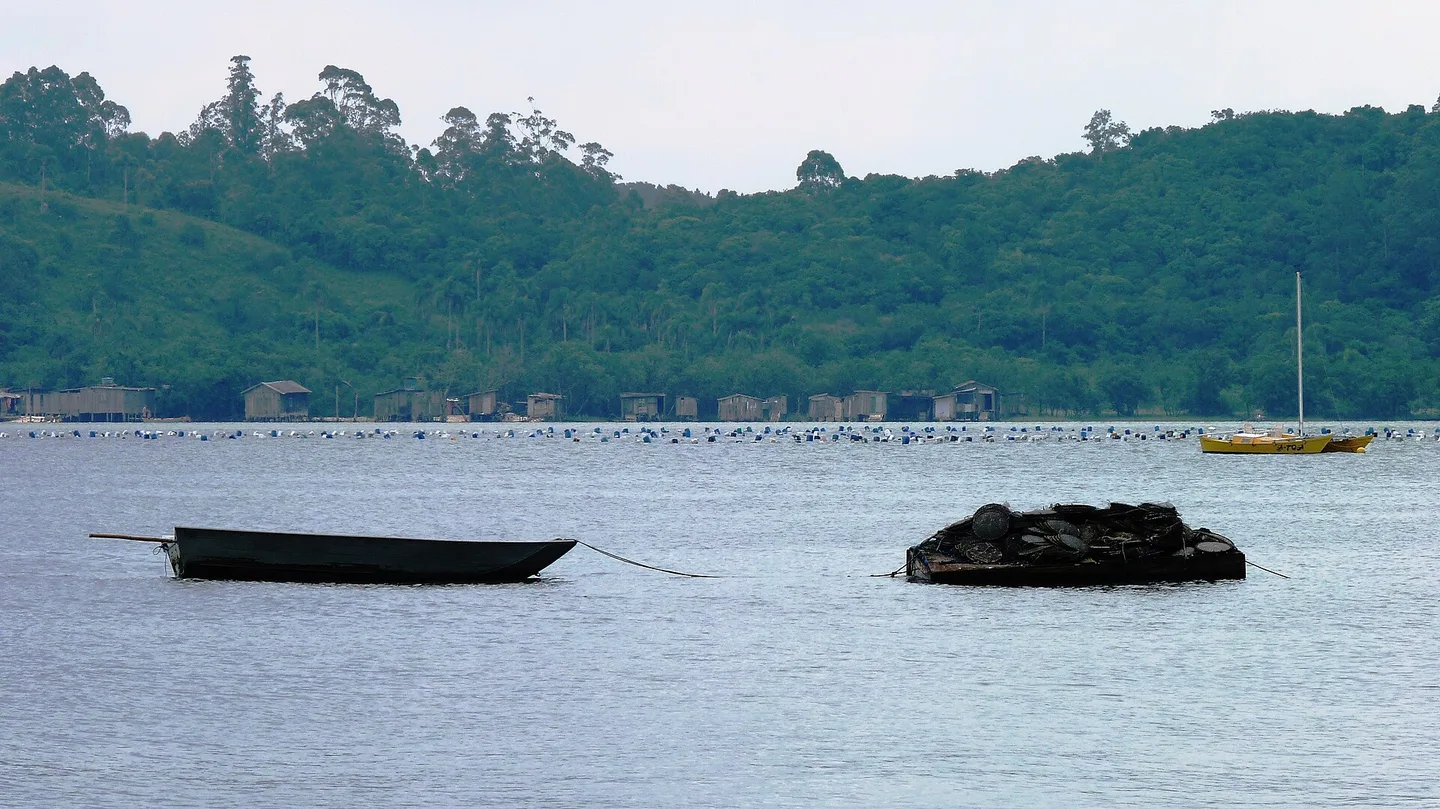
Ribeirão da Ilha ranks among the oldest Portuguese settlements on the island. The district retains its original eighteenth-century urban layout alongside the placid coastal bay. Rows of traditional houses with colourful window frames line the narrow coastal road. These structures face waters that nurture prolific oyster beds. Wooden piers extend past the rocky shoreline into the calm marine waters. They lead visitors to overwater dining terraces where freshly harvested shellfish arrive continuously from offshore lines.
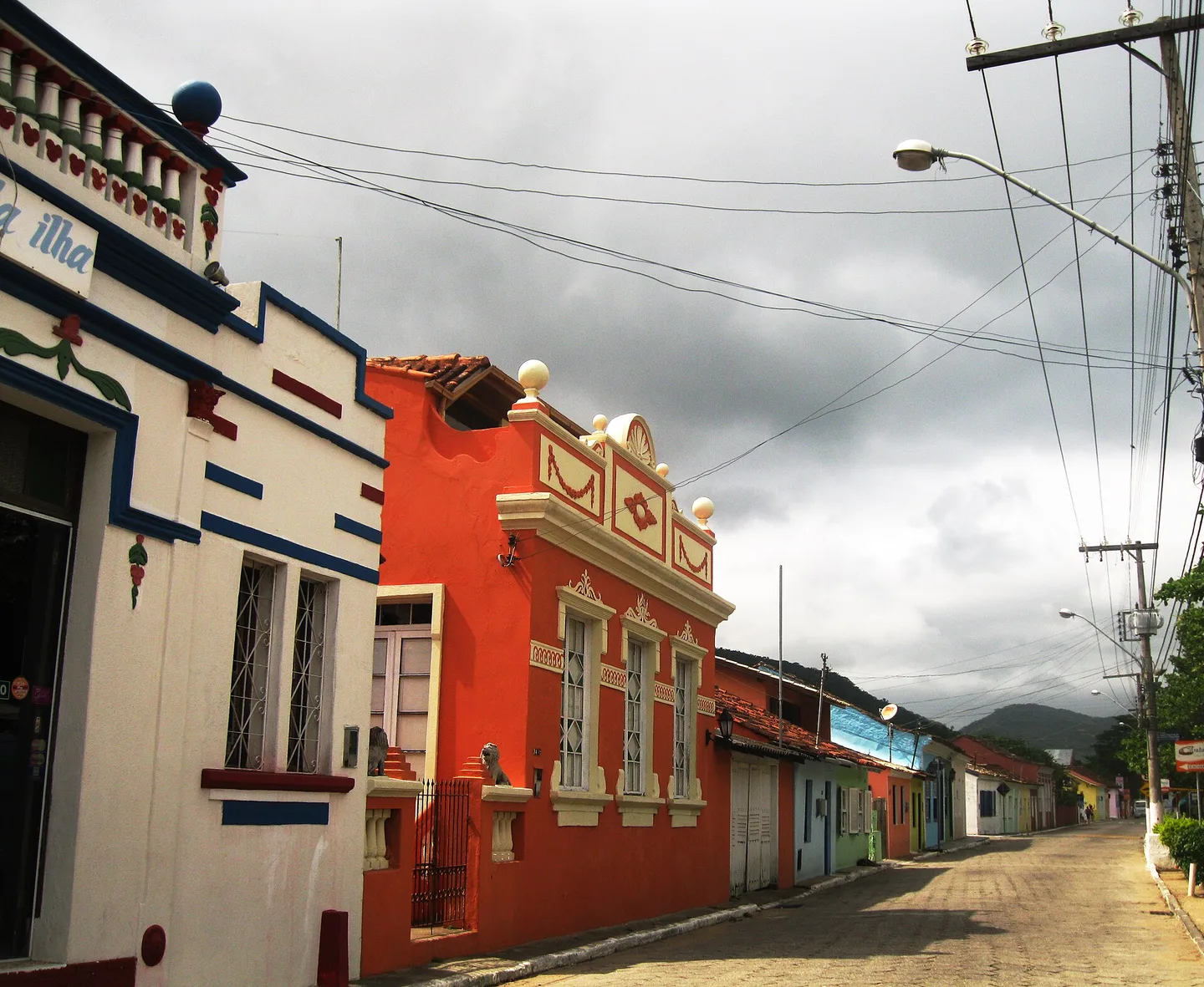
Walking through the village reveals quiet cobblestone lanes, artisan cachaça distilleries, and the historic church of Nossa Senhora da Lapa. Local fishermen mend colourful nets beside whitewashed walls. They maintain centuries of Azorean maritime tradition without tourist ostentation. Across island excursions and bay villages, Ribeirão da Ilha stands out as the culinary capital for farm-fresh bivalves. Visitors enjoy locally harvested shellfish paired with chilled southern wines beside the peaceful bay.
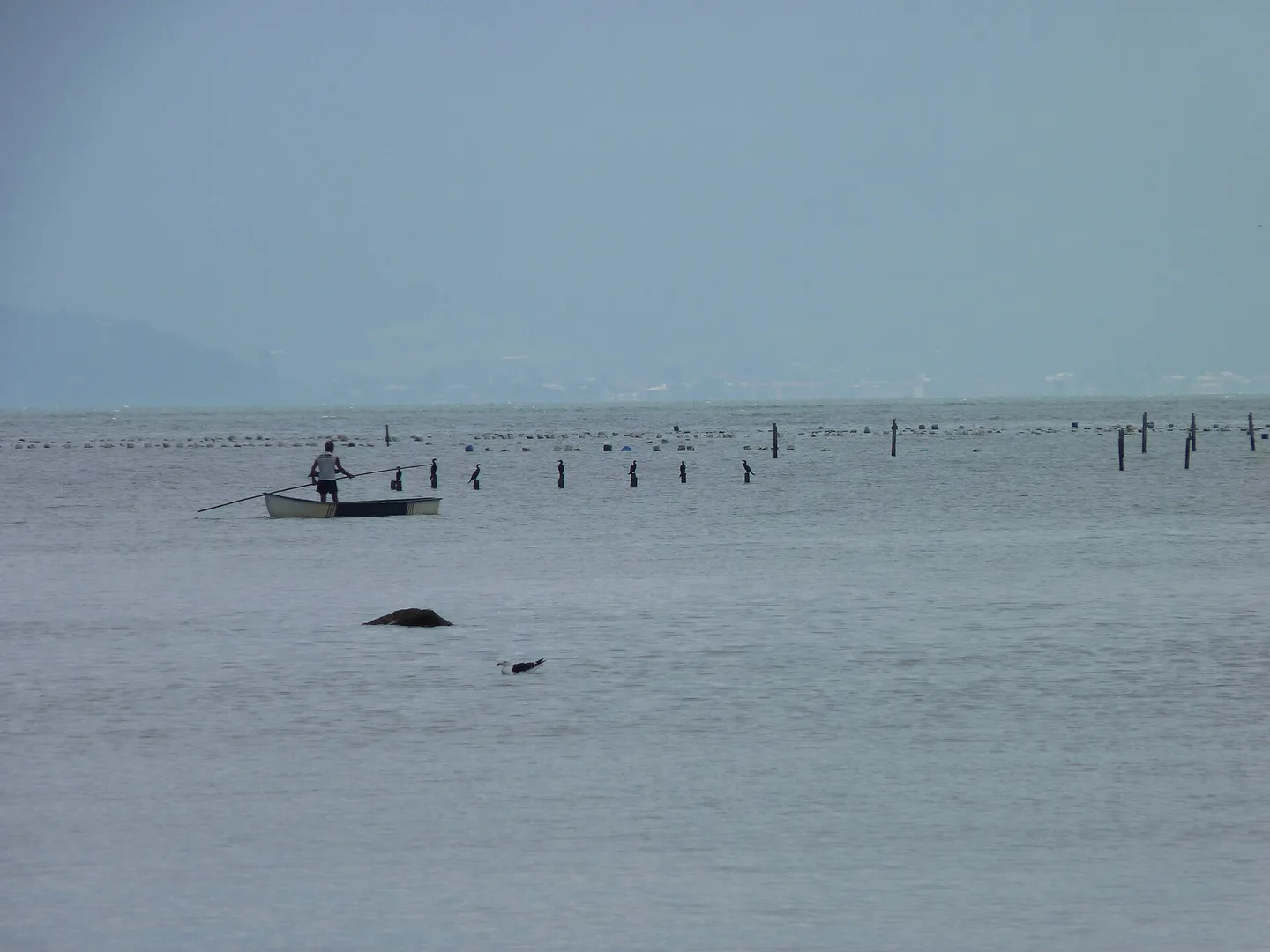
Oyster farming here relies on calm, nutrient-rich currents circulating inside the sheltered southern channel. Small boats tend to floating lantern nets throughout the day. Farmers harvest oysters by hand before delivering them directly to shoreside kitchens. Diners can taste oysters raw with lime, steamed with herbs, or gratinéed with regional cheese. The tranquil maritime atmosphere makes long afternoon meals along the water a classic southern island tradition.
Coastal Trail Routes to Remote Lagoinha do Leste
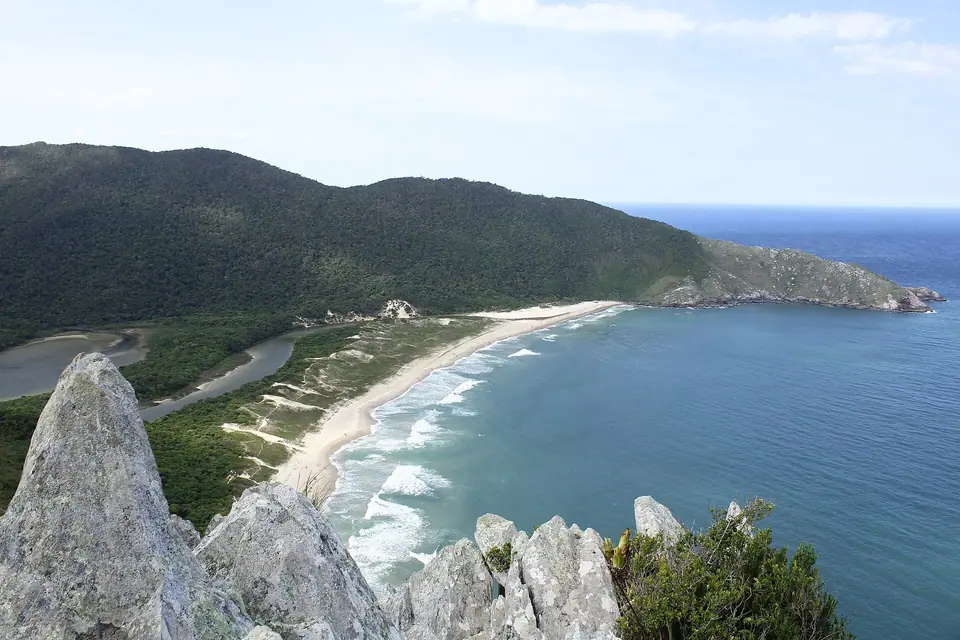
Lagoinha do Leste remains one of the most pristine coastal sanctuaries on the entire island. Visitors reach this wild ocean bay purely on foot or by local fishing skiff. The wide beach rests between towering granite headlands, enclosing a dark freshwater lagoon fed by mountain streams. Native Atlantic rainforest blankets the surrounding steep slopes. Because no paved roads penetrate this coastal reserve, the sands retain an untouched character that rewards prepared hikers.
Hikers choose between two primary trailheads to access the secluded bay. The shorter path begins in the quiet streets of Pântano do Sul, climbing steeply over a forested saddle. It then descends across rocky gullies towards the sand. The longer trail starts at Matadeiro beach, winding along exposed coastal cliffs that reveal expansive oceanic views. Both routes require sturdy walking shoes, ample drinking water, and sun protection. The secluded shoreline lacks commercial stalls, running tap water, or permanent facilities.
- Pântano do Sul route: A steep, shaded rainforest climb requiring steady uphill walking followed by a rocky descent down to the lagoon.
- Matadeiro route: A scenic coastal cliff path offering sweeping Atlantic views and open ocean outlooks across southern promontories.
- Morro da Coroa ascent: A rugged scramble from the beach to jagged granite pinnacles that command wide aerial views over the lagoon.
The surf at Lagoinha do Leste can be powerful, with strong undertows along the open ocean breaks. Swimmers often prefer the calm waters of the freshwater lagoon resting directly behind the dunes. Rainforest trees cast welcome shade along the lagoon edge. Hikers should pack out all personal rubbish to protect the fragile coastal ecosystem from environmental degradation.
Seafood Traditions and Fishermen Harbours in Pântano do Sul
At the southeastern edge of the paved road network lies Pântano do Sul, an active fishing village resting along a sweeping curved bay. Traditional wooden skiffs rest directly upon the firm sand. Crews haul their painted boats above the high tide line with manual winches after morning excursions into open ocean waters. The beach remains an authentic workspace where fishermen sort silver mullet and repair nylon nets.
Rustic seaside restaurants line the beachfront road, placing sturdy tables directly upon the sand under wide canvas awnings. These casual eateries serve abundant platters of grilled fish, fried squid, and shrimp paste. Meals typically come accompanied by pirão, a savoury manioc flour porridge cooked with seasoned fish broth. Attentive waitstaff serve chilled drinks while waves lap against the shoreline, creating a relaxed coastal dining environment.
The village preserves a deep cultural connection to traditional artisanal net fishing. During the cooler winter months, community crews practise mullet netting along the open beaches. Entire families gather to haul collective nets onto the shore when spotters signal schools of fish. This time-honoured custom supports local households and sustains culinary habits that have survived for multiple generations.
Comparing Southern Florianópolis Coastal Destinations
Planning a day trip through southern Florianópolis requires balancing calm bay waters, strenuous wilderness hiking, and beachfront dining. The three major settlements complement each other well. Visitors can hike remote coastal cliffs in the morning and dine over tranquil oyster beds by late afternoon.
| Destination | Primary Character | Access Method | Coastal Terrain |
|---|---|---|---|
| Ribeirão da Ilha | Colonial village and oyster farming | Paved road, bus, or taxi | Quiet bay pier |
| Lagoinha do Leste | Wild ocean beach and freshwater lagoon | Hiking trail or small fishing boat | Steep forest trail |
| Pântano do Sul | Working fishing bay and rustic seafood | Paved road, bus, or taxi | Working surf cove |
Public buses depart regularly from the Rio Tavares integrated transport terminal, connecting urban routes to southern trailheads and coastal villages. Travellers seeking greater scheduling flexibility often hire a private car or use ride-hailing services. Booking private transport helps when carrying hiking gear and beach supplies across multiple stops. Time southern hikes with seasonal weather and dry months for firmer trails and calmer sea crossings.
Weather conditions can shift rapidly along the southern peninsula due to oceanic winds. Hikers heading to Lagoinha do Leste should depart early in the day to avoid midday heat and afternoon cloud cover. Combining an early morning trek with a late lunch in Pântano do Sul or Ribeirão da Ilha creates a rewarding journey through the traditional maritime landscapes of Santa Catarina.
Official prices and opening hours
- Projeto TAMAR Sea Turtle Centre (Barra da Lagoa)Official site ↗
Where it is
- 1Southern Florianópolis
- Hercílio Luz International Airport (FLN) · about 13 km from here in a straight line
- Directions in Google Maps
Stations and taxi ranks: OpenStreetMap. Airports: OurAirports. Distances are in a straight line.
Traveller tips
Real advice from people who have been to Florianópolis. Every tip is read by our team before it goes live.
No tips yet. Been here? Yours could be the first.
Thank you! Your tip will appear here after a quick review.
More in Florianópolis
Continue exploring Florianópolis with related neighbourhood, food, and planning guides

3 Days in Florianópolis Itinerary: Lagoa, Ilha do Campeche & Azorean Sunset
Florianópolis, Brazil
What to Eat in Florianópolis: Oysters, Shrimps and Mullet
Florianópolis, Brazil
Ponte Hercílio Luz, Mercado Público and Historic Centro
Florianópolis, Brazil
Lagoa da Conceição, Dunas da Joaquina and Costa da Lagoa
Florianópolis, Brazil
