Santo Antônio de Lisboa & Sambaqui Guide: Azorean Heritage and Sunset Oysters
Santo Antônio de Lisboa and neighbouring Sambaqui pair preserved eighteenth-century Azorean architecture with quiet bayside oyster farming along North Bay shores.
Azorean Village Roots and Waterfront Heritage
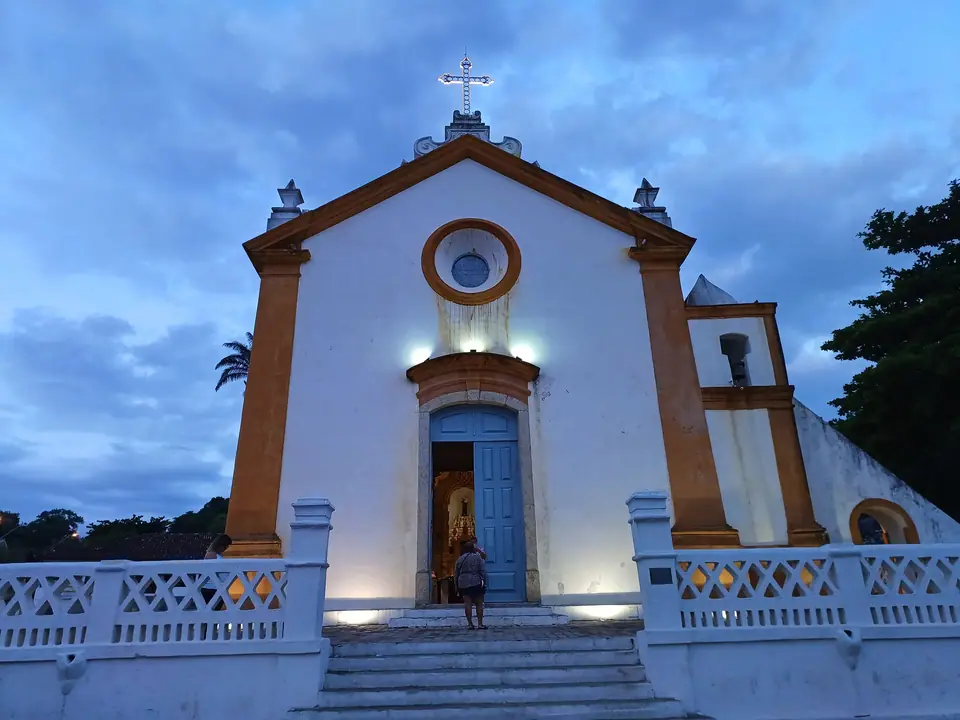
Santo Antônio de Lisboa preserves the tranquil rhythm of an eighteenth-century Portuguese settlement on the western shore of Santa Catarina Island. Whitewashed stone cottages with bright green, blue, and yellow window frames line the narrow cobblestone lanes. Walking past these colonial facades reveals tiny craft shops, ceramic studios, and peaceful residential gardens that slope gently towards the water. The historic centre gathers around the parish church of Nossa Senhora das Necessidades, established by Portuguese settlers arriving from the Azores archipelago. You will notice intricate stonework, old fig trees offering generous shade, and painted fishing skiffs pulled onto the sand. The entire district presents a striking contrast to the busy modern high-rises found elsewhere across the city.
Strolling through the central square allows visitors to admire traditional bobbin lace patterns displayed in open doorways by local artisans. These delicate textiles represent a continuous domestic craft handed down across multiple generations since colonial times. Because the village faces west across Baía Norte towards the continental mainland, calm sea breezes drift continuously between the low tile roofs. Visitors can pair village sightseeing with the broader island overview in our island orientation notes before setting out. Small cultural exhibitions and communal benches around the shoreline invite quiet observation throughout the midday heat.
North Bay Oyster Farming and Coastal Dining
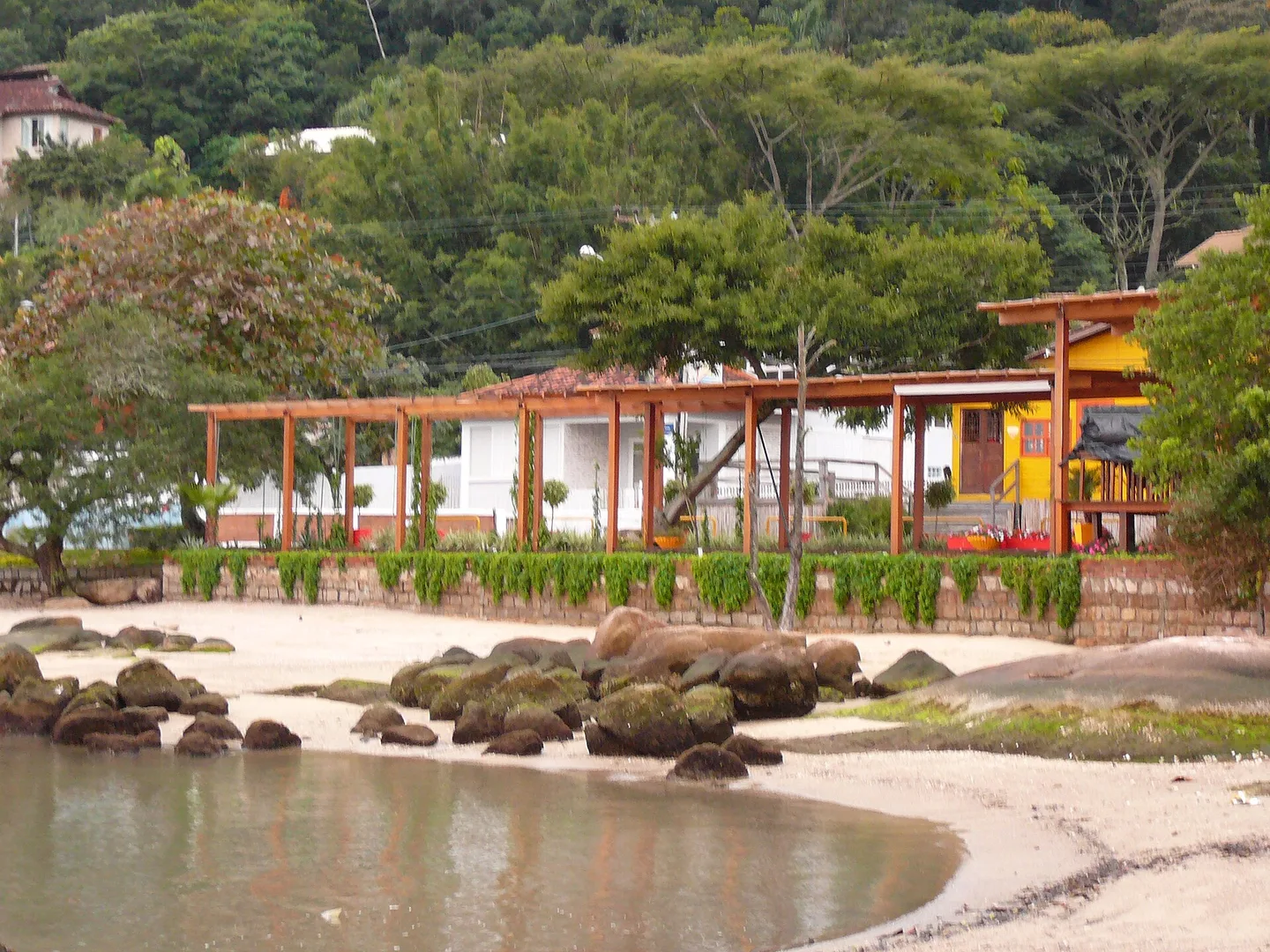
The sheltered waters of Baía Norte create ideal growing conditions for bivalve aquaculture, turning this coastal strip into Brazil's foremost oyster capital. Wooden stakes and floating lantern nets break the surface across the bay, marking extensive cultivation beds managed by local maritime families. Harvesting takes place daily in the calm shallow waters, so kitchens receive fresh shellfish within minutes of collection. Open-air dining terraces sit directly on timber jetties over the tide, offering uninterrupted views of boats bobbing gently against the mainland backdrop. Diners order platters served raw on crushed ice with fresh lime wedges, steamed with white wine, or grilled with herbs.
Pairing fresh molluscs with chilled Santa Catarina white wine or local craft beer makes for a celebrated culinary ritual. Menus across the waterfront also highlight traditional coastal fare, including tender grilled squid, pirão de peixe made with manioc flour, and shrimp bobó. When planning daytime schedules, checking our island landmarks and coastal trails helps you set aside unhurried leisure time for a waterside lunch. The following comparison highlights popular preparations offered along the waterfront strip:
| Style | Cooking Technique | Accompaniment |
|---|---|---|
| Ostras ao Natural | Served raw on crushed sea ice | Fresh lime wedges and mild pepper sauce |
| Ostras Gratinadas | Baked under broiler with local cheese | Parmesan crust, butter, and chopped herbs |
| Ostras ao Bafo | Steamed gently over court-bouillon | Light garlic butter and crusty bread |
Wandering Along the Sambaqui Shoreline
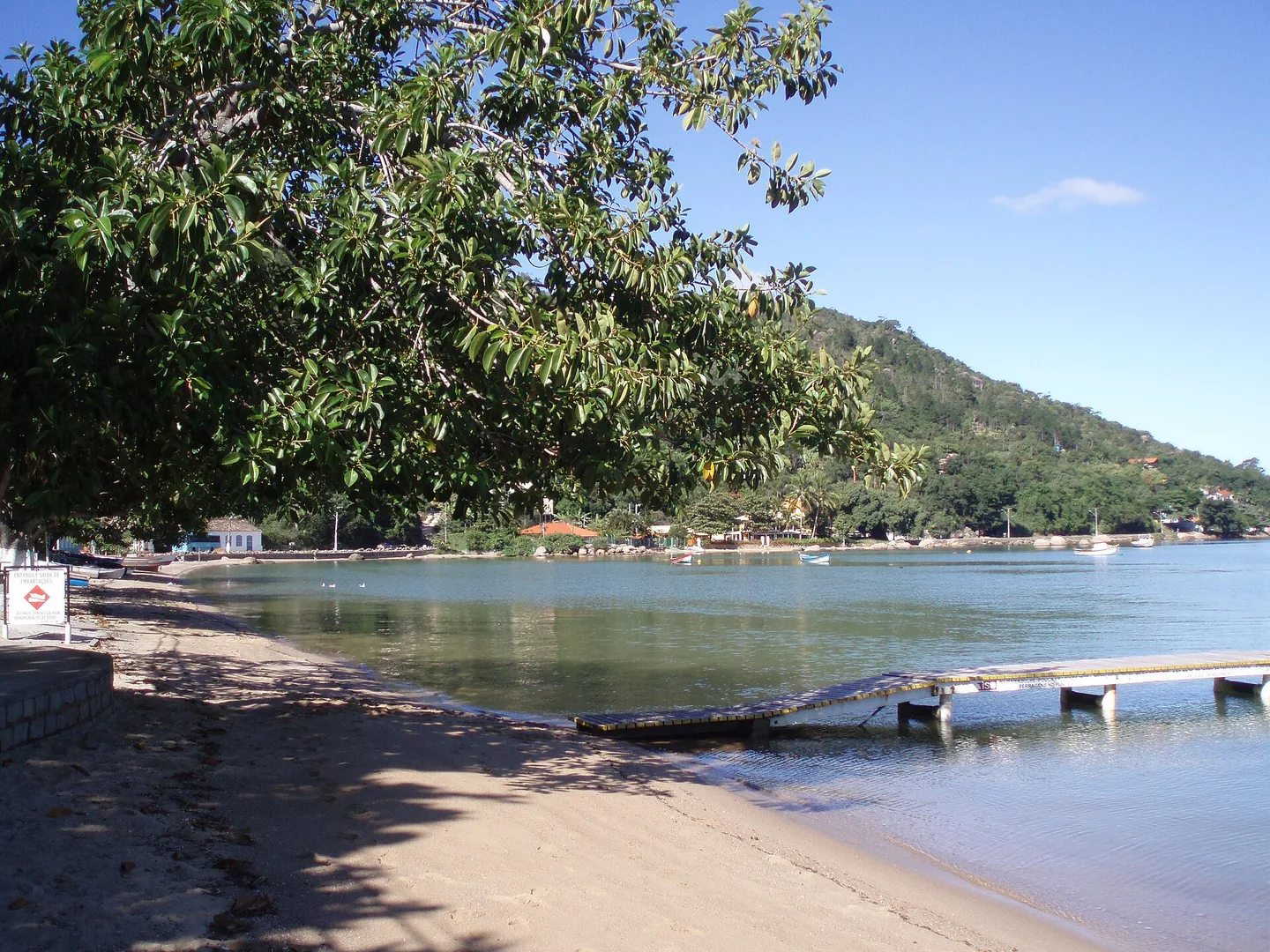
Continuing north along the coastline leads directly into the sleepy community of Sambaqui, connected by a winding seaside road shaded by almond trees. Sambaqui takes its indigenous name from ancient shell middens left by prehistoric coastal inhabitants thousands of years ago. Today, the neighbourhood consists of charming family homes, bohemian bars, and uninterrupted vistas of the continental mountain range across the bay. The narrow beaches here feature small patches of golden sand interspersed with dark granite boulders where crabs scuttle among tidal pools. Walking this coastal stretch feels completely removed from the heavy surf and crowded sunbathing strips of the eastern Atlantic beaches.
The gentle sea along Sambaqui remains remarkably flat, making it a peaceful location for watching wooden skiffs glide across the water. Traditional fishermen still mend their nylon nets beneath beach umbrellas, sharing stories with passing neighbours. Along the roadside, relaxed outdoor cafes place wooden chairs directly on the sand beneath swaying palms. Pausing here during the late afternoon offers a peaceful vantage point as fishermen clean their daily catch right by the water's edge.
Planning Transit Access and Sunset Timing
Reaching Santo Antônio de Lisboa and Sambaqui by public transport is straightforward using the municipal bus network. Passengers board standard city buses departing from the central transit station in downtown Florianópolis before changing lines at the northern Santo Antônio bus hub. Feeder services link that local hub directly to the beach frontages, dropping riders close to the historic church plaza. Private rideshare cars and licensed taxis also navigate the district efficiently, though returning late in the evening requires allowing extra wait time. Drivers should note that the historic village core features very narrow roads where vehicle parking remains extremely limited on warm weekends.
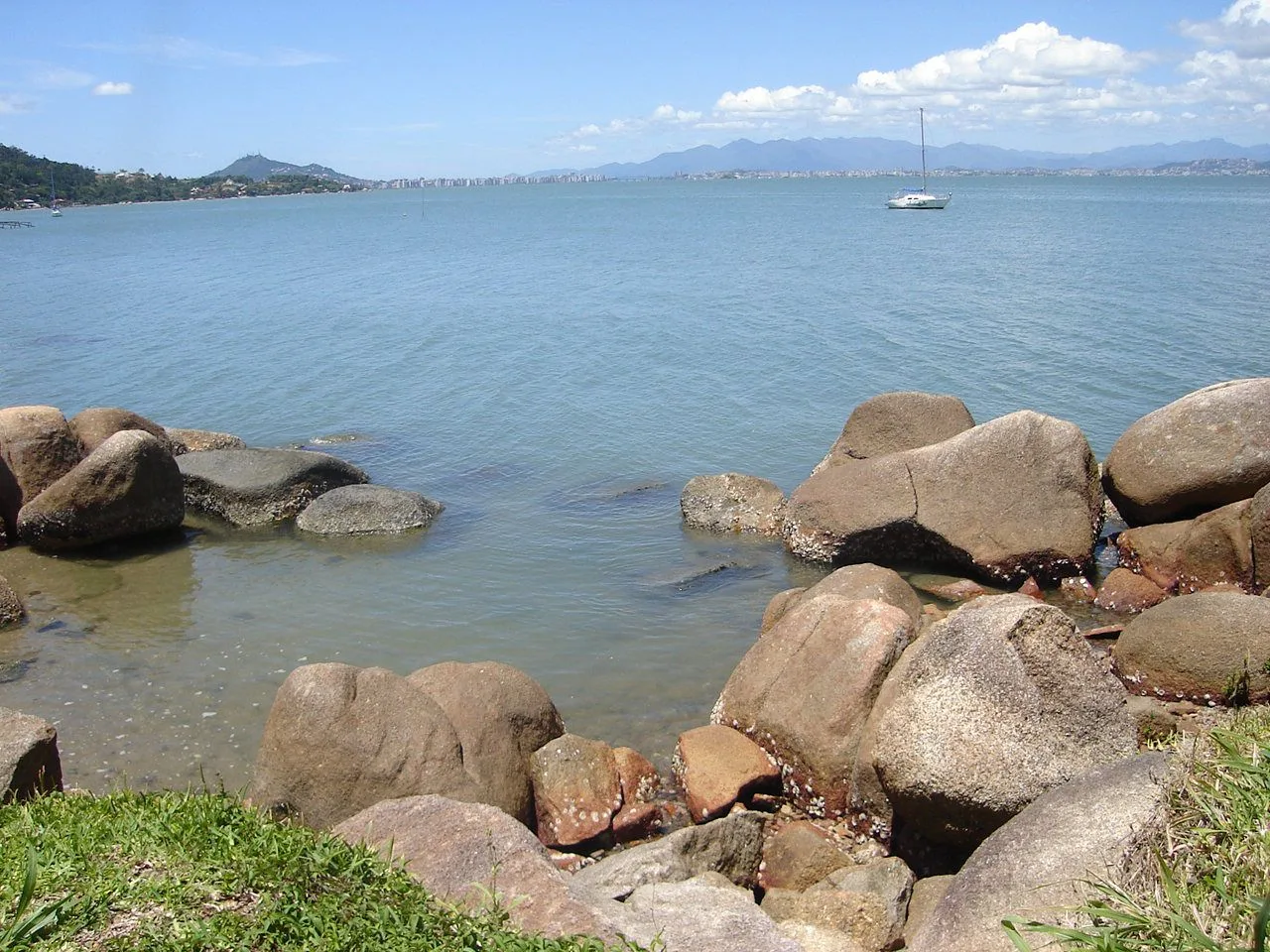
Timing your arrival for the middle of the afternoon allows ample daylight to visit historic monuments and seaside craft markets. As dusk approaches, golden sunlight reflects across the still surface of Baía Norte, creating one of the most celebrated sunsets on the entire island. Gathering along the seawall or securing a table on a waterfront pier offers prime viewing as the sun dips behind the mainland mountains. Lingering over an evening coffee as the village streetlamps illuminate pastel colonial facades gives a calm conclusion to a memorable bayside excursion.
Official prices and opening hours
- Projeto TAMAR Sea Turtle Centre (Barra da Lagoa)Official site ↗
Where it is
- 1Florianópolis
- Hercílio Luz International Airport (FLN) · about 18 km from Florianópolis in a straight line
- Directions in Google Maps
Stations and taxi ranks: OpenStreetMap. Airports: OurAirports. Distances are in a straight line.
Traveller tips
Real advice from people who have been to Florianópolis. Every tip is read by our team before it goes live.
No tips yet. Been here? Yours could be the first.
Thank you! Your tip will appear here after a quick review.
More in Florianópolis
Continue exploring Florianópolis with related neighbourhood, food, and planning guides
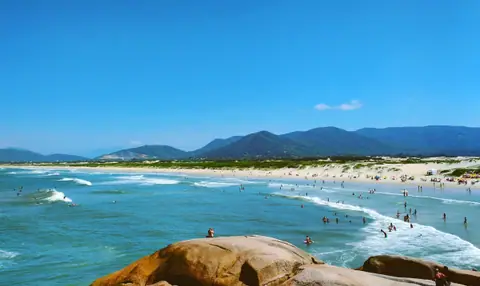
East Coast Surf Beaches and Coastal Trails of Florianópolis
Florianópolis, Brazil
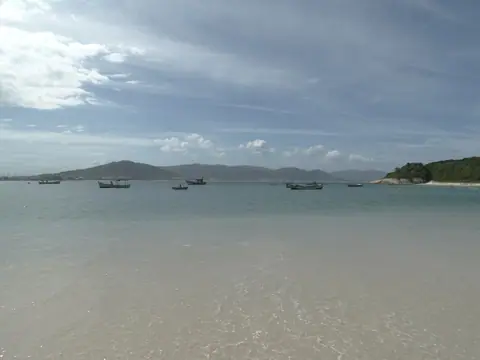
Ilha do Campeche and Praia do Campeche: Boats, Dunes and Coastal Trails
Florianópolis, Brazil
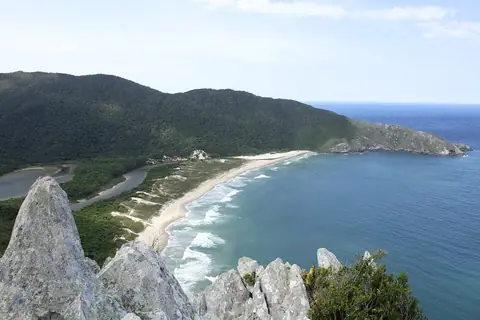
Southern Florianópolis Guide: Ribeirão da Ilha, Lagoinha do Leste, and Pântano do Sul
Florianópolis, Brazil
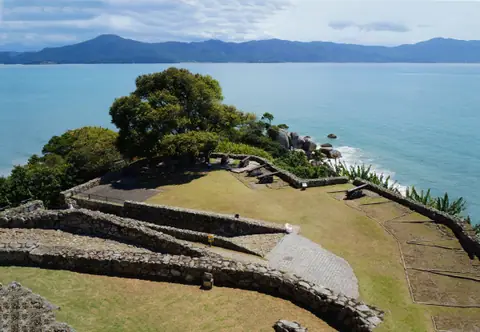
Jurerê Internacional, Daniela and Fortaleza de São José da Ponta Grossa Guide
Florianópolis, Brazil
