Florianópolis
Florianópolis pairs historic Azorean settlements and Atlantic rainforest ridges with forty-two beaches, offering fresh oysters, coastal hiking paths, and reliable urban bus connections across Santa Catarina Island.
Quick decisions
How many days?
Plan four to five days to balance the historic city centre, eastern surf bays, and southern coastal footpaths comfortably.
Where should I stay?
Base yourself in Lagoa da Conceição for central island bus links, or browse our neighbourhood lodging directory for quiet northern coves.
Do I need a car?
Buses connect major terminals reliably, but hiring a car helps reach remote southern trailheads during quiet off-season months.
Best for
Independent travellers who enjoy Atlantic hiking trails, reliable surf breaks, fresh coastal seafood, and colonial Azorean architecture.
Before you go
Pack sturdy walking shoes and cash, as coastal ferry points and trailside stalls occasionally experience patchy card terminal signals.
Getting around
Use the integrated municipal bus network connecting through central neighbourhood terminals, or hail registered ride-hailing apps for late journeys.
Continue your trip
Catch regional long-distance coaches west across Santa Catarina state or fly north to explore São Paulo transport links directly.
Overview
Santa Catarina Island forms the physical and cultural core of Florianópolis, anchored to the Brazilian mainland by maritime suspension bridges. Dense Atlantic rainforest blankets the central mountain spine, tumbling down toward sheltered western bays and powerful eastern ocean breaks. Historic whitewashed hamlets sit alongside modern coastal districts, giving the municipality an appealing rhythm that shifts between relaxed seaside life and active outdoor adventure.
Urban life clusters around the western bay, where civic institutions and central markets face the continental hills. Moving eastward, residential villages encircle tidal lagoons before meeting massive wind-sculpted sand dunes and open Atlantic waters. Because the geography funnels traffic through narrow coastal corridors, understanding local terrain helps visitors plan efficient journeys between contrasting shores.
Maritime weather influences daily life across every district on the island. Summer brings warm afternoons with highs averaging 28.6°C in January and 28.3°C in February, alongside occasional tropical showers. Winter months turn pleasantly cooler, dropping to daytime highs around 20.3°C in July with crisper hiking conditions along exposed ocean ridges.
Getting there
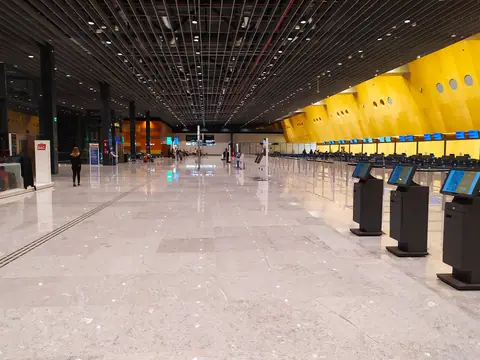
Hercílio Luz International Airport handles domestic flights from major Brazilian transport hubs, sitting on the southwestern coastal plains. Public airport buses and licenced taxis run directly into the central bus terminal, linking incoming passengers to every corner of the island. Long-distance coaches pull into the mainland terminal nearby, connecting southern coastal cities smoothly without unnecessary urban transfers.
Local journeys rely on an integrated bus network centred on regional terminals across the island. Passengers pay single fares at turnstiles to change lines freely within each regional station. Reviewing the detailed island transit network guide proves helpful before departures, as summer beach traffic often doubles travel times along narrow coastal roads.
Ride-hailing applications operate widely throughout the central districts and northern beach communities. Taking local public water taxis across Lagoa da Conceição presents a scenic alternative for reaching remote roadless settlements along the western lagoon shore.
Where to stay
Selecting a base depends heavily on whether you prioritise lively village amenities or quiet coastal isolation. Lagoa da Conceição sits at the geographic centre, offering boat docks, casual cafes, and swift road access to both eastern surf beaches and western historic districts. It suits travellers relying primarily on public transport who want walkable evening dining options right on the lagoon edge.
For absolute quiet and historic charm, Santo Antônio de Lisboa and Ribeirão da Ilha offer Azorean cottages overlooking calm western bays. Surf lovers often stay near Barra da Lagoa or Campeche, where long sandy stretches sit within easy walking distance. Compare neighbourhood characteristics in our island lodging recommendations before reserving rooms across peak holiday months.
Northern beach enclaves feature full-service resort hotels and furnished holiday apartments catering to extended family stays. Southern hamlets remain tranquil, providing rustic guest houses surrounded by protected Atlantic coastal vegetation and quiet footpaths.
Things to do
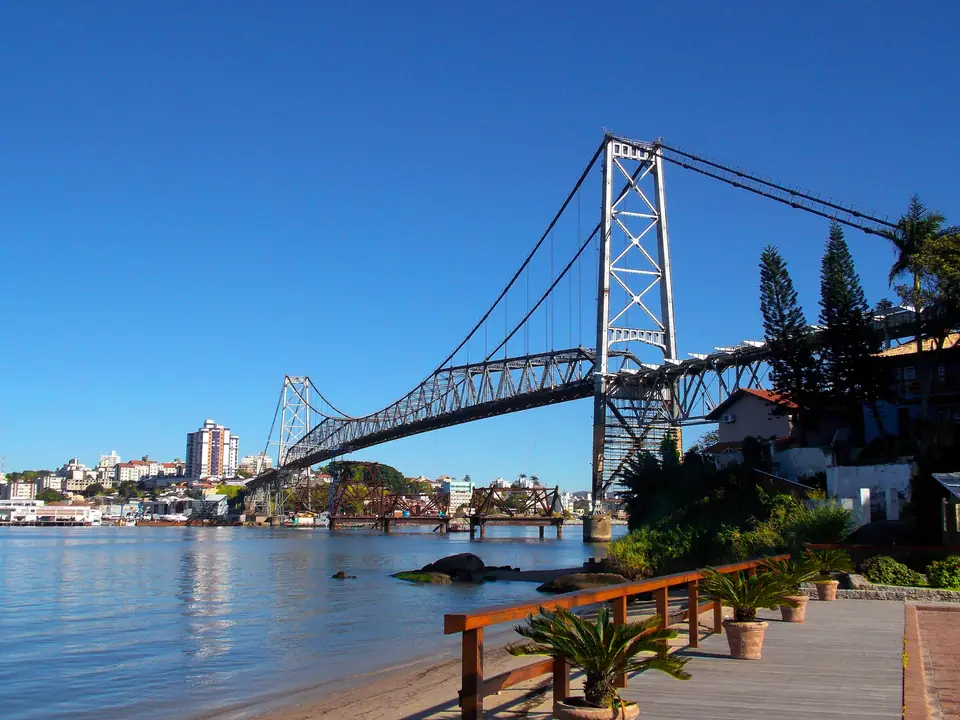
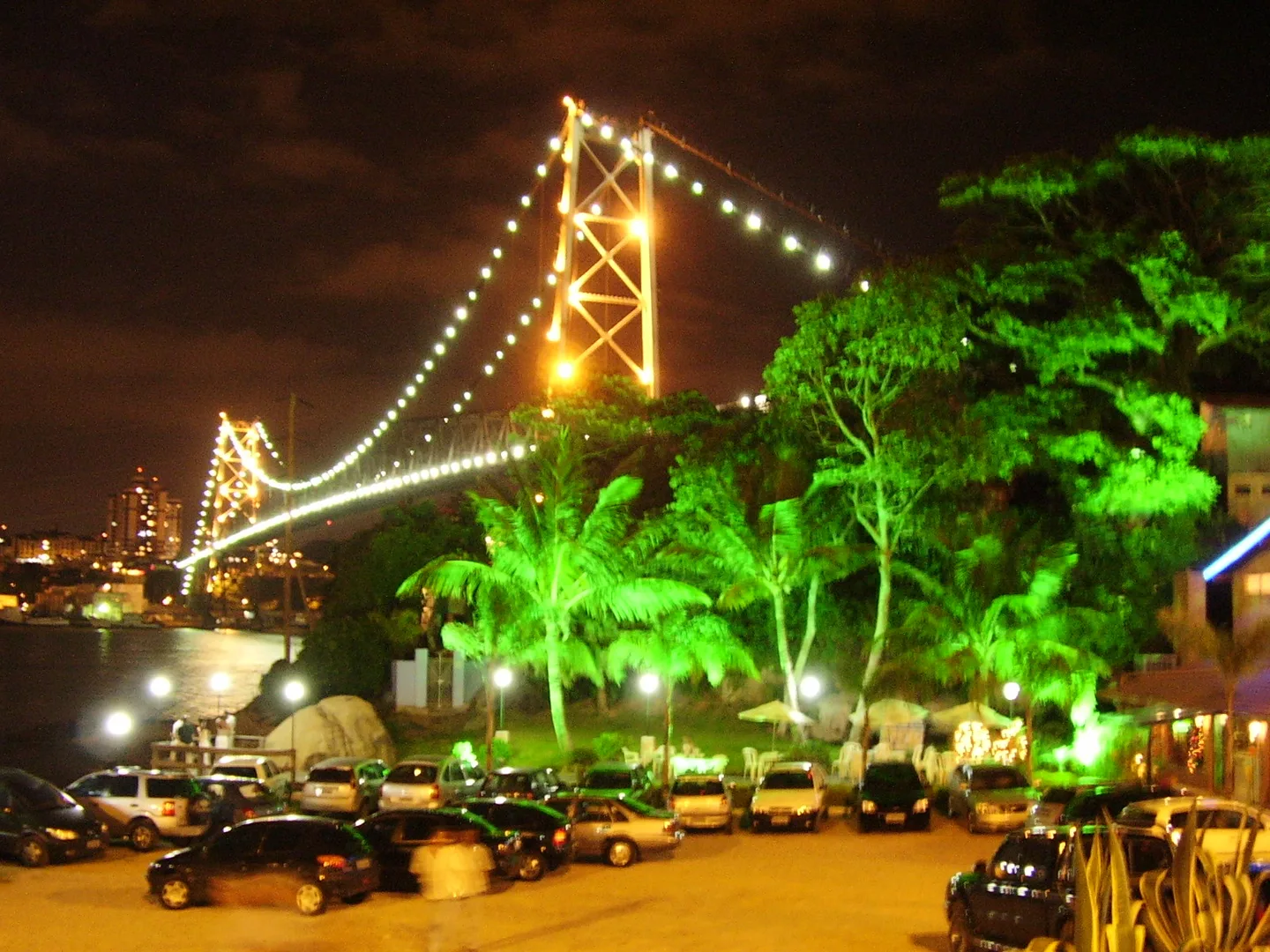
Begin your exploration in the historic centre around the suspension bridge and municipal market halls. Early mornings allow unhurried walks through colonial streets before midday heat sets in. From the centre, travel east to Lagoa da Conceição to watch fishing skiffs and explore walking paths skirting the calm tidal waters. Using our curated regional sights directory helps balance urban landmarks with protected coastal nature reserves.
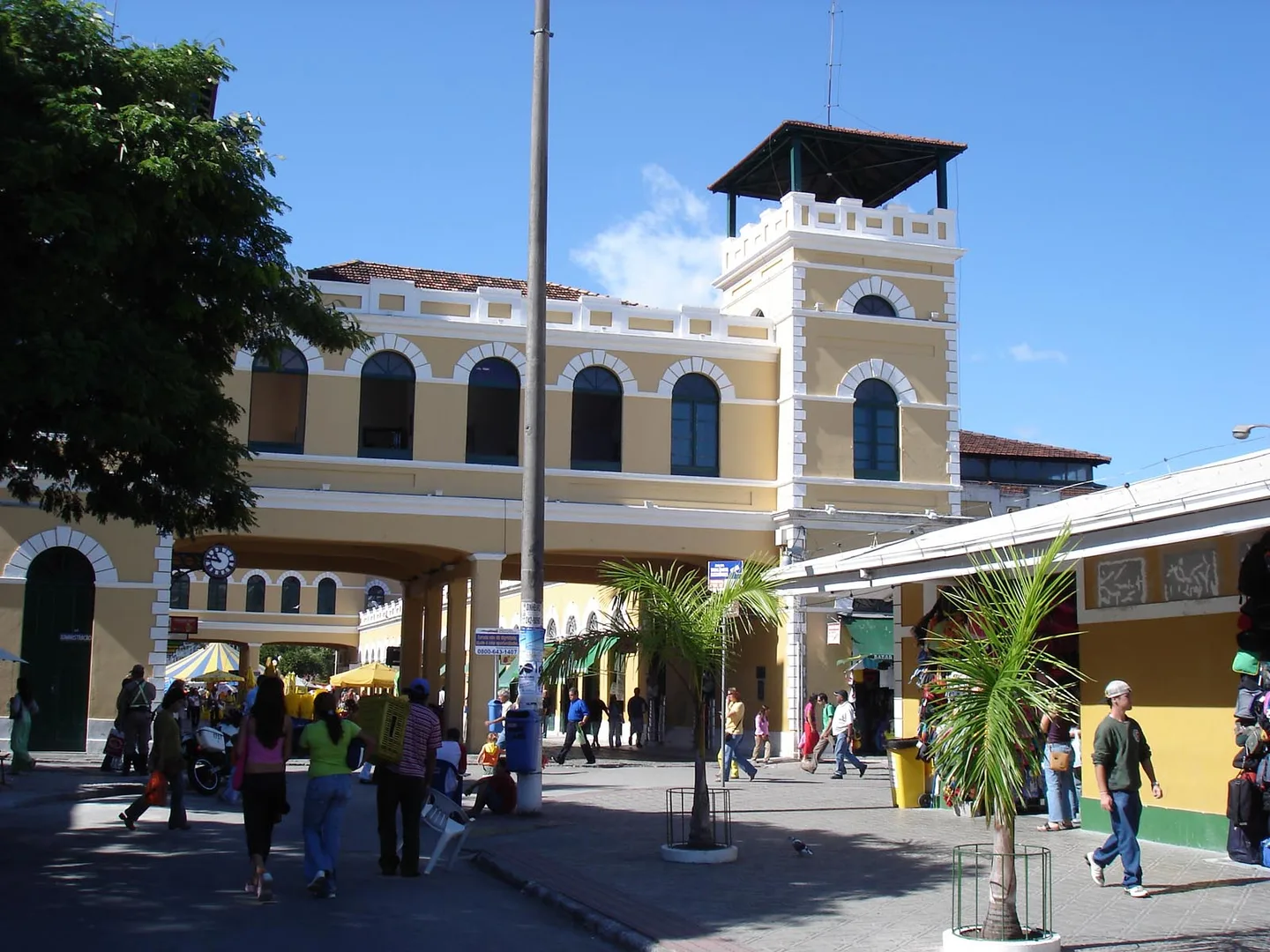
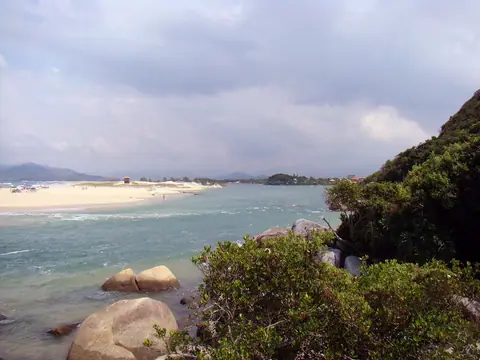
Active days belong on the southern peninsulas and eastern ocean beaches. Coastal trails wind over granite headlands toward hidden bays, rewarding hikers with sweeping Atlantic views. Surfers gather along Praia da Joaquina and Praia Mole, where consistent ocean swell breaks against golden sands. Following our balanced three-day route plan allows travellers to link these outdoor highlights without repeating long road transfers.
Quiet western shoreline villages provide sheltered waters for sea kayaking and stand-up paddleboarding. Small passenger launches ferry visitors from Lagoa da Conceição docks directly to Costa da Lagoa, an isolated heritage settlement accessible only by boat or forest trails.
Food and drink
Island cuisine centres squarely on the Atlantic Ocean and shallow western bays, famous nationwide for cultivated oysters. Traditional seaside taverns serve oysters raw with lime, baked with cheese, or poached in white wine beside cold local beer. The municipal market stands out as a prime spot to sample fried fish fillets, squid rings, and hearty shrimp stew served inside hollowed squash.
Azorean culinary roots remain visible in traditional side dishes, particularly seasoned manioc flour tossed with herbs and rich fish broth. Dining here follows relaxed coastal hours, with long seaside lunches stretching well into the afternoon along waterfront boardwalks. Pair fresh seafood platters with tropical fruit juices, finishing meals with local sweet pastries sold from family-owned bakeries.
Waterfront oyster farms in Ribeirão da Ilha maintain wooden piers extending directly over the water, where diners taste fresh shellfish within sight of the submerged cultivating beds. Casual beach kiosks serve grilled skewered cheese, chilled coconuts, and savoury pastries along major eastern surf beaches.
Culture
Eighteenth-century Azorean migrants left a lasting architectural and cultural footprint across Santa Catarina Island. Whitewashed colonial churches, stone ramparts, and distinctive lace-making traditions survive in historic western fishing communities. Residents take immense pride in preserving their coastal heritage, greeting travellers with warm hospitality while maintaining strong environmental protections over native sand dunes and Atlantic forests.
Respect local nature reserves by staying on marked paths and carrying all personal litter away from isolated beaches. Coastal currents along the open Atlantic shore can turn powerful quickly, making it essential to swim only near staffed lifeguard stations. Learning a few polite Portuguese greetings shows genuine appreciation, especially when purchasing seafood directly from village landing docks.
Traditional bobbin lace artisans still work along quiet village verandas in Santo Antônio de Lisboa, preserving historic handcraft patterns passed down through generations. Local fishing cooperatives continue small-scale artisanal net casting during winter mullet runs, maintaining maritime practices rooted in early colonial settlement.
Official prices and opening hours
- Projeto TAMAR Sea Turtle Centre (Barra da Lagoa)Official site ↗
Weather by month
Florianópolis is warmest in January, with average highs around 29°C, and coldest in July, when nights drop to about 14°C. February is the wettest month by rainfall (184 mm), with rain on about 18 days. For mild weather with fewer rainy days, aim for April, May, June, July, August and September.
| Month | Low | Range | High | Rain | Rainy days |
|---|---|---|---|---|---|
| Jan | 23°C | 29°C | 169 mm | 22 d | |
| Feb | 22°C | 28°C | 184 mm | 18 d | |
| Mar | 22°C | 27°C | 144 mm | 19 d | |
| Apr | 20°C | 26°C | 94 mm | 13 d | |
| May | 17°C | 23°C | 129 mm | 12 d | |
| Jun | 14°C | 21°C | 102 mm | 9 d | |
| Jul | 14°C | 20°C | 79 mm | 7 d | |
| Aug | 14°C | 21°C | 80 mm | 8 d | |
| Sep | 16°C | 22°C | 106 mm | 13 d | |
| Oct | 18°C | 23°C | 169 mm | 17 d | |
| Nov | 19°C | 25°C | 141 mm | 16 d | |
| Dec | 21°C | 27°C | 161 mm | 17 d |
Averages of daily values from 2015 to 2024. Rainy days are days with at least 1 mm of rain. Source: Open-Meteo · Compare destinations by month.
Florianópolis on the map
Every place we cover in Florianópolis. Tap a category or pin to explore.
In-depth Florianópolis guides
Browse the guides grouped by topic: sights, neighbourhoods, food, transport, day trips and trip planning.
Sights, Landmarks & Parks
Key monuments, viewpoints, museums and nature trails.
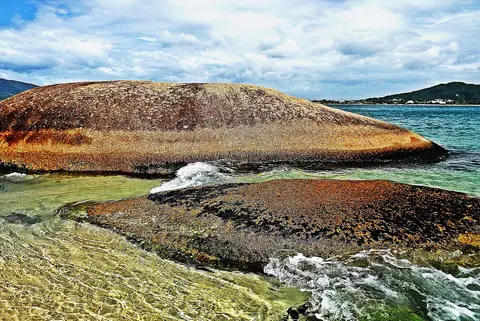 Things to Do in Florianópolis: Lagoons, Forest Paths and Atlantic ShorelinesFlorianópolis presents dramatic coastal scenery, combining preserved Atlantic forests, rolling sand dunes, colonial heritage, and ocean beaches across Santa Catarina Island.
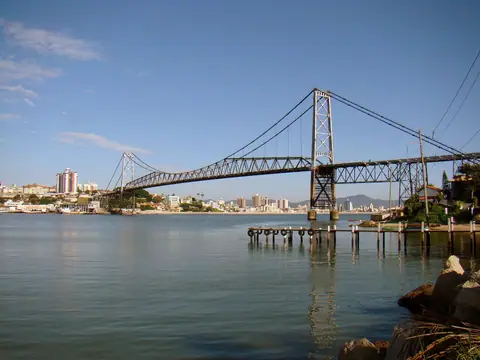 Ponte Hercílio Luz, Mercado Público and Historic CentroEngineering landmarks, market courtyards, and colonial shaded squares define downtown Florianópolis during walking tours.
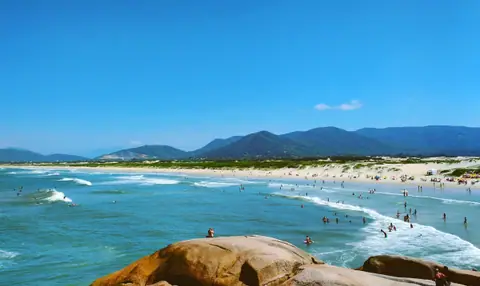 East Coast Surf Beaches and Coastal Trails of FlorianópolisThis eastern coastline links open ocean surf breaks, protected nature reserves, and coastal fishing paths across Ilha de Santa Catarina.
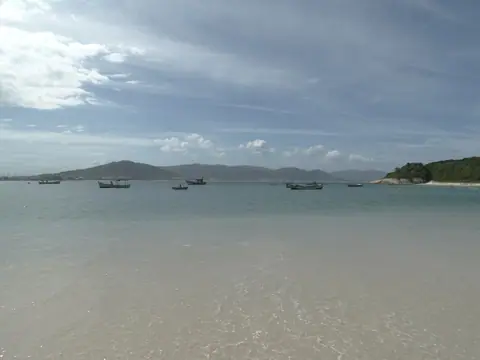 Ilha do Campeche and Praia do Campeche: Boats, Dunes and Coastal TrailsWe explore the clear waters of Ilha do Campeche alongside the wide ocean sands and rolling dunes of Praia do Campeche.
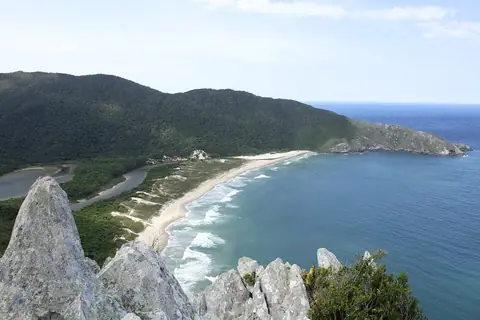 Southern Florianópolis Guide: Ribeirão da Ilha, Lagoinha do Leste, and Pântano do SulSouthern Florianópolis preserves traditional Azorean stone architecture, remote Atlantic rainforest trails, and coastal fishing settlements across quiet Atlantic coves.
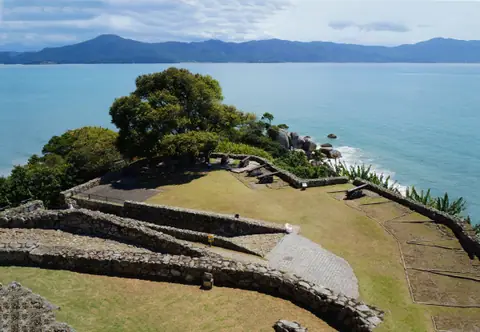 Jurerê Internacional, Daniela and Fortaleza de São José da Ponta Grossa GuideNorthern Florianópolis pairs the planned promenades of Jurerê Internacional with quiet sands at Daniela and colonial stone ramparts overlooking the bay.
Neighbourhoods & Where to Stay
Districts, historic quarters and the best bases for your stay.
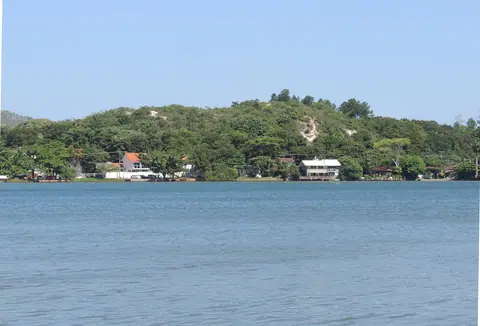 Where to Stay in Florianópolis: Balanced Bases Across Santa Catarina IslandChoosing the right base in Florianópolis determines your transit times, beach access, and evening walkability across this large island.
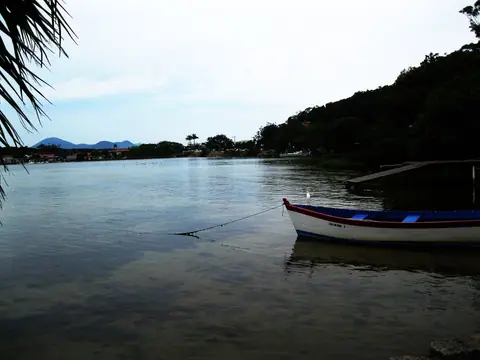 Lagoa da Conceição, Dunas da Joaquina and Costa da LagoaSaltwater shallows, shifting sand ridges, and secluded waterside hamlets make Lagoa da Conceição the geographic and cultural heart of Santa Catarina Island.
Food & Drink
Local dishes, markets, cafés and dining districts.
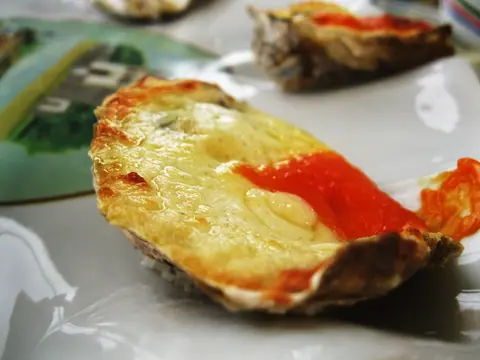 What to Eat in Florianópolis: Oysters, Shrimps and MulletFlorianópolis showcases Brazil's coastal cooking, pairing fresh mariculture oysters and Atlantic mullet with classic Azorean seafood sequences across historic fishing bays.
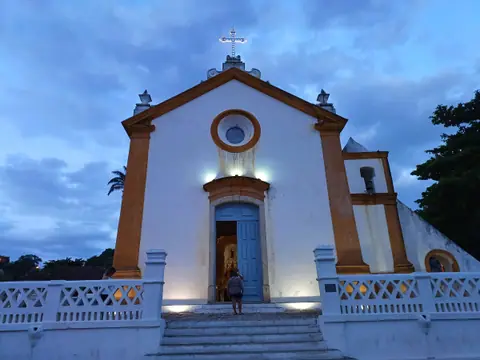 Santo Antônio de Lisboa & Sambaqui Guide: Azorean Heritage and Sunset OystersSanto Antônio de Lisboa and neighbouring Sambaqui pair preserved eighteenth-century Azorean architecture with quiet bayside oyster farming along North Bay shores.
Getting Around & Arrival
Airport transfers, public transit, passes and driving rules.
Day Trips & Excursions
Easy half-day and full-day trips from the city.
Trip Planning & Itineraries
When to visit, what to pack and day-by-day routes.
 Florianópolis Field Manual: Coastal Zones, Island Geography, and Transport RoutesUnderstanding the island geography, mainland bridges, and distinct bay zones helps travellers navigate the diverse coastal regions of Florianópolis.
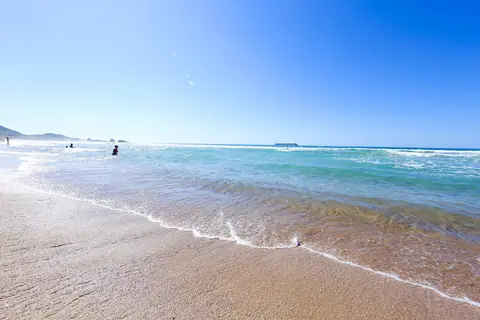 Best Time to Visit Florianópolis: Subtropical Seasons, Summer Surf and WhalesSubtropical coastal rhythms dictate beach swells, trail mud, and whale sightings across Santa Catarina Island throughout the travelling year.
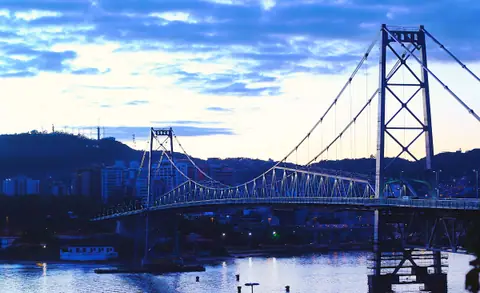 3 Days in Florianópolis Itinerary: Lagoa, Ilha do Campeche & Azorean SunsetWe navigate three balanced days across central Florianópolis, lagoon waterways, southern island crossings, and historic western bays.
Need your embassy or consulate in Brazil? See embassies and consulates in Brazil.
Reviews
Log in to write a review.
No reviews yet.