São Paulo
Brazil's commercial metropolis unites striking modernist architecture, expansive urban parks, distinct heritage districts, and an exceptional regional dining culture across vast neighbourhoods.
Quick decisions
How many days?
Plan three full days to take in central cultural avenues, art institutions, green parks, and varied culinary districts without fatigue.
Where should I stay?
Base yourself near Jardins or Pinheiros for leafy streets and reliable access to Line 4 Yellow metro services.
Do I need a car?
Avoid hiring a car because dense road traffic causes heavy gridlock, whereas urban rail lines run frequently across key districts.
Best for
Independent travellers focused on twentieth-century modernist architecture, visual arts, expansive urban gastronomy, and coffee culture find rich rewards across the city.
Before you go
Pack a light waterproof layer because afternoon rainfall develops quickly, and keep mobile devices out of sight on central streets.
Getting around
Purchase rechargeable metro cards at ticket windows to navigate interchange stations quickly during morning and evening rush hours.
Continue your trip
Catch intercity coach connections or regional flights onward to Atlantic coastal towns once your metropolitan itinerary concludes.
Overview
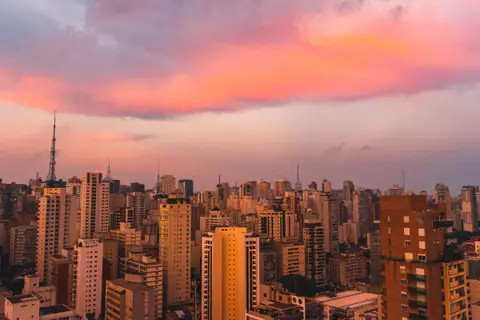
São Paulo forms the economic core of Brazil, spread over an elevated plateau cut by deep urban valleys and high-rise avenues. Moving through this vast urban area reveals distinct districts that developed around historic trading routes, immigrant communities, and twentieth-century commercial corridors. Modernist residential towers, concrete viaducts, and preserved neo-classical landmarks sit side by side, creating an engaging urban landscape for travellers exploring on foot. Each metropolitan quarter carries its own pace, from narrow coffee-era trading streets downtown to leafy western hillsides.
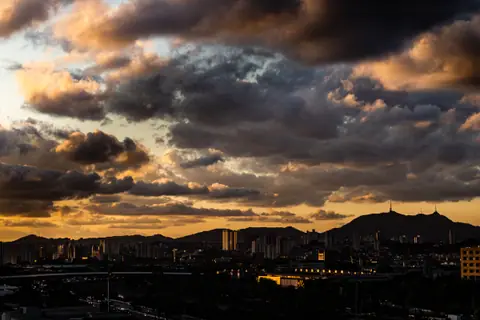
Weather conditions change noticeably between the seasons across the southern hemisphere calendar. Midwinter months around July see mild daily maximums averaging 22.2°C alongside crisp afternoon skies and low humidity. Rainfall in July drops to 31 mm over just 3 wet days. In contrast, January brings the height of summer warmth, with daytime temperatures averaging 27.1°C alongside 224 mm of rain across 24 wet days. Preparing for sudden downpours keeps afternoon walking tours comfortable across the plateau.
Getting there
Long-distance international flights touch down at Guarulhos Terminal northeast of the city centre. Travellers reach central stations by boarding the CPTM Linha 13 rail connection or taking designated executive express coaches. Congonhas Aerodrome handles domestic services closer to southern commercial districts, where municipal bus corridors and licensed taxi stands link directly into the underground network.
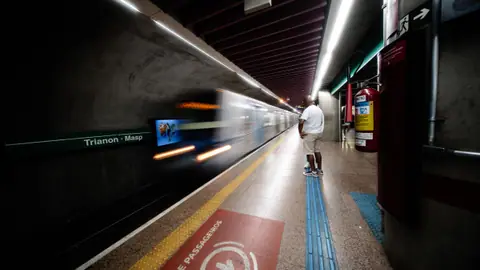
Inside the metropolitan perimeter, the integrated rail network offers the fastest way to move between distant neighbourhoods. Metro lines run with dependable headways, connecting historic civic plazas to financial boulevards and residential quarters. Travellers can check practical transit arrival details before boarding, keeping small change ready for ticketing counters across main interchange terminals.
Where to stay
Choosing where to sleep shapes your daily travel experience across this sprawling metropolis. Neighbourhoods flanking the central ridge along Avenida Paulista offer superb transit access, cultural institutions, and illuminated walkways for evening dining. Gentle hills drop down towards Jardins, where tree-lined residential roads give quieter nights away from major traffic junctions while remaining within walking distance of renowned bistros.
Further west, Pinheiros and Vila Madalena appeal to travellers who prefer low-rise streetscapes, independent coffee shops, and creative galleries. Both districts connect directly to Line 4 Yellow, allowing smooth transit into downtown squares without highway delays. You can compare each quarter through our neighbourhood base overview to select quiet streets near convenient metro entrances.
Things to do
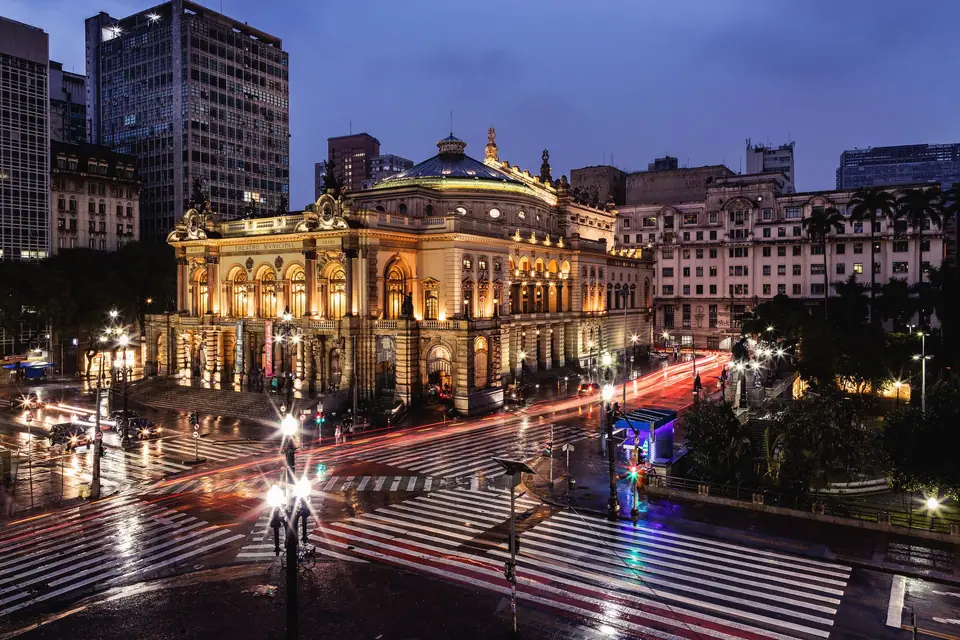
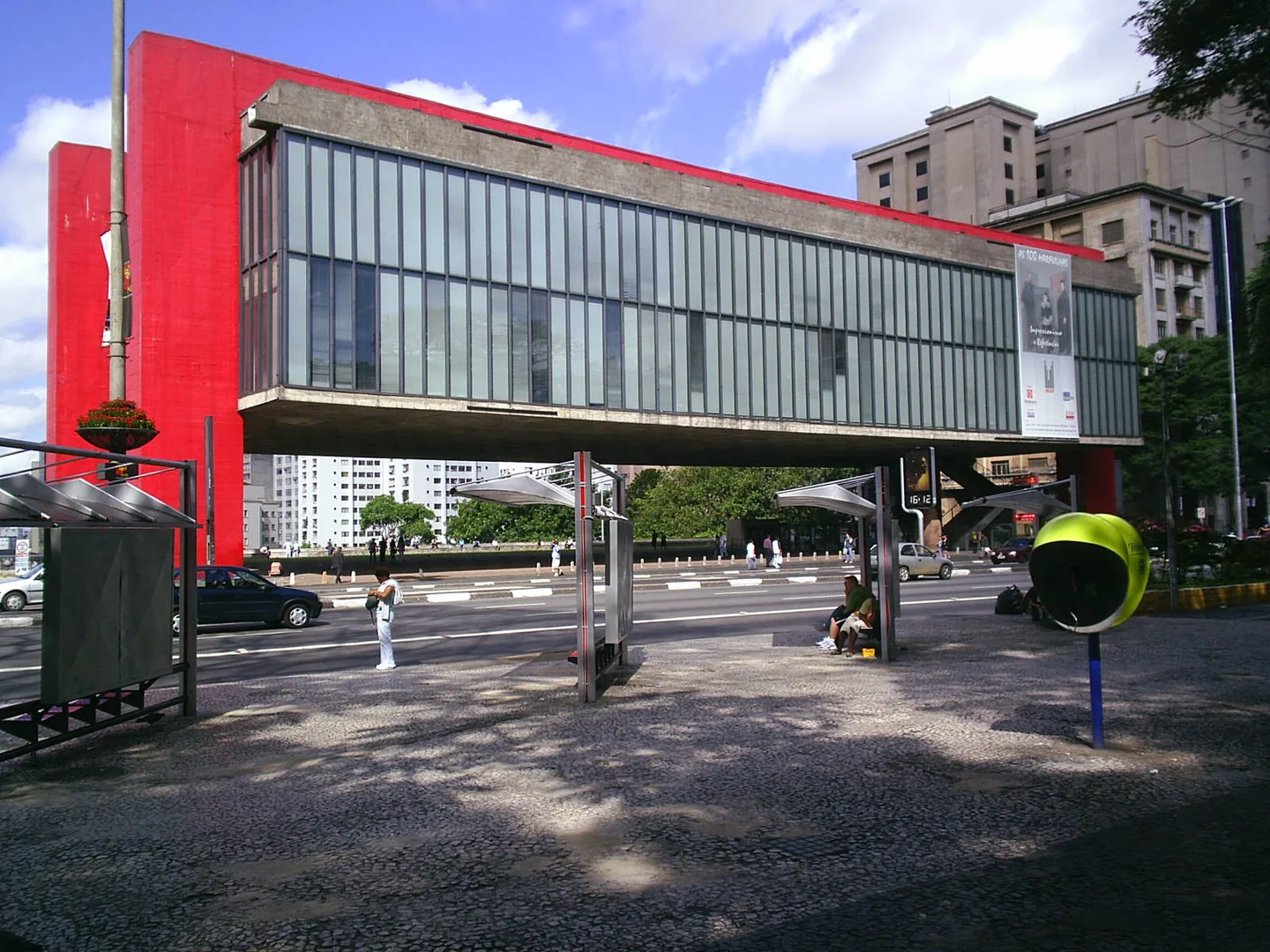
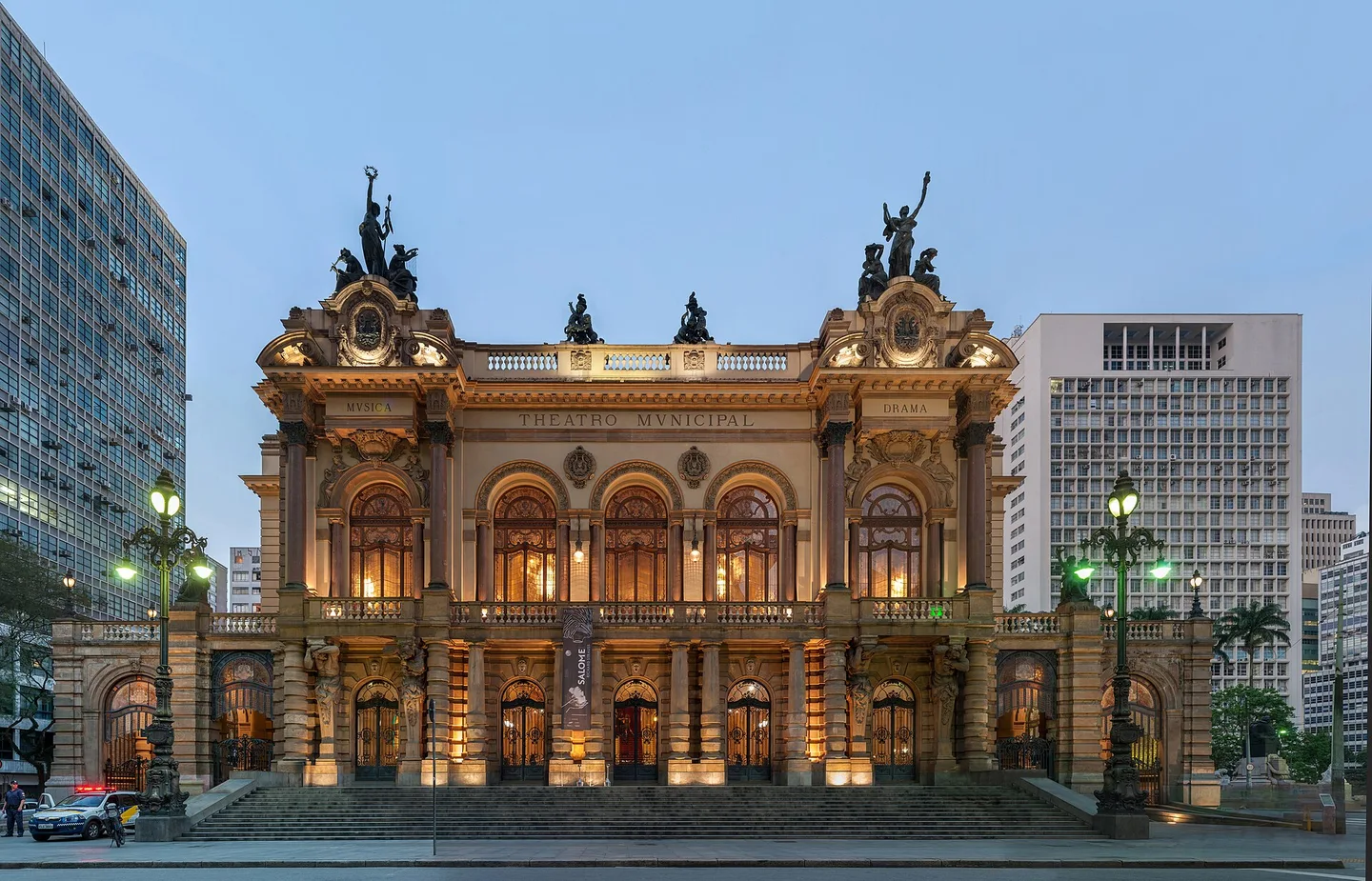
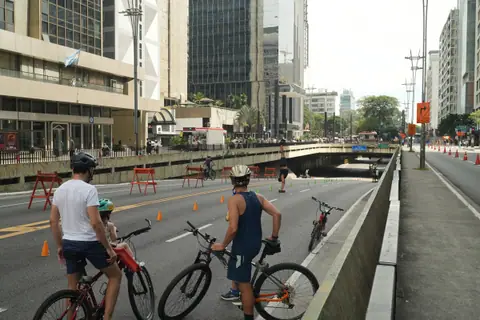
A balanced itinerary begins along Avenida Paulista, home to major cultural foundations, preserved coffee-baron residences, and the landmark red support pillars of MASP. Heading northeast into the old central grid brings you to the Praça da Sé, the ornate Municipal Theatre, and elevated viaducts overlooking the steep Anhangabaú transport valley. Organise central walking tours early in the morning when pedestrian traffic remains steady and natural daylight fills public squares.
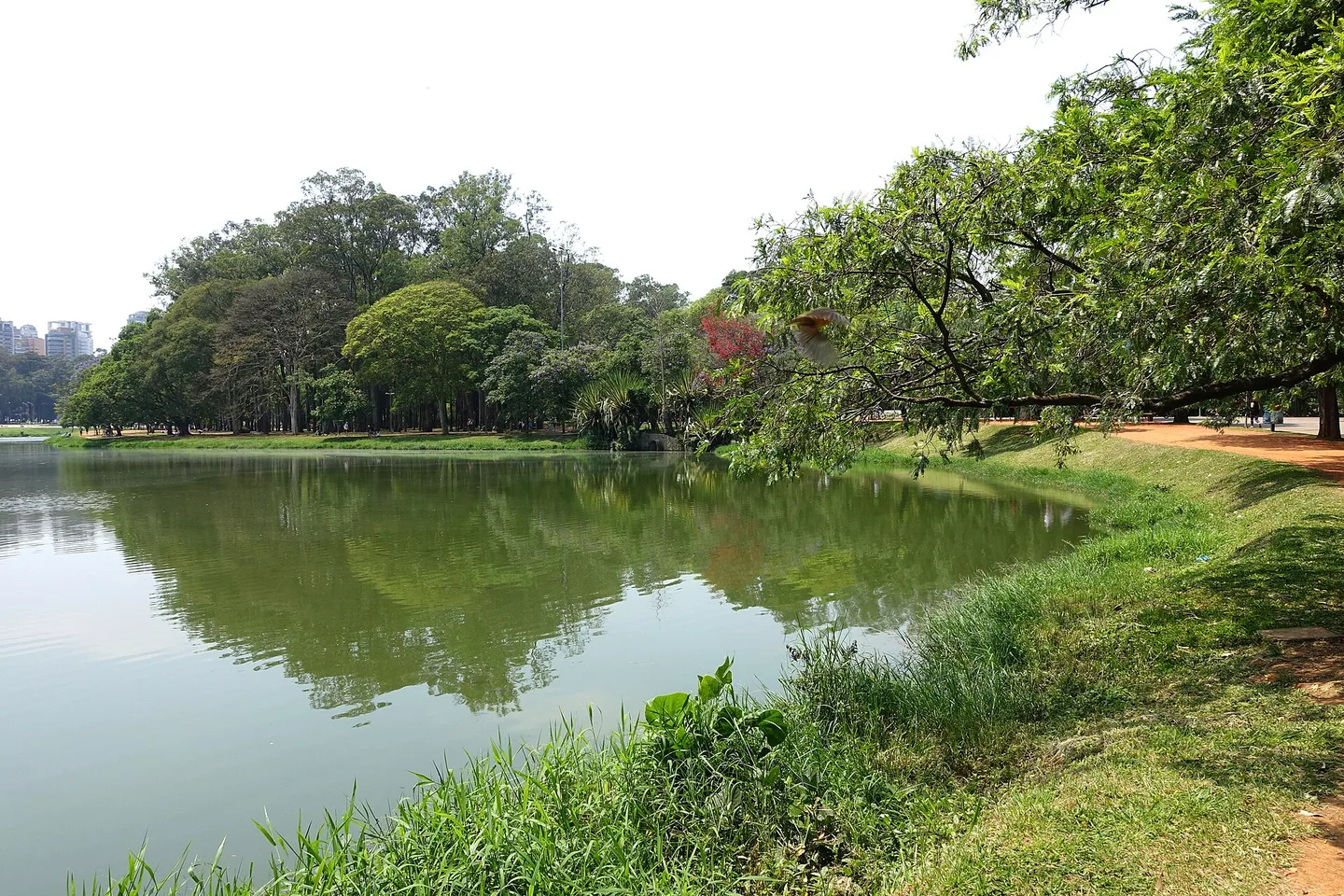
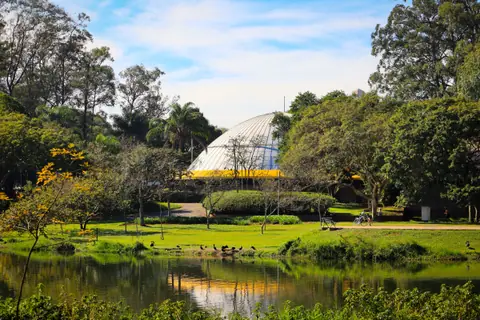
South of the primary financial avenues, Ibirapuera Park opens into extensive green lawns, shaded cycleways, and exhibition pavilions created by celebrated Brazilian designers. Walking through the landscaped lakeside gardens gives a calm break between museum visits across the plateau. Combine these highlights with our sightseeing route collection and plan your gallery stops using our dedicated Avenida Paulista walking notes.
Food and drink
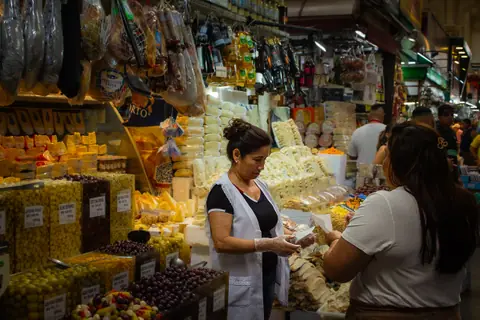
Dining in São Paulo reflects waves of international migration alongside deep regional culinary heritage. Central covered markets display towering piles of tropical fruit, cured cheeses, and fresh mortadella sandwiches served on crisp bread rolls. The Liberdade district serves hand-pulled noodles, steamed buns, and traditional Japanese confectionery, while traditional pizzerias in Bixiga honour southern Italian baking methods.
Midday meals often centre on hearty commercial plates featuring rice, black beans, farofa, and grilled meats, traditionally anchored by feijoada on Wednesdays and Saturdays. Specialty coffee shops roast domestic beans from nearby highland plantations, offering bright espresso between museum stops. Travellers who enjoy regional recipes can study our market and dining advice before setting out for dinner.
Culture
São Paulo rewards travellers who respect practical urban etiquette and neighbourhood rhythms. Keep valuables discreet on metro platforms and busy shopping avenues, especially around older civic squares after business hours finish. Pedestrian crossings require vigilance because traffic moves briskly, though dedicated cycle paths in western districts offer peaceful movement.
Cultural institutions often manage ticketing through online queues, making early booking advisable for special exhibitions and classical concerts. Dress codes remain casual yet polished across city dining rooms, where diners linger late over shared tables and seasonal Brazilian plates. Pair your cultural visits with our three-day city schedule to balance architectural walks with relaxing afternoon garden visits across southern districts.
Official prices and opening hours
- São Paulo Metro & CPTM Rail NetworkOfficial site ↗
- MASP — Museu de Arte de São PauloOfficial site ↗
Weather by month
São Paulo is warmest in January, with average highs around 27°C, and coldest in July, when nights drop to about 12°C. January is the wettest month by rainfall (224 mm), with rain on about 24 days. For mild weather with fewer rainy days, aim for April, May, June, July, August and September.
| Month | Low | Range | High | Rain | Rainy days |
|---|---|---|---|---|---|
| Jan | 19°C | 27°C | 224 mm | 24 d | |
| Feb | 19°C | 27°C | 168 mm | 19 d | |
| Mar | 18°C | 26°C | 146 mm | 19 d | |
| Apr | 16°C | 25°C | 58 mm | 10 d | |
| May | 14°C | 23°C | 50 mm | 8 d | |
| Jun | 13°C | 22°C | 43 mm | 6 d | |
| Jul | 12°C | 22°C | 31 mm | 3 d | |
| Aug | 13°C | 23°C | 47 mm | 6 d | |
| Sep | 15°C | 26°C | 67 mm | 8 d | |
| Oct | 16°C | 26°C | 114 mm | 15 d | |
| Nov | 16°C | 25°C | 141 mm | 17 d | |
| Dec | 18°C | 27°C | 163 mm | 21 d |
Averages of daily values from 2015 to 2024. Rainy days are days with at least 1 mm of rain. Source: Open-Meteo · Compare destinations by month.
São Paulo on the map
Every place we cover in São Paulo. Tap a category or pin to explore.
In-depth São Paulo guides
Browse the guides grouped by topic: sights, neighbourhoods, food, transport, day trips and trip planning.
Sights, Landmarks & Parks
Key monuments, viewpoints, museums and nature trails.
Neighbourhoods & Where to Stay
Districts, historic quarters and the best bases for your stay.
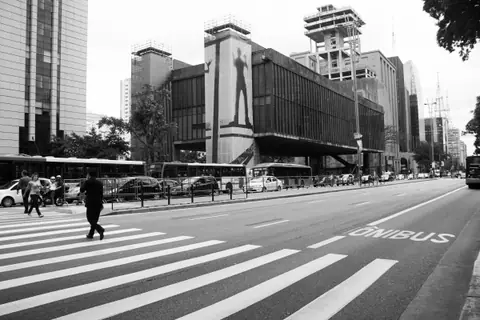 Avenida Paulista Guide: MASP, Architecture and Open StreetsAvenida Paulista serves as the central cultural ridge of São Paulo, uniting major museums and pedestrian spaces across its broad thoroughfare.
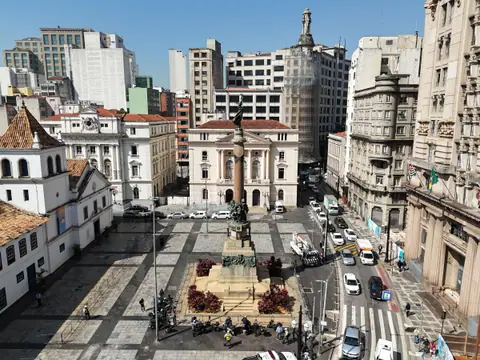 Historic Centre of São Paulo: Sé, Anhangabaú and Luz GuidePraça da Sé, grand pedestrian viaducts, and rail halls anchor walks through the architectural heritage of central São Paulo.
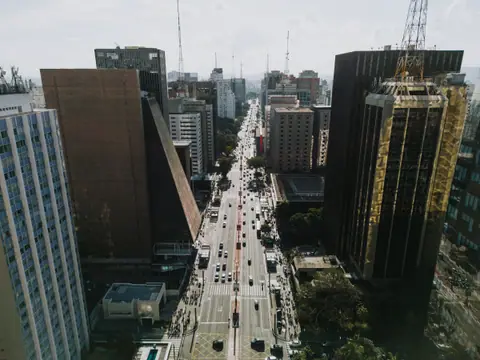 Choosing Your Base in São Paulo: Neighbourhood Strengths and Transit AccessNeighbourhood quarters across São Paulo offer dependable bases with rapid underground connections for visiting travellers.
Food & Drink
Local dishes, markets, cafés and dining districts.
Getting Around & Arrival
Airport transfers, public transit, passes and driving rules.
Trip Planning & Itineraries
When to visit, what to pack and day-by-day routes.
 São Paulo Field Guide: Urban Layout and Transit NavigationUnderstanding the vast urban layout of São Paulo requires mastering its underground lines, distinct neighbourhoods, and rapid pedestrian thoroughfares.
 When to Visit São Paulo: Weather Patterns, Cultural Seasons and Urban RhythmsChoosing the best period for São Paulo depends on balancing pleasant subtropical temperatures against the intense tropical downpours of high summer.
 What to Wear in São Paulo: Seasonal Packing and City Dress CodesMastering the local dress code in São Paulo means balancing cosmopolitan casual flair with weather versatility across diverse urban districts.
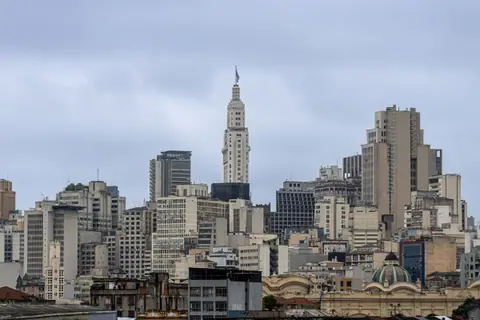 Three Days in São Paulo: A Practical Walking and Metro RouteWe map a practical three-day route through São Paulo using underground train connections to link classic architecture and modern cultural venues.
Need your embassy or consulate in Brazil? See embassies and consulates in Brazil.
Reviews
Log in to write a review.
No reviews yet.