Avenida Paulista Guide: MASP, Architecture and Open Streets
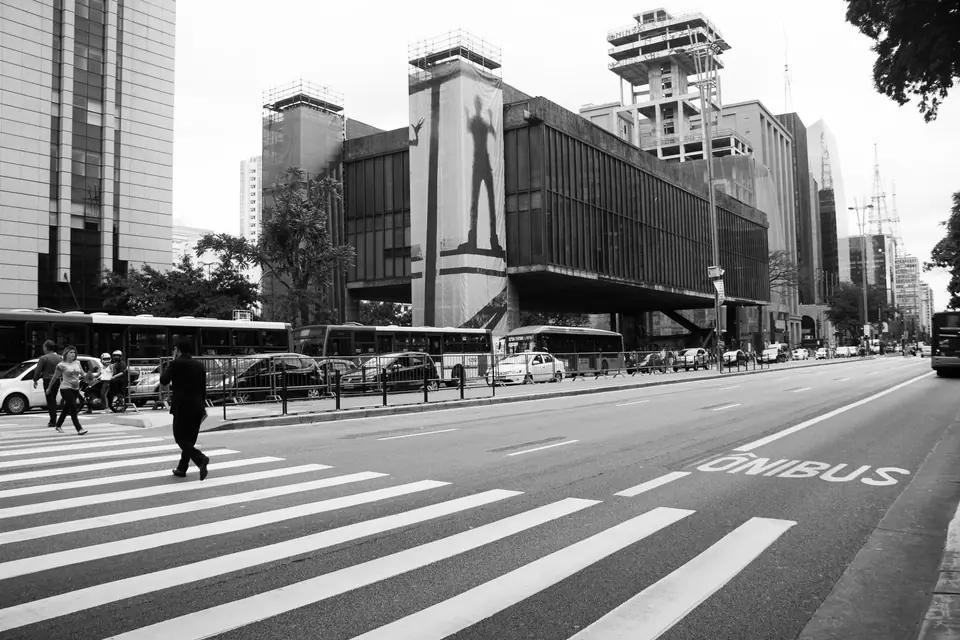
Avenida Paulista serves as the central cultural ridge of São Paulo, uniting major museums and pedestrian spaces across its broad thoroughfare.
Walking the Cultural Spine of São Paulo
Rising along a high ridge, Avenida Paulista functions as the civic anchor of the metropolis. The wide avenue balances commercial headquarters with extensive cultural foundations that welcome walkers throughout the week. Exploring the thoroughfare on foot reveals how corporate glass towers stand right beside historic residential buildings.
Wide pavements lined with Portuguese stone mosaics invite long journeys across diverse urban blocks. Trees provide shade near older mansion plots, offering brief respites from the tropical sun. Visitors who arrange city itineraries often combine this boulevard with central districts highlighted in our main cultural attractions.
Modern food halls, pavement cafes, and bookshops populate the ground levels of several high-rise towers. Public transport runs directly beneath the roadway, making the avenue one of the easiest areas to navigate in South America.
Pedestrians can wander between distinct neighbourhoods bordering the ridge, shifting quickly from business offices into leafy residential lanes. Pavement newspaper kiosks sell cold refreshments, public transport cards, and magazines alongside local handcrafts. Public benches positioned near landscaped building entrances allow visitors to rest between museum stops.
City life unfolds continuously along the broad corridor from early commuter rush hours to relaxed evening dinner seatings. Office workers fill coffee shops in the morning, while cultural visitors and street musicians populate the pavement later in the day. This layered atmosphere gives the thoroughfare its reputation as the essential heartbeat of the city.
Architectural Landmarks and MASP Concrete Voids
The Museu de Arte de São Paulo stands out as the architectural centrepiece of the avenue. Architect Lina Bo Bardi suspended the main glass gallery from huge red concrete beams, creating an open public plaza underneath. This covered ground space shelters outdoor gatherings, independent book stalls, and casual meeting spots.
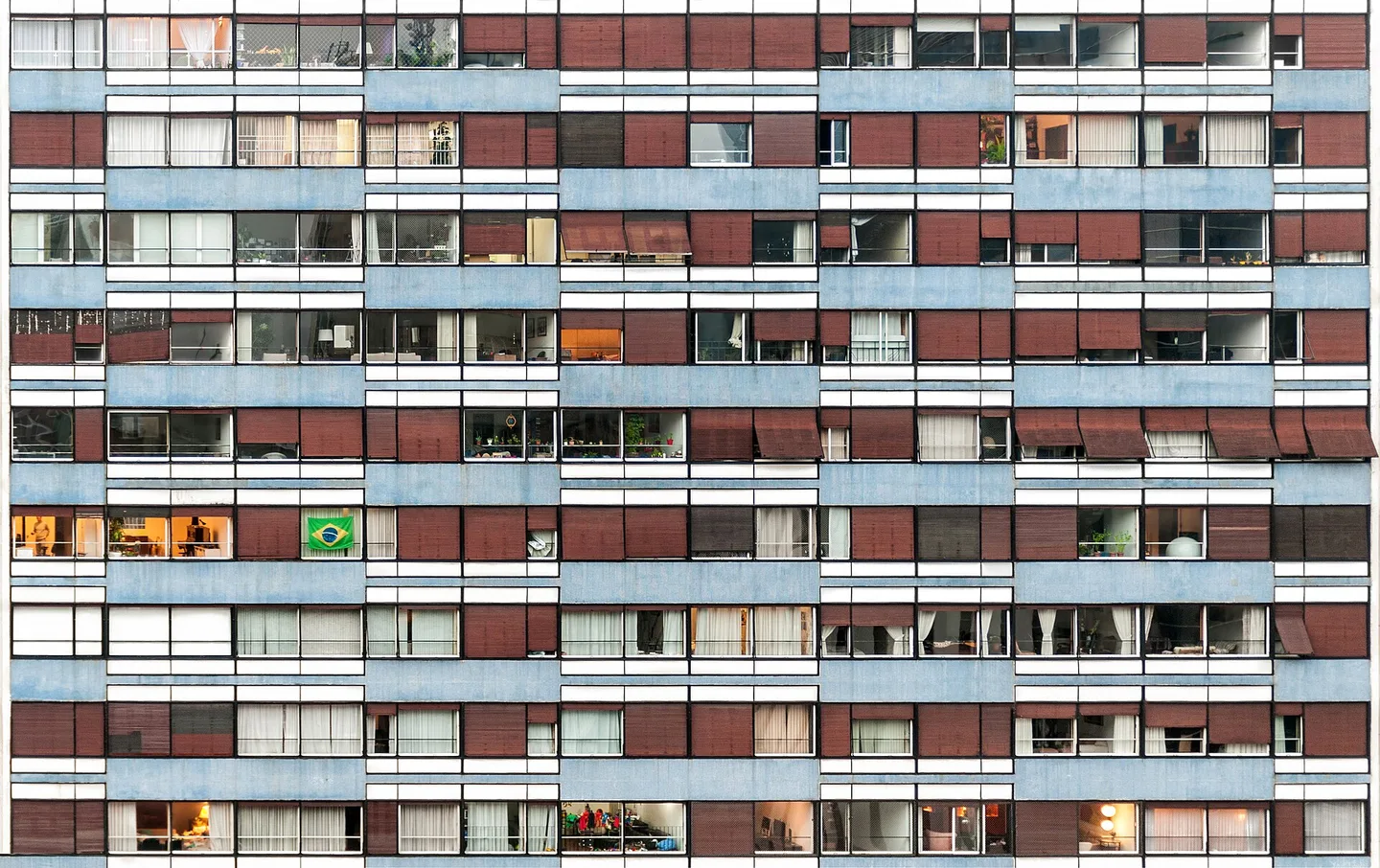
Further along the street, striking residential towers illustrate mid-century modern design principles. Clean horizontal window bands and thoughtful shaded facade panels characterise buildings such as the Paulicéia complex. Contrasts between brutalist concrete and older stone facades reflect the layered development of the capital.
Art lovers should check MASP's official ticketing portal for timed admission details before heading to the plaza. Across the street, neighbouring foundations present rotating photography exhibitions, film screenings, and design showcases that complement the main galleries.
Historical estates like Casa das Rosas preserve the memory of the original coffee baron mansions that once lined the ridge. Surrounded by classic rose bushes, the restored mansion offers a striking counterpoint to the neighbouring steel towers. Stepping into its courtyard introduces travellers to classic residential proportions from early twentieth-century urban expansions.
Nearby cultural institutes feature modern glass facades designed to draw natural daylight into multi-level public galleries. Many of these contemporary buildings incorporate quiet internal reading rooms and tranquil courtyard gardens away from traffic noise. Exploring these indoor spaces reveals how modern Brazilian architecture integrates art collections directly with public urban life.
Open Street Sundays and Pedestrian Exploration
On Sunday mornings, city authorities close the avenue to private cars and motor vehicles. The entire tarmac transforms into a shared urban park filled with cyclists, skateboarders, and walking families. Musicians set up acoustic performances beneath office towers, turning the roadway into a lively public festival.
Combining indoor gallery visits with Sunday street wanderings offers a rewarding way to experience local urban life. You can pick up traditional snacks from pavement vendors who set up along side streets. Travellers mapping arrival routes through international terminals can use airport rail and coach connections to coordinate transit.
Because road access closes to motor traffic during these events, travellers must rely on underground rail stations to reach the avenue. Below is a summary of major cultural stops located along the boulevard:
- MASP: modernist suspended art museum with an open sheltered plaza below.
- Instituto Moreira Salles: contemporary gallery focused on photography and Brazilian cinema.
- Japan House: cultural institute dedicated to contemporary Japanese art and culinary craft.
- Casa das Rosas: historic mansion garden offering literary events and quiet shade.
- Itaú Cultural: multi-floor gallery space presenting rotating exhibitions on Brazilian heritage and visual arts.
- Centro Cultural Fiesp: arts complex featuring an outdoor digital facade, theatre performances, and photography halls.
Street markets assemble in the open areas beneath suspended buildings and along municipal plaza spaces. Antique dealers display vintage maps, coins, and retro home decor items for browsing pedestrians. These Sunday gatherings create an engaging outdoor fair atmosphere that complements formal art museum visits.
Connecting Transit Lines and Cultural Centres
Avenida Paulista benefits from extensive underground transit coverage through multiple connected metro stations. Green Line trains run directly below the central roadway, stopping at convenient points near major galleries. Transfer stations allow easy movement north toward the historic downtown or south toward Jardins.
Walking between stations takes little effort, as the terrain along the ridge stays relatively level. Crossing side streets remains simple thanks to frequent pedestrian signals and dedicated bicycle lanes. Anyone arranging an extended stay across the metropolis can use our urban layout overview for wider neighbourhood suggestions.
Planning gallery stops during cooler morning hours helps travellers avoid humid afternoon rains. Check official Metrô service advisories for current underground transfer options along the Green Line. By using the metro, visitors can easily explore the entire cultural corridor within a single relaxed day.
Pedestrian connections from the avenue lead smoothly into adjacent quarters such as Bela Vista and Cerqueira César. In these surrounding side streets, independent cafes, craft bakeries, and neighbourhood bistros offer quiet lunch settings. Returning to the main avenue places travellers back along direct metro corridors connecting straight to regional transport terminals.
Official prices and opening hours
- São Paulo Metro & CPTM Rail NetworkOfficial site ↗
- MASP — Museu de Arte de São PauloOfficial site ↗
Where it is
- 1Avenida Paulista
- Congonhas–Deputado Freitas Nobre Airport (CGH) · about 7 km from here in a straight line
- Directions in Google Maps
Stations and taxi ranks: OpenStreetMap. Airports: OurAirports. Distances are in a straight line.
Traveller tips
Real advice from people who have been to São Paulo. Every tip is read by our team before it goes live.
No tips yet. Been here? Yours could be the first.
Thank you! Your tip will appear here after a quick review.
More in São Paulo
Continue exploring São Paulo with related neighbourhood, food, and planning guides
Dining Across São Paulo: Feiras, Markets, and Historic Counters
São Paulo, Brazil
Choosing Your Base in São Paulo: Neighbourhood Strengths and Transit Access
São Paulo, Brazil
Three Days in São Paulo: A Practical Walking and Metro Route
São Paulo, Brazil
São Paulo Field Guide: Urban Layout and Transit Navigation
São Paulo, Brazil
