When to Visit São Paulo: Weather Patterns, Cultural Seasons and Urban Rhythms
Choosing the best period for São Paulo depends on balancing pleasant subtropical temperatures against the intense tropical downpours of high summer.
Summer Rhythms and Tropical Downpours
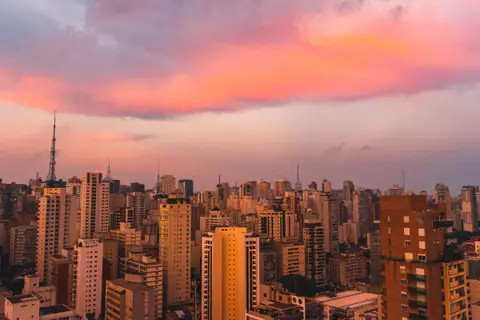
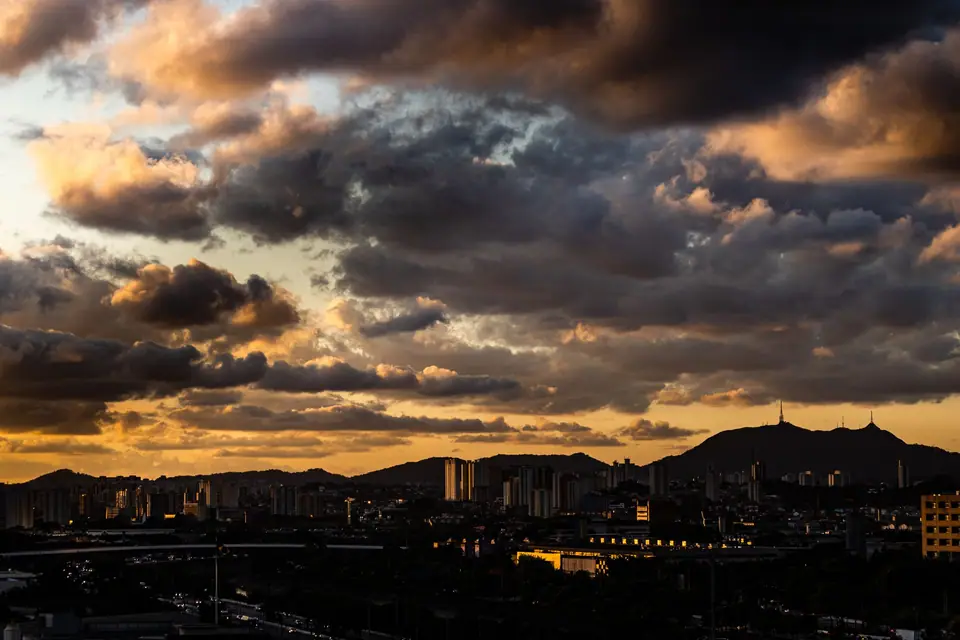
São Paulo sits upon an elevated plateau in southeastern Brazil. This elevation shapes an energetic subtropical climate with distinct atmospheric shifts throughout the calendar. Summer brings warm humidity paired with dramatic afternoon thunderstorms that sweep across the urban canopy. These heavy rains frequently cause surface water accumulation along major thoroughfares. Because of this standing water, underground rail travel acts as an essential backup for any daily schedule. Early mornings during these humid months offer clear light before convective clouds accumulate over the high-rise horizon.
Visiting during the warmest stretch allows travellers to witness lively street gatherings and outdoor park life. However, sudden downpours mean outdoor itineraries require flexible backup options nearby. Packing quick-drying layers and sturdy waterproof footwear protects against sudden street gutter flows. Review our practical advice on what to wear across changing weather to handle these sudden tropical downpours comfortably.
Morning outings remain ideal for walking tours through open squares before heat builds up. When afternoon clouds gather, shifting activities toward sheltered arcades keeps plans moving smoothly. Carry a compact umbrella or light rain poncho in your daypack at all times. Being prepared prevents sudden downpours from disrupting your transit connections.
Autumn and Winter Dry Spells
As the southern hemisphere transitions towards midyear, rainfall totals drop substantially across the state capital. Autumn and winter bring crisp mornings, mild afternoons, and significantly drier air masses from the interior plateau. These cooler months create dependable walking conditions across hilly districts and broad avenues. Walking long pedestrian stretches becomes pleasant without the intense radiant heat reflected from vast concrete facades.
Winter evenings can feel surprisingly brisk due to the altitude of the city, requiring light jackets and knitwear. Blue skies dominate the daytime during this stretch, though temperature inversions can occasionally trap haze across the metropolitan basin. Cultural institutions schedule major gallery rotations and indoor events during these settled months to take advantage of the stable conditions. Planning museum itineraries during this dry window guarantees reliable movement between transit stops and exhibition foyers.
Dry weather also makes outdoor architectural exploration far more practical. Walking down historical avenues without rushing away from rain lets you appreciate vintage facades at an unhurried pace. Daylight remains steady and comfortable, making daytime photography crisp and dependable across open plazas.
Navigating the City Across Changing Seasons
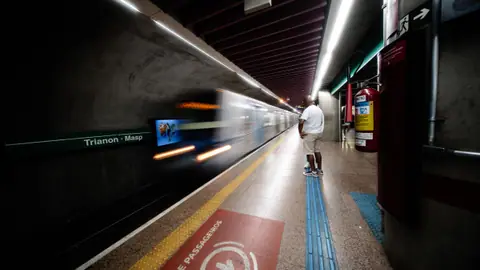
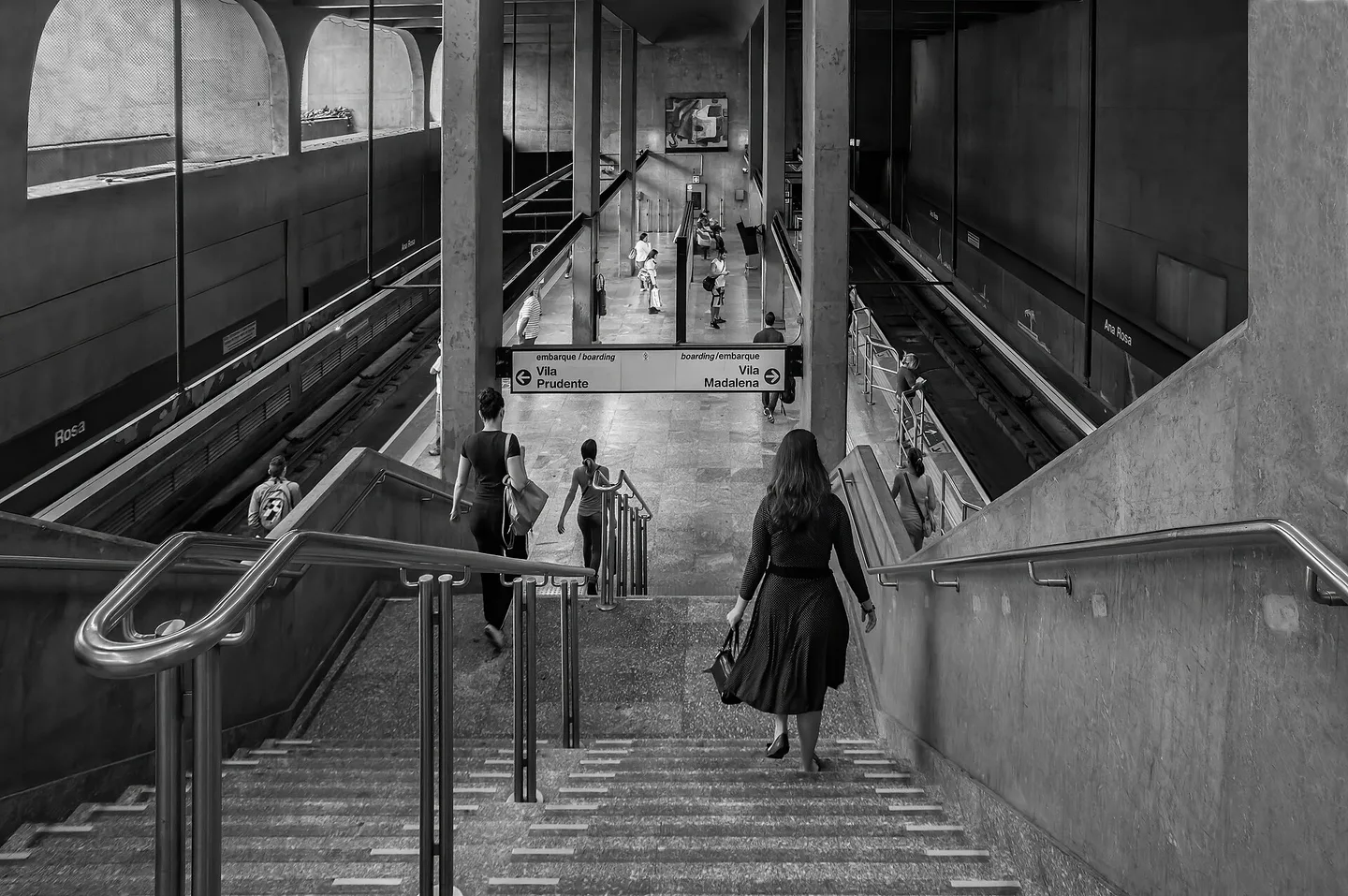
Weather conditions directly influence how travellers navigate this vast metropolis. Heavy tropical storms can slow road transport to a crawl, turning ordinary bus journeys into long delays. The underground system remains the most resilient way to cross town during summer storm warnings. Check our overview on how to get there and navigate transit to map out reliable underground routes between distant districts.
When unexpected rain arrives, São Paulo reveals its exceptional array of cultural shelters. Heading underground to ride the Green line allows swift movement between major art collections and covered culinary halls. The massive concrete span of MASP provides an open yet sheltered public plaza above ground, while its climate-controlled interior protects historic masterpieces. Many metro stations link directly to covered shopping centres, allowing travellers to stay completely dry during midday transfers.
Surface traffic gridlock during downpours makes ride-hailing services slower than usual. Relying on fixed rail lines during wet afternoons keeps your schedule intact and avoids flooded underpasses. Planning routes that stay close to major metro arteries reduces your walking exposure to stormy weather.
Seasonal Neighbourhood Priorities
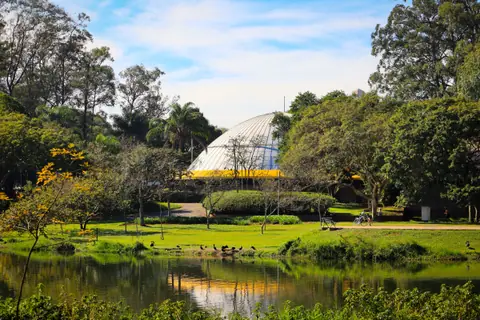
Each district responds differently to the turning seasons, with open-air parks shining in the dry months and dense dining hubs welcoming travellers during rainy periods. Structuring your days by neighbourhood characteristics keeps journeys efficient regardless of unexpected rain. Discover broad district highlights in our guide to things to do across the city before setting your daily schedule.
| Season | District Focus | Atmospheric Character | Recommended Activities |
|---|---|---|---|
| Summer | Bela Vista and Pinheiros | Humid with afternoon showers | Indoor dining, historic theatres, and covered market halls |
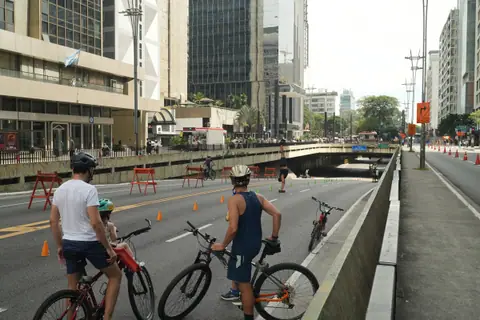
| Autumn | Paulista Avenue corridor | Mild temperatures and low rainfall | Pavement strolls, cultural centres, and architecture tours |
| Winter | Centro and Liberdade | Crisp, sunny days and cool nights | Heritage walking circuits, coffee sampling, and outdoor markets |
| Spring | Ibirapuera surroundings | Warming days with occasional rain | Park cycling, sculpture viewing, and botanical walks |
Spring gradually brings warmer air and greener park canopies across the city basin. It represents an engaging middle ground where botanical spaces flourish before the peak summer rains commence. Coordinating your trip around these seasonal rhythms lets you experience São Paulo comfortably across every district.
Deciding when to arrive ultimately comes down to your personal travel style and priorities. Travellers wanting sunny walking weather will favour midyear, while those drawn to energetic summer life can embrace the tropical afternoons. Both seasons showcase different facets of this multifaceted Brazilian metropolis.
Weather by month
São Paulo is warmest in January, with average highs around 27°C, and coldest in July, when nights drop to about 12°C. January is the wettest month by rainfall (224 mm), with rain on about 24 days. For mild weather with fewer rainy days, aim for April, May, June, July, August and September.
| Month | Low | Range | High | Rain | Rainy days |
|---|---|---|---|---|---|
| Jan | 19°C | 27°C | 224 mm | 24 d | |
| Feb | 19°C | 27°C | 168 mm | 19 d | |
| Mar | 18°C | 26°C | 146 mm | 19 d | |
| Apr | 16°C | 25°C | 58 mm | 10 d | |
| May | 14°C | 23°C | 50 mm | 8 d | |
| Jun | 13°C | 22°C | 43 mm | 6 d | |
| Jul | 12°C | 22°C | 31 mm | 3 d | |
| Aug | 13°C | 23°C | 47 mm | 6 d | |
| Sep | 15°C | 26°C | 67 mm | 8 d | |
| Oct | 16°C | 26°C | 114 mm | 15 d | |
| Nov | 16°C | 25°C | 141 mm | 17 d | |
| Dec | 18°C | 27°C | 163 mm | 21 d |
Averages of daily values from 2015 to 2024. Rainy days are days with at least 1 mm of rain. Source: Open-Meteo · Compare destinations by month.
Official prices and opening hours
- São Paulo Metro & CPTM Rail NetworkOfficial site ↗
- MASP — Museu de Arte de São PauloOfficial site ↗
Where it is
- 1São Paulo
- Congonhas–Deputado Freitas Nobre Airport (CGH) · about 9 km from São Paulo in a straight line
- Directions in Google Maps
Stations and taxi ranks: OpenStreetMap. Airports: OurAirports. Distances are in a straight line.
Traveller tips
Real advice from people who have been to São Paulo. Every tip is read by our team before it goes live.
No tips yet. Been here? Yours could be the first.
Thank you! Your tip will appear here after a quick review.
More in São Paulo
Continue exploring São Paulo with related neighbourhood, food, and planning guides