Dining Across São Paulo: Feiras, Markets, and Historic Counters
We explore São Paulo through neighbourhood street markets, central market halls, historic cantinas, and distinct immigrant culinary enclaves across the metropolis.
Dining in this vast Brazilian metropolis revolves around historic immigrant settlements, morning market stalls, and dedicated bakery counters. The city developed distinct culinary pockets where Portuguese, Italian, Japanese, and Lebanese traditions mingled with regional Brazilian staples. We start our mornings at neighbourhood bakeries with warm toasted rolls and strong filtered coffee before heading into the historic core.
Market Halls and the Central Street Stalls
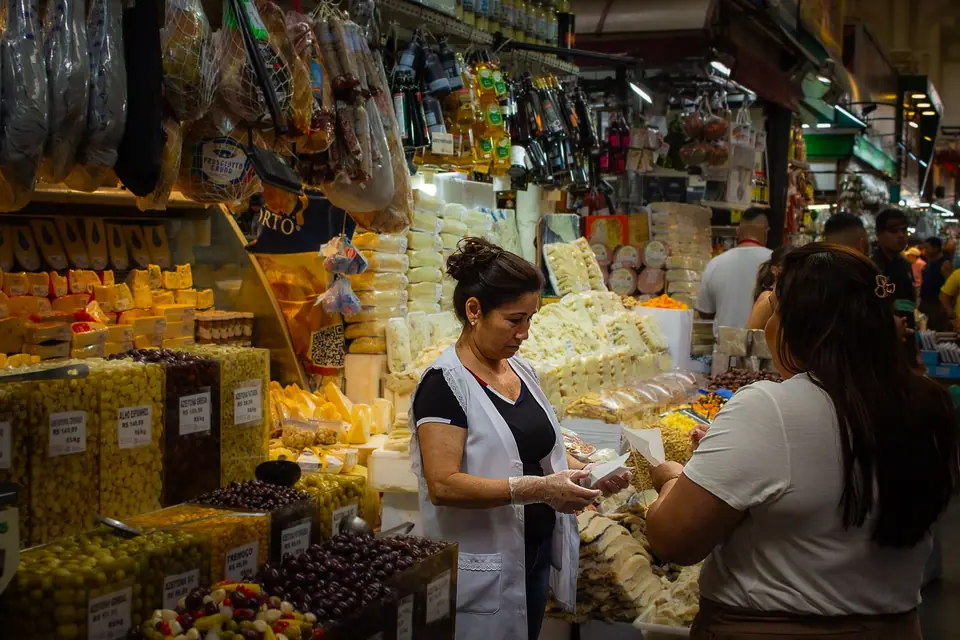
The monumental Mercado Municipal stands as the traditional anchor for food lovers entering the central district. Travellers can reach the hall easily by taking the blue or red line to São Bento station, followed by a short walk eastward. Inside the lofty hall, stained glass windows illuminate fruit stands, cured meats, and cheese counters piled high with regional dairy products.
Visitors gather along the upper mezzanine to sample the famous mortadella sandwiches. These arrive stacked high with warm griddled meat and melted cheese. Another staple here is the crisp pastel de bacalhau, a deep-fried pastry envelope packed with seasoned salt cod. Before committing to exotic fruit purchases, be polite but firm, as vendors frequently offer sweet samples to passing shoppers.
Our comprehensive São Paulo city guide outlines walking routes between historic landmarks and adjacent central street markets. Combining a morning market visit with adjacent civic architecture allows you to experience central history and culinary heritage together.
Japanese Heritage and East Asian Flavours in Liberdade
Stepping out of Liberdade metro station brings you directly into the historic centre of the Japanese diaspora in Brazil. Red lantern posts frame the streets, where small noodle bars, grocers, and pastry shops line the pavements. Weekend food markets around Praça da Liberdade draw large crowds seeking freshly fried pastéis, takoyaki, and steamed buns.
Soba and ramen houses along Rua Thomaz Gonzaga serve rich broths alongside delicate plates of sashimi and gyoza. Many traditional dining rooms occupy unassuming first-floor spaces above street level. These venues reward curious walkers who look beyond ground-floor shopfronts. Japanese bakeries throughout the district offer soft chiffon cakes, matcha sweets, and savoury croquettes that make convenient midday snacks.
Italian Cantinas and Pizzerias of Bixiga and Mooca
The central neighbourhood of Bela Vista, widely known as Bixiga, preserves the lively cantina tradition established by Italian arrivals. Red-checked tablecloths, hanging sausages, and framed family portraits define these crowded dining rooms where platters of handmade pasta arrive steaming hot. Fusilli with rich tomato sauce, braciole, and warm sourdough bread feature prominently across every table.
Further east in Mooca, wood-fired pizzerias open their doors as dusk settles over the city. Paulistanos treat evening pizza outings as an essential social ritual. They favour thin, charred crusts topped with creamy Catupiry cheese and calabresa sausage. Many popular evening dining spots sit right alongside cultural landmarks, which we outline in our review of historic activities and walking areas across the city.
| Neighbourhood | Culinary Focus | Transit Access |
|---|---|---|
| Centro | Market sandwiches, salt-cod pastéis, regional cheeses | São Bento station |
| Liberdade | Ramen, sashimi, street pastries, matcha sweets | Japão-Liberdade station |
| Bixiga | Family-style cantinas, fresh pasta, antipasti | São Joaquim or Brigadeiro station |
| Mooca | Wood-fired pizzerias, Italian bakeries, espresso bars | Bresser-Mooca station |
Neighbourhood Feiras and Everyday Street Dining
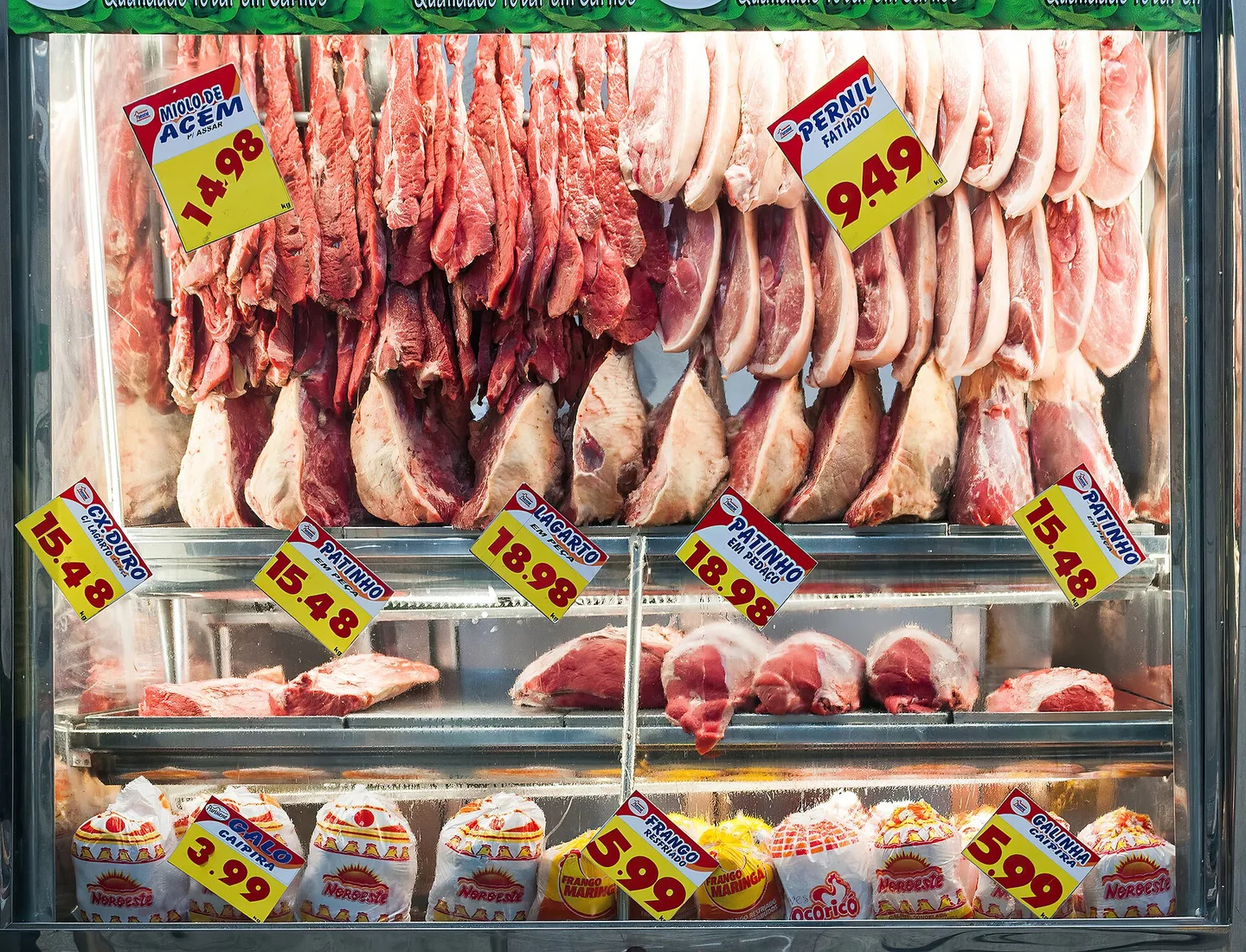
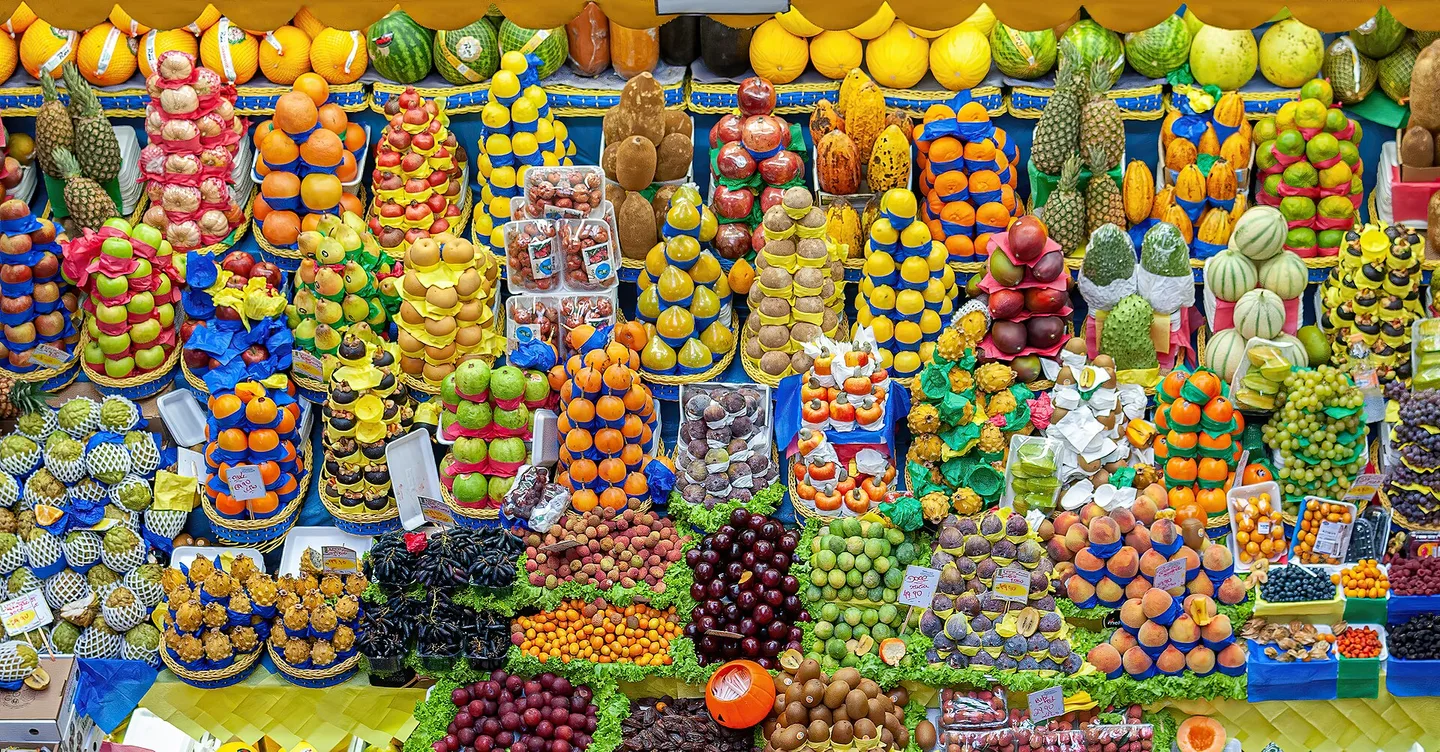
Weekly open-air street markets, known locally as feiras livres, rotate through residential neighbourhoods across the city. Stalls overflow with seasonal tropical fruits, leafy vegetables, fresh herbs, and blocks of regional white cheese. The quintessential feira ritual demands stopping at a dedicated frying stand for a freshly prepared pastel, filled with minced beef or hearts of palm.

Locals wash down these crispy pastries with cold caldo de cana, fresh sugar cane juice pressed on the spot with a splash of lime. Exploring these markets provides direct insight into the domestic rhythms of residential quarters like Pinheiros, Vila Madalena, and Saúde. Keep smaller banknotes ready for produce vendors, and move through the stalls in the cooler morning hours for the best selection.
- Order a pastel de palmito paired with fresh lime-infused sugar cane juice at any neighbourhood feira.
- Try traditional coxinha, a tear-shaped fried croquette stuffed with seasoned shredded chicken and soft cheese, at a corner padaria.
- Finish an evening cantina dinner with a classic espresso and a slice of torta holandesa from a local bakery counter.
Official prices and opening hours
- São Paulo Metro & CPTM Rail NetworkOfficial site ↗
- MASP — Museu de Arte de São PauloOfficial site ↗
Where it is
- 1São Paulo
- Congonhas–Deputado Freitas Nobre Airport (CGH) · about 10 km from São Paulo in a straight line
- Directions in Google Maps
Stations and taxi ranks: OpenStreetMap. Airports: OurAirports. Distances are in a straight line.
Traveller tips
Real advice from people who have been to São Paulo. Every tip is read by our team before it goes live.
No tips yet. Been here? Yours could be the first.
Thank you! Your tip will appear here after a quick review.
More in São Paulo
Continue exploring São Paulo with related neighbourhood, food, and planning guides
Avenida Paulista Guide: MASP, Architecture and Open Streets
São Paulo, Brazil
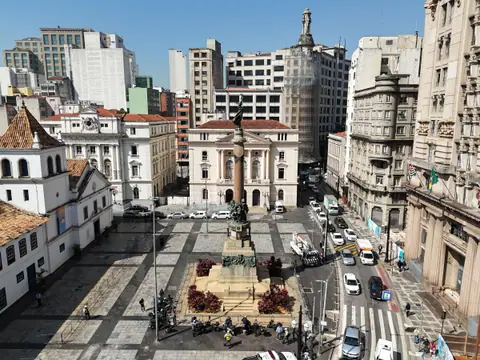
Historic Centre of São Paulo: Sé, Anhangabaú and Luz Guide
São Paulo, Brazil
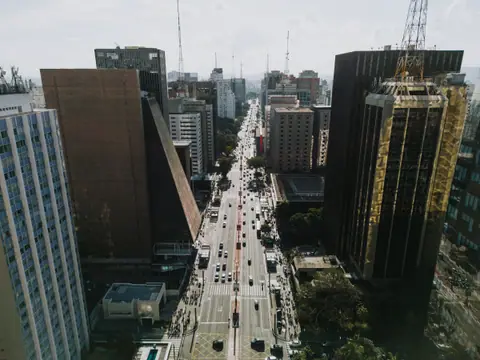
Choosing Your Base in São Paulo: Neighbourhood Strengths and Transit Access
São Paulo, Brazil
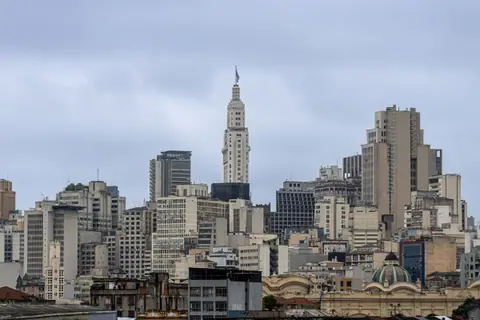
Three Days in São Paulo: A Practical Walking and Metro Route
São Paulo, Brazil
