What to Wear in São Paulo: Seasonal Packing and City Dress Codes
Mastering the local dress code in São Paulo means balancing cosmopolitan casual flair with weather versatility across diverse urban districts.
Cosmopolitan Dressing and Local Street Etiquette
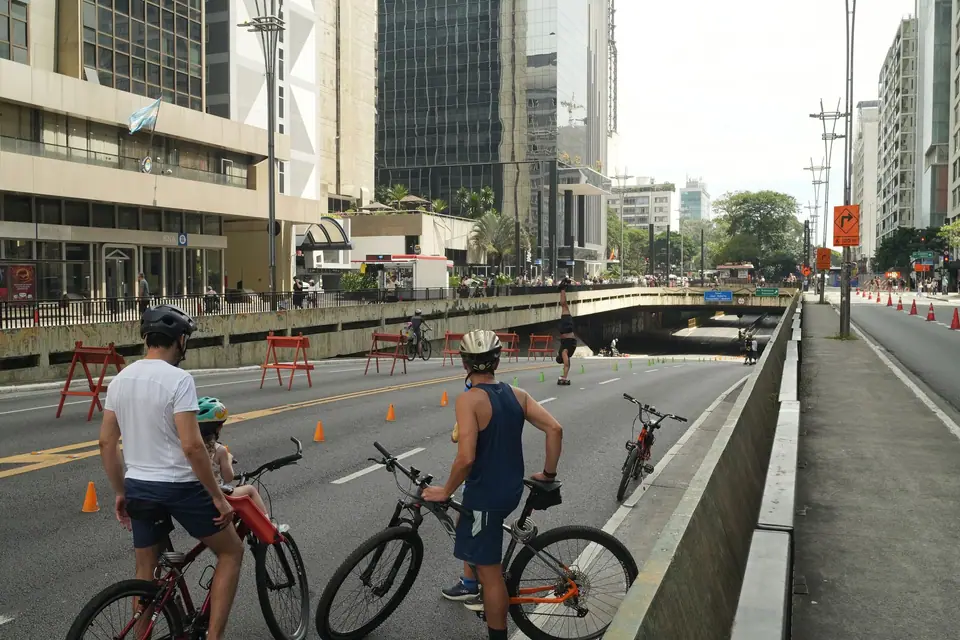
São Paulo approaches personal style with an understated, practical elegance that reflects its identity as South America's major commercial hub. Residents, known locally as Paulistanos, tend to favour well-fitted, casual tailoring rather than beachwear. Coastal Brazilian destinations encourage flip-flops and board shorts everywhere. In contrast, this inland metropolis favours a sharp urban aesthetic. Wearing beach attire in central commercial streets or cultural institutions marks you out as an unprepared visitor. Instead, choose relaxed cotton trousers, neat dark denim, lightweight shirts, and understated tops. Locals value grooming and clean silhouettes, blending relaxed South American comfort with refined city minimalism.
Discretion forms another crucial element of the everyday wardrobe across the city's vast transport networks. Flashy designer logos, thick gold chains, and visible expensive watches draw unwanted attention on public transport and busy avenues. Cross-body bags with secure zip closures help you navigate underground concourses without worry. When planning varied cultural itineraries, keep your accessories subtle and functional. Stashing valuables inside an internal zipped pocket keeps your belongings safe while you explore lively shopping boulevards. A minimalist approach allows you to travel smoothly between commercial towers and bohemian residential quarters.
Seasonal Fabric Choices and Sudden Rain Preparation
The subtropical highland climate demands adaptable layers that manage fluctuating humidity and unexpected temperature shifts. During the warmer summer months, tropical downpours arrive suddenly in the late afternoon. A compact, windproof travel umbrella and a lightweight water-repellent jacket remain indispensable companions in your daypack. Breathable natural textiles such as linen, modal, and organic cotton help keep you cool during muggy afternoons. However, air-conditioned metro carriages, museums, and shopping centres can feel surprisingly cold. Carrying a compact cotton cardigan or an unlined overshirt offers immediate relief when stepping indoors.
During the cooler winter months, daytime sunshine can quickly give way to crisp, overcast evenings. A mid-weight trench coat, soft wool scarf, or unstructured blazer works brilliantly for evening outings. Packing a reliable mix of trans-seasonal separates guarantees complete flexibility throughout the year. You can review our advice on the ideal travel periods to align your luggage with regional weather shifts. Layering remains the most effective way to handle shifting conditions across distinct microclimates.
- Pack breathable linen and light cotton shirts for daytime humidity.
- Include a packable waterproof jacket or travel umbrella for sudden afternoon downpours.
- Carry a warm light layer for heavily air-conditioned indoor spaces and breezy evenings.
- Choose dark-wash denim or tailored chinos suitable for both day walks and dinner venues.
Footwear Strategy for Broken Pavements and Hills
Footwear requires careful planning due to the city's pedestrian landscape and topography. São Paulo's pavements often feature traditional Portuguese stone mosaics, uneven flagstones, and steep inclines. Open-toed sandals or fragile flat shoes offer little protection against cracked paving stones and unexpected puddles. Sturdy leather trainers with cushioned soles support your feet during long walking days. Choose darker trainer colours, as city street dust and sudden wet splashes can quickly mark pale canvas. Quality shoes prevent fatigue when exploring sprawling cultural spaces or traversing multi-level transit interchanges.
Waterproof or water-resistant footwear is particularly helpful when afternoon rain slicks smooth granite footpaths. Grip becomes paramount on the hilly streets of western residential neighbourhoods and artistic districts. High heels are impractical for street walking and present serious tripping hazards on broken stones. If an evening occasion calls for smarter shoes, opt for low block heels or polished leather loafers. Packing comfortable walking shoes confirms that you can cover extensive districts without foot strain.
Evening Attire and Cultural Venue Expectations
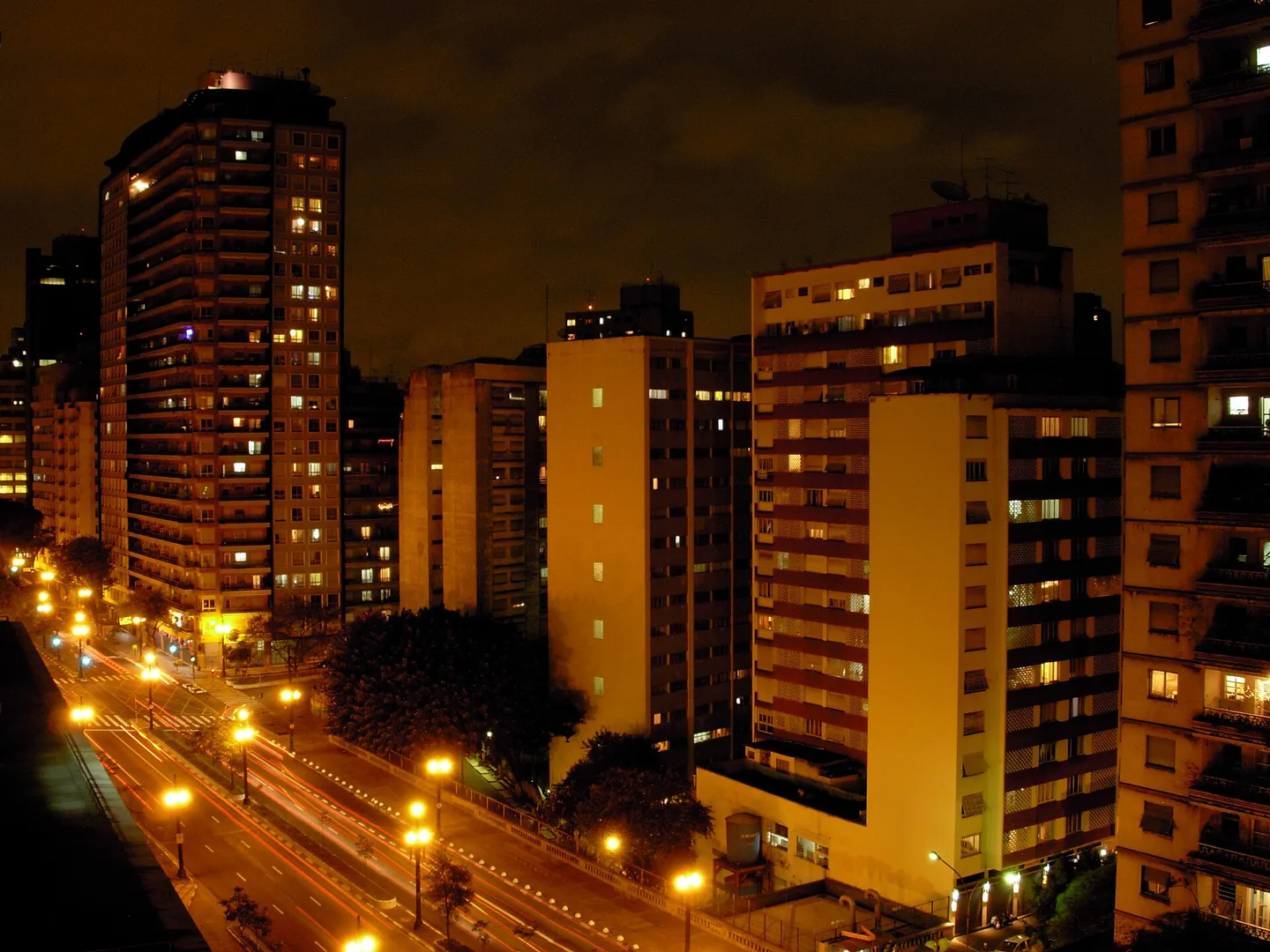
Evening dining in celebrated culinary districts strikes a balance between relaxed sophistication and creative expression. Upscale bistros and contemporary cocktail lounges welcome smart-casual dress rather than rigid formalwear. Men look well-dressed in tailored trousers paired with a collared linen shirt or smart polo. Women frequently wear midi dresses, wide-leg linen trousers, or neat jumpsuits paired with low heels or clean leather flats. Cultural spaces such as concert halls and modern art galleries appreciate thoughtful, creative styling without demanding black-tie attire.
| District Focus | Daytime Recommended Style | Evening Outfit Suggestions |
|---|---|---|
| Avenida Paulista | Tailored denim, breathable polo, cushioned leather trainers | Smart chinos, collared shirt, unlined casual blazer |
| Vila Madalena | Relaxed cotton trousers, linen shirt, sturdy walking flats | Casual midi dress or wide-leg trousers, block heels |
| Jardins | Neat casual separates, subtle accessories, dark trainers | Tailored trousers, crisp blouse or shirt, leather loafers |
Observing local habits reveals that simplicity, clean cuts, and practical comfort form the backbone of metropolitan life. Packing adaptable clothes keeps your luggage light while meeting the city's understated social standards. Dressing thoughtfully lets you blend comfortably into any setting across this vast South American capital.
Weather by month
São Paulo is warmest in January, with average highs around 27°C, and coldest in July, when nights drop to about 12°C. January is the wettest month by rainfall (224 mm), with rain on about 24 days. For mild weather with fewer rainy days, aim for April, May, June, July, August and September.
| Month | Low | Range | High | Rain | Rainy days |
|---|---|---|---|---|---|
| Jan | 19°C | 27°C | 224 mm | 24 d | |
| Feb | 19°C | 27°C | 168 mm | 19 d | |
| Mar | 18°C | 26°C | 146 mm | 19 d | |
| Apr | 16°C | 25°C | 58 mm | 10 d | |
| May | 14°C | 23°C | 50 mm | 8 d | |
| Jun | 13°C | 22°C | 43 mm | 6 d | |
| Jul | 12°C | 22°C | 31 mm | 3 d | |
| Aug | 13°C | 23°C | 47 mm | 6 d | |
| Sep | 15°C | 26°C | 67 mm | 8 d | |
| Oct | 16°C | 26°C | 114 mm | 15 d | |
| Nov | 16°C | 25°C | 141 mm | 17 d | |
| Dec | 18°C | 27°C | 163 mm | 21 d |
Averages of daily values from 2015 to 2024. Rainy days are days with at least 1 mm of rain. Source: Open-Meteo · Compare destinations by month.
Official prices and opening hours
- São Paulo Metro & CPTM Rail NetworkOfficial site ↗
- MASP — Museu de Arte de São PauloOfficial site ↗
Where it is
- 1São Paulo
- Congonhas–Deputado Freitas Nobre Airport (CGH) · about 9 km from São Paulo in a straight line
- Directions in Google Maps
Stations and taxi ranks: OpenStreetMap. Airports: OurAirports. Distances are in a straight line.
Traveller tips
Real advice from people who have been to São Paulo. Every tip is read by our team before it goes live.
No tips yet. Been here? Yours could be the first.
Thank you! Your tip will appear here after a quick review.
More in São Paulo
Continue exploring São Paulo with related neighbourhood, food, and planning guides
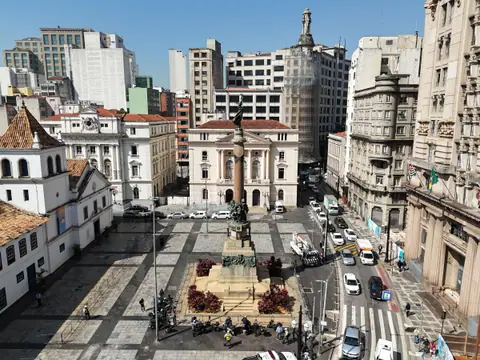
Historic Centre of São Paulo: Sé, Anhangabaú and Luz Guide
São Paulo, Brazil
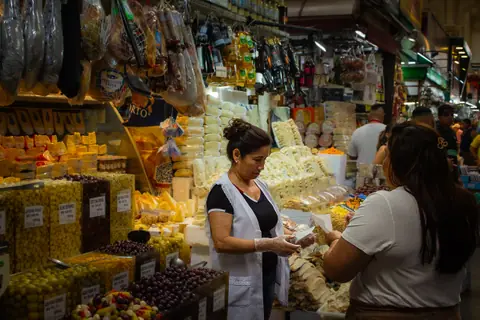
Dining Across São Paulo: Feiras, Markets, and Historic Counters
São Paulo, Brazil
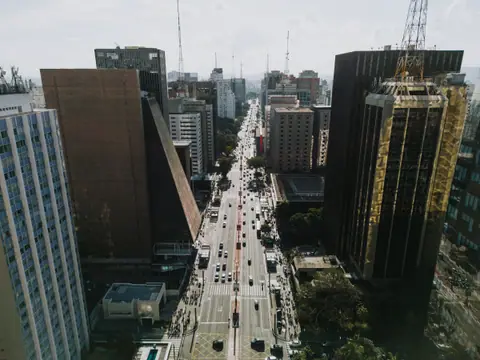
Choosing Your Base in São Paulo: Neighbourhood Strengths and Transit Access
São Paulo, Brazil
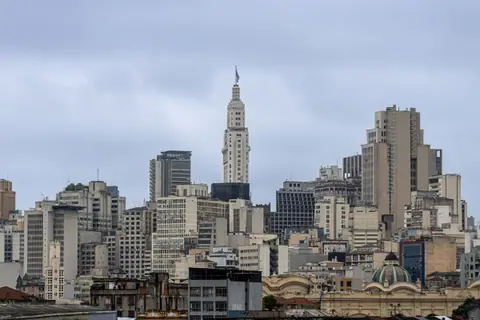
Three Days in São Paulo: A Practical Walking and Metro Route
São Paulo, Brazil
