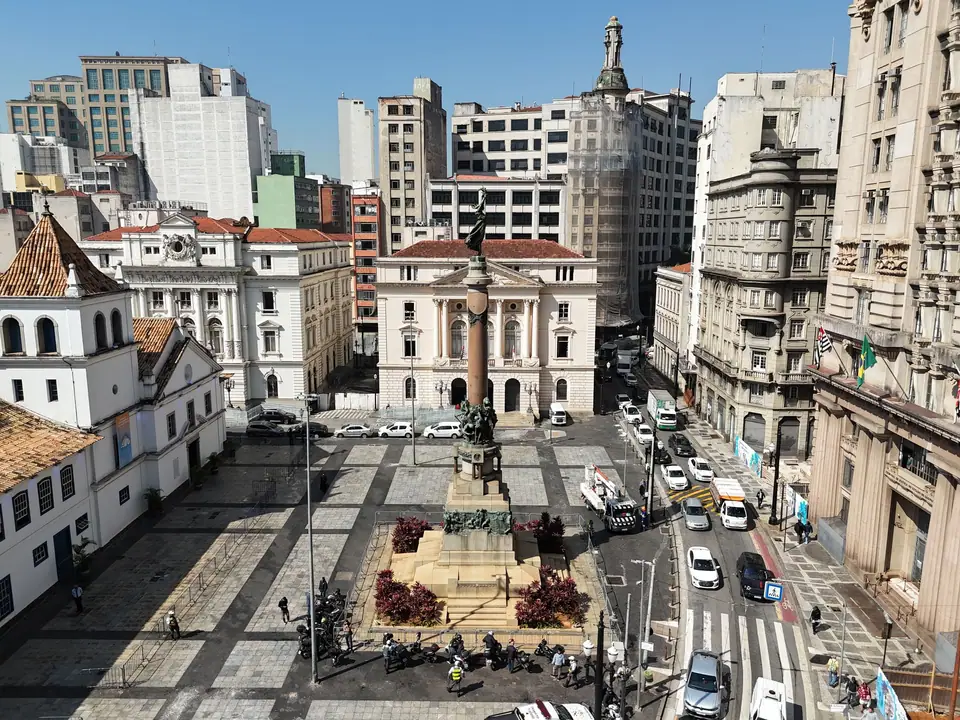
Historic Centre of São Paulo: Sé, Anhangabaú and Luz Guide
Praça da Sé, grand pedestrian viaducts, and rail halls anchor walks through the architectural heritage of central São Paulo.
Standing at Praça da Sé places us at the geographic ground zero of the metropolis. Tall imperial palms line the broad stone square before the twin neo-Gothic spires of the metropolitan cathedral. From here, cobbled streets thread northwards into the historic financial heart known locally as the Triângulo Histórico. The morning light cuts through narrow lanes framed by ornate facades from early twentieth-century coffee trading houses. We follow the pedestrianised alleys where office messengers, street musicians, and coffee carts share space beneath soaring cornices.
Walking along Rua Direita and Rua São Bento reveals the dense architectural layering of old São Paulo. Eighteenth-century monastic foundations sit beside classical banking headquarters and modernist commercial towers. Pavements here consist of traditional black and white mosaic stones arranged in waves. Because these streets ban private cars, foot traffic moves quickly between subway entrances and small bakeries serving espresso. We keep personal belongings tucked away discreetly, as central thoroughfares remain lively and crowded throughout working hours.
To understand the urban scale, we continue towards the edge of the valley overlooking the Anhangabaú public grounds. Elevated viaducts link the older ridge to the newer central district, providing open perspectives across the sprawling downtown skyline. Planning ahead helps when combining this central walk with wider urban exploration, which you can coordinate using our São Paulo city travel guide. From the balustrade, the green lawns below contrast sharply with stone facades.
Crossing the Anhangabaú Valley to the Theatro Municipal
We cross the wide expanse of the Viaduto do Chá towards the grand facade of the Theatro Municipal. This stone viaduct, originally imported in iron sections, remains one of the most famous walking links in South America. Below our feet, public gardens and sunken express lanes run parallel through the valley bed. Reaching the western end brings us directly before the theatre, inspired by the Palais Garnier in Paris. Its sandstone arches, classical balustrades, and copper lanterns recall the enormous wealth generated during the late nineteenth-century coffee expansion.
The plaza around the theatre serves as a natural gathering point for performers and workers on lunch breaks. Stone steps lead down towards Praça Ramos de Azevedo, where fountains and bronze statues commemorate musical masterworks. We pause here to study the carved masks and floral motifs along the sandstone exterior. Detailed access arrangements, guided architectural circuits, and booking steps for the interior are published on the official municipal opera house portal.
Across from the theatre stands the grand shopping arcade of the early twentieth century, housing independent cafes and clothing shops. Taking coffee inside these historic halls offers a quiet moment away from traffic noise. We notice the preserved iron lifts and stained glass skylights that illuminate interior balconies. This western bank of the valley feels slightly more relaxed than the packed lanes around the cathedral.
Cultural Landmarks of the Central Grid
The central quarter contains several restored banking halls that now function as cultural and exhibition centres. We recommend prioritising these specific heritage stops along your walking sequence through the grid:
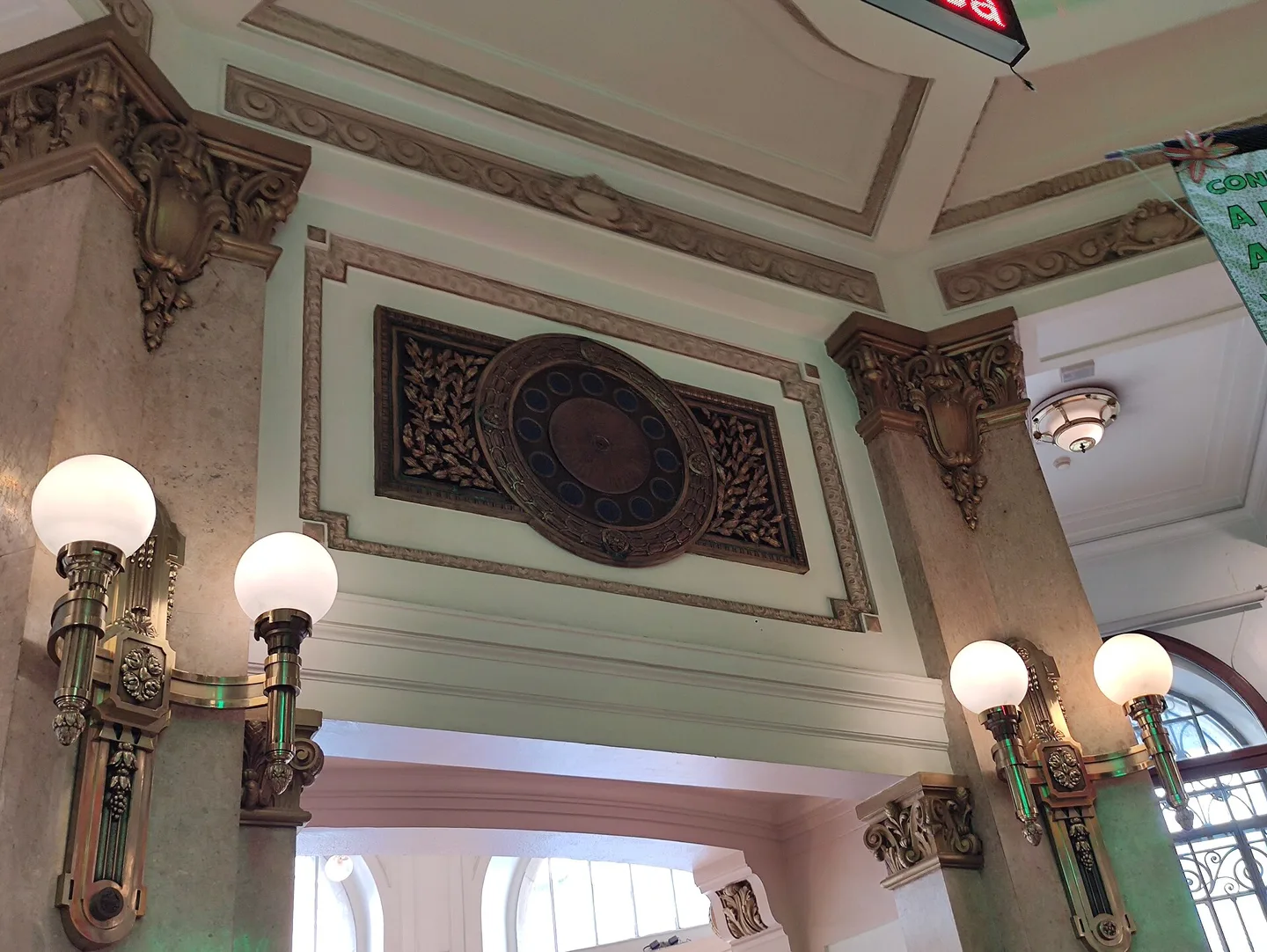
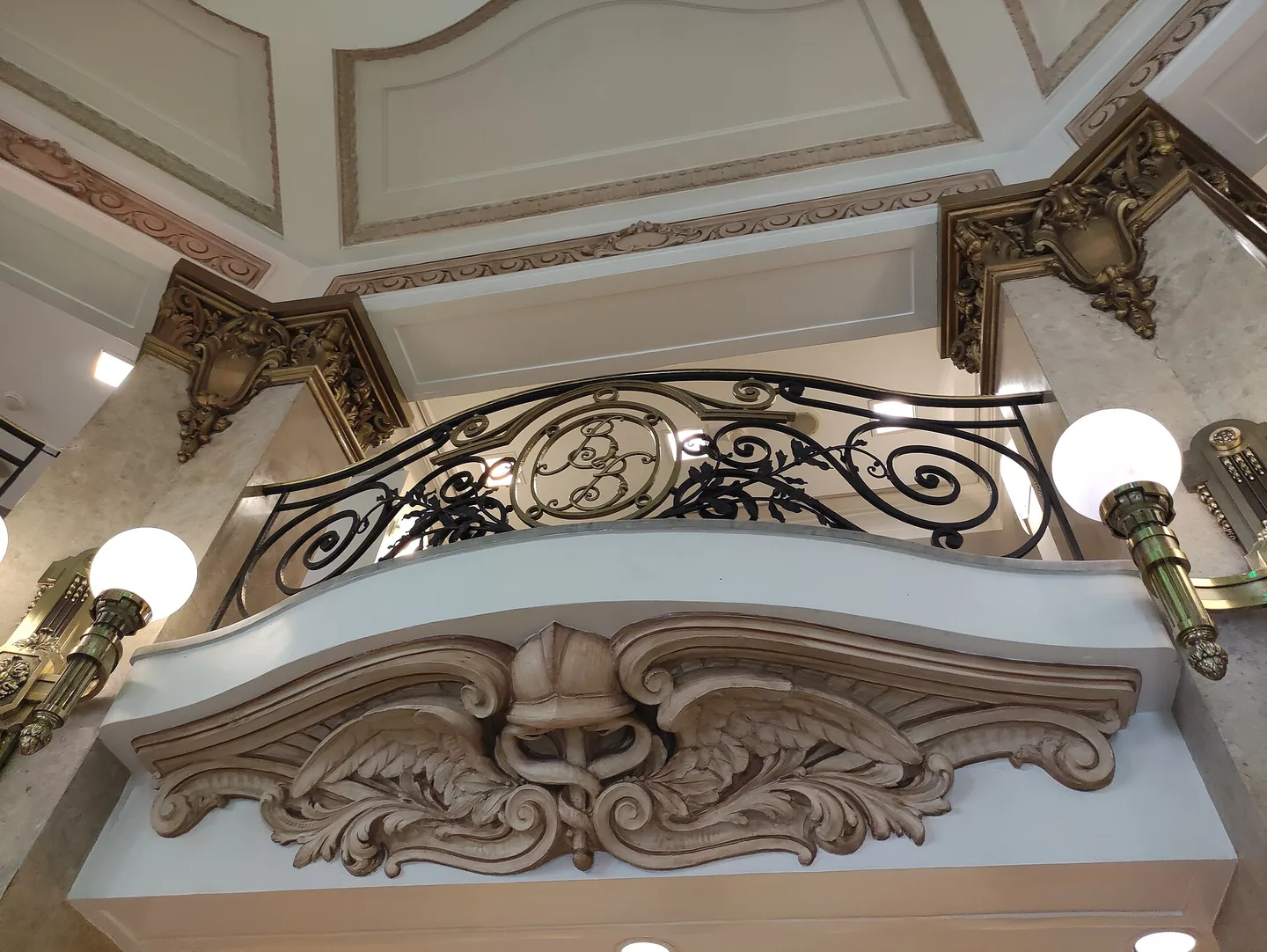
- Centro Cultural Banco do Brasil: An early banking structure transformed into an arts venue around a light-filled circular rotunda.
- Edifício Martinelli: The city’s pioneering skyscraper featuring neo-classical details, pink plasterwork, and a storied rooftop terrace.
- Largo de São Francisco: Home to historical law faculties and colonial church architecture facing a peaceful flagstone court.
- Solar da Marquesa de Santos: A rare preserved eighteenth-century residential townhouse built with traditional rammed-earth techniques.
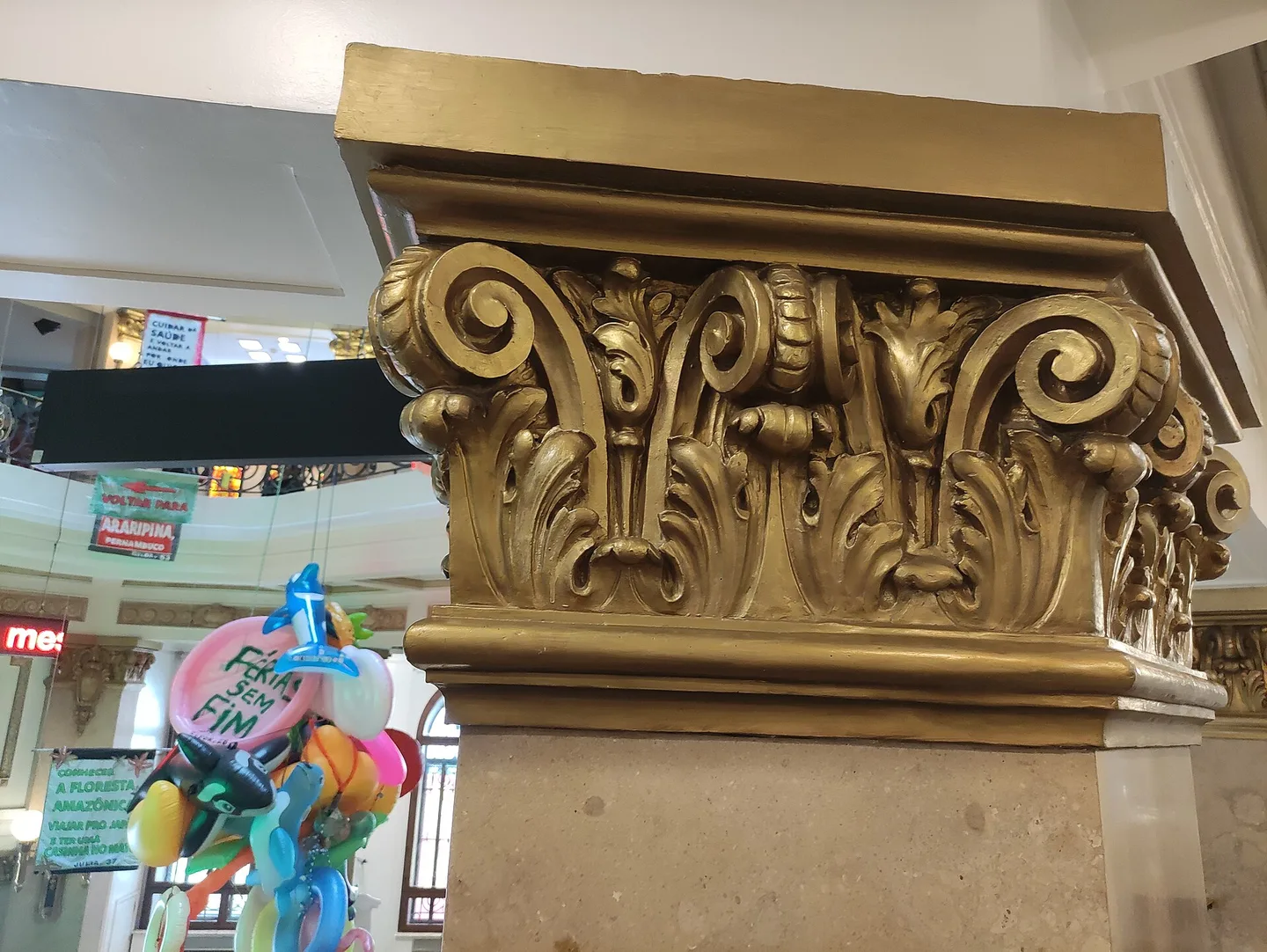
Each of these heritage stops offers insight into how São Paulo grew from a modest Jesuit outpost into a manufacturing capital. Restored banking atriums frequently display contemporary sculpture beneath intricate plaster ceilings. Travellers balancing these historic streets with contemporary gallery visits across town can browse our key city sights overview.
Heading North Towards Luz and Pinacoteca
Continuing north from the central core leads us towards the railway precinct of Luz. Station halls here reflect British engineering, built with structural cast iron fabricated overseas and assembled on site. The clock tower rises prominently above Jardim da Luz, the oldest public park in the city. Inside the station, long commuter platforms serve suburban rail lines and underground connections with steady precision.
Directly opposite the railway entrance stands the Pinacoteca do Estado, housed in an atmospheric bare-brick building remodelled by modern architects. The internal courtyards, bridged by steel walkways, display nineteenth-century Brazilian landscapes and modern sculpture. We walk the perimeter of the adjacent English-style gardens, shaded by mature native trees and stone pools. Street conditions near the northern perimeter require heightened alertness, so we recommend moving purposefully along main pedestrian corridors between station exits and museum entrances.
Central São Paulo rewards curious travellers who appreciate architectural contrasts, transit engineering, and urban history. Moving from Praça da Sé to the gardens of Luz reveals layers of ambition carved into stone and steel. By observing local footpaths, keeping daytime schedules, and navigating via metro terminals, we uncover the historic soul of Brazil’s largest city.
Official prices and opening hours
- São Paulo Metro & CPTM Rail NetworkOfficial site ↗
- MASP — Museu de Arte de São PauloOfficial site ↗
Where it is
- 1Historic Centre of São Paulo
- Congonhas–Deputado Freitas Nobre Airport (CGH) · about 9 km from here in a straight line
- Directions in Google Maps
Stations and taxi ranks: OpenStreetMap. Airports: OurAirports. Distances are in a straight line.
Traveller tips
Real advice from people who have been to São Paulo. Every tip is read by our team before it goes live.
No tips yet. Been here? Yours could be the first.
Thank you! Your tip will appear here after a quick review.
More in São Paulo
Continue exploring São Paulo with related neighbourhood, food, and planning guides
Arriving in São Paulo by Air and Rail
São Paulo, Brazil

When to Visit São Paulo: Weather Patterns, Cultural Seasons and Urban Rhythms
São Paulo, Brazil
What to Wear in São Paulo: Seasonal Packing and City Dress Codes
São Paulo, Brazil
Avenida Paulista Guide: MASP, Architecture and Open Streets
São Paulo, Brazil
