Best Time to Visit Mendoza: Harvest Months, Winter Sun and Mountain Seasons
Discover the ideal months to visit Mendoza, covering the autumn wine harvest, clear winter days in the Andes, spring blossom, and dry foehn Zonda wind patterns.
Shielded from Pacific rainstorms by the imposing wall of the Principal Cordillera, Mendoza enjoys more than 300 sunny days each year in a dry continental foothills climate. According to official 1991 to 2020 Servicio Meteorológico Nacional normals, annual precipitation totals roughly 238 millimetres across the entire year. This desert rain shadow guarantees that vineyard tastings and alpine excursions rarely suffer washouts in any season. Choosing your travelling dates depends on whether you seek the busy grape harvest, vivid autumn vineyard foliage, crisp winter snowscapes, or quiet spring blossoms.
February to April: Grape Harvest and Golden Autumn Canopies
Late summer through mid-autumn represents the premier travel period in Argentina's wine country. Open-Meteo climate data records daytime highs averaging 30.2°C in February, 27.1°C in March, and 22.4°C in April. Evening temperatures drop briskly to 14.6°C in March and 10.1°C in April, locking natural acidity into the ripening grapes while bringing refreshing relief after sunset. Bodegas across the province harvest white varieties like Chardonnay and Torrontés in February, moving on to late-ripening Malbec and Cabernet Sauvignon through April.
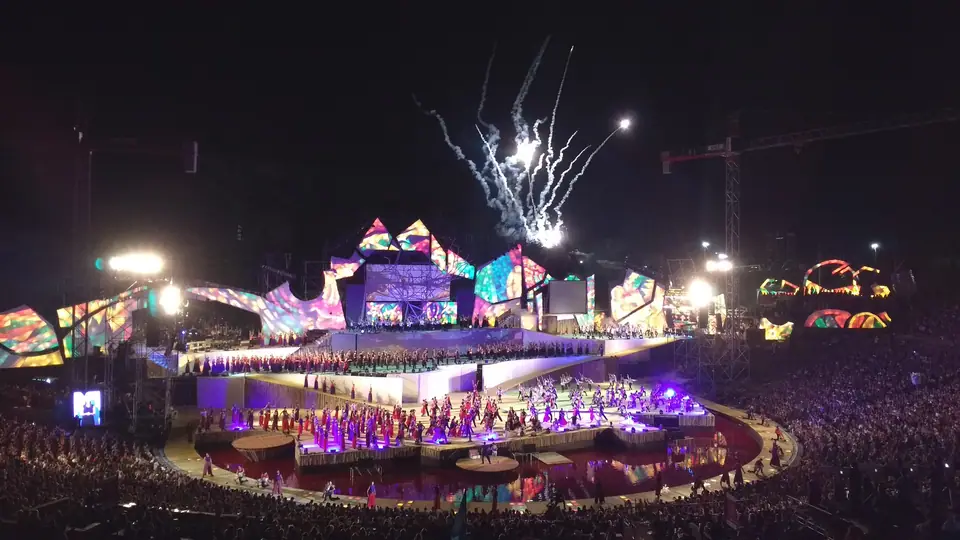
The cultural pinnacle arrives during the Fiesta Nacional de la Vendimia, celebrated continuously since 1936. Festivities culminate on the first weekend of March with the Friday-night Vía Blanca de las Reinas parade and Saturday morning's Carrusel parade through central city streets. On Saturday evening, more than one thousand dancers and musicians take the stage for the Acto Central spectacle at the open-air Teatro Griego Frank Romero Day, set against the hills of Parque General San Martín. If you intend to attend these ticketed amphitheatre shows, secure reservations months in advance through official provincial ticketing channels.
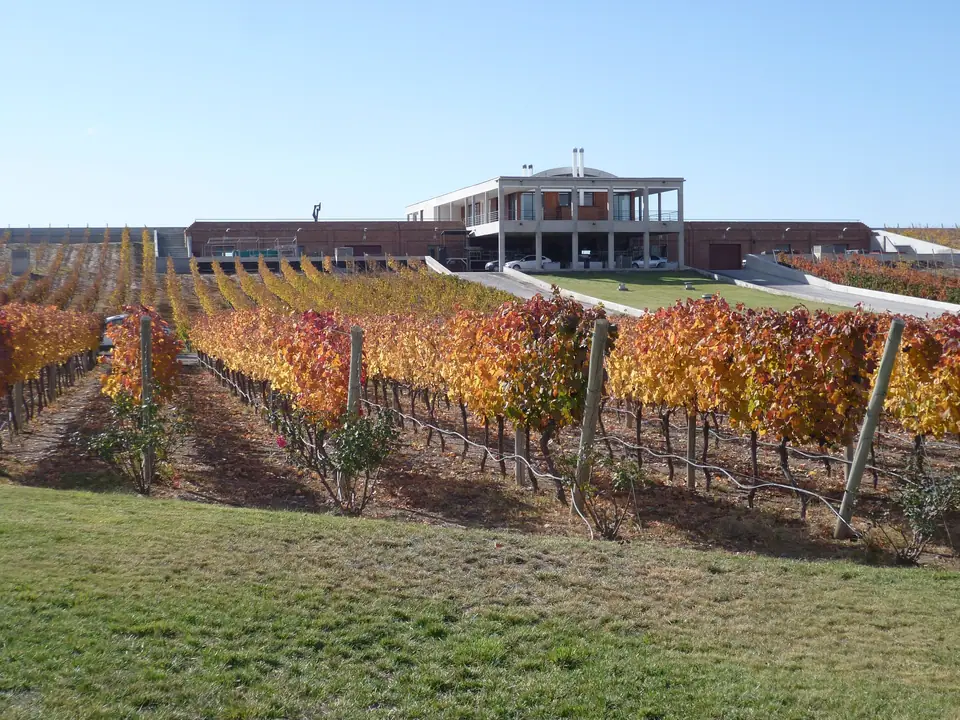
By April, the festival crowds disperse and harvest pace slows. Vineyard canopies shift into brilliant yellow, amber, and deep copper tones across the foothills. With only 21 millimetres of monthly rainfall spread across three wet days, April offers sublime conditions for leisurely estate lunches and afternoon cycling tours between family-owned cellars along the Luján de Cuyo and Maipú Malbec wine route.
September to November: Spring Blooms and High-Altitude Hiking
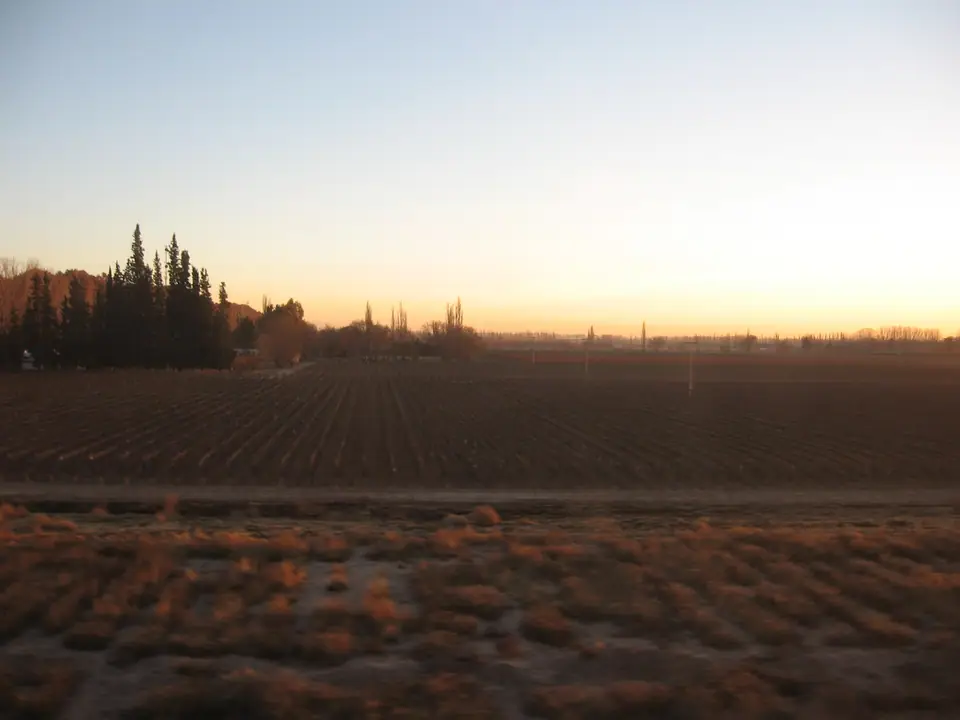
Spring marks the awakening of the oasis irrigation network as Andean snowmelt fills the urban acequia channels. Daytime temperatures rise steadily from 21.1°C in September to 25.3°C in October and 28.8°C in November. Nighttime temperatures range from 7.4°C to 14.8°C. Rainfall remains negligible, averaging between 21 and 28 millimetres each month across three to four wet days. Mendoza's famous plane trees and vineyard rows burst into green, filling the city grid with fresh shade.
This intermediate shoulder season is superb for multi-valley road trips before summer heat arrives. Mountain trails begin opening as access roads dry out. Mid-November officially opens the high-altitude trekking season at Horcones lagoon within Aconcagua Provincial Park, permitting day hikers and multi-day mountaineers to enter before peak summer traffic. The shoulder months also provide excellent lodging availability across rural wine estates before holiday bookings surge.
June to August: Sunny Winters, Snowy Peaks and Alpine Excursions
Winter in Mendoza is remarkably bright, dry, and crisp. Across June, July, and August, official climate records register highs of 14.8°C to 17.8°C and overnight lows of 2.1°C to 4.2°C. Mendoza records just two days with measurable precipitation each month during this period, with total monthly precipitation dropping to 14 millimetres. The sky above the plains remains vivid blue, while heavy Pacific storm fronts drop deep snow over the high cordillera divide.
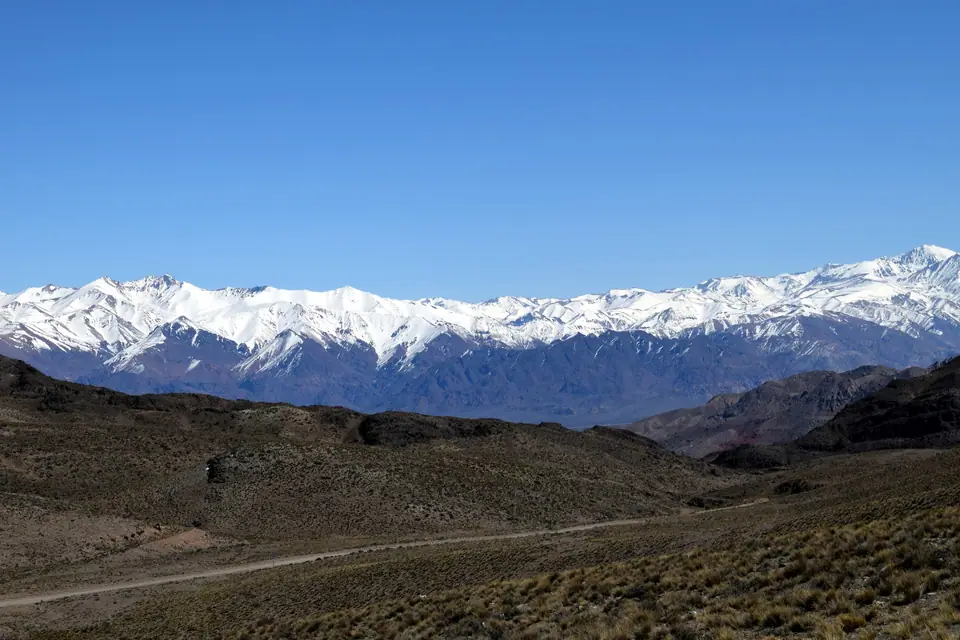
This contrast creates clear views of snow-dusted Andean ridges rising directly behind the dormant vineyards. Bodegas light open malbec-wood fires in their tasting rooms, serving hearty regional stews like carne a la masa and locro. Winter also activates ski operations at regional high-altitude centres such as Penitentes, Los Puquios, and the Las Leñas valley further south. Pack warm thermal layers, heavy coats, and quality sunglasses, as winter ultraviolet glare off the plains remains intense throughout the afternoon.
December and January: Summer Heat and High Andes Expeditions
Midsummer brings the warmest weather of the year, with January recording average highs of 32.2°C and December reaching 31.4°C. Overnight temperatures hover around 18°C. Summer is the wettest segment of the year, although total monthly precipitation still averages modest levels of 35 millimetres in December and 42 millimetres in January across five to six wet days. Most summer precipitation arrives as brief, vigorous late-afternoon thunderstorms that sweep rapidly off the pre-cordillera.
Midday city sightseeing can feel taxing during January. Locals escape the urban core by driving into cooler, higher-elevation retreats like the Uco Valley high-altitude vineyards, where elevations between 900 and 1,500 metres shave several degrees off urban temperatures. Summer serves as the primary climbing window for Aconcagua expeditions and provides ideal warm conditions for white-water rafting along the Mendoza River.
Mendoza Climate and Seasonal Comparison
| Season | Key Months | Average Daily High / Low | Precipitation and Wet Days | Primary Regional Highlight |
|---|---|---|---|---|
| Autumn Harvest | February to April | 22.4°C to 30.2°C / 10.1°C to 17.1°C | 21 to 35 mm / 3 to 5 days | Vendimia festival, grape picking and golden foliage |
| Winter Sun | June to August | 14.8°C to 17.8°C / 2.1°C to 4.2°C | 14 mm / 2 days | Snowy mountain scenery, quiet cellars and ski slopes |
| Spring Shoulder | September to November | 21.1°C to 28.8°C / 7.4°C to 14.8°C | 21 to 28 mm / 3 to 4 days | Wildflower blossoms, cycling tours and hiking starts |
| Summer Peak | December to January | 31.4°C to 32.2°C / 17.6°C to 18.6°C | 35 to 42 mm / 5 to 6 days | High Andes climbing, river rafting and pool retreats |
Understanding the Zonda Wind and Mountain Meteorology
Any visit to Mendoza requires awareness of the Zonda, a fierce foehn wind that descends the eastern slopes of the Andes. When maritime air masses lose moisture over the high Chilean cordillera, the air warms compressively as it cascades down into the Cuyo foothills. This meteorological phenomenon triggers abrupt spikes in temperature and drops relative humidity below twenty percent within minutes, driving thick dust across the valley.
The Zonda occurs most frequently between May and October, occasionally striking during spring transitions. Severe episodes can prompt provincial civil defence authorities to close schools, pause outdoor activities, and delay international transit via the Paso Los Libertadores pass into Chile. During a Zonda event, plan indoor cellar tours, stay well hydrated, and keep contact lenses sealed away from blowing dust. Once the Zonda front passes, it is invariably replaced by a sharp southern polar blast that restores calm, crystalline mountain air.
Weather by month
Mendoza is warmest in January, with average highs around 32°C, and coldest in July, when nights drop to about 2°C. January is the wettest month by rainfall (42 mm), with rain on about 6 days. For mild weather with fewer rainy days, aim for August.
| Month | Low | Range | High | Rain | Rainy days |
|---|---|---|---|---|---|
| Jan | 19°C | 32°C | 42 mm | 6 d | |
| Feb | 17°C | 30°C | 35 mm | 5 d | |
| Mar | 15°C | 27°C | 35 mm | 5 d | |
| Apr | 10°C | 22°C | 21 mm | 3 d | |
| May | 6°C | 18°C | 21 mm | 3 d | |
| Jun | 3°C | 15°C | 14 mm | 2 d | |
| Jul | 2°C | 15°C | 14 mm | 2 d | |
| Aug | 4°C | 18°C | 14 mm | 2 d | |
| Sep | 7°C | 21°C | 21 mm | 3 d | |
| Oct | 11°C | 25°C | 21 mm | 3 d | |
| Nov | 15°C | 29°C | 28 mm | 4 d | |
| Dec | 18°C | 31°C | 35 mm | 5 d |
Averages of daily values from 2015 to 2024. Rainy days are days with at least 1 mm of rain. Source: Open-Meteo · Compare destinations by month.
Where it is
- 1Mendoza
- Governor Francisco Gabrielli International Airport (MDZ) · about 8 km from Mendoza in a straight line
- Directions in Google Maps
Stations and taxi ranks: OpenStreetMap. Airports: OurAirports. Distances are in a straight line.
Traveller tips
Real advice from people who have been to Mendoza. Every tip is read by our team before it goes live.
No tips yet. Been here? Yours could be the first.
Thank you! Your tip will appear here after a quick review.
More in Mendoza
Continue exploring Mendoza with related neighbourhood, food, and planning guides
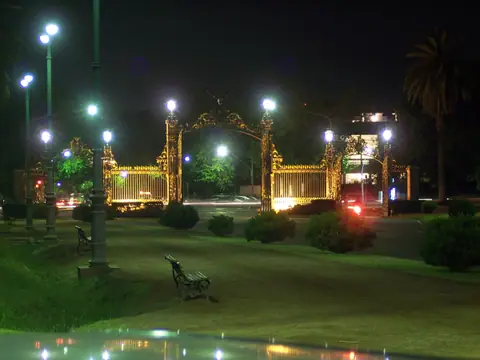
3 Days in Mendoza Itinerary: City Plazas, Luján Bodegas and High Andes
Mendoza, Argentina

What to Eat in Mendoza: Carne a la Masa, Asado, Chivito and Local Wine Pairings
Mendoza, Argentina
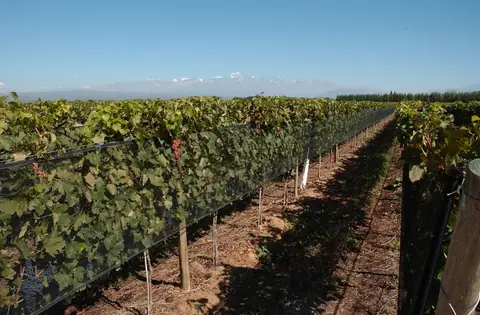
Luján de Cuyo and Maipú Malbec Wine Route Guide
Mendoza, Argentina
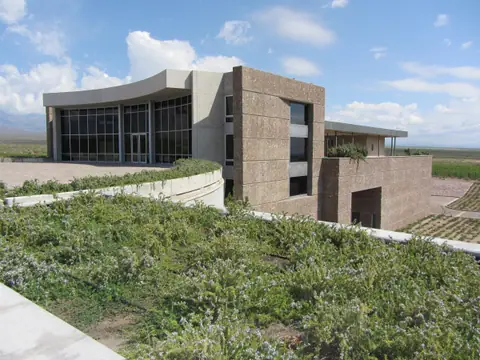
Uco Valley (Valle de Uco) Guide: High-Altitude Vineyards & Architectural Wineries
Mendoza, Argentina
