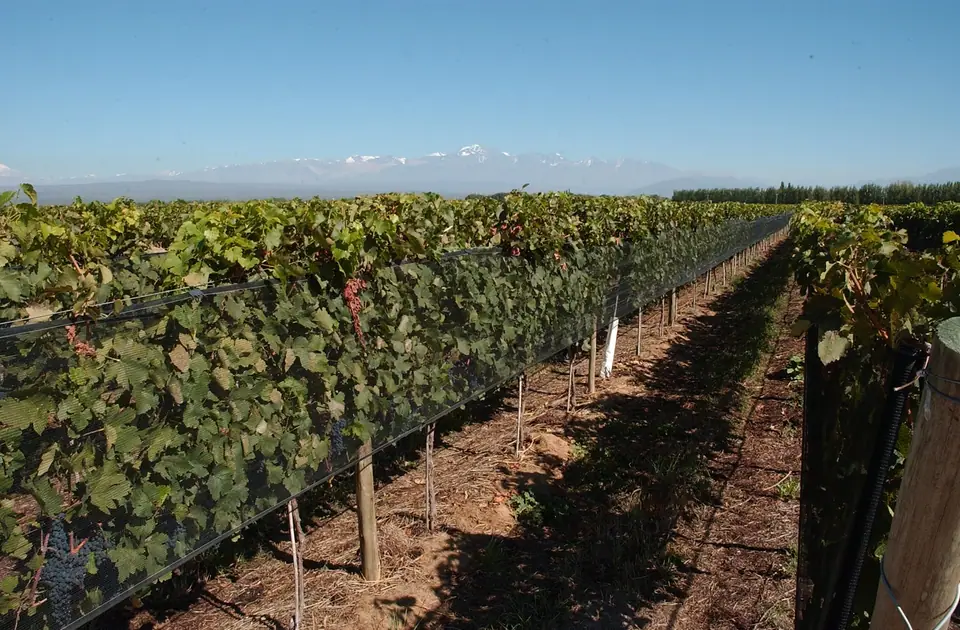
Luján de Cuyo and Maipú Malbec Wine Route Guide
Discover Mendoza's historic Primera Zona across Luján de Cuyo and Maipú with our guide to century-old Malbec vineyards, historic bodegas, and olive mills.
Beginning just fifteen kilometres south of downtown Mendoza where the Río Mendoza emerges from the Precordillera canyon at elevations between 650 and 1,100 metres, the twin departments of Luján de Cuyo and Maipú form the historic Primera Zona. European immigrants planted nineteenth-century vine cuttings along ancient Huarpe irrigation channels here, establishing the cradle of commercial viticulture in Argentina. Today, this fertile river basin contains century-old Malbec plantings, family-run estates, and traditional olive groves that set the benchmark for South American winemaking.

Luján de Cuyo DOC and Old-Vine Malbec Terroirs
In 1989, Luján de Cuyo established the very first controlled appellation in the Americas. The Denominación de Origen Controlada Luján de Cuyo protects old-vine Malbec cultivated in stony alluvial soils nourished by snowmelt from the high cordillera. The regulation requires strict vineyard yields and extended maturation in oak barrels and bottles prior to release, safeguarding the distinctive profile of violet florals, dark plum, and velvety tannins.
The department encompasses distinct viticultural sub-districts, each displaying subtle shifts in elevation and soil composition. Closest to the mountain gateway at elevations between 1,050 and 1,100 metres sit Las Compuertas and Vistalba. These districts feature pre-phylloxera ungrafted vines yielding silky, aromatic fruit. Further south across the river basin, Perdriel and Agrelo occupy elevations between 950 and 1,000 metres. Deep alluvial gravel beds and intense solar radiation produce structured wines built for lengthy cellaring.
Prestigious wineries anchor these roads. In Agrelo, the Mayan-inspired architectural pyramid of Catena Zapata overlooks precision-planted parcels. Nearby estates include Bodega Norton with its cellars dating to 1895, Achaval-Ferrer, Luigi Bosca, Bodega Lagarde founded in 1897, and Bressia. Travellers can combine vineyard lunches in Perdriel with neighbourhood dinners detailed in our Chacras de Coria, Avenida Arístides Villanueva and Mendocino Wine Bars Guide, connecting estate tastings with lively local dining rooms.
Maipú Heritage Estates and Arauco Olive Oil Traditions
Directly east of Luján de Cuyo lies Maipú, where viticultural history runs deeper into the nineteenth century. Situated at slightly lower elevations between 650 and 800 metres, Maipú benefits from warmer temperatures that soften fruit tannins early in the season. Bodega Trapiche showcases an imposing 1883 Florentine Renaissance brick facility that reflects early immigrant architectural ambition. Bodega López, established in 1898, continues its century-old tradition of extended cask ageing for classic red blends.
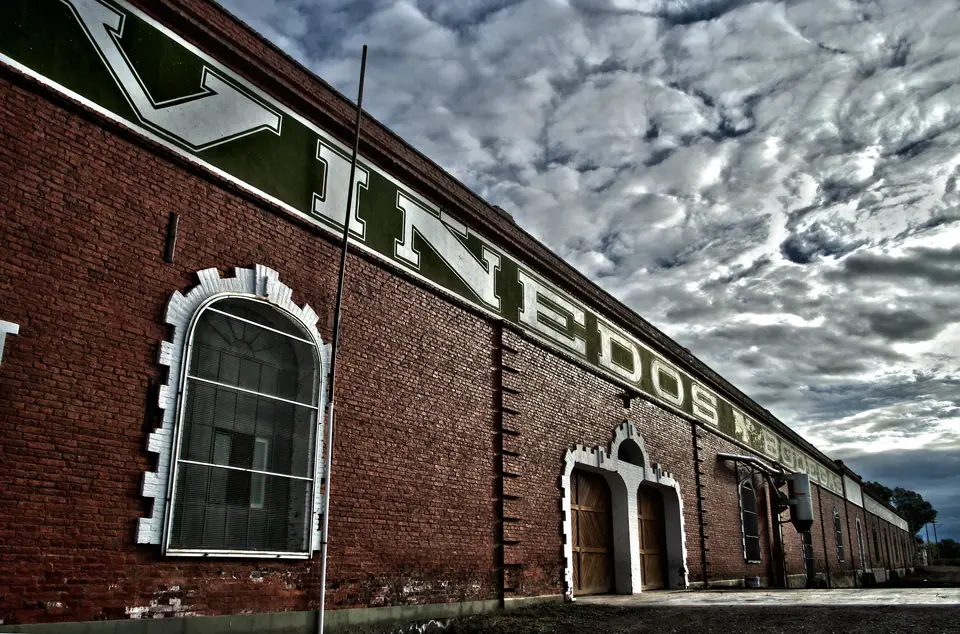
Cultural immersion continues at Bodega La Rural, founded in 1885. The estate houses the Museo del Vino Felipe Rutini, displaying over 4,500 historical artefacts including colonial wooden presses, iron harvesting wagons, and hand-carved oak vessels. In the Chachingo district, Casa Vigil presents an unconventional culinary and winemaking concept inspired by Dante Alighieri. Travellers mapping out regional meals can reference our dedicated overview on What to Eat in Mendoza to pair local wines with traditional wood-fired regional specialities.
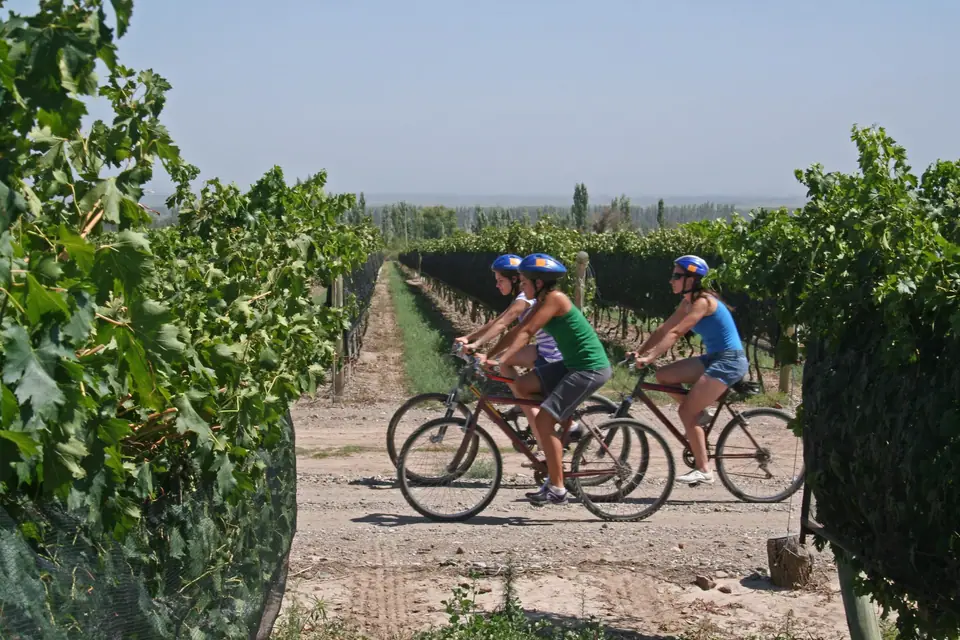
Maipú is equally renowned as the capital of Argentine olive cultivation. Century-old Arauco olive trees thrive in the dry climate, yielding oils with intense peppery notes and grassy aromas. Historic mills such as Olivícola Laur and Zuelo produce award-winning extra virgin pressings. Many travellers hire sturdy bicycles near Maipú station to pedal beneath shaded sycamore trees between boutique press houses and historic tasting rooms.
Primera Zona Terroir and Estate Comparison
| Sub-District | Department | Elevation Range | Primary Focus | Notable Estates and Sites |
|---|---|---|---|---|
| Las Compuertas | Luján de Cuyo | 1,050 to 1,100 m | Century-old ungrafted Malbec | Historic river intake vineyards |
| Agrelo | Luján de Cuyo | 950 to 1,000 m | Structured, age-worthy Malbec | Catena Zapata, Bodega Norton |
| Perdriel | Luján de Cuyo | 900 to 950 m | Stony alluvial red varietals | Achaval-Ferrer, Bodega Lagarde |
| Coquimbito | Maipú | 750 to 800 m | Heritage bodegas and olive mills | Bodega Trapiche, Bodega La Rural |
| Chachingo | Maipú | 700 to 750 m | Boutique blends and olive groves | Casa Vigil, artisanal mills |
Seasonal Planning for Luján de Cuyo and Maipú
Careful seasonal planning ensures smooth winery visits throughout the year. Between December and February, daytime temperatures peak with averages reaching 31.4°C to 32.2°C, accompanied by short afternoon thunderstorms that bring 35 to 42 millimetres of rainfall monthly. High summer calls for morning winery appointments before midday heat peaks.
Autumn offers stable conditions for touring. March records average daytime highs of 27.1°C and lows of 14.6°C, marking the energetic grape harvest. April brings crisp highs of 22.4°C and lows of 10.1°C across only 3 wet days, turning vineyard foliage to amber and gold. You can study regional seasonal patterns in our guide on the Best Time to Visit Mendoza to align your trip with seasonal agricultural events.
Winter brings dry and crisp conditions across the river flats. July records clear skies with daytime highs of 14.8°C, nightly lows of 2.1°C, and only 2 wet days with 14 millimetres of total precipitation. The bare vine canopies reveal pristine views of the snow-mantled mountain peaks across the western horizon.
Logistics, Transit, and Tasting Etiquette
Organising estate tastings requires advance planning. Top properties in Agrelo and Perdriel operate strict security gates and admit guests solely with pre-booked tour or dining reservations. Independent travellers should reserve tastings directly through winery websites several weeks in advance, especially during the harvest period.
Transport choices depend on geography. Biking between wineries is popular along the paved streets of Coquimbito in Maipú, where properties cluster within manageable distances. In Luján de Cuyo, vineyards spread across expansive rural zones where distances between properties frequently span ten to twenty kilometres. Hiring a dedicated private remís or booking an organised driver ensures safe navigation along high-speed vineyard corridors without drink-driving concerns. Paved provincial routes connect both departments efficiently to central Mendoza, making day trips convenient throughout your stay.
Where it is
- 1Luján de Cuyo and Maipú Malbec Wine Route
- Governor Francisco Gabrielli International Airport (MDZ) · about 21 km from here in a straight line
- Directions in Google Maps
Stations and taxi ranks: OpenStreetMap. Airports: OurAirports. Distances are in a straight line.
Traveller tips
Real advice from people who have been to Mendoza. Every tip is read by our team before it goes live.
No tips yet. Been here? Yours could be the first.
Thank you! Your tip will appear here after a quick review.
More in Mendoza
Continue exploring Mendoza with related neighbourhood, food, and planning guides
Where to Stay in Mendoza: Microcentro, Quinta Sección, Chacras de Coria and Valle de Uco
Mendoza, Argentina
3 Days in Mendoza Itinerary: City Plazas, Luján Bodegas and High Andes
Mendoza, Argentina

What to Eat in Mendoza: Carne a la Masa, Asado, Chivito and Local Wine Pairings
Mendoza, Argentina
Uco Valley (Valle de Uco) Guide: High-Altitude Vineyards & Architectural Wineries
Mendoza, Argentina
