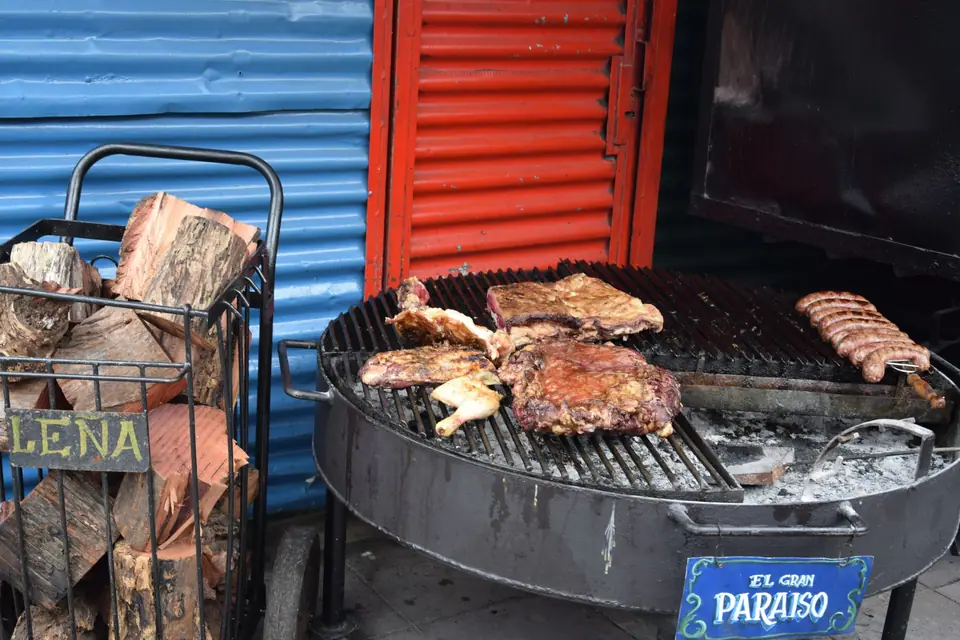
What to Eat in Mendoza: Carne a la Masa, Asado, Chivito and Local Wine Pairings
Explore Mendoza culinary heritage with our complete guide to wood-fired carne a la masa, flame-roasted chivito, fresh river trout, tortitas, and regional wine pairings.
Mendocino cuisine is rooted in desert agrarian traditions and Andean fuel woods. Cooks across the oasis burn wild jarilla brush and dried grapevine prunings called sarmientos inside clay ovens and beneath iron roasting crosses. Meltwater channels irrigate heirloom vegetables, stone fruits, and olive groves, establishing a rural culinary style anchored by beef, kid goat, and bold red wine.
Pioneering Fire Traditions: Carne a la Masa and Asado a la Llama
Unlike standard urban Argentine steakhouses, Mendoza features distinct slow-roasting rituals adapted to high-altitude outdoor gatherings. The most iconic regional preparation is carne a la masa. Cooks marinate dense cuts of beef in white wine, garlic, oregano, and olive oil. The seasoned beef, layered with onions and bell peppers, is sealed inside a thick, rustic dough crust. Baked inside an adobe oven heated by firewood, the pastry crust traps moisture, rendering the meat tender while the lower crust absorbs the savoury rendered pan juices.
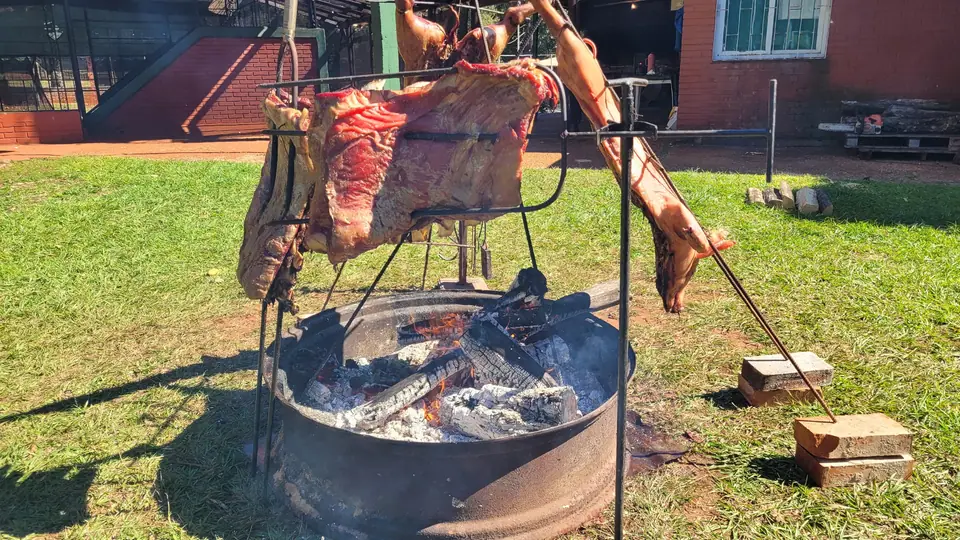
Open-flame cooking reaches its peak with asado a la llama. Pitmasters stake full rib racks on iron crosses inclined over burning logs of aromatic jarilla wood. The slow radiant heat cooks the meat over several hours, imparting a herbal, resinous smoke ring. In the southern mountain districts near Malargüe, pasture-raised kid goat, known as chivito malargüino, replaces beef. Roasters cook the split carcass across open embers until the skin crisps and the lean meat softens.
Clay-Oven Empanadas, River Trout and Breakfast Tortitas
Every bakery and rural dining room serves tortitas mendocinas at dawn. These flatbreads, enriched with beef lard, pair with morning coffee or bitter yerba mate. Mendocinos classify tortitas into three distinct styles: thin and crusty raspaditas, multi-layered flaky de hoja, and soft, fork-pricked pinchadas. Morning bakeries distribute them hot from the oven across residential neighbourhoods.
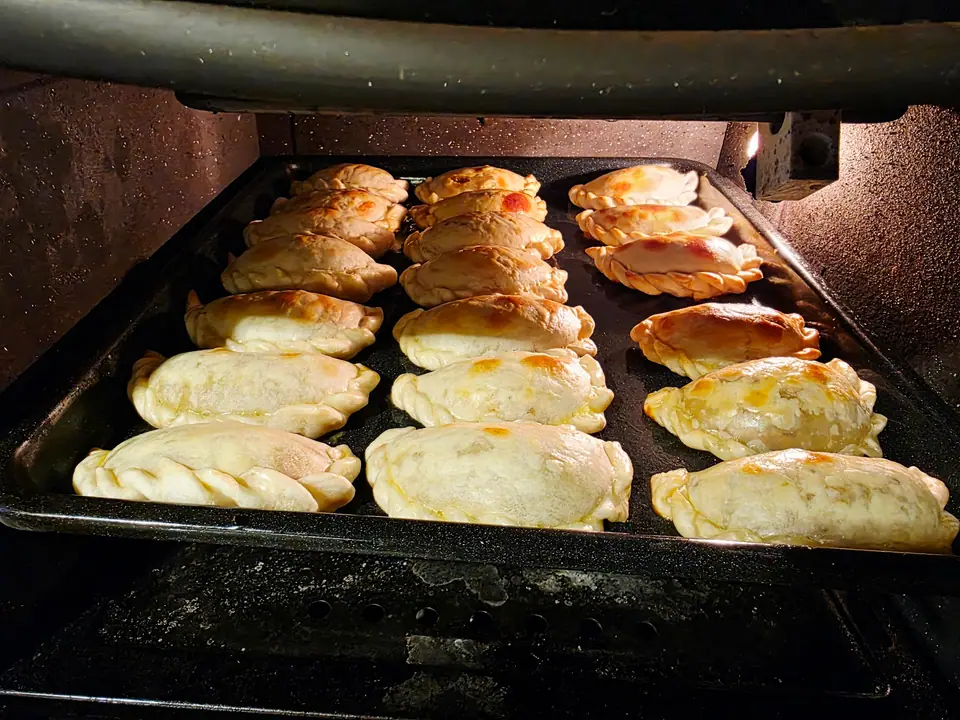
For midday dining, local empanadas diverge sharply from northern variants. A proper empanada mendocina features hand-cut beef rather than minced meat, stewed with an equal volume of sweet onions, cumin, and oregano. Bakers enclose the filling with hard-boiled egg and whole green olives, crimping the edges before baking the pastries on hot clay floors. Fresh cold-water streams near Tupungato supply mountain rainbow trout, which chefs pan-sear with garlic butter or smoke over fruitwood chips.
Arauco Olive Oil and Estate Vineyard Tasting Menus
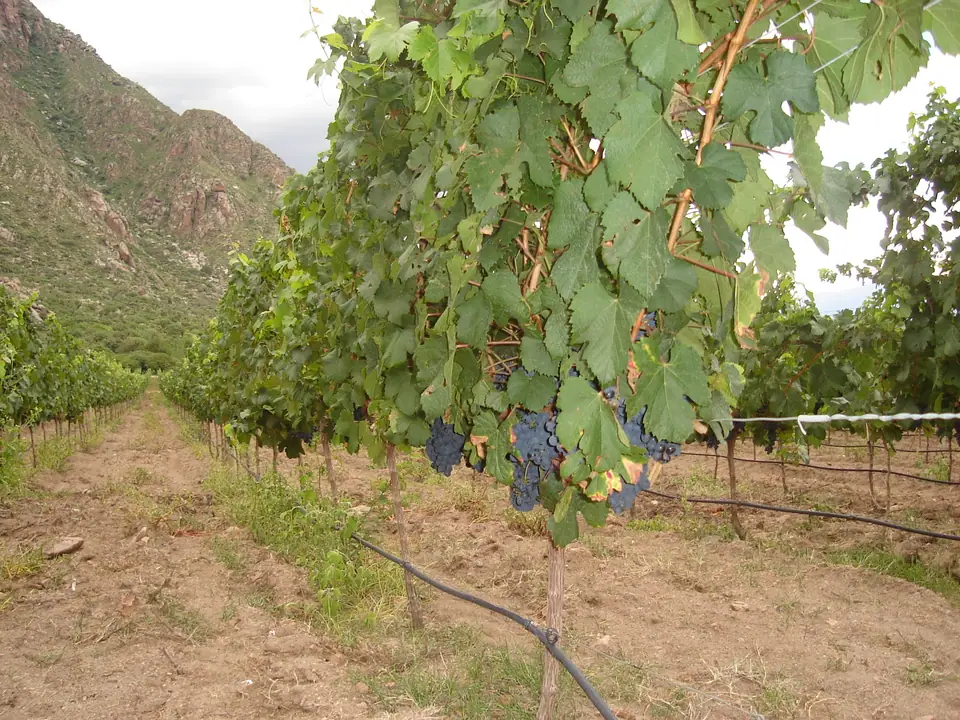
Mendoza accounts for Argentina's primary olive oil production, centred on the Arauco olive variety. Arauco produces a robust, pungent oil with pronounced vegetal bitterness and peppery finishes, recognised through regional geographical indications. Rural estates serve freshly pressed oil with crusty bread preceding formal vineyard lunches. Travellers touring the estates of Luján de Cuyo and Maipú encounter multi-course pairings designed to complement older vineyard plots.
Modern winery restaurants across the Uco Valley build structured tasting courses matching distinct varietals. Bold Malbec vintages pair naturally with wood-roasted beef ribs. Floral Semillón and fresh white blends accompany roasted vegetables and cured trout, while herbaceous Cabernet Franc cuts through the fat of spit-roasted chivito. In city bodegones, producers pour lively Bonarda beside hearty autumn stews.
Seasonal Produce and Cuyo Culinary Calendar
Seasonal weather heavily dictates the availability of produce in foothill markets. The arid climate produces notable seasonal temperature swings, ranging from average summer daytime highs of 32.2°C in January to crisp winter afternoons averaging 14.8°C in July. Late summer brings the grape harvest, filling dining tables with fresh figs, sun-ripened tomatoes, and sweet white onions. Winter prompts home cooks to prepare steaming bowls of locro, a thick stew of white maize, squash, and cured pork.
Travellers can sample these traditions across varied settings, from historic downtown markets to vineyard terraces. A morning visit to central food stalls pairs well with an architectural walking route through the Área Fundacional and Paseo Sarmiento. Evening dining clusters around leafy suburban avenues where wood smoke drifts past outdoor tables until late at night.
Core Mendocino Dishes and Tasting Locations
| Dish or Ingredient | Key Characteristics | Traditional Cooking Method | Common Setting |
|---|---|---|---|
| Carne a la Masa | Wine-marinated beef, onions, and herbs enclosed in sealed dough | Slow-baked in an adobe clay oven | Rural family bodegones and traditional Sunday restaurants |
| Costillar a la Llama | Whole beef ribs seasoned with coarse salt and chimichurri | Slow vertical roasting on iron crosses over jarilla wood | Winery dining patios and countryside barbecue venues |
| Chivito Malargüino | Young pasture-fed kid goat with delicate, herbal flavour | Spit-roasted flat over glowing native wood embers | Mountain trailside stops and southern estancia lunches |
| Tortitas Mendocinas | Savory lard flatbreads in raspadita, pinchada, or hojaldre styles | Baked rapidly at dawn on iron hearth trays | Neighbourhood bakeries paired with mate or espresso |
| Arauco Olive Oil | Intense grassy aroma with marked peppery, bitter finish | Cold-pressed from centenary regional olive groves | Oil mill tasting counters and winery bread services |
Dining Etiquette and Practical Meal Timing
Mendocino meal patterns reflect classical interior Argentine rhythms. Lunch serves as the primary social event of the day, particularly on weekends. Vineyard restaurants seat guests for extended multi-course lunches starting in early afternoon, where service routinely spans three to four hours. Advance reservations are essential for winery dining rooms, as kitchen teams prepare tasting menus based on confirmed seatings.
Urban restaurants open for evening dinner service quite late. Dining rooms rarely welcome guests before nine in the evening, with peak atmosphere occurring toward ten or eleven. Tipping customs involve leaving roughly ten percent in cash for attentive table service. Diners who plan afternoon wine tastings should pace themselves and drink ample water to counter the dry foothill heat and high elevations.
Where it is
- 1Mendoza
- Governor Francisco Gabrielli International Airport (MDZ) · about 8 km from Mendoza in a straight line
- Directions in Google Maps
Stations and taxi ranks: OpenStreetMap. Airports: OurAirports. Distances are in a straight line.
Traveller tips
Real advice from people who have been to Mendoza. Every tip is read by our team before it goes live.
No tips yet. Been here? Yours could be the first.
Thank you! Your tip will appear here after a quick review.
More in Mendoza
Continue exploring Mendoza with related neighbourhood, food, and planning guides
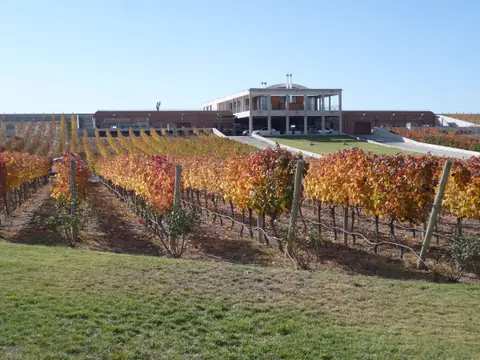
Best Time to Visit Mendoza: Harvest Months, Winter Sun and Mountain Seasons
Mendoza, Argentina
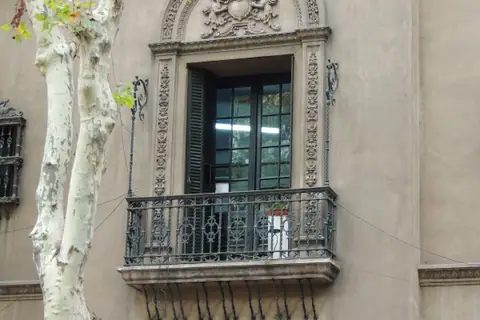
Where to Stay in Mendoza: Microcentro, Quinta Sección, Chacras de Coria and Valle de Uco
Mendoza, Argentina
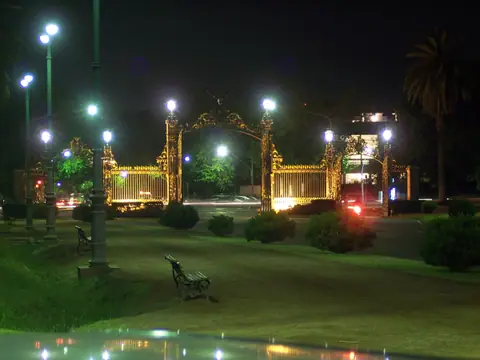
3 Days in Mendoza Itinerary: City Plazas, Luján Bodegas and High Andes
Mendoza, Argentina
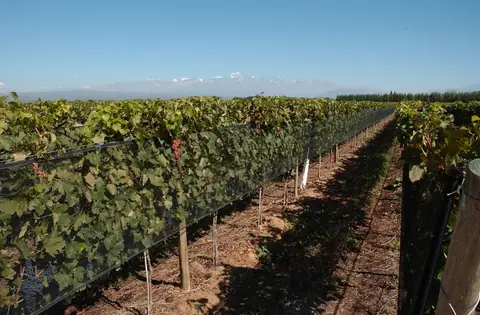
Luján de Cuyo and Maipú Malbec Wine Route Guide
Mendoza, Argentina
