Best Time to Visit Belo Horizonte: Climate Normals and Seasonal Guide
Plan your trip to Belo Horizonte with official climate data, exploring the clear winter dry season, blooming ipê trees, Comida di Buteco, and summer rains.
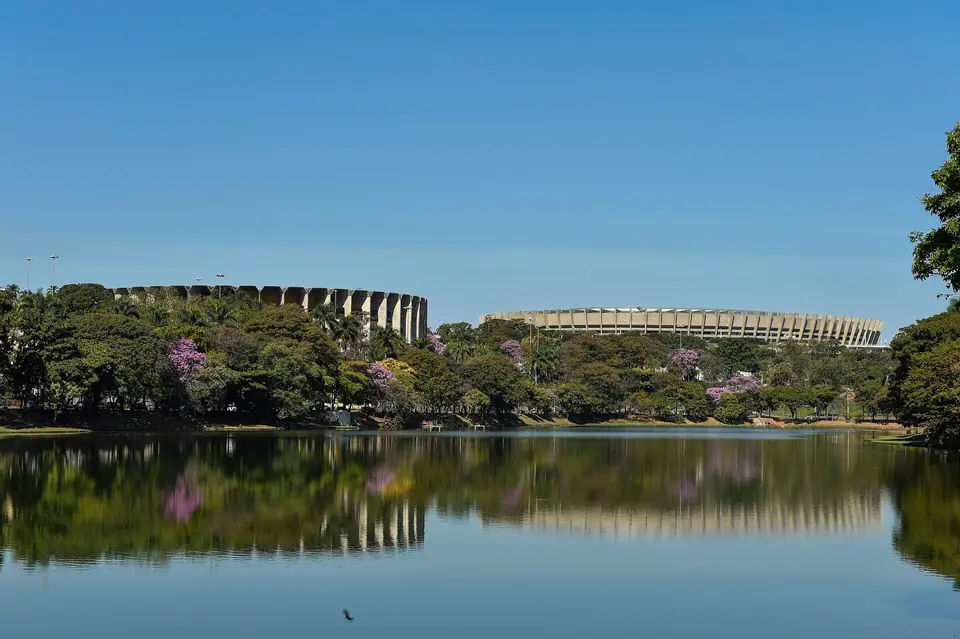
Because Belo Horizonte sits between 850 and 1,100 metres above sea level in the mountainous spine of Minas Gerais, its tropical highland climate escapes the intense, humid heat of the Brazilian coastline. The city records pleasant daytime warmth throughout the entire year, ranging from an average high of 24.6°C in July to 29.3°C in February. Rainfall divides the calendar into a crisp, sunlit dry season from April to September and a lush, thunderstorm-heavy summer from October to March.
April to September: The Highland Dry Season and Peak Travel Window
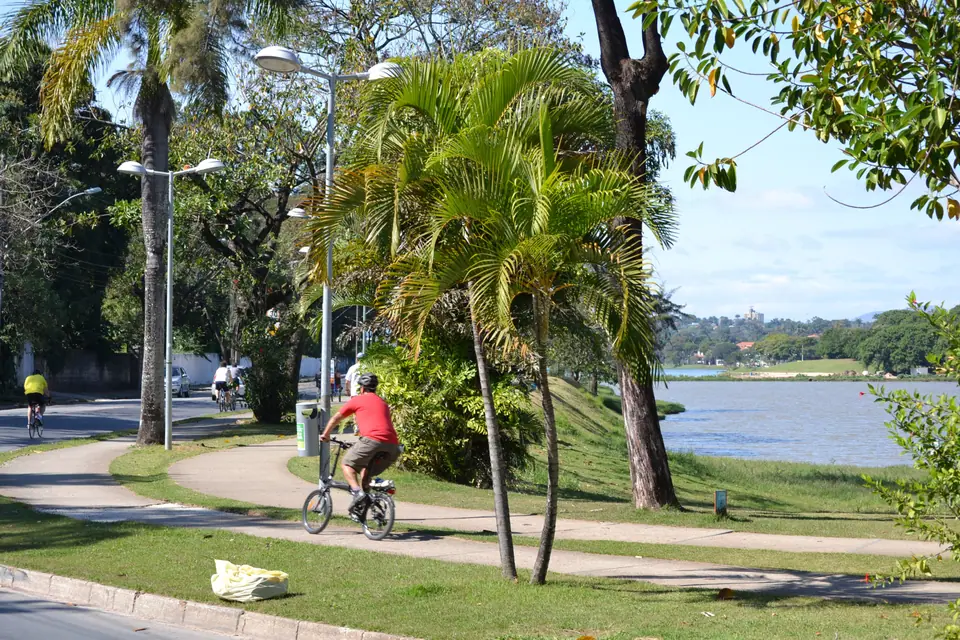
Between April and September, continental high-pressure systems dominate the plateau of Minas Gerais, deflecting coastal fronts and ensuring prolonged stretches of bright cobalt skies. Open-Meteo observations spanning 2015 to 2024 confirm that precipitation drops sharply during these months. June, July, and August register just 14 millimetres of rainfall and only 2 wet days per month, while April records 42 millimetres across 6 days and May records 28 millimetres across 4 days.
This prolonged dry window provides the finest conditions for outdoor architecture walks and regional excursions. Walking the extensive open-air sculpture trails of Instituto Inhotim requires several hours on unshaded red-dirt paths, which become muddy during the summer downpours. In winter, comfortable daytime highs of 24.6°C to 26.2°C make exploring these botanical grounds effortless. The same stability benefits travellers cycling the 18-kilometre shoreline of the Pampulha Modern Ensemble or climbing the steep stone hillsides of nearby Ouro Preto.
Evenings during the dry season turn delightfully crisp. Overnight temperatures average 13.8°C in July, 14.2°C in June, and 14.9°C in August. We advise packing a warm fleece or lined jacket for open-air dining across the pavement tables of Savassi and Lourdes, where highland breezes drop swiftly after sunset.
Cultural Calendar: Comida di Buteco and Winter Celebrations
The cultural rhythm of the capital aligns closely with its dry season weather patterns. In April and May, the city hosts Comida di Buteco. Founded in Belo Horizonte in 2000, this competition mobilises traditional family taverns across the municipality. Neighbourhood kitchens produce inventive bar snacks to secure votes from residents and visiting culinary enthusiasts. Exploring local counter culture in these months offers a lively introduction to Minas Gerais gastronomy.
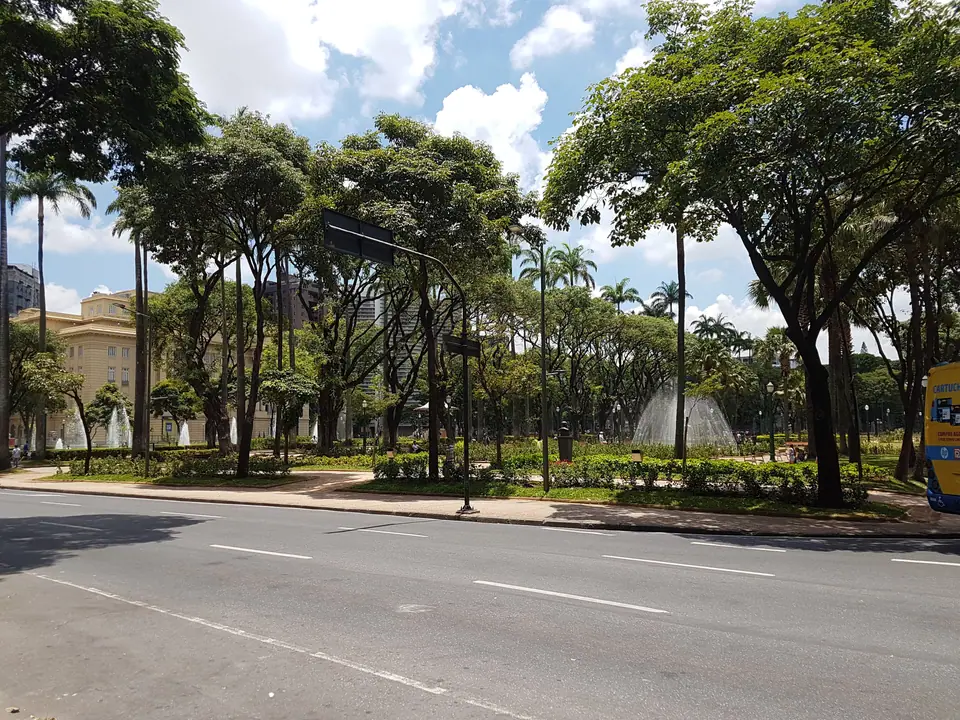
June and July bring the Arraial de Belo Horizonte, celebrating traditional Festa Junina folklore with quadrilha line dances, bonfires, and hot corn dishes. Winter also sees the Festival de Inverno de Ouro Preto e Mariana take over neighbouring historic squares with open concerts and theatrical workshops. In August and September, the Festival Internacional de Gastronomia de Tiradentes attracts prominent regional chefs. Back within the capital, July to September marks the annual flowering of pink and golden-yellow ipê trees, which shed their leaves to carpet the avenues surrounding Praça da Liberdade in bright colour.
October to March: Summer Rains, Green Canopies, and Carnival
The transition toward the wet summer begins in October, which averages 70 millimetres of rain across 10 wet days. Convective activity peaks from November through January, when moisture from the Amazon basin and Atlantic fronts converges over the southern highlands. December is the wettest month of the year, recording 126 millimetres over 18 rain days, followed by January with 112 millimetres across 16 days. February brings a modest reduction to 84 millimetres over 12 days, matching March totals.
Summer rain in Belo Horizonte typically arrives as heavy mid-afternoon thunderstorms rather than unbroken grey drizzle. Mornings regularly begin sunny and hot, with highs reaching 28.1°C in December, 28.9°C in January, and 29.3°C in February. The natural reserves at Parque das Mangabeiras and Serra do Curral display intense green foliage during this period, and cascading streams run at full volume.
Travel during the rainy season requires daily flexibility. Outdoor excursions should be scheduled for the early morning hours, keeping indoor galleries, municipal food halls, and modern museums reserved for the stormy mid-afternoon window. Street Carnival in February fills the central avenues with millions of revellers, making it a high-energy time to experience local brass bands, provided you carry waterproof covers for electronics.
Monthly Climate Patterns at a Glance
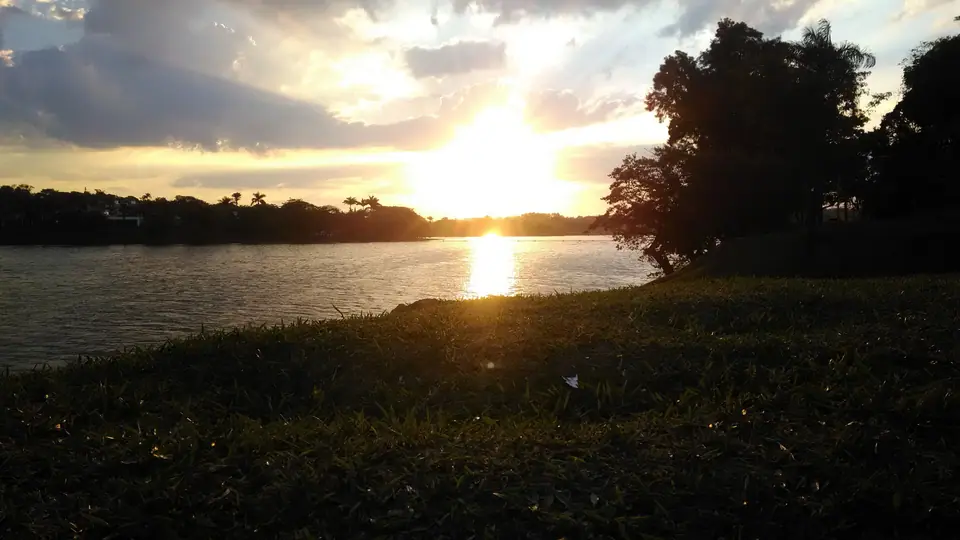
The following table summarizes long-term monthly climate figures for Belo Horizonte, compiled from Open-Meteo observations between 2015 and 2024. Use these figures to balance rainfall risks against seasonal temperatures when structuring your itinerary.
| Month | Average High (°C) | Average Low (°C) | Rainfall (mm) | Wet Days | Seasonal Character |
|---|---|---|---|---|---|
| January | 28.9 | 19.6 | 112 | 16 | Warm, humid, afternoon convective storms |
| February | 29.3 | 19.6 | 84 | 12 | Warmest month, lively street carnival season |
| March | 28.6 | 19.2 | 84 | 12 | Summer transition, lush mountain greenery |
| April | 27.5 | 17.8 | 42 | 6 | Dry season start, Comida di Buteco begins |
| May | 25.4 | 15.4 | 28 | 4 | Mild sunny days, cool dining evenings |
| June | 24.7 | 14.2 | 14 | 2 | Crisp winter skies, Festa Junina folklore |
| July | 24.6 | 13.8 | 14 | 2 | Coolest month, ipê trees begin flowering |
| August | 26.2 | 14.9 | 14 | 2 | Very dry, blooming yellow ipês, clear views |
| September | 27.7 | 16.7 | 28 | 4 | Warming trend, excellent regional touring |
| October | 28.4 | 18.2 | 70 | 10 | Spring transitions, rising thunderstorm risk |
| November | 27.8 | 18.8 | 105 | 15 | Heavy rainfall, cloud cover over hills |
| December | 28.1 | 19.3 | 126 | 18 | Wettest month, lively tropical gardens |
Strategic Packing Recommendations
Regardless of travel month, the combination of tropical sun and mountain elevation calls for deliberate packing. High UV levels require high-factor sunscreen, sunglasses, and a broad-brimmed hat, especially for the exposed walking routes around Pampulha and Inhotim. Between May and August, daytime temperatures stay mild, but nighttime readings drop to 14°C, making layers essential. Bring a light knit sweater or windbreaker for evening dining outside. If you visit between November and March, a breathable rain jacket, sturdy water-resistant walking shoes, and an umbrella will keep afternoon downpours from disrupting your plans.
Where it is
- 1Belo Horizonte
- Tancredo Neves International Airport (CNF) · about 31 km from Belo Horizonte in a straight line
- Directions in Google Maps
Stations and taxi ranks: OpenStreetMap. Airports: OurAirports. Distances are in a straight line.
Traveller tips
Real advice from people who have been to Belo Horizonte. Every tip is read by our team before it goes live.
No tips yet. Been here? Yours could be the first.
Thank you! Your tip will appear here after a quick review.
More in Belo Horizonte
Continue exploring Belo Horizonte with related neighbourhood, food, and planning guides
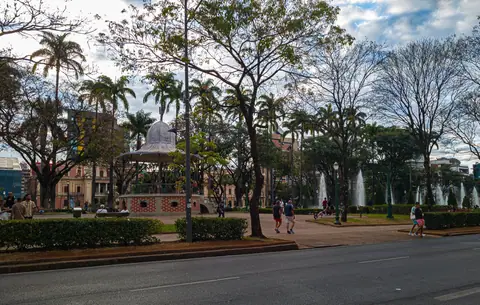
3 Days in Belo Horizonte Itinerary: Liberdade, Pampulha, Inhotim & Ouro Preto
Belo Horizonte, Brazil

What to Eat in Belo Horizonte: Cozinha Mineira, Canastra Cheese & Boteco Classics
Belo Horizonte, Brazil
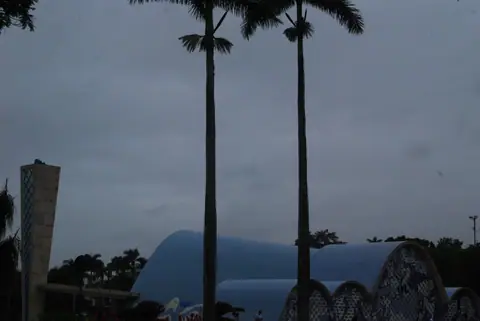
Pampulha Modern Ensemble Guide: Niemeyer's UNESCO Masterpiece on the Lagoon
Belo Horizonte, Brazil
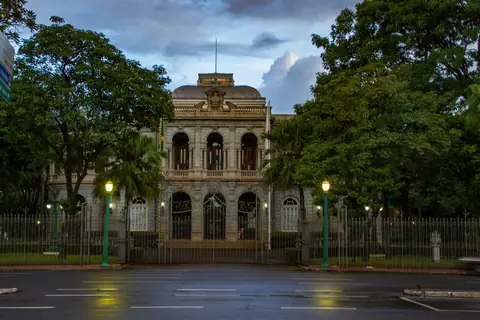
Praça da Liberdade Cultural Circuit Guide: Palaces, CCBB & Edifício Niemeyer
Belo Horizonte, Brazil
