Savassi, Lourdes and Santa Tereza: Belo Horizonte Neighbourhood Guide
Discover Savassi, Lourdes, and Santa Tereza in Belo Horizonte. Compare dining, architectural landmarks, musical roots, and transit logistics across districts.
While monumental plazas and lakeside pavilions showcase civic ambition across Belo Horizonte, daily life in the Minas Gerais capital unfolds across its distinct residential quarters. The pedestrian crossroads of Savassi, the shaded dining corridors of Lourdes, and the musical hills of Santa Tereza each present contrasting urban identities. Understanding how these three districts connect allows travellers to organise efficient walking routes between cultural landmarks and evening dining rooms.
Savassi serves as the commercial anchor of the Zona Sul, positioned south of Praça da Liberdade. Lourdes occupies the adjacent blocks to the west, defined by residential apartment towers and formal restaurants. Santa Tereza sits across the rail corridor to the northeast, retaining low-rise domestic architecture and working-class bohemian traditions. Together, they reflect the architectural and social variety of Minas Gerais.
Savassi Pedestrian Hub and Specialty Coffee Culture
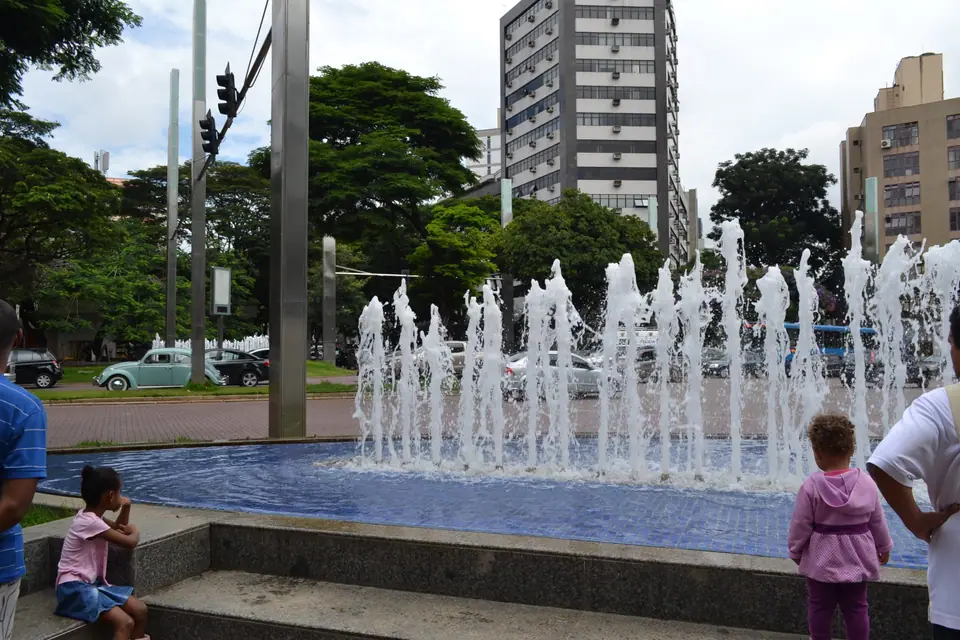
Savassi takes its name from Padaria Savassi, an Italian immigrant bakery established on Praça Diogo de Vasconcelos during the 1940s. The city converted this central crossroads, where Avenida Cristóvão Colombo and Avenida Getúlio Vargas intersect, into a four-block pedestrian promenade. Today, public benches, fountains, and wide stone paving welcome pedestrians away from vehicular thoroughfares.
The surrounding grid along Rua Pernambuco, Rua Sergipe, Rua Antônio de Albuquerque, and Rua Paraíba contains independent bookshops, small design galleries, and third-wave coffee roasteries. Cafés across these streets source beans directly from the Cerrado Mineiro and the Serra da Mantiqueira. Roasters focus on washed and natural lots from high-altitude farms across the state, serving filter extractions beside regional pão de queijo. As afternoon fades into evening, patio tables fill the pavements, transitioning the district into a major social hub. Savassi remains a strategic base when deciding where to stay in the city centre.
Lourdes Architecture and Haute Cuisine
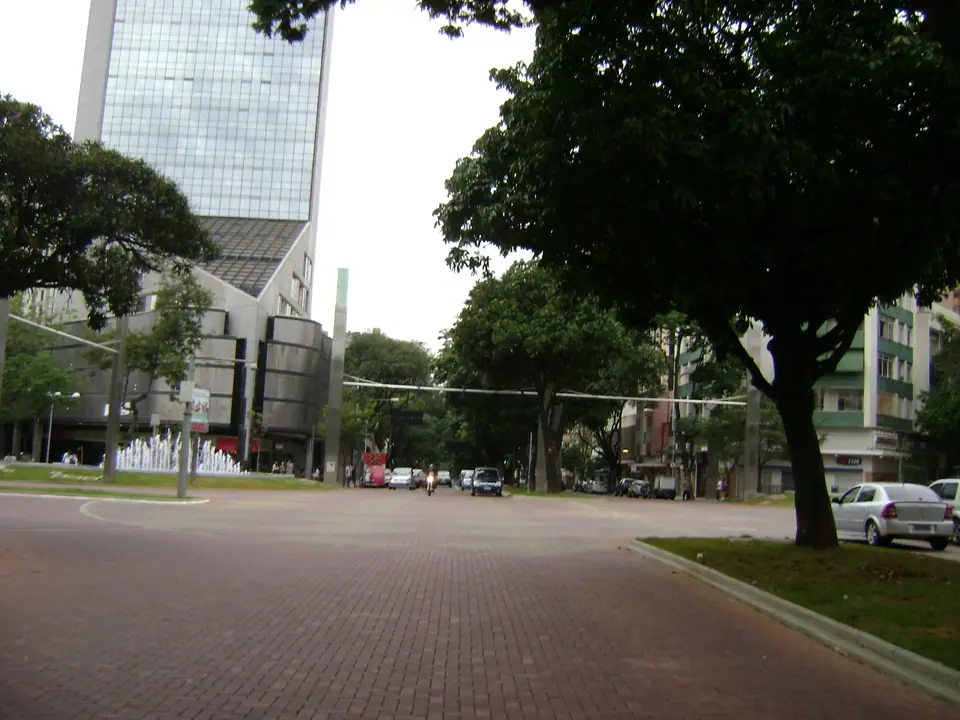
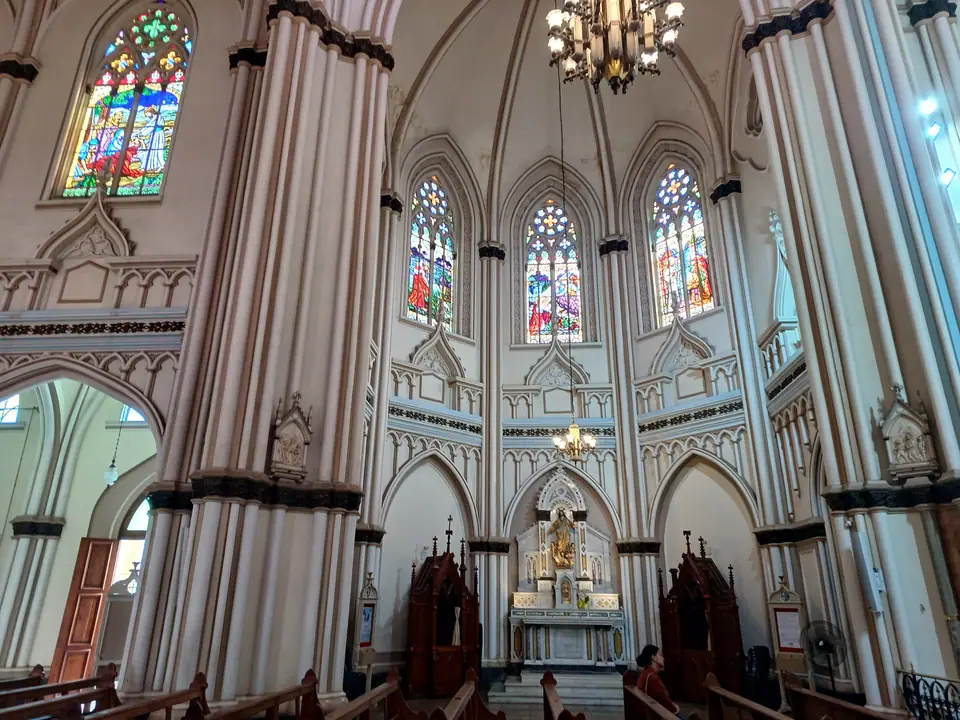
Directly west of the central cultural axis, Lourdes presents wide avenues shaded by mature trees. The district centres on the Basílica Nossa Senhora de Lourdes on Rua da Bahia, completed in 1923. The church exhibits soaring white Neo-Gothic spires, lancet windows, and detailed stone carvings that contrast with the modern high-rise architecture surrounding it.
Beyond the basilica, Lourdes contains important civic landmarks, including the historic Art Deco Minascentro convention hall and the expansive athletic grounds of the Minas Tênis Clube. The neighbourhood functions as Belo Horizonte's primary fine-dining quarter. Streets such as Rua Marília de Dirceu, Rua Bárbara Heliodora, and Rua Curitiba host premier wine bars, contemporary bistros, and upscale dining rooms serving refined interpretations of traditional Minas dishes. Visitors exploring regional culinary traditions should review our guide on what to eat to identify canonical state recipes before reserving tables in Lourdes.
Santa Tereza Bohemian Heritage and Clube da Esquina
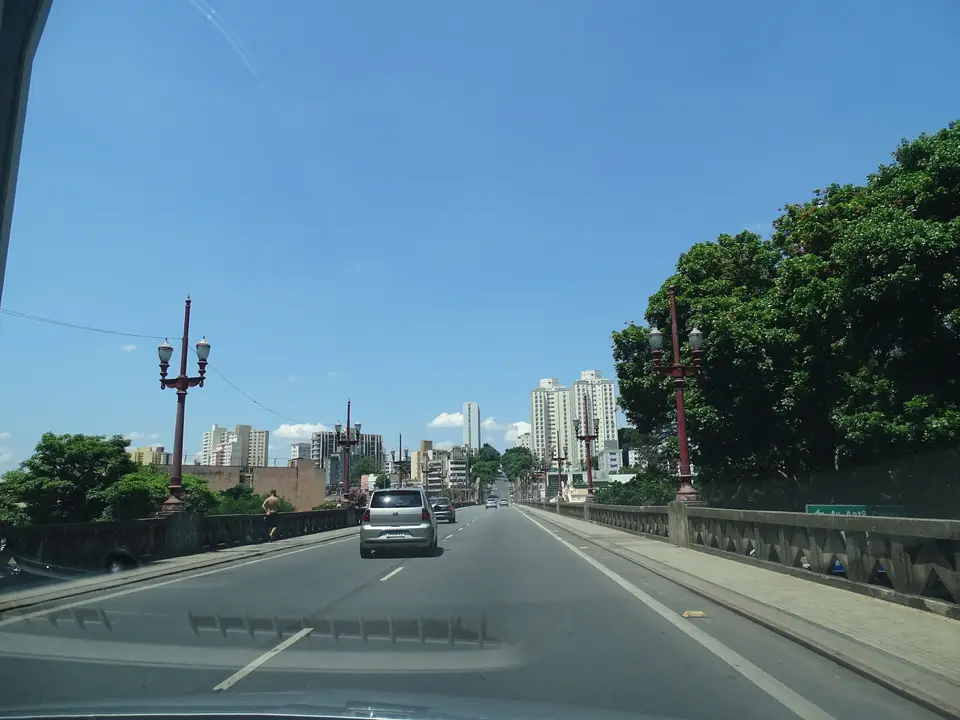
Santa Tereza occupies a quiet hill northeast of the central station. Access from Centro begins across the Viaduto Santa Tereza, an iconic parabolic concrete arch bridge built in 1929. The structure was celebrated in the verse of poet Carlos Drummond de Andrade and remains an active urban gathering point, hosting the long-running Duelo de MCs hip-hop battles underneath its arches.
Entering Santa Tereza reveals a protected low-rise garden neighbourhood marked by cobblestone lanes, modest early-twentieth-century residential facades, and open village squares. In the 1960s and 1970s, musicians Milton Nascimento and Lô Borges gathered at local corners to develop the celebrated Clube da Esquina musical movement, combining regional folk melodies with progressive rock and bossa nova. The Mercado Distrital de Santa Tereza and traditional corner botecos preserve this unhurried artistic atmosphere, serving cold beer and fried snacks to neighbourhood regulars late into the night.
Neighbourhood Comparison and Core Characteristics
| District | Defining Landmarks | Culinary Profile | Urban Character |
|---|---|---|---|
| Savassi | Praça Diogo de Vasconcelos, Rua Pernambuco | Specialty coffee, bakeries, craft beer patios | Pedestrianised plazas, high foot traffic, retail |
| Lourdes | Basílica Nossa Senhora de Lourdes, Minascentro | Fine dining, regional tasting menus, wine bars | Leafy residential avenues, Neo-Gothic architecture |
| Santa Tereza | Viaduto Santa Tereza, Mercado Distrital | Traditional corner botecos, draft beer, petiscos | Cobblestone lanes, low-rise homes, musical history |
Transit Connections and Navigating the Three Districts
Savassi and Lourdes lie adjacent to one another and connect seamlessly on foot across the green gardens of Praça da Liberdade. Walking between the two districts takes approximately ten to fifteen minutes, allowing travellers to pair morning museum visits with afternoon café stops and evening dinners without requiring taxis.
Reaching Santa Tereza requires crossing the rail corridor that divides the central valley. Travellers can walk across the pedestrian paths of the Viaduto Santa Tereza from Centro or catch the Belo Horizonte Metro to Santa Efigênia or Santa Tereza stations. Rideshare services and licensed taxis operate frequently throughout all three areas, providing reliable transit during late evening hours when botecos conclude service.
Seasonal Weather Across Belo Horizonte Districts
Walking between these neighbourhoods requires attention to regional seasonal shifts. Ten-year climate normals from Open-Meteo between 2015 and 2024 demonstrate a clear division between dry winter months and humid summer periods. Winter afternoons between June and August bring daytime highs of 24.6°C to 26.2°C, night lows dipping to 13.8°C to 14.9°C, and only two wet days per month with 14 millimetres of rainfall. These crisp winter months provide ideal conditions for outdoor pedestrian explorations across Savassi and Santa Tereza.
Summer months between November and January bring warmer temperatures, averaging daytime highs near 27.8°C to 28.9°C and night lows of 18.8°C to 19.6°C. December represents the wettest month of the year, averaging 126 millimetres across 18 wet days, while January records 112 millimetres over 16 wet days. When exploring during summer afternoons, plan indoor visits to church interiors, bookshops, or covered markets before evening rain showers arrive.
Where it is
- 1Savassi, Lourdes and Santa Tereza
- Tancredo Neves International Airport (CNF) · about 34 km from here in a straight line
- Directions in Google Maps
Stations and taxi ranks: OpenStreetMap. Airports: OurAirports. Distances are in a straight line.
Traveller tips
Real advice from people who have been to Belo Horizonte. Every tip is read by our team before it goes live.
No tips yet. Been here? Yours could be the first.
Thank you! Your tip will appear here after a quick review.
More in Belo Horizonte
Continue exploring Belo Horizonte with related neighbourhood, food, and planning guides
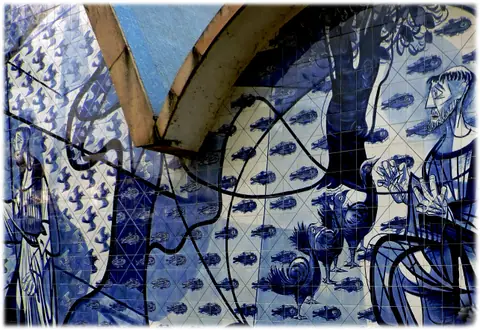
12 Best Things to Do in Belo Horizonte: Pampulha, Liberdade, Cheese & Inhotim
Belo Horizonte, Brazil
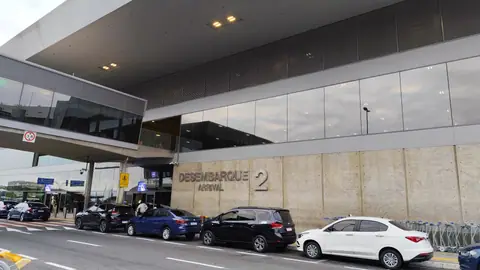
How to Get to Belo Horizonte: Confins Airport, Rail, and Bus Hubs
Belo Horizonte, Brazil
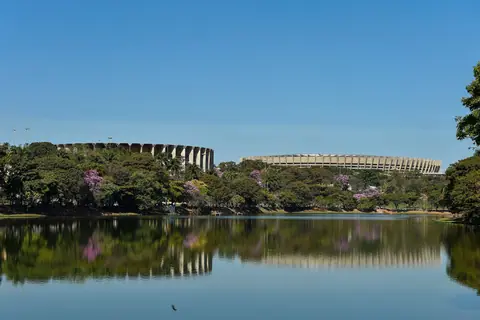
Best Time to Visit Belo Horizonte: Climate Normals and Seasonal Guide
Belo Horizonte, Brazil
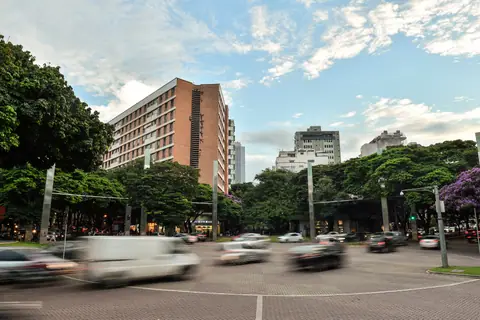
Where to Stay in Belo Horizonte: Savassi, Lourdes and Pampulha
Belo Horizonte, Brazil
