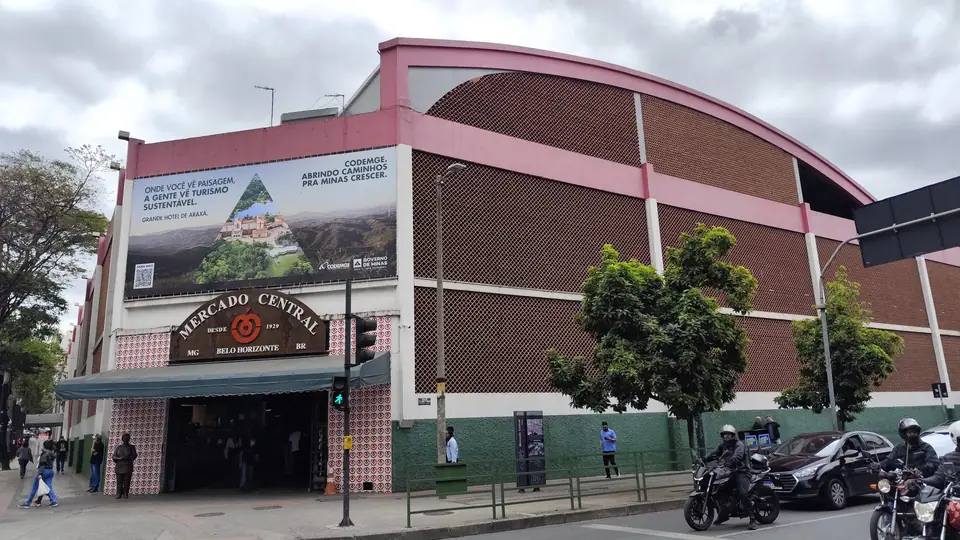
Mercado Central, Mercado Novo and Boteco Culture in Belo Horizonte
Master Belo Horizonte's legendary food markets and boteco culture, from raw-milk Canastra cheeses at Mercado Central to the bohemian bars of Santa Tereza.
The Gastronomic Soul of Minas Gerais
Belo Horizonte holds an undisputed reputation across Brazil as the national capital of botecos, holding thousands of neighbourhood drinking houses and counter bars. The city earned recognition as a UNESCO Creative City of Gastronomy because everyday social life revolves around shared platters of regional food. Two historic market structures anchor this culinary culture in the city centre: the 1929 Mercado Central and the 1960s brutalist complex known as Mercado Novo. Separated by three urban blocks, these sites represent distinct chapters of urban culinary tradition. Travellers planning a regional tasting route should reference our guide on what to eat in Belo Horizonte to understand the traditional pantry before navigating the corridors.
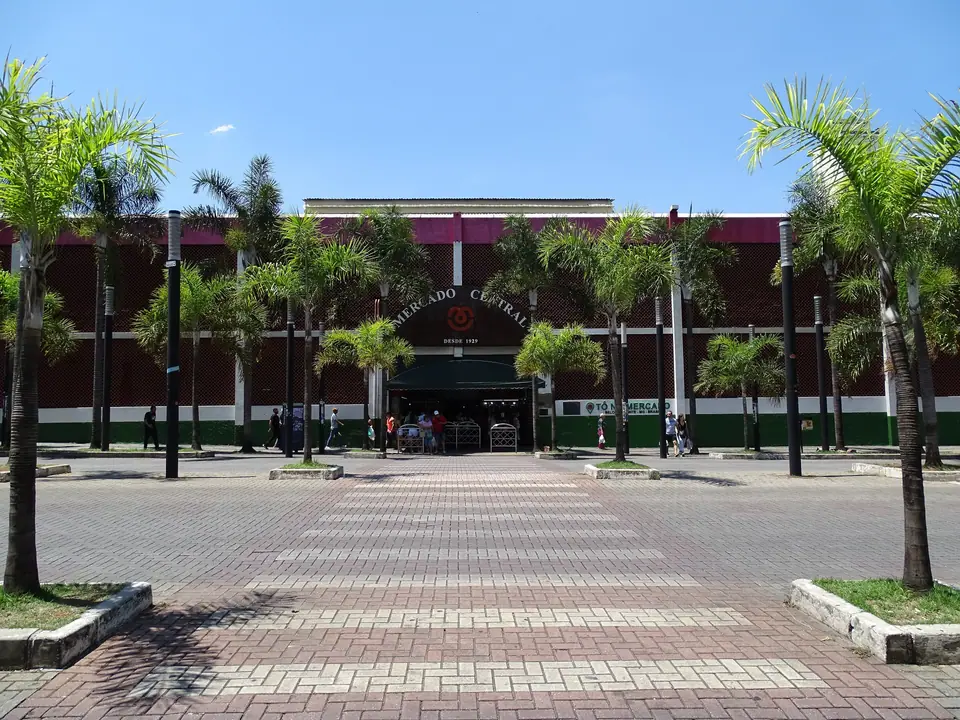
Mercado Central: Four Hundred Stalls of Mineiro Heritage
Mayor Cristiano Machado established Mercado Central on 7 September 1929, choosing the former football pitch of América Futebol Clube at Avenida Augusto de Lima 744. His original plan brought together disparate open-air vendors who previously traded at Praça da Estação and Praça da Liberdade under one organised roof. Today the municipal market contains more than 400 independent retail stalls and counter bars arranged along wide covered passageways named after regional landmarks.
The market functions as the primary distribution hub for traditional artisanal cheeses from the interior of Minas Gerais. Specialised merchants display golden wheels of raw-milk Queijo da Canastra and Queijo do Serro, aged on wooden planks and certified with protected origin status. Stallholders gladly cut tasting slivers straight from the rind, pairing pungent cheeses with spoonfuls of Viçosa dulce de leche or dark guava paste cooked in copper cauldrons. Other corridors feature rows of soapstone cookware crafted in mountain towns near Ouro Preto, hand-woven cotton hammocks, and glass jars packed with fiery pickled malagueta chillies steeping in clear sugarcane spirit.
Dining at Mercado Central means adopting local standing rituals. The perimeter botecos do not supply chairs; customers gather shoulder to shoulder along polished counter ledges. Renowned stops like Bar da Lora, Casa Cheia, and Comercial Sabiá produce hot platters directly from sputtering iron pans. The undisputed market classic is beef liver cooked with sweet onions and scarlet bitter eggplant, known locally as fígado com jiló. Counter staff pair the dish with cold lager or miniature glasses of aged cachaça. Another morning staple is crusty cheese bread stuffed with slow-braised pork leg, providing substantial fuel for walking through the downtown core.
Mercado Novo: Brutalism and Craft Revival
Mercado Novo stands at Avenida Olegário Maciel 742, conceived in the early 1960s as a modern wholesale supply depot. The colossal concrete structure featured wide vehicle ramps and unadorned industrial lines, yet its upper floors languished half-empty for decades. A grassroots cultural resurgence began in 2018, transforming the second and third floors, collectively known as Velho Mercado Novo, into a concentrated evening centre for local culinary enterprise.
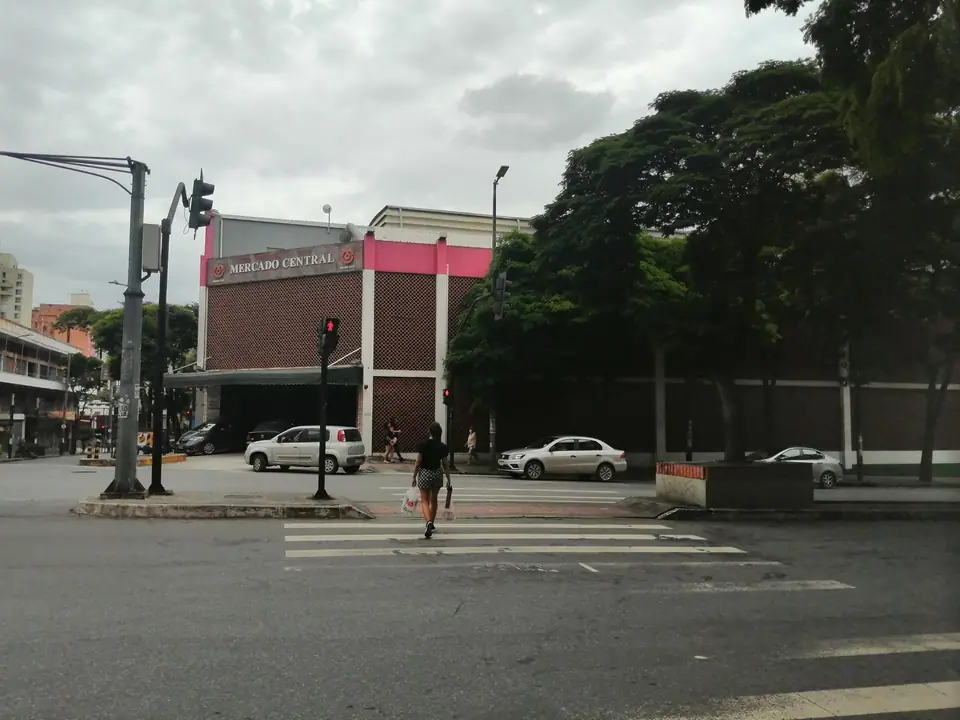
The revival preserved the original mid-century commercial aesthetic rather than replacing it. Traditional letterpress print shops, uniform seamstresses, and repair stalls continue operating right beside modern independent businesses. Independent culinary counters serve draught craft beer, artisanal charcuterie, natural wines, and small plates using local ingredients from across Minas Gerais. Visitors wander between communal standing tables under warm filament bulbs, ordering dishes from individual open kitchens that showcase regional heritage through a contemporary lens.
| Market Venue | Address and Era | Key Architectural Style | Signature Specialities |
|---|---|---|---|
| Mercado Central | Avenida Augusto de Lima 744 (1929) | Traditional covered hall with themed aisles | Queijo da Canastra, fígado com jiló, doce de leite, soapstone crafts |
| Mercado Novo | Avenida Olegário Maciel 742 (1960s) | Multi-storey brutalist concrete wholesale block | Independent microbreweries, artisanal charcuterie, letterpress studios |
| Bar do Bolão | Praça Duque de Caxias, Santa Tereza (1961) | Neighbourhood corner boteco terrace | Rochedão platters, cold beer, Clube da Esquina musical heritage |
Santa Tereza and the Roots of Clube da Esquina
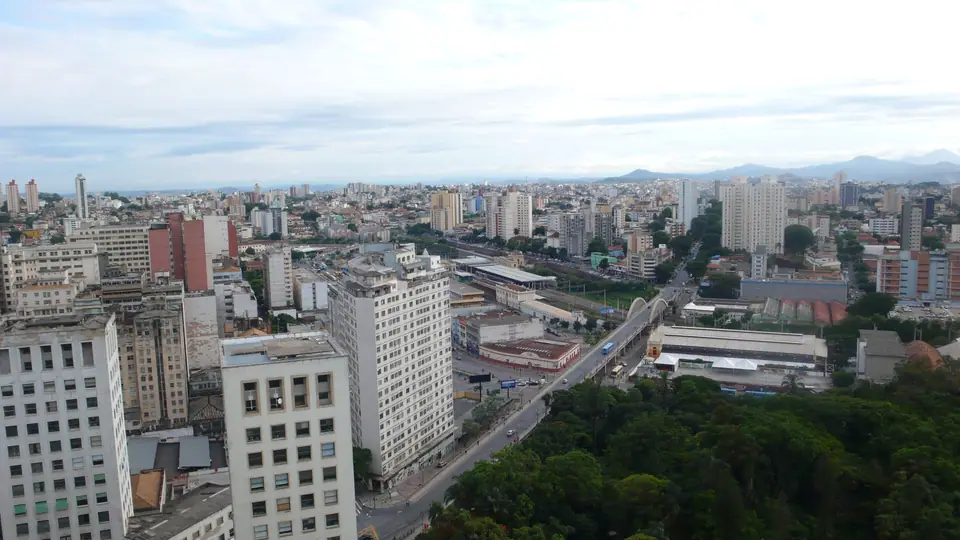
Crossing the railway lines east of the central grid via the arched concrete Viaduto Santa Tereza brings travellers into bohemian Santa Tereza. This leafy quarter retains low-rise residential houses and active public squares that foster a slower neighbourhood rhythm. Santa Tereza played a central role in Brazilian popular music during the late 1960s and 1970s. Renowned musicians Milton Nascimento, Lô Borges, and Beto Guedes formed the Clube da Esquina movement on these pavements, blending folk rhythms, rock, and jazz harmonies.
Music enthusiasts visit the historic intersection of Rua Paraisópolis and Rua Divinópolis, where a dedicated street monument commemorates the birthplace of the movement. A short walk brings visitors to Praça Duque de Caxias and the venerable Bar do Bolão, an institution serving local diners since 1961. The kitchen is famous across the metropolitan area for its late-night Rochedão, a generous platter of rice, beans, meat, and fried eggs. Sitting at simple footpath tables with friends exemplifies the egalitarian spirit of Belo Horizonte boteco culture. For deeper neighbourhood context, see our detailed Savassi, Lourdes and Santa Tereza neighbourhood guide.
Seasonal Planning and Practical Market Navigation
Navigating the markets comfortably requires attention to regional weather patterns. Belo Horizonte sits at high elevation, producing warm, wet summers and dry, mild winters. Climate records show that January averages 112 millimetres of rain across 16 wet days with daytime highs around 28.9°C, while December brings 126 millimetres over 18 wet days. Heavy afternoon downpours can make walking between downtown venues challenging. The winter months of June and July offer ideal market conditions, recording only 14 millimetres of rainfall across 2 wet days with pleasant afternoon highs near 24.6°C.
Mercado Central operates as a morning market, so arriving early guarantees the freshest cheese deliveries and less crowded corridors. In contrast, the upper levels of Mercado Novo activate predominantly during evening hours and weekend afternoons. Because vendor schedules and service days vary throughout the year, visitors should verify current opening details directly on the official market portals before arrival. Public transit links both facilities via downtown bus corridors, while app taxis provide reliable transit across the railway tracks into Santa Tereza after dark.
Where it is
- 1Belo Horizonte
- Tancredo Neves International Airport (CNF) · about 32 km from Belo Horizonte in a straight line
- Directions in Google Maps
Stations and taxi ranks: OpenStreetMap. Airports: OurAirports. Distances are in a straight line.
Traveller tips
Real advice from people who have been to Belo Horizonte. Every tip is read by our team before it goes live.
No tips yet. Been here? Yours could be the first.
Thank you! Your tip will appear here after a quick review.
More in Belo Horizonte
Continue exploring Belo Horizonte with related neighbourhood, food, and planning guides
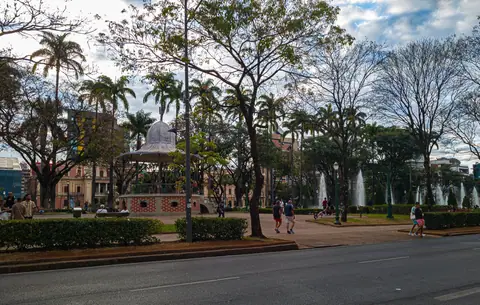
3 Days in Belo Horizonte Itinerary: Liberdade, Pampulha, Inhotim & Ouro Preto
Belo Horizonte, Brazil
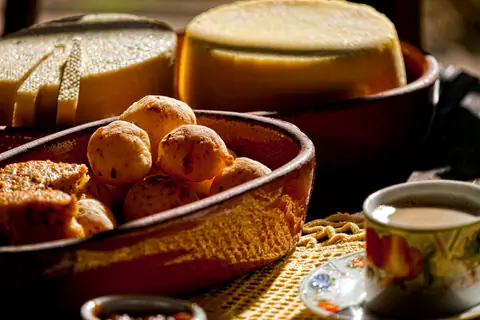
What to Eat in Belo Horizonte: Cozinha Mineira, Canastra Cheese & Boteco Classics
Belo Horizonte, Brazil
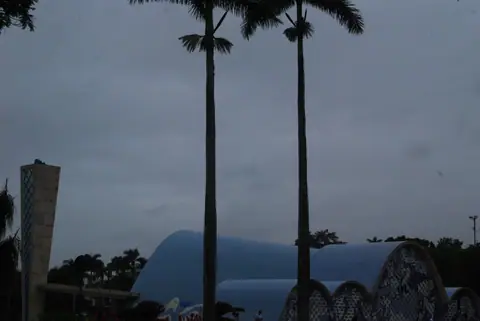
Pampulha Modern Ensemble Guide: Niemeyer's UNESCO Masterpiece on the Lagoon
Belo Horizonte, Brazil
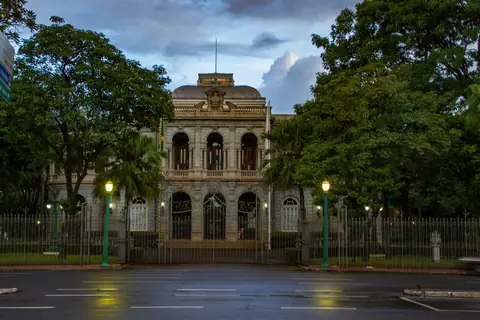
Praça da Liberdade Cultural Circuit Guide: Palaces, CCBB & Edifício Niemeyer
Belo Horizonte, Brazil
