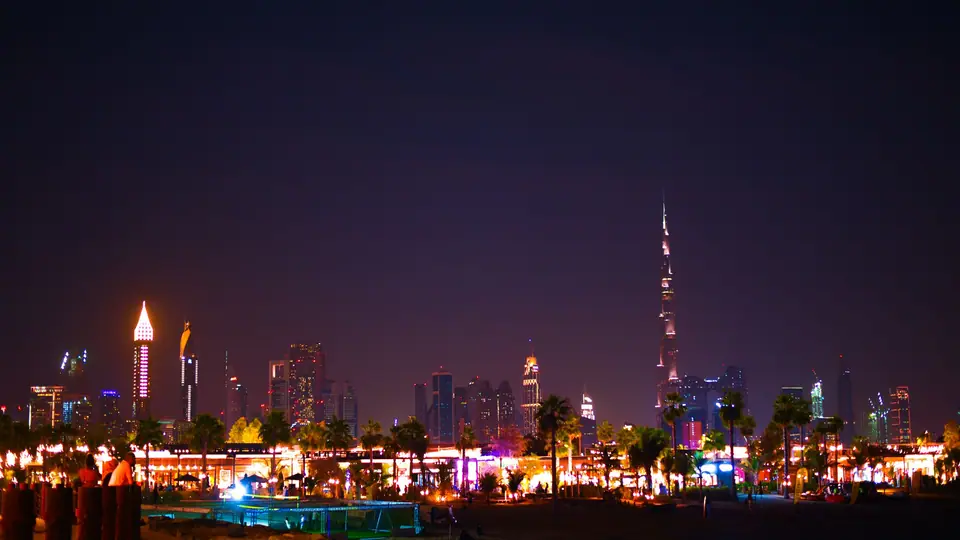
Dubai: What to Know Before You Go
A practical briefing on Dubai's layout, current flight disruption, Metro rules, nol cards and the local laws visitors most often get wrong.
Short answer: check the regional security situation and your airline in the days before you fly, plan each day around a single district, and travel between districts on the Metro or by metered taxi. Learn a handful of local laws on alcohol, dress and photography before you land, because they apply to visitors exactly as they apply to residents. Everything else in Dubai is easy once those pieces are in place.
The 2026 security situation and your flights
This is the most important part of planning a Dubai trip right now. A regional war involving Iran began on 28 February 2026, and Iranian strikes have since reached Gulf states, including the UAE. On 16 March 2026 a drone strike started a fire at a fuel tank near Dubai International Airport (DXB). The civil aviation authority halted flights as a precaution, some services were diverted to Al Maktoum International, and no injuries were reported.
The airport is operating, but disruption has not ended. Reports in early November 2026 still described cancellations and delays at Dubai International, and some airlines have suspended or postponed Dubai routes into 2027. The UK government updated its UAE advice on 27 October 2026 and tells travellers to be prepared for flight cancellations, airspace closures and travel disruption. Australia's Smartraveller advises visitors to reconsider their need to travel because of the unpredictable security situation.
In practice, a few habits make a trip far less stressful. Read your own government's travel advice shortly before departure and again during the trip. Book flexible fares and hotels with free cancellation where you can. Confirm that your travel insurance covers disruption caused by conflict, since many policies exclude it. Give the airline a phone number and email that work abroad, so rebooking messages reach you. If your government offers a registration service for citizens abroad, sign up before you go.
How the city is laid out
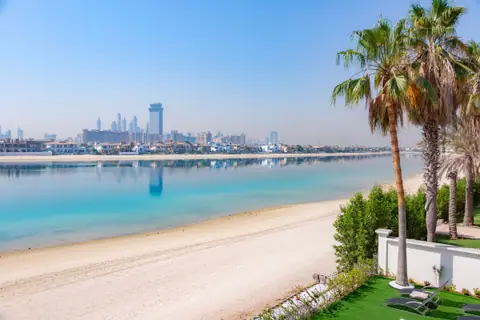
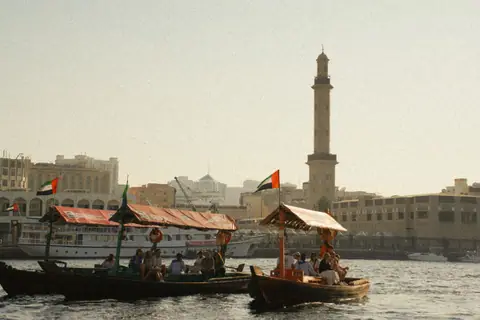
Dubai grew along the Gulf coast rather than around a single centre, so it reads best as a chain of districts. In the north, Deira and Bur Dubai face each other across Dubai Creek, a saltwater inlet that the transport authority describes as a 14 kilometre stretch dividing the two banks. This is where you find Al Fahidi, the abras and the souks. South along Sheikh Zayed Road sit DIFC, the Museum of the Future and Downtown Dubai around the Burj Khalifa. Further south-west come Palm Jumeirah, Dubai Marina and Jumeirah Beach Residence.
Because these districts are spread out, the way you group sights decides how much time you lose. A morning in Al Fahidi followed by an afternoon at the Marina means a long cross-city ride in the heat. Pairing Old Dubai with the Museum of the Future, or Downtown with the Jumeirah coast, keeps journeys short. Our three-day route follows this logic from north to south.
Metro, nol cards and taxis
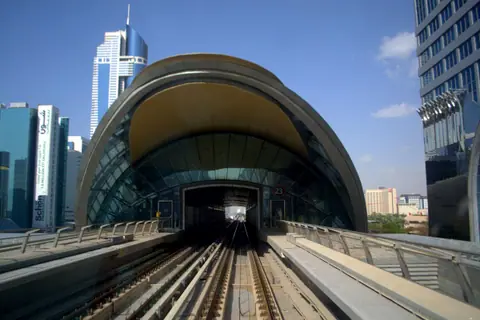
The Dubai Metro has two lines, Red and Green. A third, the Blue Line, is planned as a new 30 km route with 14 stations, due for completion in 2029. You pay with a nol card or ticket, and the transport authority states that cash is not accepted. The options matter more than most visitors expect:
- Red ticket / Silver card. The Red ticket is a paper disposable ticket for one mode of transport at a time. The Silver card is the regular reusable card that most visitors should buy.
- Silver card / Gold card. Both work on the same services, but the Gold card unlocks the Gold Class cabin on the Metro and tram at double the regular fare.
- Gold Class / Women and Children cabin. Gold Class has wide leather seats and panoramic views. Separate cabins are set aside for women and children, and sitting in the wrong section is a fineable offence.
Eating and drinking are not allowed inside Metro cabins, and inspectors issue fines, so finish your water on the platform. Carrying alcohol on public transport is also fined. Taxis are metered and regulated by the same authority; our transport guide covers airport links, abras and buses in detail.
Local laws visitors most often get wrong
Dubai feels relaxed and international, but UAE law is stricter than many visitors assume. The points below come from the UK government's published guidance for the UAE:
- Alcohol in a bar / alcohol in public. In Dubai you do not need a liquor licence to drink in licensed venues such as hotel bars and restaurants. It is illegal anywhere in the UAE to drink, or to be under the influence of alcohol, in a public place.
- Swimwear on the beach / swimwear in town. Swimwear belongs on beaches and at pools. In public places, women are advised to cover shoulders and knees, and underwear should not be visible. Our what to wear guide explains how this works in malls, souks and mosques.
- Photographing a view / photographing people. Do not photograph people without their permission. Taking photos of some government buildings and military installations is illegal.
- Holding hands / kissing. Showing affection in public is frowned upon, and the guidance warns that people can be arrested for kissing in public.
Check the contents of your bag too. The same guidance notes that some skincare products and e-cigarette refills contain ingredients that are illegal in the UAE, such as CBD oil. If you take prescription medicine, check the UAE Ministry of Health list of controlled drugs before you travel, since some common medicines need a permit.
During Ramadan, non-Muslims are not required to fast. The UAE government notes that restaurants and food courts provide designated areas away from people who are fasting, and that some restaurants adjust their daytime hours before opening fully at Iftar. The UK guidance adds that eating, drinking, smoking or chewing gum in public during daylight may cause offence, including in your car. Our best time to visit guide explains why the dates of Ramadan move each year.
Finally, respect goes a long way. A greeting before a question, patience in queues and modest behaviour in residential areas such as Bur Dubai and Deira are noticed and appreciated. Dubai is home to people from many countries, and most visitors find it welcoming and easy to navigate once they know these rules.
Where it is
- 1Dubai
- Dubai International Airport (DXB) · about 11 km from Dubai in a straight line
- Directions in Google Maps
Stations and taxi ranks: OpenStreetMap. Airports: OurAirports. Distances are in a straight line.
Traveller tips
Real advice from people who have been to Dubai. Every tip is read by our team before it goes live.
No tips yet. Been here? Yours could be the first.
Thank you! Your tip will appear here after a quick review.
More in Dubai
Continue exploring Dubai with related neighbourhood, food, and planning guides