Photo: Сергей Дорогань · CC BY-SA 4.0
Kazan Kremlin and Söyembikä Tower: Heritage, Architecture and Citadel Walks
Rising over the river confluence, the Kazan Kremlin shelters the tiered red-brick Söyembikä Tower, ancient stone battlements, and serene cultural grounds.
Architectural Layers of the Citadel and Ramparts
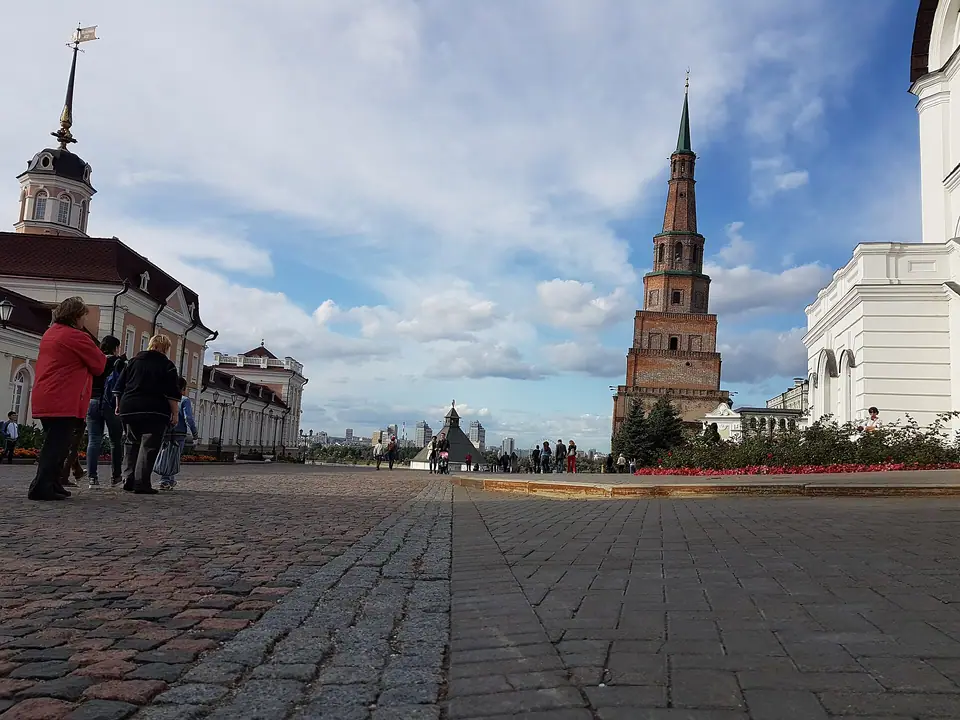
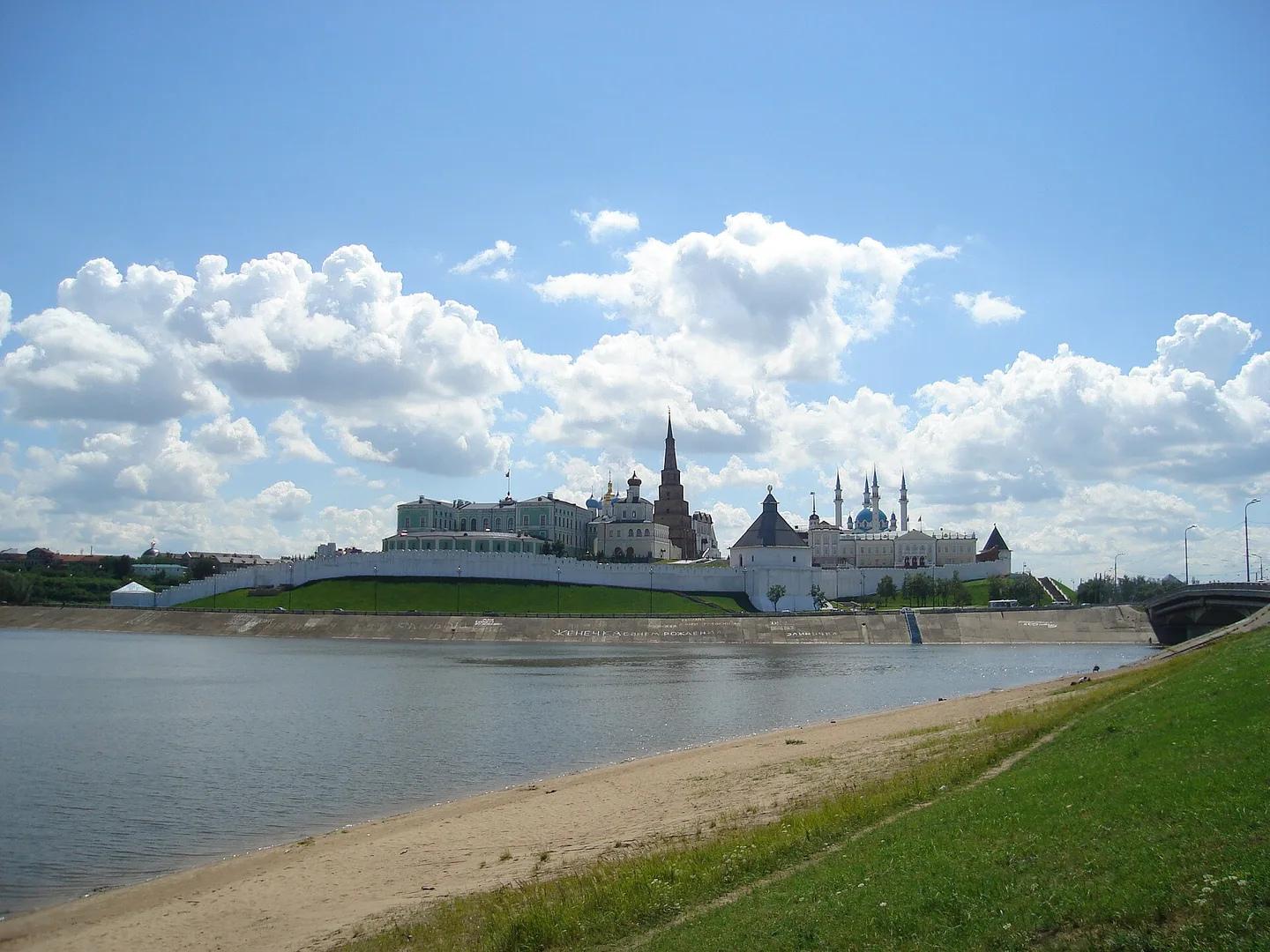
The fortified limestone bluff crowns the historic heart of the city, looking out across broad waters where regional trade routes converged for centuries. Massive white-washed walls enclose centuries of layered Tatar and Russian heritage, standing as a tangible testament to profound political and cultural transitions. Walking along the perimeter pathways reveals the contrast between smooth stone parapets and deep defensive slopes, illustrating the military thought behind this ancient citadel.
Passing through the entrance gates reveals open squares framed by official administrative buildings, quiet courtyards, and museum galleries that honour diverse regional traditions. The fortress grounds offer elevated vantage points over the surrounding districts, framing distant river banks and modern thoroughfares in a single sweeping vista. The northern ramparts connect smoothly with the broader city network, where visitors discover nearby landmarks across Kazan attractions and sights.
Limestone masonry lines the outer curtains, resisting regional weathering across harsh winters and sunny summers alike. Early military engineers positioned the fortress over the natural promontory to command panoramic views across incoming watercraft and land expeditions. Today, visitors stroll along these restored parapets to appreciate how historical defensive barriers shape modern recreational open spaces.
The Mystery and Form of Söyembikä Tower
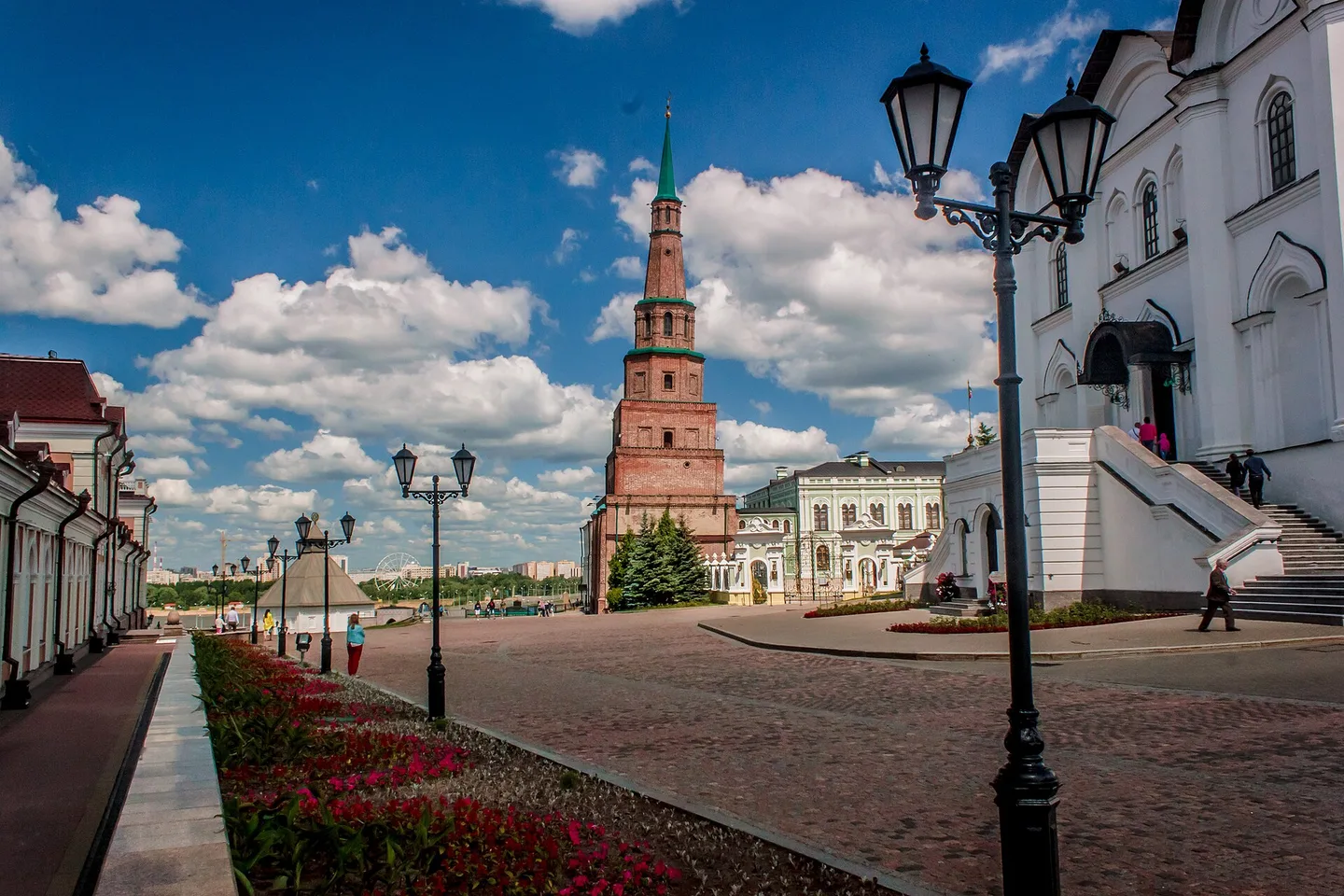
At the architectural core of the enclosure rises the tiered silhouette of the Söyembikä Tower, constructed from rich red brickwork. The structure narrows progressively through successive stepped tiers, terminating in a slender octagonal spire that punctuates the skyline above the limestone ramparts. Its distinctive lean creates a striking profile when viewed from the lower stone avenues or from the foot of the hill.
Local lore links the edifice to the Tatar queen Söyembikä, inspiring persistent folk narratives about the final days of the historic khanate. While architectural historians debate the precise chronology of its brick tiers, the tower remains a cherished regional emblem of perseverance and shared memory. The ornate wrought gates nearby display delicate sunburst patterns, offering an atmospheric frame for photographers studying decorative metal craft.
The red masonry stands in stark visual contrast to the surrounding pale limestone walls, drawing the eye from across the citadel. Each tier displays precise geometric proportions, shifting gracefully from heavy square bases into lighter octagonal drums. Careful preservation work stabilises the leaning foundation, protecting this landmark for future generations.
- Tiered brick base: broad arched portals resting on solid stone foundations.
- Narrowing upper stages: octagonal levels that direct wind flow around the leaning spire.
- Enclosing courtyard: peaceful stone flagstones offering clear angles of the red masonry.
Museum Courtyards and Architectural Landmarks
Within the fortified complex, religious and civil monuments stand side by side, reflecting centuries of interwoven communal life across the republic. Just steps from the red-brick tower, the soaring minarets of the Kul Sharif Mosque rise proudly against the sky, creating a balanced aesthetic dialogue with the nearby cathedral. Walking between these complexes gives an immediate sense of the artistic harmony nurtured along the Volga.
Several administrative buildings and former barracks now host rich exhibitions dedicated to regional archaeology, natural history, and Islamic manuscript heritage. Stone pathways lead visitors steadily from sunny open plazas into shaded porticoes and restored military quarters. Taking unhurried time to cross these broad courtyards allows visitors to absorb subtle shifts between Russian classical symmetry and Tatar decorative flourishes.
Galleries within the Governor Palace grounds and adjoining exhibition halls present historical perspective on regional statehood and archaeology. Carefully curated display halls hold excavated artefacts, medieval weaponry, and ornamental metalwork recovered from regional trade networks. Informational displays assist independent travellers in understanding the diverse creative traditions that converged within this historic fortress.
Citadel Approaches and Practical Walkways
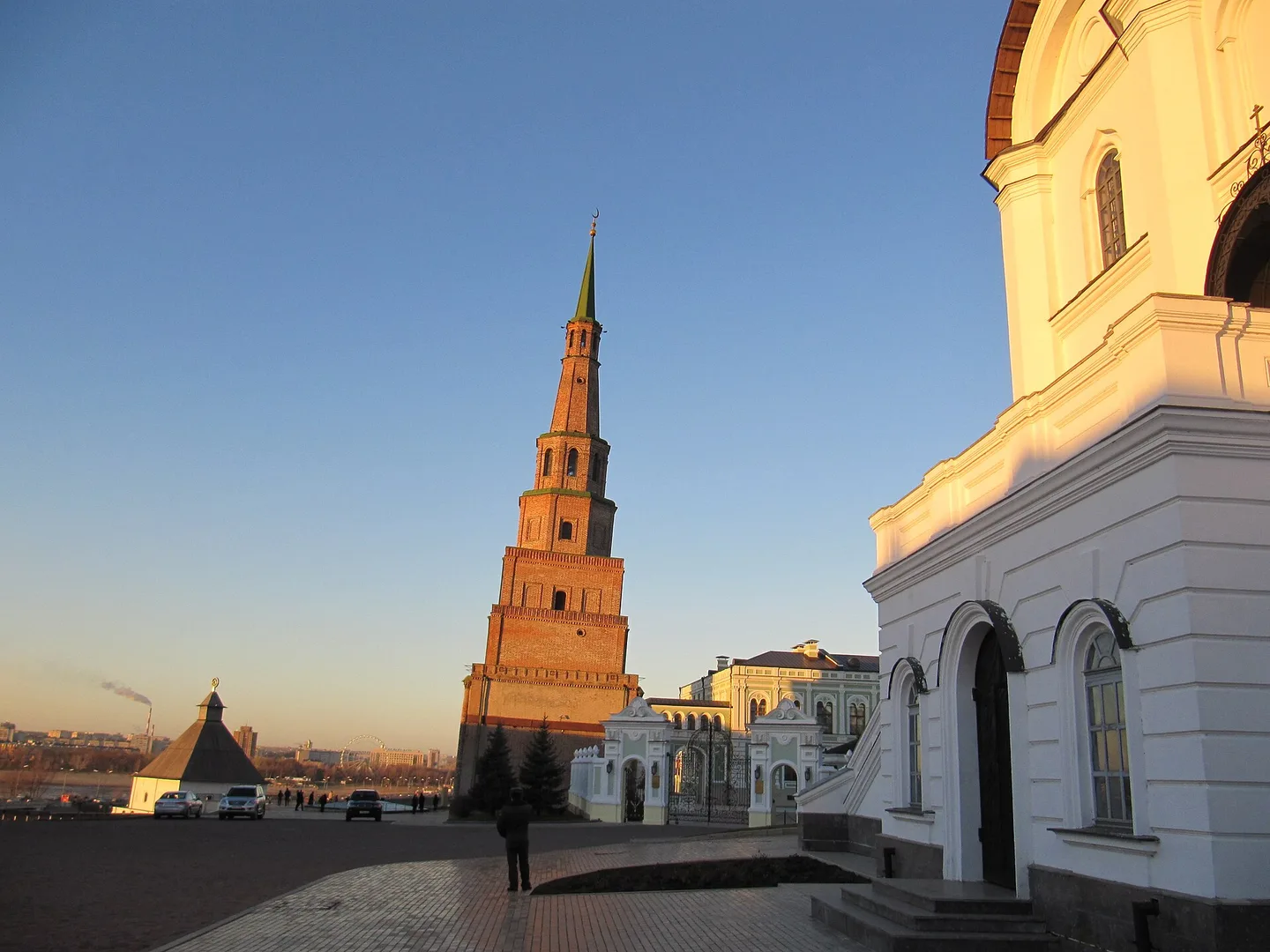
Approaching the complex on foot reveals how commanding the bluff remains over the surrounding urban grid. Broad stairways climb steadily from the lower avenues, carrying pedestrians directly to the main clock tower gate and the northern rampart views. Visitors starting from southern pedestrian promenades can easily link this route with the historic path along Bauman Street to complete an extensive architectural day.
The internal surfaces combine polished stone slabs with traditional cobblestone paths, requiring sturdy walking footwear during wet or frosty days. Strong river breezes frequently sweep across the open parapets, so an extra layer proves sensible even during bright afternoon excursions. The grounds remain pleasant through evening twilight, when soft floodlights illuminate the pale limestone walls and highlight the reddish glow of the leaning tower.
Public transport links connect the foot of the citadel hill directly to central transit stations, simplifying arrivals from outlying quarters. Underground transit exits open within easy strolling distance of the southern entry gate, avoiding steep initial climbs. Travellers heading onward across Tatarstan can combine this citadel excursion with deeper explorations introduced in the Kazan city travel guide.
Official prices and opening hours
- Kazan Kremlin Grounds & Kul Sharif MosqueOfficial site ↗
Where it is
- 1Kazan Kremlin and Söyembikä Tower
- Kazan International Airport (KZN) · about 24 km from here in a straight line
- Directions in Google Maps
Stations and taxi ranks: OpenStreetMap. Airports: OurAirports. Distances are in a straight line.
Traveller tips
Real advice from people who have been to Kazan. Every tip is read by our team before it goes live.
No tips yet. Been here? Yours could be the first.
Thank you! Your tip will appear here after a quick review.
More in Kazan
Continue exploring Kazan with related neighbourhood, food, and planning guides

What to Eat in Kazan: Traditional Tatar Bakeries and Tea Culture
Kazan, Russia
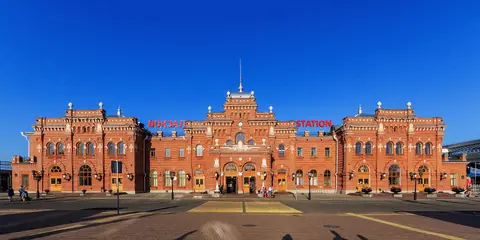
Getting to Kazan and Navigating the City by Rail, Metro and Water
Kazan, Russia
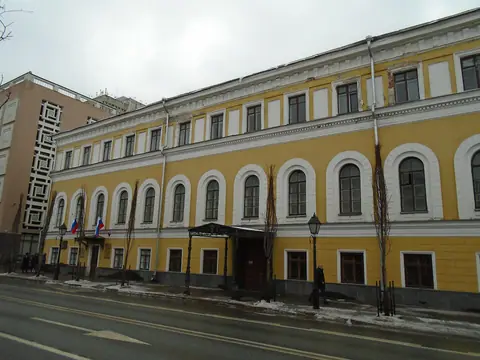
Where to Stay in Kazan: Best Districts, Historic Streets and River Views
Kazan, Russia
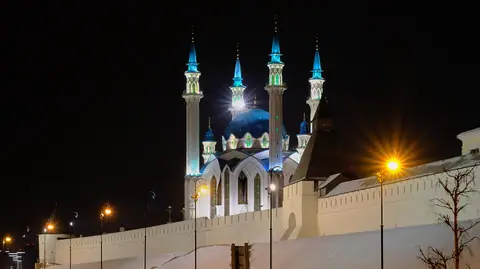
When to Visit Kazan: Seasonal Climate, Sabantuy and Travel Cycles
Kazan, Russia
