Photo: Mike1979 Russia · CC BY-SA 4.0
Kazan Planning Guide: Layout, Districts and Local Transit
Understanding the layout of Kazan helps travellers navigate riverbanks, historic quarters, and rapid underground transit connections efficiently across central Tatarstan.
Navigating the River Confluence and Central Grid
Kazan sits prominently at the wide confluence of the Volga and Kazanka rivers, establishing a natural geographic division across the regional capital. The historic core occupies the elevated southern bank of the Kazanka, where ancient ridges supplied defensive vantages over the surrounding river plains. Moving south from the waterfront, the urban plan transitions into a grand radial grid developed through successive imperial rebuilding programmes. Wide thoroughfares extend outwards towards suburban railway corridors, while compact side streets retain intimate residential proportions.
Orienting yourself across downtown Kazan proves straightforward once you identify the primary north-to-south axis. The principal spine begins beside the fortified promontory and proceeds directly towards the placid shores of Lake Nizhny Kaban. Along this straight corridor, grand public squares connect administrative quarters with broad commercial avenues. Exploring Bauman Street and Saints Peter and Paul Cathedral reveals this main civic backbone, where commerce and urban heritage intersect.
District Character: Kremlin Promontory to the Old Tatar Quarter
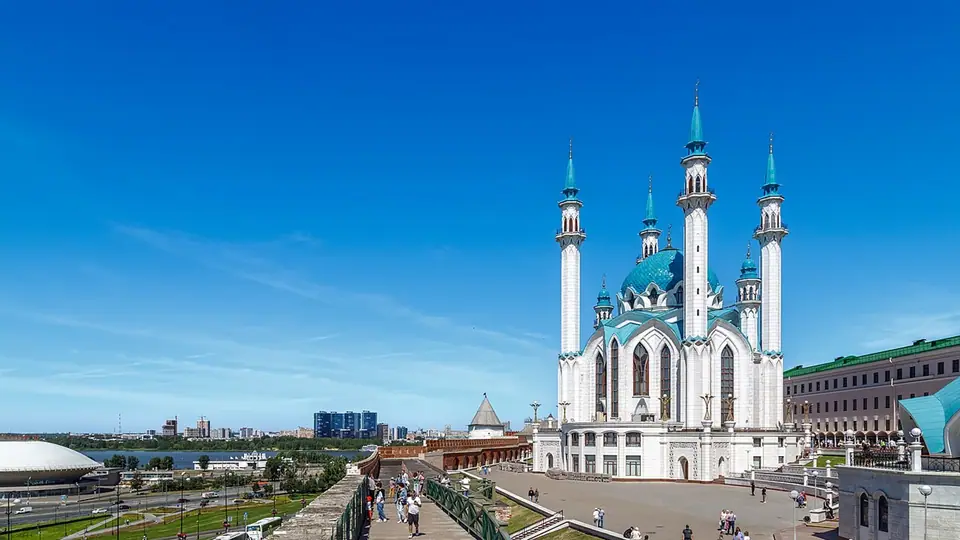
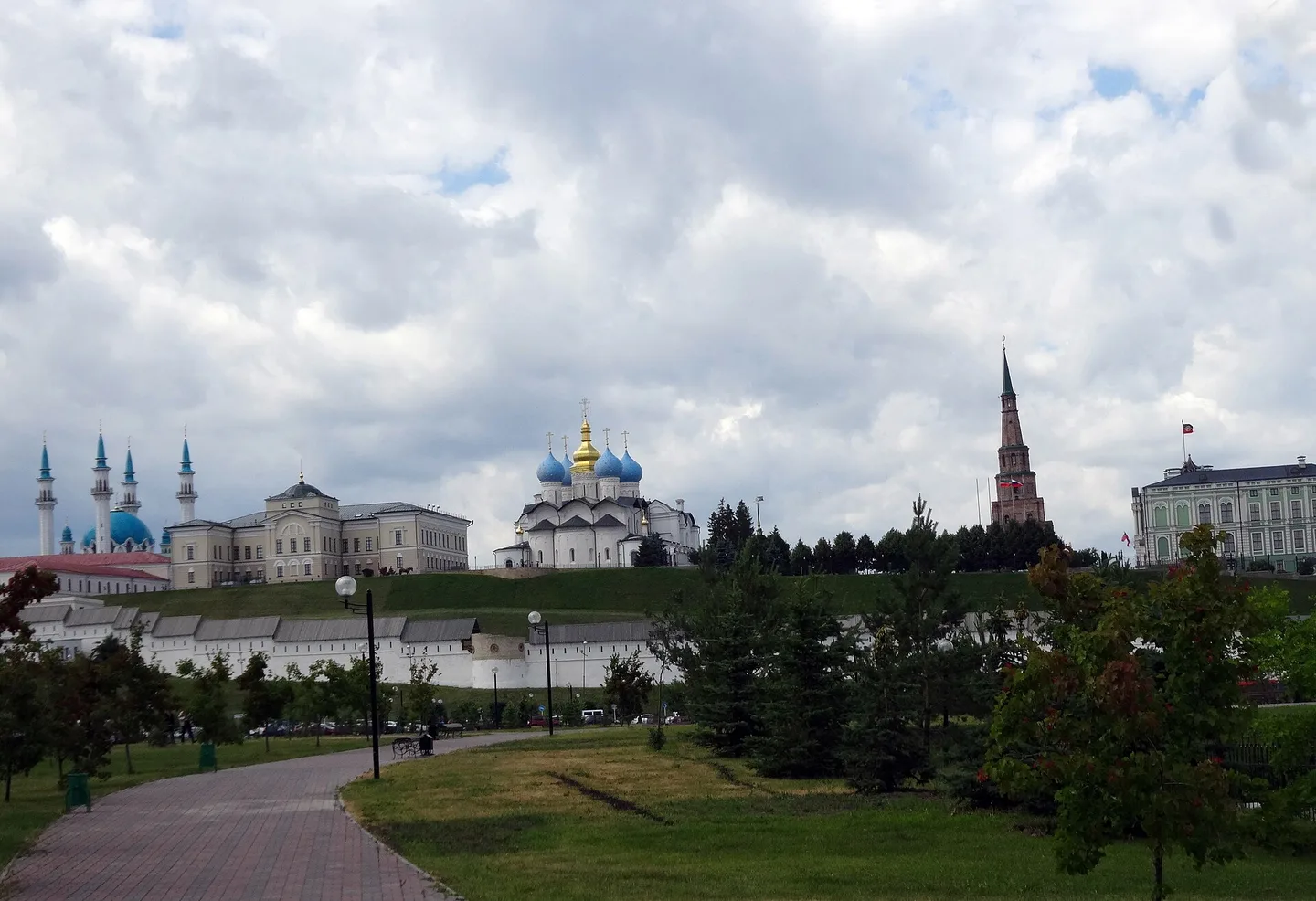
The urban character shifts noticeably as you move between distinct historical quarters of the inner city. Northern slopes belong entirely to official stone heritage, crowned by the high ramparts and white-washed stone walls of the citadel. Here, stately towers and panoramic river terraces overlook modern sporting complexes built along the opposite bank. Entering the Kazan Kremlin and Soyembika Tower reveals centuries of architectural layering, set apart from standard commercial city blocks.
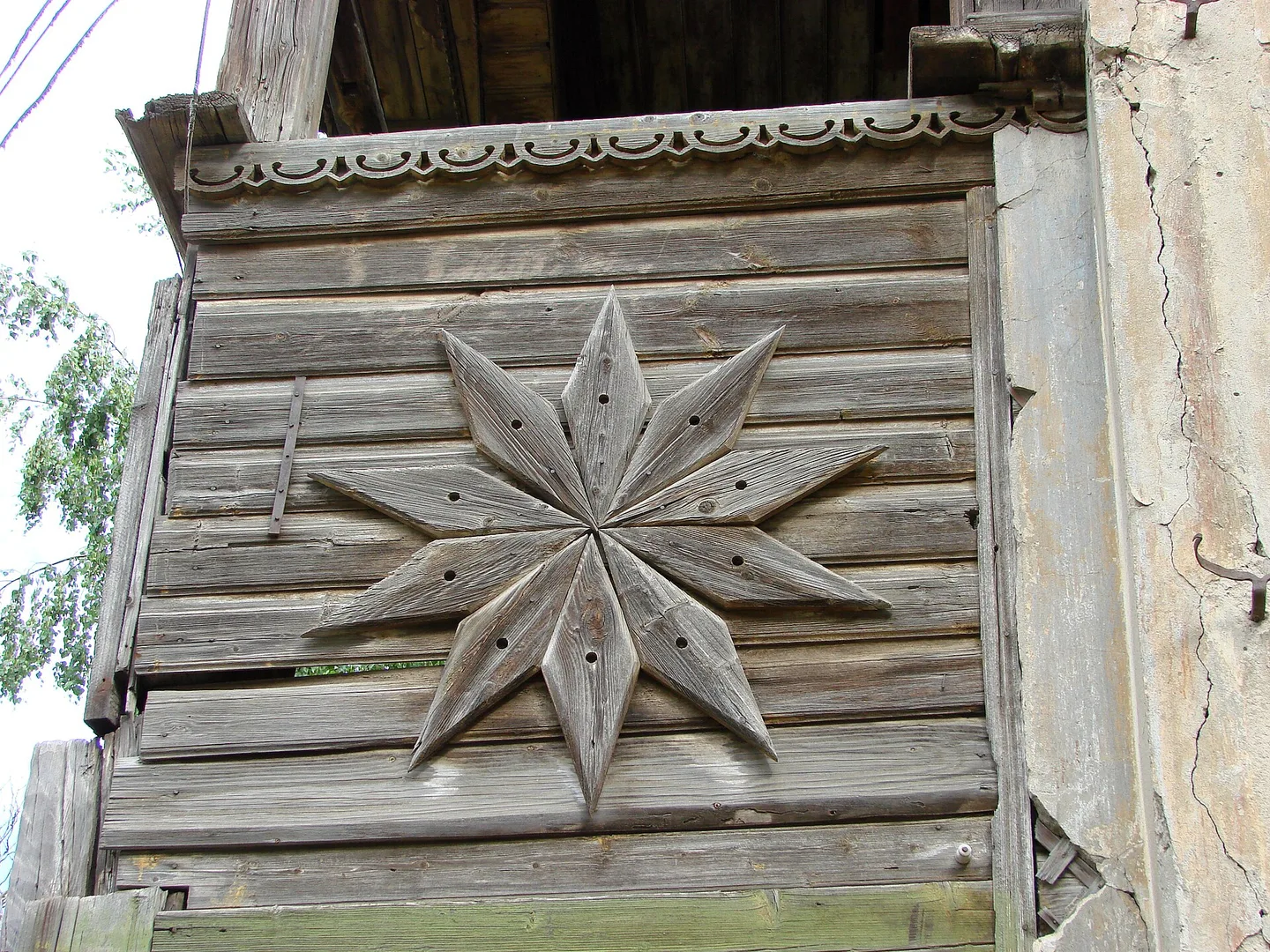
South of the central retail avenues, the Old Tatar Quarter presents a radically different urban fabric defined by traditional timber structures and neighbourhood mosques. Following the historic segregation of communities after regional conquests, this district developed its own resilient cultural and mercantile identity. Intricate carved gables, colourful window shutters, and peaceful courtyards line quiet cobblestone lanes away from heavy lorry traffic. Combining these areas reveals the rich dual heritage of the city, balancing vast state monuments with preserved community spaces.
| District | Primary Character | Key Urban Features |
|---|---|---|
| Kremlin Hill | Fortified civic centre | Stone ramparts, viewing terraces, administrative offices |
| Central Core | Commercial spine | Paved shopping avenues, grand theatre facades, metro links |
| Old Tatar Quarter | Historic vernacular | Carved timber houses, residential courtyards, traditional mosques |
| Kazanka Embankment | Recreational waterfront | Paved cycling paths, open river views, seasonal kiosks |
Underground and Surface Transit Logistics
Kazan benefits from an efficient transport network anchored by a modern single-line underground metro system. Stations run directly beneath the central north-to-south corridor, linking northern residential suburbs with central railway facilities and southeastern university precincts. Stations feature deep vaulted ceilings and clean platform halls decorated with regional stone, mosaic patterns, and bilingual signage. Stepping underground allows travellers to bypass surface congestion, especially during peak morning commuting rushes across key river bridges.
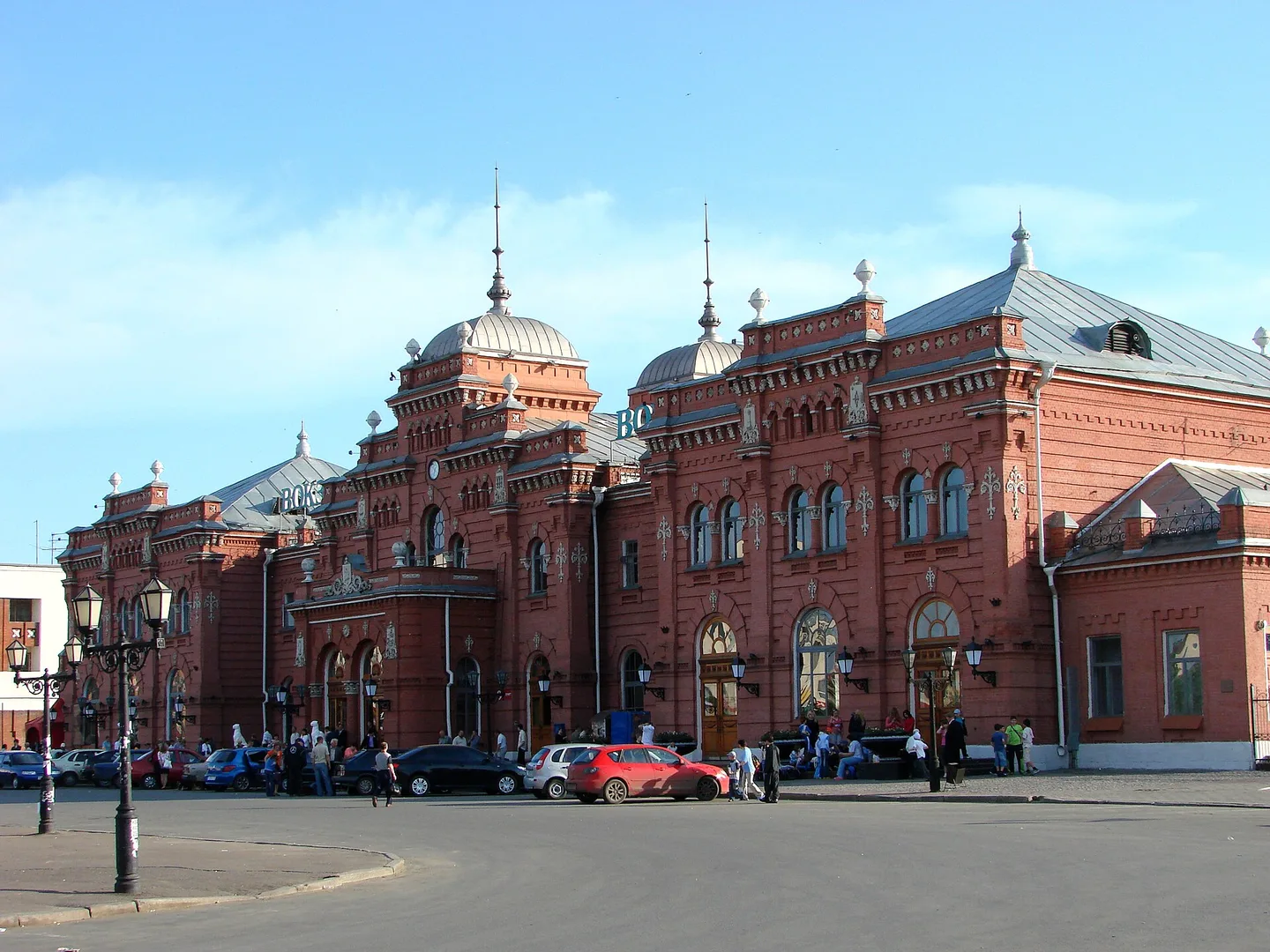
Surface options complement the underground railway through extensive networks of municipal buses, trolleybuses, and modern trams. Trolleybuses skirt historic squares without polluting local air, linking botanical gardens, suburban parks, and residential quays. Central transit hubs cluster tightly around the main railway terminal, where regional commuter trains arrive from distant provincial towns. Key transit connections across the network include:
- Kremlyovskaya station, offering direct walking access to southern castle gates.
- Ploshchad Tukaya interchange, connecting central bus lines with the retail corridor.
- Kazan Passazhirskaya railway forecourt, linking suburban trains to surface trolley lines.
Practical Walking Sequences and Seasonal Considerations
Planning daily walking sequences requires careful attention to natural elevation changes and dramatic seasonal weather shifts. The steepest incline ascends from the lower river banks up towards the citadel plateau, demanding sturdy footwear on slick cobblestones. Beginning your morning at higher elevations allows you to descend gradually through central gardens towards southern lake promenades. Stopping to view the Kul Sharif Mosque in early daylight offers clear paths before larger tour groups gather across the upper courtyard.
Winter brings sustained freezing conditions that transform surrounding river surfaces into solid ice fields, requiring sensible thermal layers and winter boots. Municipal clearing teams sweep central paved promenades diligently, yet sheltered side alleys often retain patches of hard-packed snow. Summer travellers enjoy prolonged daylight, open waterfront breezes, and active bicycle rental stands along the embankment. Balancing indoor museum visits with outdoor riverside walks gives a well-paced experience of the regional capital.
Official prices and opening hours
- Kazan Kremlin Grounds & Kul Sharif MosqueOfficial site ↗
Where it is
- 1Kazan
- Kazan International Airport (KZN) · about 24 km from Kazan in a straight line
- Directions in Google Maps
Stations and taxi ranks: OpenStreetMap. Airports: OurAirports. Distances are in a straight line.
Traveller tips
Real advice from people who have been to Kazan. Every tip is read by our team before it goes live.
No tips yet. Been here? Yours could be the first.
Thank you! Your tip will appear here after a quick review.
More in Kazan
Continue exploring Kazan with related neighbourhood, food, and planning guides
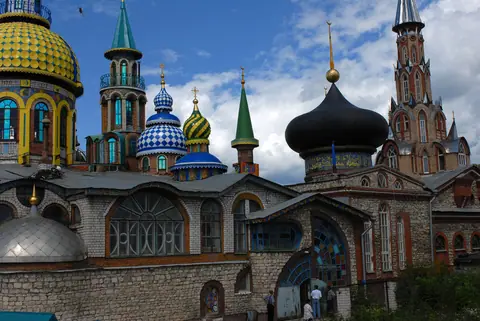
Temple of All Religions and Kazan Cultural Landmarks
Kazan, Russia
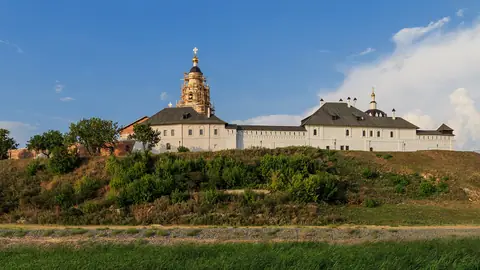
Day Trips from Kazan: Sviyazhsk Island, Ancient Bolgar and Raifa Forest Sanctuary
Kazan, Russia

What to Eat in Kazan: Traditional Tatar Bakeries and Tea Culture
Kazan, Russia
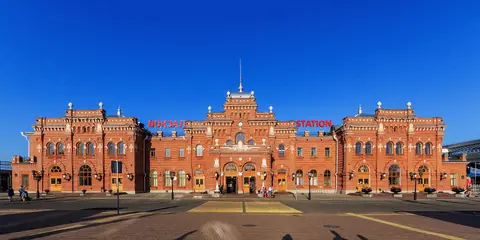
Getting to Kazan and Navigating the City by Rail, Metro and Water
Kazan, Russia
