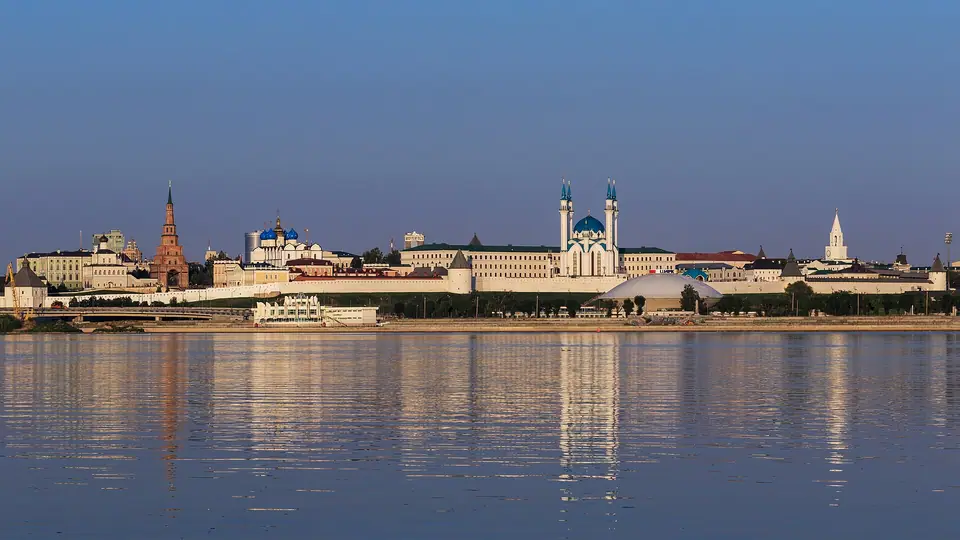
Photo: A.Savin · CC BY-SA 4.0
Kazan
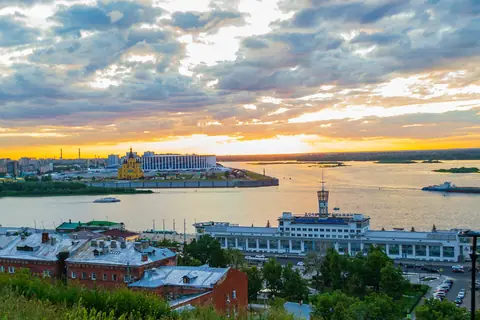
Kazan unites Russian and Tatar traditions along the Volga and Kazanka rivers, pairing white stone fortress walls with ornate minarets and lakefront promenades.
Quick decisions
How many days?
Plan three full days to take in the fortified citadel, lakefront promenades, wooden heritage quarters, and peaceful island day excursions.
Where should I stay?
Base yourself near Bauman Street for effortless dining access, or select Lake Kaban for quiet mornings and scenic waterside paths.
Do I need a car?
You do not need a private car, as the central underground line, surface trams, and suburban commuter trains serve every key district.
Best for
Travellers fascinated by layered cultures, dual linguistic heritage, striking river vistas, and distinct regional pastry baking traditions will appreciate this destination.
Before you go
Carry local currency in cash, as foreign bank cards do not function in domestic ticket machines, shops, or local restaurants.
Getting around
Single-journey metro tokens and cash fare tickets purchased directly on board municipal tram lines keep inner-city transit straightforward.
Continue your trip
Connect smoothly towards western rail corridors by boarding comfortable overnight sleeper trains direct to the capital or regional transit hubs.
Overview
Kazan sits at the meeting point of the Volga and Kazanka rivers, serving as the cultural heart of Tatarstan. The cityscape presents a rare dialogue between Russian Orthodox traditions and Tatar Muslim heritage, reflected in neighbouring spires and turquoise domes. Broad waterfront promenades flank the water, creating generous open spaces that balance the dense historical street pattern of the core district.
Walking through the centre reveals distinct quarters that developed across varied centuries of political and social change. Pedestrian corridors connect academic institutes with historic market squares, while the surrounding residential areas feature calm parks and ornate wooden facades. Winter brings thick ice to the rivers, transforming the urban horizon into a crisp northern landscape before warm, green summers arrive.
The local continental climate displays notable seasonal shifts throughout the calendar. July brings daytime highs averaging 25.8°C alongside overnight lows of 15.8°C and roughly 62 mm of rain. Conversely, January features freezing conditions where daytime temperatures average -7.1°C and night lows reach -12.8°C across 29 wet days. Spring arrives rapidly during May as afternoon temperatures rise to 19.7°C, making the early summer window pleasant for extended walking tours.
Getting there
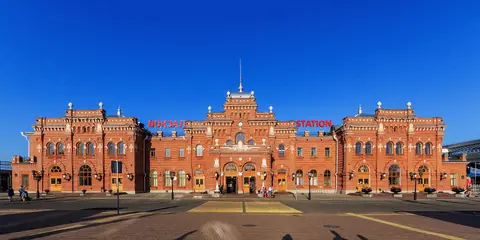
Kazan International Airport connects the region with domestic hubs via regular suburban trains and municipal buses into the central station. Long-distance sleeper trains link the downtown rail terminal with western cities, offering a dependable overland route. Pair arrival transport choices with broader neighbourhood layout notes in the Kazan orientation guide before booking connections.
Inner-city travel relies on a single clean underground line, extensive tram rails, and frequent trolleybuses. Foreign bank cards are not accepted across public transit turnstiles, so acquire plastic metro tokens or pay bus conductors with small banknotes. Travellers continuing onwards can connect with long-distance rail services running towards Moscow from the primary downtown railway platforms.
Where to stay
Selecting the right neighbourhood depends on your preferred walking pace and proximity to the main water basin. The central ridge around the pedestrian spine offers immediate access to cafes, bookshops, and evening walks. Quiet side streets located just off the primary avenues hold restful boutique properties within easy reach of transport stops.
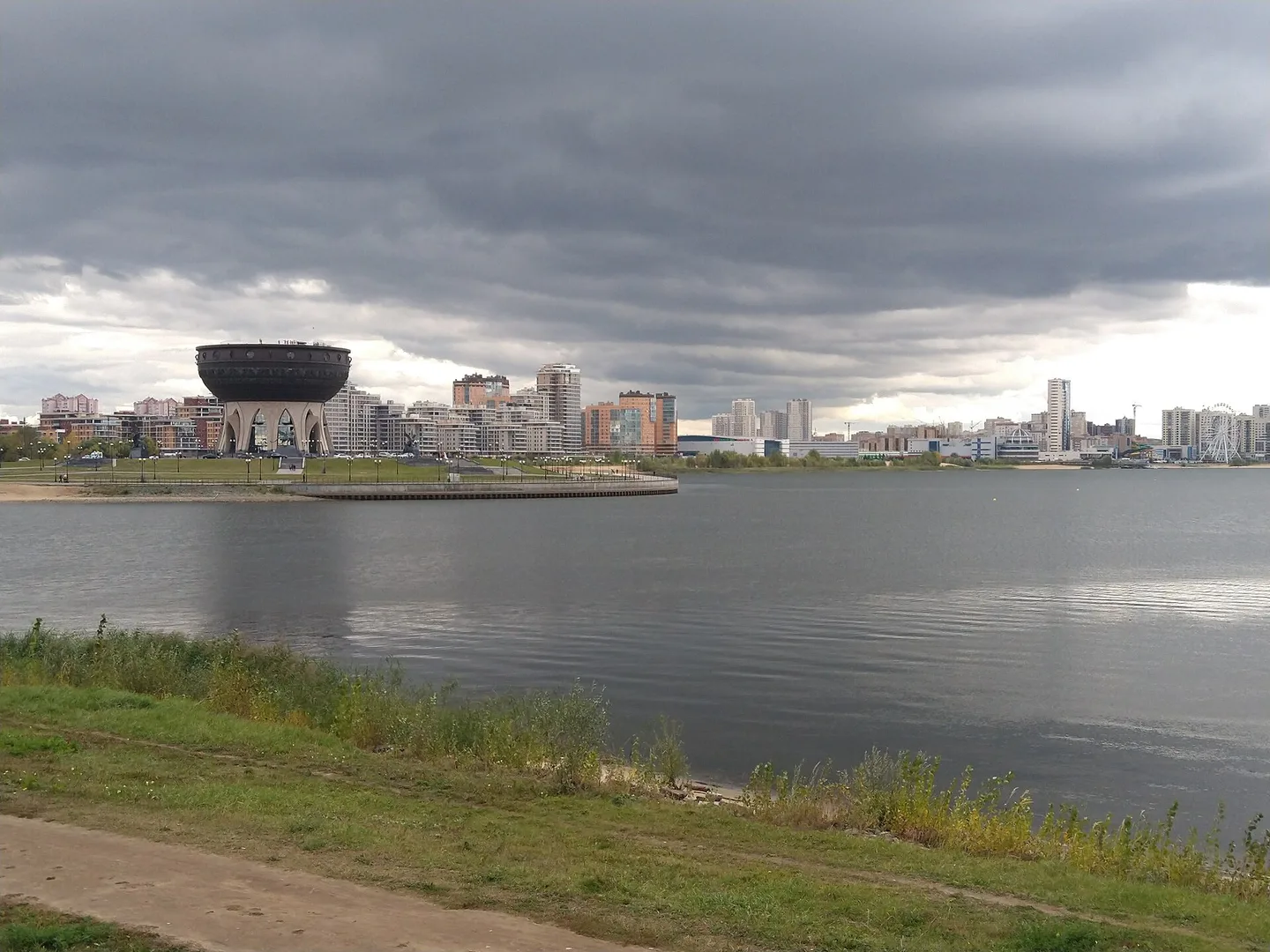
For a calmer atmosphere, consider properties situated along the eastern bank of Lake Kaban or near the university grounds. These quarters feature lower vehicle noise, leafy side streets, and easy pedestrian access to historic wooden estates. Gentle lakefront breezes make these southern districts especially pleasant during warm summer evenings.
Budget guesthouses and comfortable mid-range hotels cluster along the secondary roads radiating from the central railway hub. Staying near these stations simplifies early morning departures on regional rail links or suburban commuter lines. Meanwhile, luxury accommodations occupy restored classical mansions overlooking the riverbanks, offering expansive views across the broad Kazanka estuary.
Things to do
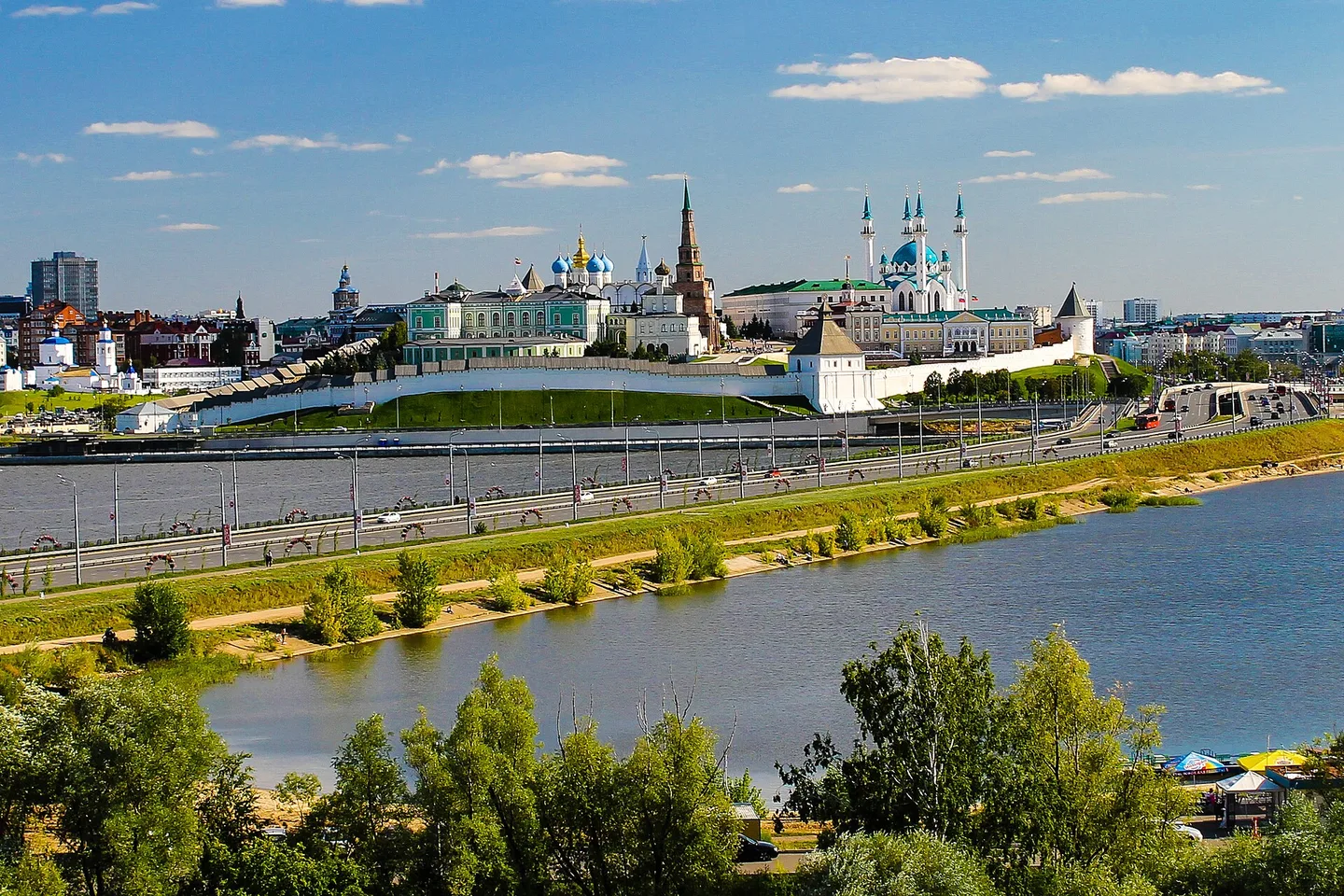
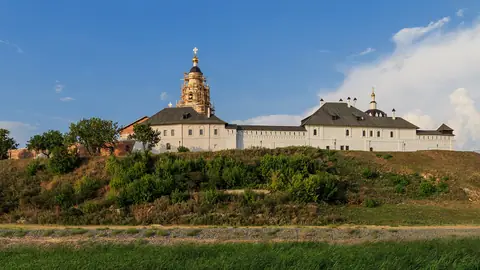
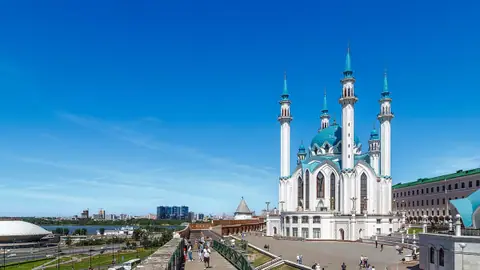
Begin your sightseeing inside the white limestone walls of the hilltop fortress, where government offices stand beside sacred halls. The leaning tiered tower and multi-domed cathedral represent centuries of layered regional statecraft. Organise your morning route around Kazan's central historic landmarks before heading down towards the lakes.
Cross south towards the historic quarter to observe pastel merchant residences, restored courtyard gardens, and the stone minaret of the oldest local congregation. Broad stone embankments invite gentle afternoon walks along the riverbank towards ornamental modern monuments. Step inside authentic wooden courtyards by exploring the Old Tatar Quarter and Marjani Mosque.
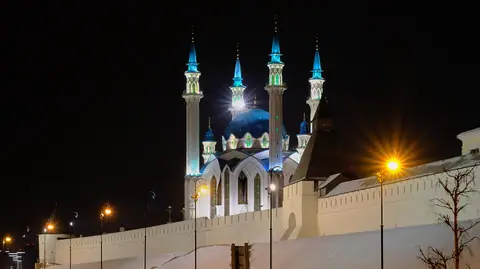
Across the river, the modern northern embankment opens panoramic viewpoints looking back at the fortified citadel. Family parks, open lawns, and riverside walking paths stretch along the northern water boundary. These open waterfront spaces give clear perspectives of the white fortress walls illuminated against the evening sky.
Food and drink
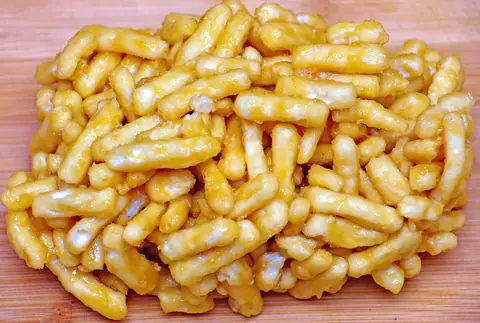
Regional cuisine centres on hearty baked pastries, tender stewed meats, and rich broths tailored to crisp continental weather. Triangular pies filled with minced beef, onions, and diced potatoes appear fresh from local bakeries every morning. Fried dough spirals drizzled with fragrant regional honey remain the classic sweet accompaniment for strong black tea served from large samovars.
Lively market stalls and family-run dining rooms serve savoury horsemeat delicacies, layered noodles, and steaming bowls of broth alongside flatbreads. Tea drinking functions as a central social ritual throughout the day, enjoyed in quiet teahouses near the lake. Casual pastry shops line the pedestrian thoroughfares, allowing visitors to sample savoury stuffed pastries while exploring the historical core.
Dining options near the university quarter cater to students with affordable dumpling plates and rich vegetable soups. Traditional restaurants in the Tatar quarter feature formal dining spaces decorated with regional embroidery, carved timber screens, and low divans. These venues offer an authentic introduction to regional hospitality, serving ceremonial rice dishes alongside slow-cooked beef stews.
Culture
The social rhythm of the city thrives on mutual respect across faiths, visible in the shared celebrations and public holidays observed year-round. When entering active places of worship, visitors should dress modestly with covered shoulders and knees. Head coverings are customary for women entering both Orthodox shrines and Muslim prayer halls.
Bilingual street signs in Tatar and Russian demonstrate the enduring dual identity that shapes local literature, theatre, and daily conversation. Winter months call for insulated footwear to navigate compacted snow on hillside pavements, while summer permits pleasant outdoor dining along leafy promenades. Visitors keen to explore further regional heritage can plan side trips toward the ancient Volga riverside settlements.
Respectful etiquette extends into residential neighbourhoods, historic courtyards, and communal wooden properties. Photography is generally permitted inside secular museum buildings, though visitors must ask permission before photographing worshippers during active religious services. Taking time to greet shopkeepers and museum attendants in either Russian or Tatar fosters warm interactions throughout your stay.
Official prices and opening hours
- Kazan Kremlin Grounds & Kul Sharif MosqueOfficial site ↗
Weather by month
Kazan is warmest in July, with average highs around 26°C, and coldest in January, when nights drop to about -13°C. July is the wettest month by rainfall (62 mm), with rain on about 16 days. For mild weather with fewer rainy days, aim for May, June and August.
| Month | Low | Range | High | Rain | Rainy days |
|---|---|---|---|---|---|
| Jan | -13°C | -7°C | 46 mm | 29 d | |
| Feb | -13°C | -6°C | 37 mm | 24 d | |
| Mar | -6°C | 0°C | 38 mm | 20 d | |
| Apr | 2°C | 11°C | 34 mm | 17 d | |
| May | 9°C | 20°C | 38 mm | 16 d | |
| Jun | 14°C | 24°C | 57 mm | 18 d | |
| Jul | 16°C | 26°C | 62 mm | 16 d | |
| Aug | 14°C | 24°C | 55 mm | 16 d | |
| Sep | 9°C | 17°C | 50 mm | 19 d | |
| Oct | 3°C | 9°C | 54 mm | 24 d | |
| Nov | -4°C | 0°C | 45 mm | 30 d | |
| Dec | -10°C | -5°C | 50 mm | 29 d |
Averages of daily values from 2015 to 2024. Rainy days are days with at least 1 mm of rain. Source: Open-Meteo · Compare destinations by month.
Kazan on the map
Every place we cover in Kazan. Tap a category or pin to explore.
In-depth Kazan guides
Browse the guides grouped by topic: sights, neighbourhoods, food, transport, day trips and trip planning.
Sights, Landmarks & Parks
Key monuments, viewpoints, museums and nature trails.
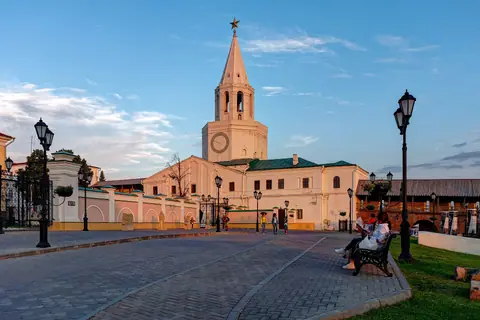 Things to Do in Kazan: Cultural Sights and Historic QuartersDiscover medieval limestone fortresses, blue mosque domes, wooden residential lanes, and sweeping river embankments across central Kazan.
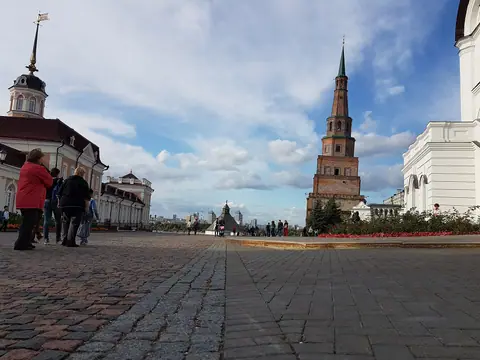 Kazan Kremlin and Söyembikä Tower: Heritage, Architecture and Citadel WalksRising over the river confluence, the Kazan Kremlin shelters the tiered red-brick Söyembikä Tower, ancient stone battlements, and serene cultural grounds.
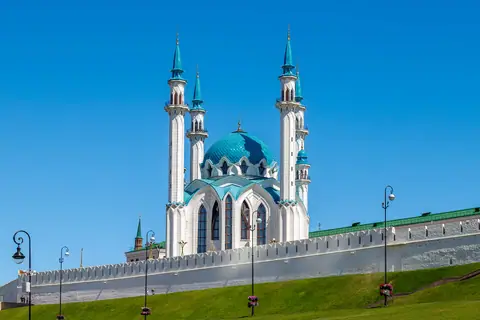 Kul Sharif Mosque: Architecture and Visitor Guide in the Kazan KremlinRising over the white ramparts of the fortress, this turquoise-domed sanctuary serves as a major focal point of Tatar heritage.
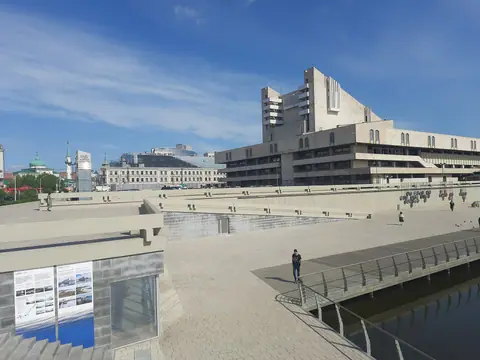 Lake Kaban, Kamal Tatar Theatre, and Ekiyat Puppet Theatre GuideWe explore the quiet shores of Lake Kaban, tracing modernist theatre architecture, waterside boardwalks, and colourful fairytale towers across historic Kazan neighbourhoods.
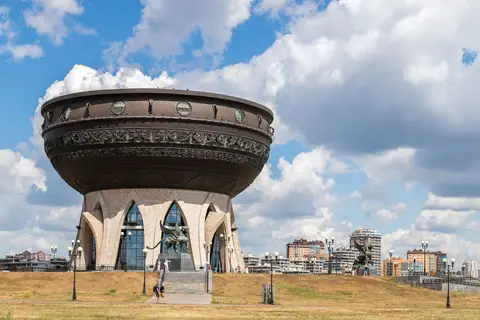
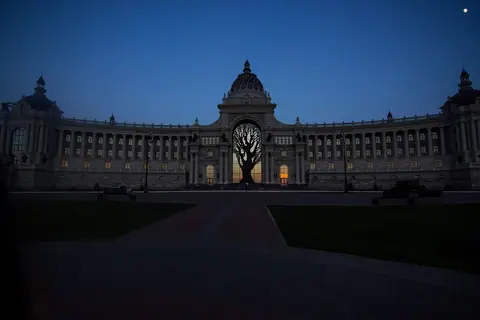 Palace of Farmers, Kazanka Embankment and Kazan Family CenterNorthern riverfront walks stretch from the Palace of Farmers along the Kazanka Embankment toward the Kazan Family Center.
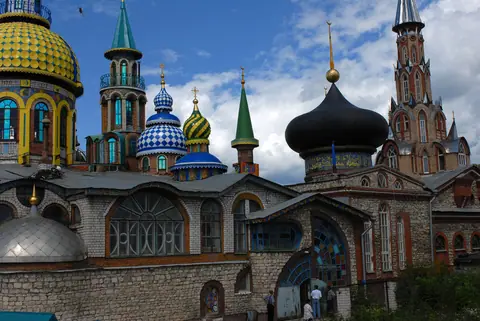 Temple of All Religions and Kazan Cultural LandmarksArchitectural marvels define the Temple of All Religions and Kazan Federal University, tracing artistic vision and academic heritage across the Tatar capital.
Neighbourhoods & Where to Stay
Districts, historic quarters and the best bases for your stay.
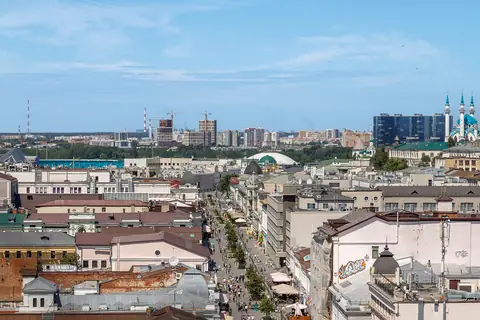 Bauman Street, Epiphany Bell Tower and Saints Peter and Paul CathedralPedestrian Bauman Street connects central metro stations to ornate Orthodox belfries and historic trading houses in central Kazan.
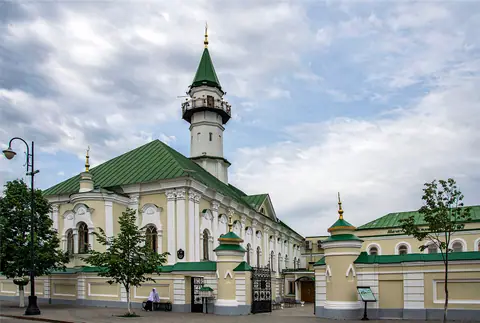 Old Tatar Quarter and Märcani Mosque Walking GuideWe explore the preserved timber mansions and stone minarets of the historic Tatar quarter along the quiet shores of Lake Kaban.
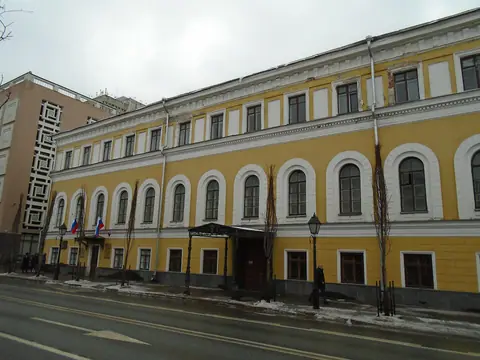 Where to Stay in Kazan: Best Districts, Historic Streets and River ViewsCentral districts, quiet riverbanks, and historic quarters help travellers choose the ideal neighbourhood base in Kazan.
Food & Drink
Local dishes, markets, cafés and dining districts.
Getting Around & Arrival
Airport transfers, public transit, passes and driving rules.
Day Trips & Excursions
Easy half-day and full-day trips from the city.
Trip Planning & Itineraries
When to visit, what to pack and day-by-day routes.
 Kazan Planning Guide: Layout, Districts and Local TransitUnderstanding the layout of Kazan helps travellers navigate riverbanks, historic quarters, and rapid underground transit connections efficiently across central Tatarstan.
 When to Visit Kazan: Seasonal Climate, Sabantuy and Travel CyclesPlanning your journey around seasonal weather reveals distinct city atmospheres, from summer Tatar festivals along the Volga to frosty winter ramparts.
 Kazan in Three Days: Kremlin Heritage, Tatar Quarters, and Volga PromenadesThis three-day route balances ancient stone fortresses, quiet wooden alleys, and sweeping riverfront promenades across the historic centre of Kazan.
Need your embassy or consulate in Russia? See embassies and consulates in Russia.
Reviews
Log in to write a review.
No reviews yet.