Photo: Юрий Д.К · CC BY-SA 4.0
Moscow
Moscow combines grand Kremlin architecture, expansive riverfront parks, and deep transit stations across varied districts shaped by centuries of European history.
Quick decisions
How many days?
Four full days allow you to explore the central Kremlin ensemble, visit major art collections, and discover atmospheric residential streets at an unhurried pace.
Where should I stay?
Base yourself in Zamoskvorechye for quiet cobbled lanes south of the river, or select Kitay-Gorod for immediate walking access to Red Square.
Do I need a car?
Avoid driving entirely, because dense congestion, complex ring roads, and paid parking make private cars impractical compared to the efficient transit system.
Best for
Travellers fascinated by monumental architecture, deep classical theatre traditions, expansive urban gardens, and fine art collections will appreciate the capital.
Before you go
Obtain appropriate visa documentation in advance, carry physical cash for daily transactions, and install offline translation tools to navigate Cyrillic signage easily.
Getting around
Buy a rechargeable Troika transit card to access the extensive underground lines, modern overland rail loops, and zero-emission electric buses smoothly.
Continue your trip
Take an overnight sleeper train east to reach historic mosques and riverside fortresses, checking rail departures through regional journey planners beforehand.
Overview
Moscow spreads outward from the red-brick Kremlin towers along a series of concentric circular boulevards and wide arterial avenues. The city presents an impressive scale, where grand imperial facades sit beside massive mid-century structures and landscaped public spaces along the Moskva River. Walking through the historic core reveals intimate lanes tucked immediately behind imposing stone facades. These quiet passages offer peaceful leafy courtyards away from heavy roadway traffic.
Understanding this ring layout helps travellers navigate the vast territory efficiently on foot. The Boulevard Ring marks the historic medieval boundary, while the Garden Ring traces later defensive ramparts. Each concentric belt reveals a different architectural era, ranging from merchant mansions in quiet residential quarters to expansive exhibition parks in northern districts. Early mornings offer tranquil conditions around central landmarks before tour groups arrive.
Beyond the primary ring roads, modern rail circles and wide radial highways link growing residential quarters with the historic nucleus. Pedestrian zones connect major riverside esplanades with renovated commercial alleys, giving visitors a continuous walking corridor across the capital. Carefully planned civic squares serve as natural meeting points between shopping arcades and historic theatres. These varied urban layers illustrate the continuous architectural evolution of the metropolis across multiple centuries.
Getting there
Arriving travellers typically land at international terminals situated outside the ring roads, including Sheremetyevo, Domodedovo, or Vnukovo. Direct express rail services connect these arrival halls directly to central railway stations, bypassing dense motorway traffic during peak weekday commuting periods. Long-distance trains arrive at historic rail termini clustered around Komsomolskaya Square and other central transport nodes. Detailed ring-line orientation and transfer routes clarify arrival steps with minimal friction.
Inside the metropolis, the rapid transit system functions as the primary artery for daily transport. Stations feature ornate chandeliers, bronze sculptures, and polished stone pillars deep below street level. Contactless payment gates and clear bilingual route maps make switching between lines straightforward. Complementary surface transport includes electric buses and scheduled river commuter catamarans operating along the winding central waterways.
The extensive underground network connects directly with overland orbital rail loops, allowing commuters to bypass congested central transfer hubs. Ticket halls maintain automated multilingual machines alongside staffed service windows to assist passengers with travel passes. Suburban rail platforms extend deep into regional commuter towns, offering reliable connections for day excursions beyond the urban core. Navigation signs throughout all modern transit interchanges display standardized colour-coded route numbers.
Where to stay
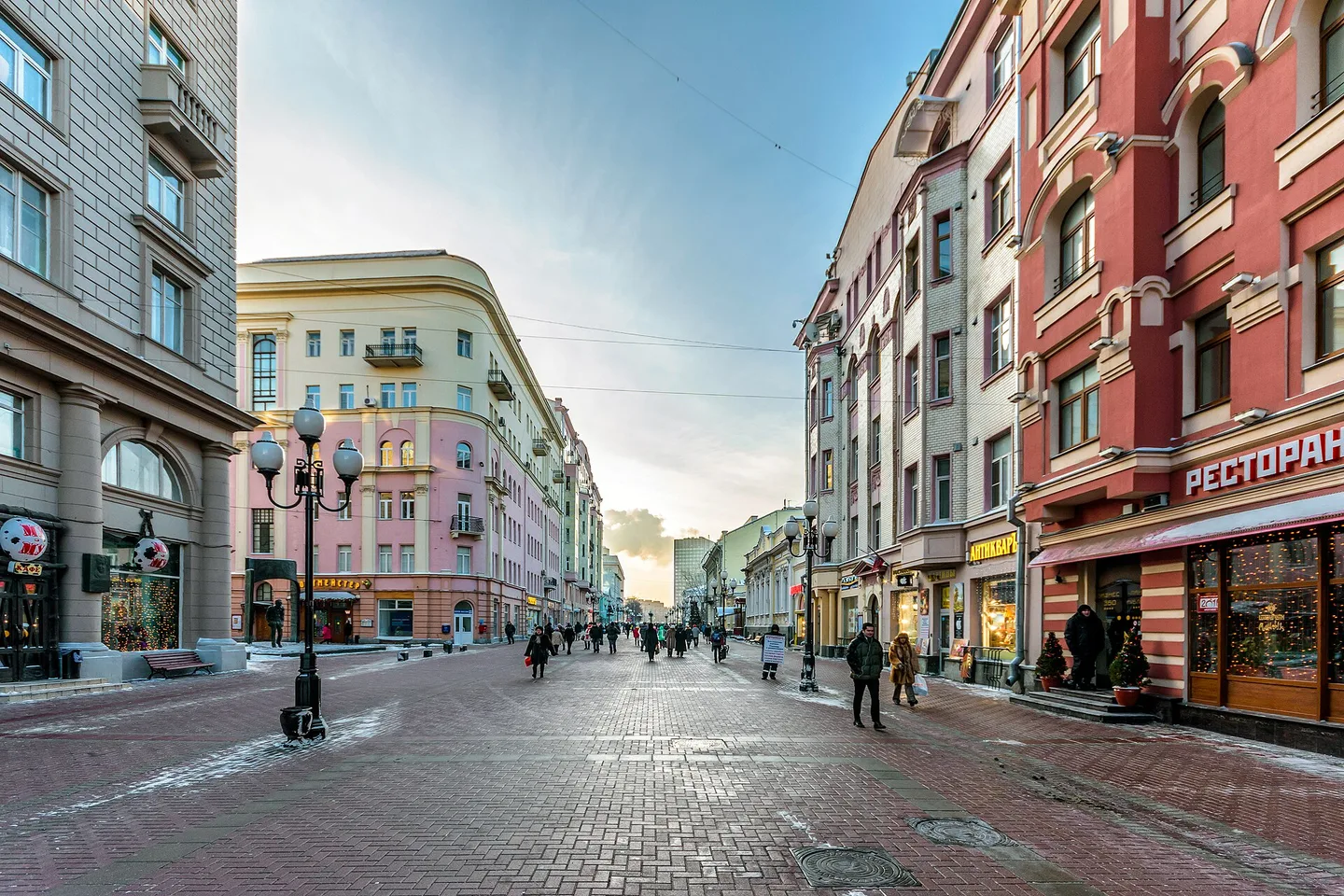
Choosing the right district shapes your daily rhythm, as distances between outer neighbourhoods can require extended journeys on public transport. Central Kitay-Gorod grants direct access to historic churches, independent cafés, and major cultural institutions, though evening noise can be noticeable on weekends. Travellers seeking historical character often settle south of the water in Zamoskvorechye, where leafy alleys and low-rise merchant houses create a calm atmosphere.
For upscale dining and refined residential streets, Patriarch Ponds offers an attractive setting arranged around a calm central pond. This district features compact boutique hotels, independent fashion shops, and lively evening bistros within easy reach of Tverskaya Street. Families often favour Khamovniki for its generous green spaces, riverside promenades, and quick transit connections. Quiet cobbled lanes and garden rings appear in the Arbat, Patriarch Ponds, and Zamoskvorechye district guide when choosing your hotel quarter.
Budget-conscious visitors often locate comfortable lodgings near the outer stations of the brown circle line, which still offer swift access to central attractions. Boutique properties in renovated brick warehouses offer characterful lodging options along former industrial canals. Staying near a major rail terminal simplifies early-morning airport transfers or late-night arrivals from regional routes. Many properties supply electric kettles and tea sets in guest rooms, matching local hospitality customs.
Things to do
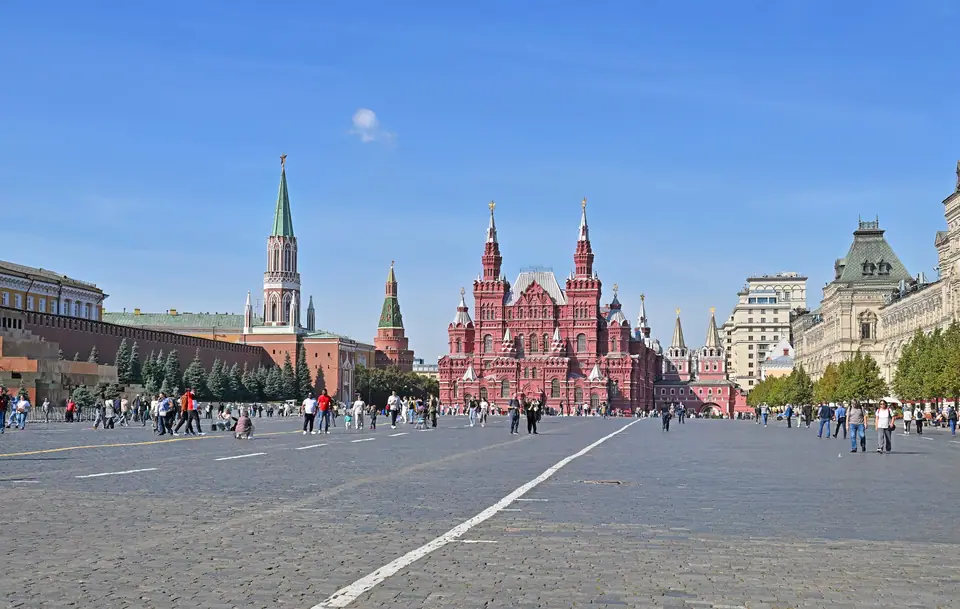
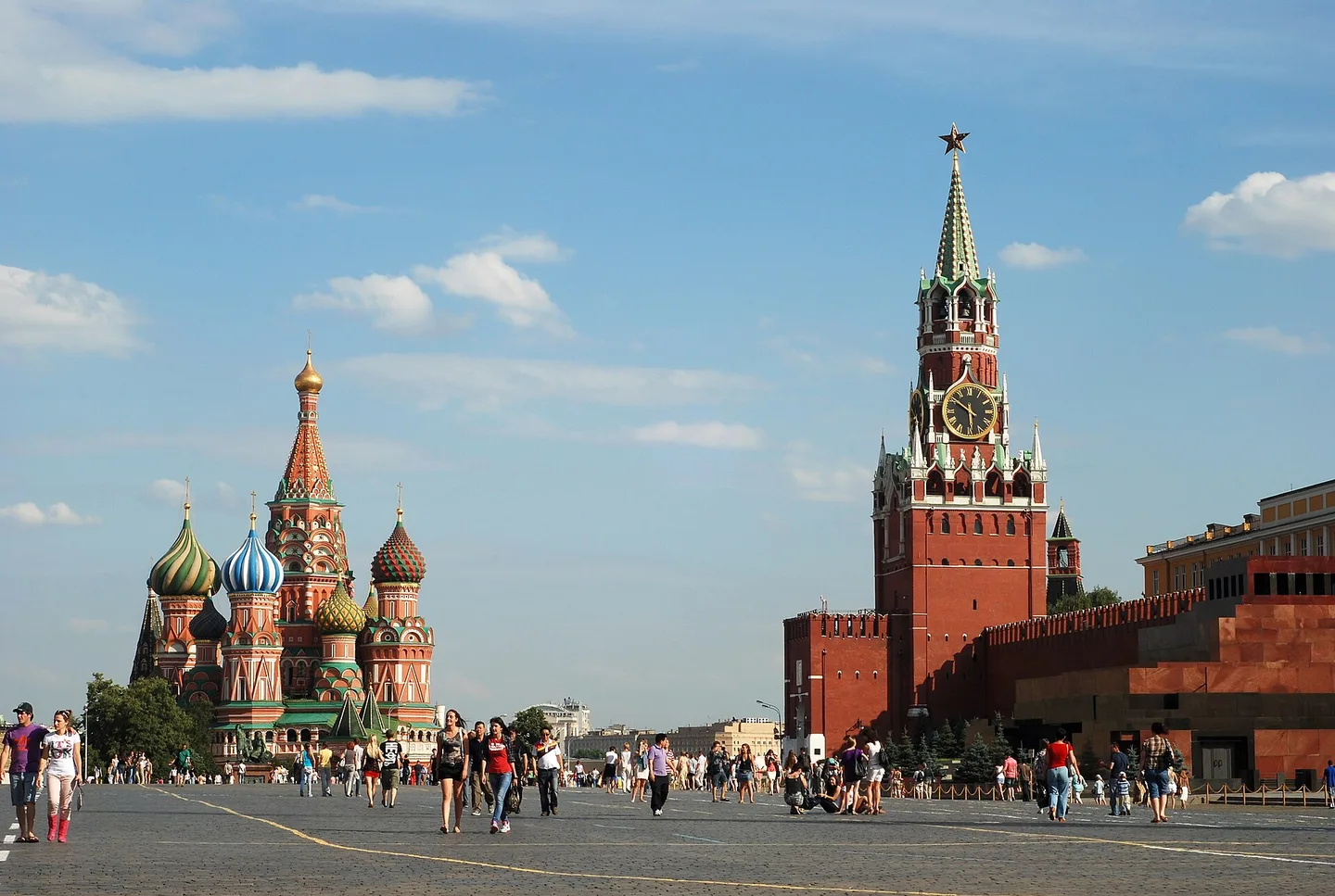
The monumental heart of the capital centres on Red Square, flanked by the patterned domes of Saint Basil's Cathedral and the eastern wall of the Kremlin fortress. Inside the high brick walls, ancient cathedrals display intricate religious frescoes alongside state treasures preserved in the Armoury Chamber. Take time to walk along the elevated river overlook in Zaryadye Park, which offers uninterrupted views across the water towards the central skyline.
Fine art lovers should divide their time between classic collections in Lavrushinsky Lane and contemporary exhibitions across modernised gallery complexes. For an active day outdoors, explore the manicured riverside avenues of Gorky Park or wander through the vast pavilions and fountains of the northern exhibition grounds. Link major historic squares directly via central boulevard walking routes and lakeside stages around the Bolshoi Theatre and Zaryadye Park terrace.
South of the river, quiet residential lanes lead to hidden courtyards filled with private art galleries and restored timber residences. Across the western river bend, extensive parklands offer scenic panoramas from elevated natural bluffs overlooking the central stadium complex and distant skyscraper clusters. Architecture fans frequently seek out preserved constructivist housing estates and municipal buildings dating from the early twentieth century. These diverse quarters demonstrate the profound visual contrasts defining the capital.
Food and drink
Moscow dining reflects centuries of diverse regional influences, serving hearty soups, baked pastries, and slow-cooked meats. Classic menus feature beetroot borsch served with sour cream, delicate meat dumplings known as pelmeni, and savoury pancakes filled with mushrooms or salted fish. Modern dining halls across Danilovsky Market and Usachevsky Market assemble regional cuisines from across Eurasia under restored industrial ceilings.
Local bakeries produce traditional rye bread, honey cakes, and sweet curd tarts that pair naturally with hot black tea served from polished metal samovars. Tipping around ten per cent in cash remains common practice in full-service restaurants. Many central cafés serve generous morning porridge and cottage cheese pancakes until early afternoon.
Casual canteen-style eateries near office districts offer self-service hot lunches at very economical rates, featuring steamed cutlets, mashed potatoes, and berry compote drinks. Coffee culture has grown rapidly across central quarters, where speciality roasters brew single-origin beans beside quiet pedestrian alleys. In warmer months, open-air summer terraces extend onto sidewalks along pedestrianised boulevards, creating pleasant spaces for lingering over evening meals.
Culture
Cultural life centres on performing arts, with classical ballet, opera, and dramatic theatre maintaining deep roots across society. Audiences dress smartly for evening performances, arriving early to check coats in marble cloakrooms. When stepping inside working Orthodox cathedrals, women typically cover their heads with a lightweight scarf, while men remove all headwear out of religious respect.
Climate varies dramatically throughout the seasonal cycle. Winter brings crisp sub-zero days with averages between -8.8°C and -3°C in February, demanding thick thermal layers, wool socks, and sturdy snow boots. Summer offers pleasant conditions, reaching comfortable daytime peaks around 24.7°C in July alongside occasional passing showers. Mild afternoon light makes walking across the Red Square paving and Saint Basil's approaches far easier between spring and autumn.
Spring brings rapid snowmelt and rising temperatures, transitioning from an average low of -4.2°C in March to daily highs of 19°C by May. Autumn begins with crisp sunny afternoons in September at average highs of 16.4°C before cooling swiftly to highs of 1.6°C and lows of -2.4°C in November. Museums and concert halls operate at full capacity throughout the colder months, offering rich indoor programmes when outdoor walking becomes chilly.
Official prices and opening hours
- Moscow Kremlin Territory & Armoury ChamberOfficial site ↗
- State Tretyakov Gallery (Lavrushinsky Lane)Official site ↗
Weather by month
Moscow is warmest in July, with average highs around 25°C, and coldest in February, when nights drop to about -9°C. July is the wettest month by rainfall (84 mm), with rain on about 15 days.
| Month | Low | Range | High | Rain | Rainy days |
|---|---|---|---|---|---|
| Jan | -9°C | -4°C | 53 mm | 8 d | |
| Feb | -9°C | -3°C | 44 mm | 6 d | |
| Mar | -4°C | 3°C | 39 mm | 9 d | |
| Apr | 2°C | 12°C | 37 mm | 15 d | |
| May | 8°C | 19°C | 61 mm | 16 d | |
| Jun | 12°C | 22°C | 78 mm | 16 d | |
| Jul | 15°C | 25°C | 84 mm | 15 d | |
| Aug | 13°C | 23°C | 78 mm | 16 d | |
| Sep | 8°C | 16°C | 66 mm | 16 d | |
| Oct | 3°C | 9°C | 70 mm | 17 d | |
| Nov | -2°C | 2°C | 52 mm | 13 d | |
| Dec | -6°C | -2°C | 51 mm | 8 d |
Averages of daily values from 2015 to 2024. Rainy days are days with at least 1 mm of rain. Source: Open-Meteo · Compare destinations by month.
Moscow on the map
Every place we cover in Moscow. Tap a category or pin to explore.
In-depth Moscow guides
Browse the guides grouped by topic: sights, neighbourhoods, food, transport, day trips and trip planning.
Sights, Landmarks & Parks
Key monuments, viewpoints, museums and nature trails.
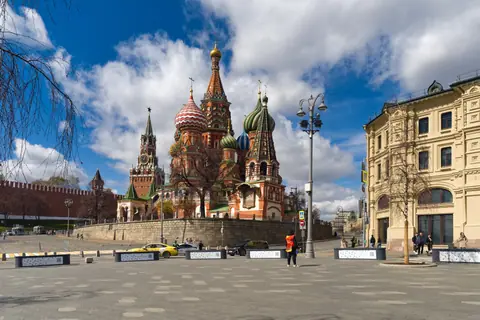 Moscow Sights, Art Galleries and Grand Urban BoulevardsGrand central squares, national galleries, historic avenues, and leafy riverside paths connect neighbourhoods throughout Moscow.
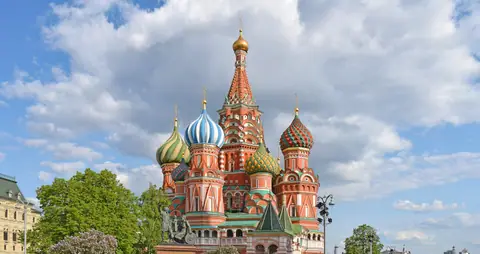 Visiting Red Square, Saint Basil's Cathedral, GUM and the State Historical MuseumRed Square connects Russia's most recognisable monuments, uniting grand brick facades, patterned cupolas, and historic shopping arcades across a single pedestrian expanse.
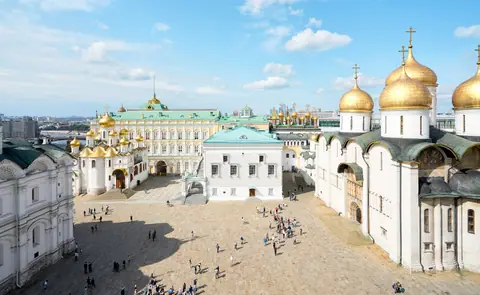 Moscow Kremlin, Cathedral Square and Armoury GuideAncient fortifications, cathedral domes, imperial treasuries, and historic pathways await across the heart of the capital.
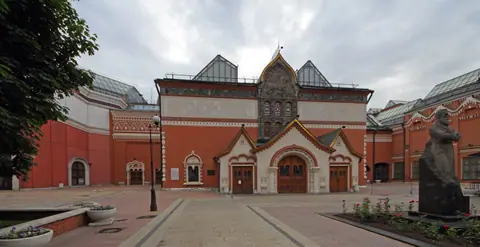 Tretyakov Gallery, Pushkin Museum, and Christ the Saviour CathedralFine art collections and golden-domed riverbank landmarks fill the historic Zamoskvorechye and Khamovniki districts.
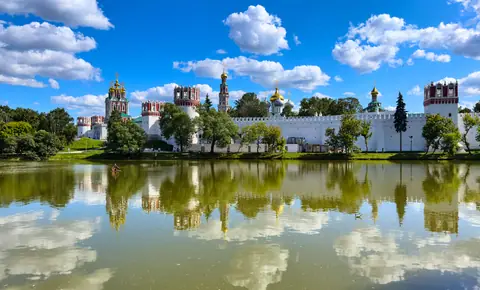 Gorky Park, Sparrow Hills and Novodevichy Convent GuideWe follow the scenic Moskva River bends connecting Gorky Park, Sparrow Hills panoramas, and the walled enclosures of Novodevichy Convent.
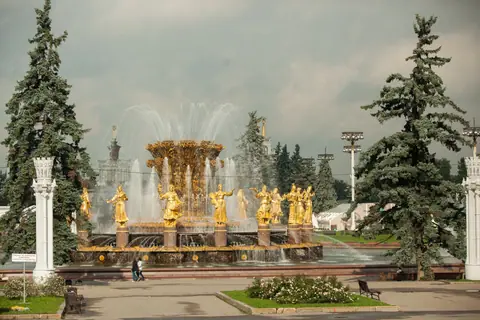 VDNKh, Cosmonautics Museum, Kolomenskoye and Tsaritsyno GuideGrand Soviet exhibition grounds and imperial estate reserves showcase Moscow expansive architectural history beyond the historic riverfront district.
Neighbourhoods & Where to Stay
Districts, historic quarters and the best bases for your stay.
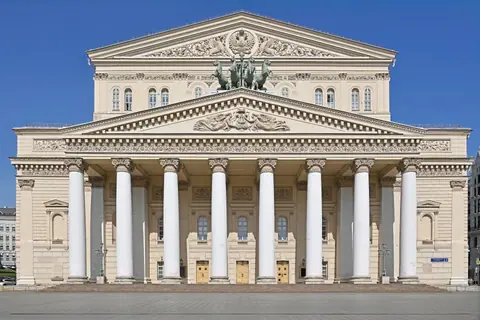 Exploring the Bolshoi Theatre, Tverskaya, Kitay-gorod, and Zaryadye ParkWe trace central Moscow through Theatre Square, the neoclassical Bolshoi facade, noble Tverskaya, medieval Kitay-gorod, and the river terraces of Zaryadye Park.
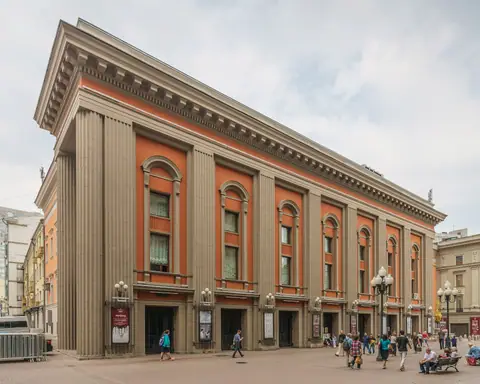 Moscow Neighbourhoods: Arbat, Patriarch's Ponds and ZamoskvorechyeThree historic Moscow quarters offer contrasting streetscapes, from pedestrian lanes and leafy literary ponds to merchant mansions south across the river.
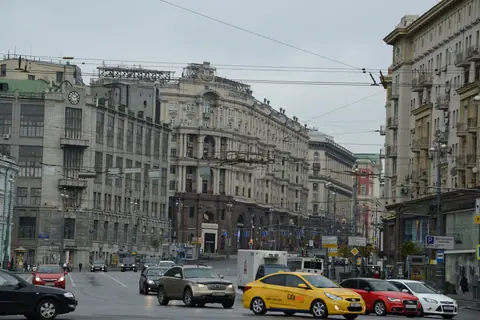 Where to Stay in Moscow: Best Districts for City Walks and Metro AccessChoosing the best neighbourhood in Moscow lets you explore historic landmarks, tree-lined side streets, and swift underground routes with ease.
Food & Drink
Local dishes, markets, cafés and dining districts.
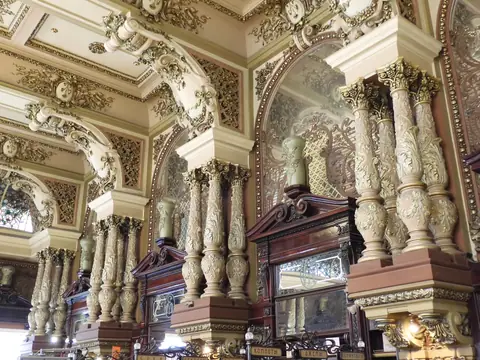
Getting Around & Arrival
Airport transfers, public transit, passes and driving rules.
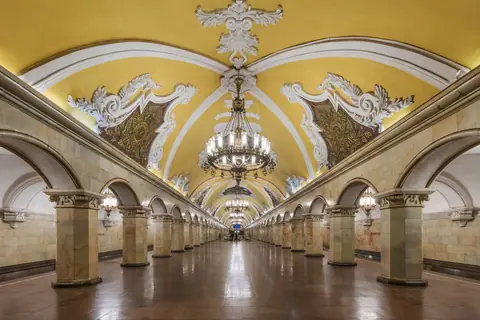 Moscow Metro Architecture Circuit and City Transit RouteSubterranean marble concourses, historic ring lines, and local transit networks span the Russian capital using simple smartcards.
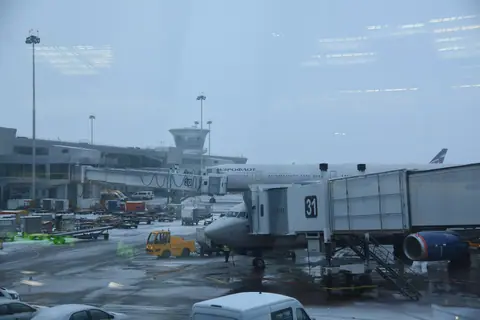 Arriving in Moscow: Airports, Express Rail Links and Main TerminalsNavigating passenger airports, express rail links and mainline railway stations offers straightforward transit into central Moscow neighbourhoods.
Trip Planning & Itineraries
When to visit, what to pack and day-by-day routes.
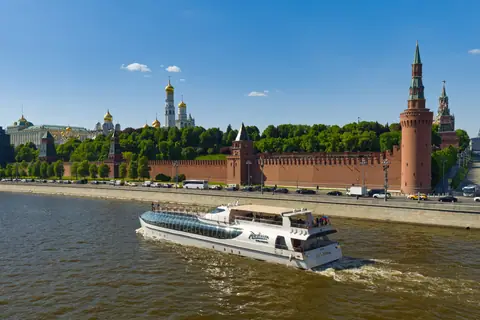 Moscow District and Transit Guide: Concentric Rings and River QuartersConcentric rings, historic river quarters, and underground metro lines help visitors plan smooth urban walks across the Russian capital.
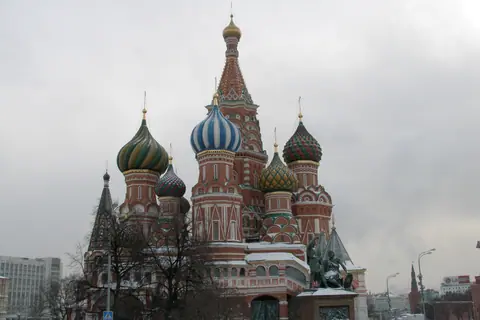 Seasonal Weather and Daylight Patterns Across MoscowMoscow experiences profound seasonal transformations, shifting from snowbound winter daylight into long, radiant summer afternoons across its vast river boulevards and urban parks.
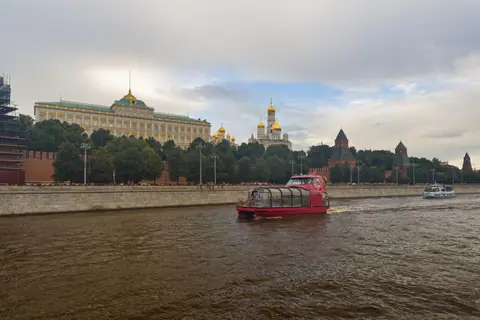 Three Days in Moscow: Kremlin, Art Galleries and MetroOur three-day route links imperial fortress grounds, Russian fine art collections, historic metro platforms, and riverside promenades across central Moscow.
Need your embassy or consulate in Russia? See embassies and consulates in Russia.
Reviews
Log in to write a review.
No reviews yet.