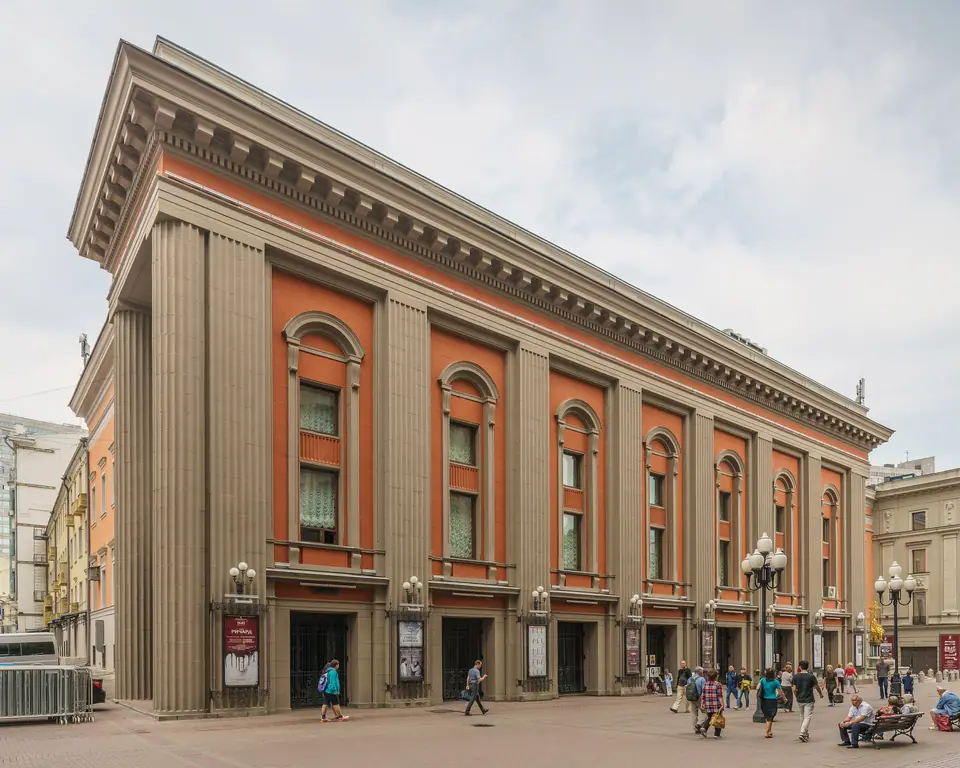
Photo: A.Savin · CC BY-SA 4.0
Moscow Neighbourhoods: Arbat, Patriarch's Ponds and Zamoskvorechye
Three historic Moscow quarters offer contrasting streetscapes, from pedestrian lanes and leafy literary ponds to merchant mansions south across the river.
Moscow reveals its varied architectural character through its distinct inner neighbourhoods. Stepping away from the monumental boulevards allows us to explore intimate pedestrian pathways, leafy public gardens, and historic merchant lanes. These quarters preserve centuries of artistic tradition, commercial enterprise, and literary history across compact footprints.
Walking the Old Arbat Pedestrian Promenade
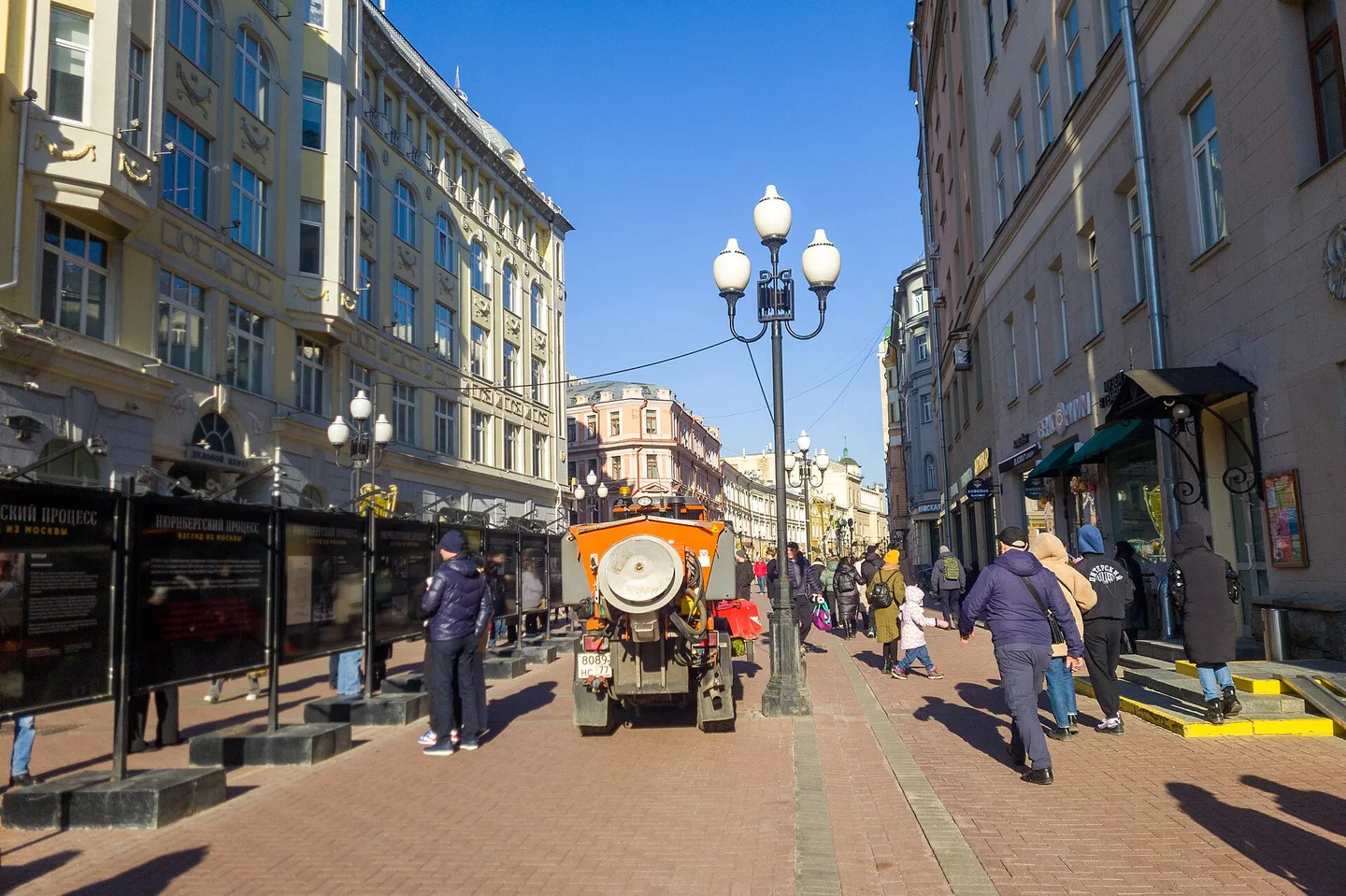
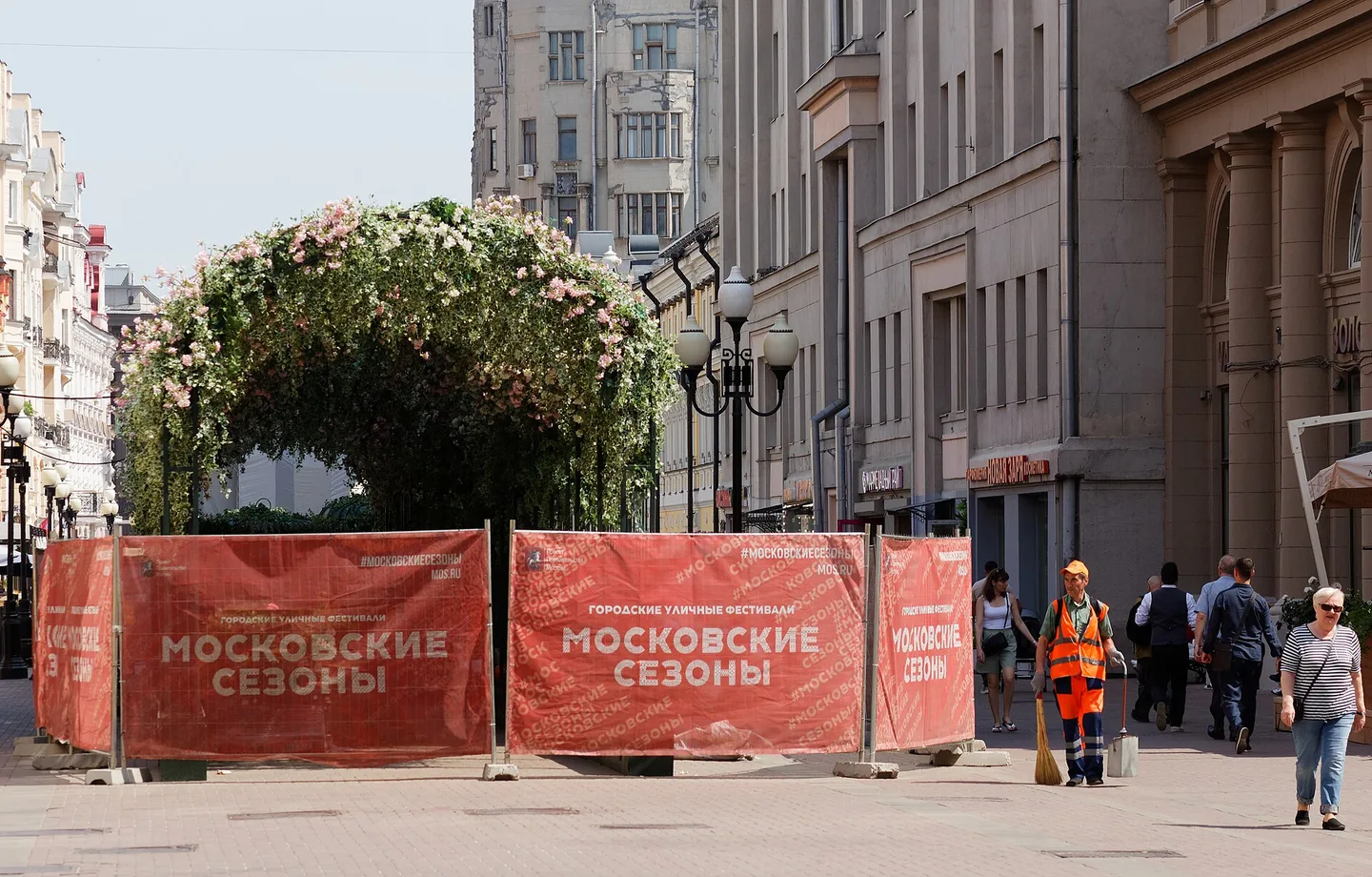
Old Arbat Street stands among the oldest preserved thoroughfares in the city, tracing a path westward from the historic boulevard ring. Closed to vehicle traffic decades ago, the flagstone street offers an easy walking route bordered by pastel façades, small antique shops, and street performers. We begin at Arbatskaya metro station, where several underground lines converge, giving straightforward access from central districts.
As we wander westward toward Smolenskaya station, nineteenth-century townhouses present carved stone details, decorative balconies, and recessed doorways. Pushkin lived along this lane during the nineteenth century, and his memorial apartment preserves the domestic atmosphere of romantic Moscow. Further down the pavement, the bronze Princess Turandot fountain stands outside the Vakhtangov Theatre, marking a popular meeting point for local theatregoers.
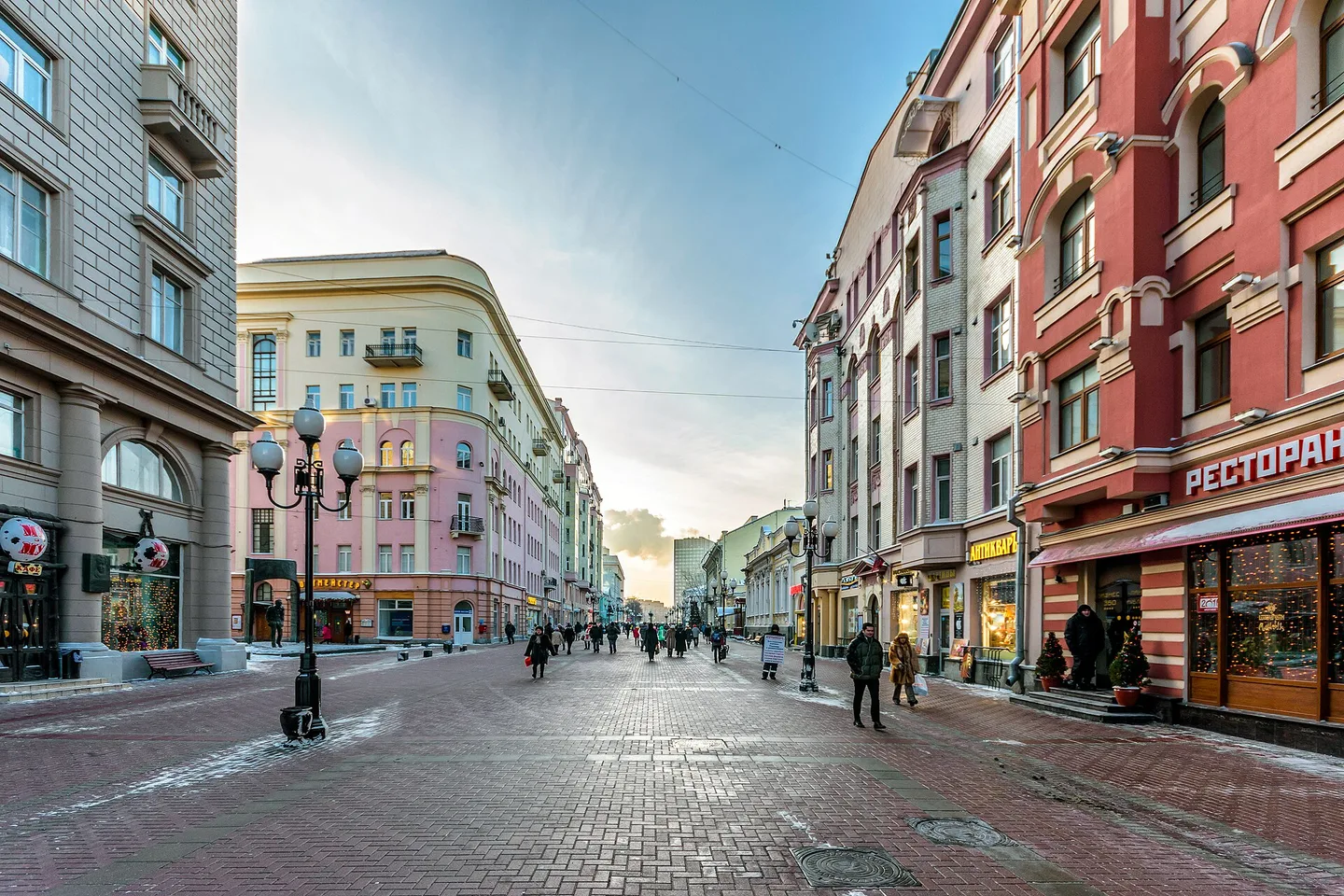
Side lanes branching off the main paving reward unhurried exploration. Narrow passages like Krivoarbatsky Lane conceal hidden architectural landmarks, including experimental constructivist dwellings and quiet church courtyards. Travellers combining this stroll with earlier sightseeing can cross eastward toward the Moscow Kremlin and Armoury Chamber using well-marked underground concourses.
Patriarch's Ponds: Literary Echoes and Quiet Courtyards
North of Arbat and west of Tverskaya Street lies Patriarch's Ponds, a serene residential enclave centred around a single rectangular body of water. Once a marshy territory managed by church authorities, the surrounding land transformed over generations into an elegant district of stone apartments and quiet gardens. Reaching this area requires a short walk from Mayakovskaya or Pushkinskaya metro stations along tree-shaded pavements.
The quarter holds profound associations with Russian literature, famously serving as the opening setting for Mikhail Bulgakov's celebrated novel. A bronze monument commemorating the author and his characters sits near the western water margin, drawing readers and students throughout all seasons. Shaded wooden benches ring the pond perimeter, creating an ideal rest stop away from the metropolitan roar.
Beyond the water, the grid of secondary lanes reveals handsome art nouveau apartment blocks, modern cafés, and independent bakeries. Malaya Bronnaya Street forms the primary dining spine of the quarter, lined with terrace seating during warmer summer afternoons. We enjoy wandering through the internal archways, where tranquil communal gardens offer a glimpse into everyday domestic life.
Zamoskvorechye: Merchant Enclaves and Museum Lanes
Crossing the Moskva River southward brings us into Zamoskvorechye, an expansive historic district that developed along southern trade routes. Unlike the aristocratic mansions of western Moscow, this quarter developed around wealthy merchant families who built solid two-storey estates with walled orchards. Tretyakovskaya and Novokuznetskaya metro stations offer direct transit into the central pedestrian lanes of the district.
The cultural anchor of Zamoskvorechye is the State Tretyakov Gallery on Lavrushinsky Lane, which houses thousands of masterworks of Russian visual art. A pedestrianised stone promenade leads directly to the gallery forecourt, passing traditional low-rise buildings painted in soft ochre and green tones. Verify timed admission slots before stepping onto Lavrushinsky Lane, especially ahead of popular weekend exhibitions.
Wandering away from the main museum corridor introduces quiet cobblestone alleys and colourful parish churches. Pyatnitskaya Street serves as the neighbourhood high street, displaying rows of restored merchant shops, tea rooms, and bookshops. Heading north along the river embankment gives striking panoramic views across the water toward the Red Square and Saint Basil's Cathedral complex.
Neighbourhood Metro Connections and Practical Routing
Connecting these three districts requires minimal transit travel, making them easy to combine across one or two days of touring. Moving between the northern pond gardens and southern riverbank lanes takes less than twenty minutes on the metro network. To help structure your walking itinerary, the overview below highlights key access stations and features for each quarter.
| Neighbourhood | Primary Metro Station | Main Thoroughfare | Distinctive Character |
|---|---|---|---|
| Old Arbat | Arbatskaya | Arbat Street | Pedestrian flagstones, artistic history, theatre architecture |
| Patriarch's Ponds | Mayakovskaya | Malaya Bronnaya Street | Quiet residential pond, literary associations, modern dining |
| Zamoskvorechye | Tretyakovskaya | Lavrushinsky Lane | Merchant manor estates, brick parish churches, fine art |
We recommend starting morning walks in Zamoskvorechye to experience the quiet church courtyards before midday foot traffic builds. After exploring the art collections, take the green line north from Novokuznetskaya to Mayakovskaya to spend afternoon hours around the pond. Finish your evening along Old Arbat, where street performers and restaurant terraces stay active until late hours.
- Begin at Arbatskaya metro station to explore the pedestrian length of Old Arbat Street westward.
- Walk through Malaya Bronnaya Street toward Patriarch's Ponds for peaceful waterside walking paths.
- Exit at Tretyakovskaya station to reach the museum corridor and historic alleys of Zamoskvorechye.
Each of these historic districts preserves a distinct urban scale, offering welcome contrast to the wide avenues of the capital. Taking time to wander behind main building façades uncovers tranquil courtyards, historic chapels, and peaceful gardens.
Official prices and opening hours
- Moscow Kremlin Territory & Armoury ChamberOfficial site ↗
- State Tretyakov Gallery (Lavrushinsky Lane)Official site ↗
Where it is
- 1Moscow Neighbourhoods
- Vnukovo International Airport (VKO) · about 27 km from here in a straight line
- Directions in Google Maps
Stations and taxi ranks: OpenStreetMap. Airports: OurAirports. Distances are in a straight line.
Traveller tips
Real advice from people who have been to Moscow. Every tip is read by our team before it goes live.
No tips yet. Been here? Yours could be the first.
Thank you! Your tip will appear here after a quick review.
More in Moscow
Continue exploring Moscow with related neighbourhood, food, and planning guides
VDNKh, Cosmonautics Museum, Kolomenskoye and Tsaritsyno Guide
Moscow, Russia
Moscow Metro Architecture Circuit and City Transit Route
Moscow, Russia
What to Eat in Moscow: Classic Soups, Dumplings and Historic Dining
Moscow, Russia
Arriving in Moscow: Airports, Express Rail Links and Main Terminals
Moscow, Russia
