Photo: Aniacra · CC BY-SA 4.0
What to Eat in Moscow: Classic Soups, Dumplings and Historic Dining
Moscow pairs hearty Slavic comfort dishes with grand dining rooms, subterranean pie bakeries, and renovated market halls across the historic centre.
Hearty Soups and Cold-Weather Staples
Traditional Russian dining in the capital revolves around warm, nourishing broths built for northern winters. Beetroot soup, universally recognised as borscht, remains the cornerstone of every central lunch counter. Cooks slow-simmer beef shank, sweet shredded beetroot, carrots, and cabbage until the liquid turns a deep ruby shade. A generous spoonful of thick sour cream melts into the centre, accompanied by dark rye bread rubbed with raw garlic cloves. Sour cabbage shchi provides another ancient option, balancing fermented tang with tender root vegetables.
During warmer months, chilled soups take over the menus of pavement cafés and courtyard eateries. Okroshka features diced cucumbers, radishes, boiled potatoes, and ham bathed in sparkling fermented rye bread drink. Alternatively, cooks blend the chopped salad with chilled kefir, scattering fresh dill and spring onions across the bowl. Sorrel soup, known locally as green shchi, appears in late spring with halved hard-boiled eggs. Pairing these broths with light salads lets travellers fuel up before continuing into the historic core.
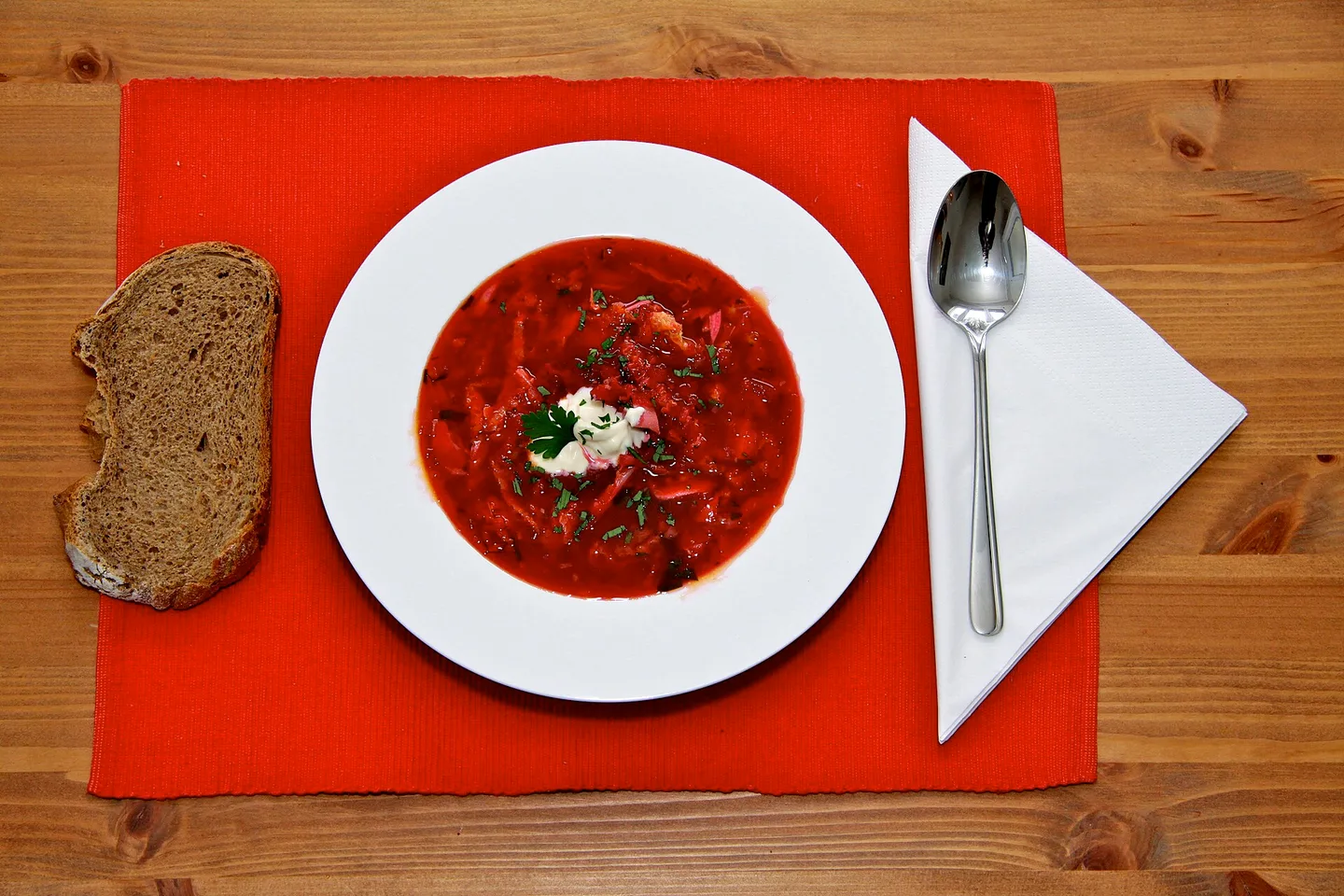
Most sit-down taverns serve soups with small yeast buns brushed with crushed garlic oil, known as pampushki. Eating these piping hot alongside a clay crock of broth creates an authentic midday ritual. These warming dishes help sustain energy when walking between major squares and historic riverside monuments.
Fish broths also claim a prized position across historic and contemporary menus. Ukha presents a clear, fragrant soup prepared with freshwater fish such as pike-perch or sterlet. Simmered alongside whole onions, peppercorns, and bay leaves, the delicate stock highlights clean river flavours. Solyanka introduces a richer, sharper profile by combining salted pickles, cured beef, olives, and capers in a tomato-tinged broth. A slice of fresh lemon placed in the bowl cuts through the robust, smoky savoury notes.
Handmade Dumplings and Savoury Pastries
Steamed and boiled dumplings represent another indispensable pillar of local dining. Pelmeni feature thin, unleavened wheat dough pockets filled with minced beef, pork, or lamb seasoned simply with salt and black pepper. Kitchens boil them in savoury broth and toss them immediately in melted unsalted butter and fragrant dill. Diners often add spicy mustard, white vinegar, or sour cream according to personal taste. Vegetarian alternatives called vareniki come stuffed with mashed potatoes, sautéed wild forest mushrooms, or sweet curd cheese.
Street-level bakeries and counter-service eateries offer portable baked pastries that make convenient walking snacks. Golden pirozhki feature soft yeasted dough enclosing braised cabbage, hard-boiled eggs with scallions, or minced meat. Larger rectangular pies called pirogi are baked whole and sliced into thick wedges showing layered fillings of salmon and rice. You can easily pick up warm pastries while exploring landmark routes near Red Square and Saint Basil's Cathedral.
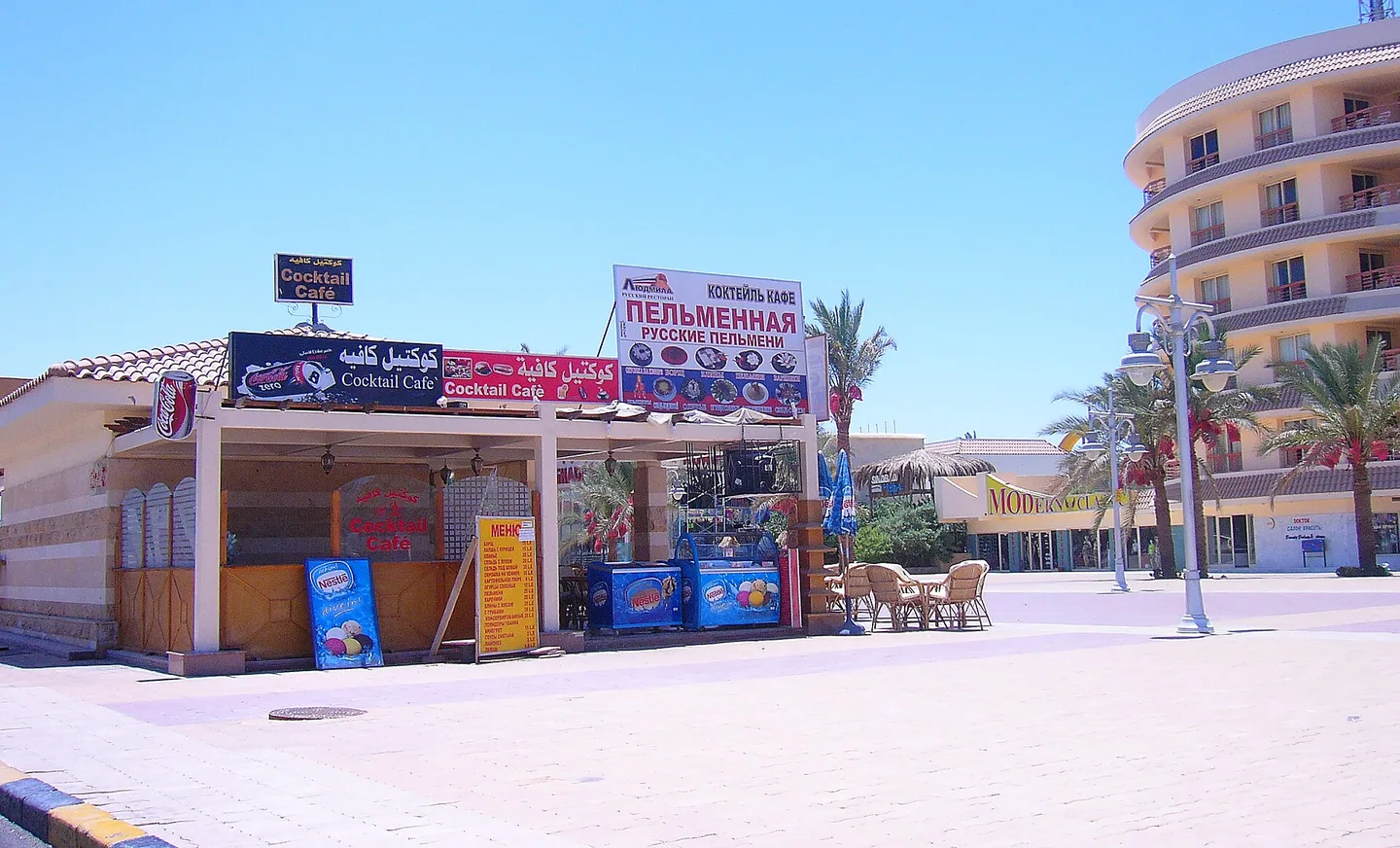
Fast casual pelmennaya shops allow diners to order dumplings by weight, mixing fillings in a single ceramic bowl. Fresh wild berry vareniki, stuffed with tart cherries or blueberries, double as a comforting rustic dessert. A dusting of powdered sugar balances the sharp fruit juices as you break the dough with a fork.
Puff pastry pockets known as rasstegai provide another historic pastry option found at bakery counters. These boat-shaped pastries leave a small central opening where savoury fish or braised meat fillings stay visible. Diners traditional pour a spoonful of hot fish broth directly into the pastry opening before eating. Chebureki, large crescent-shaped deep-fried turnovers filled with seasoned minced mutton, bring popular Caucasian culinary traditions into local neighbourhood snack stalls.
Pancakes, Tea Culture, and Historic Cafés
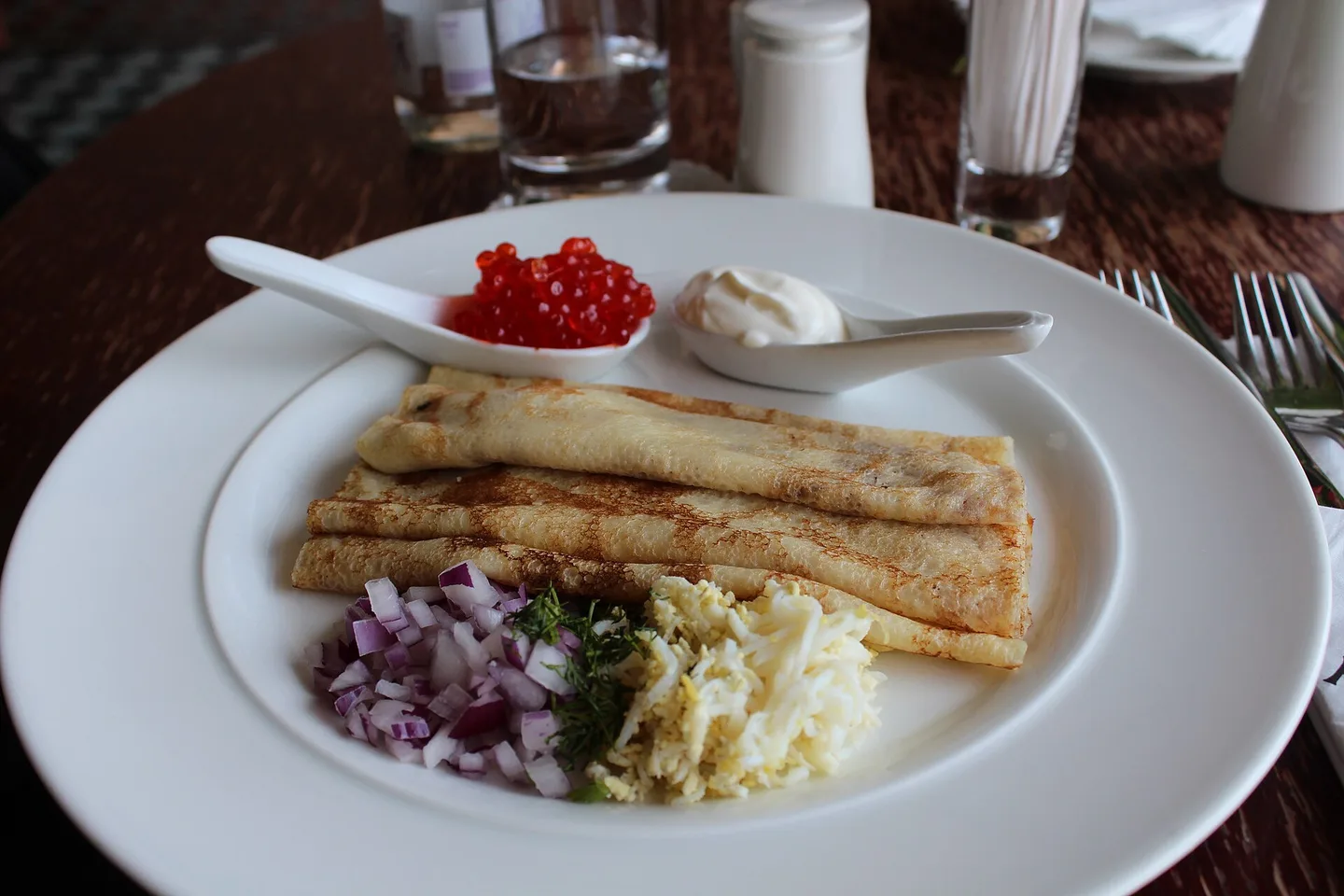
Paper-thin wheat pancakes, known as blini, carry deep cultural roots tied to traditional seasonal celebrations. Cooks pour yeasted batter onto sizzling cast-iron pans, producing golden discs with delicate, lacy edges. Savoury versions wrap around thinly sliced smoked salmon, salted herring, or glistening spoonfuls of red salmon caviar. Sweet variations feature wild lingonberry jam, condensed milk, or melted butter with forest honey. Specialised fast-pancake kiosks across the capital fold them fresh before your eyes.
Tea drinking forms a ritualistic pastime across historic tea rooms, where water heats inside polished metal samovars. Strong black tea leaves steep in small porcelain pots before diners dilute the brew with hot water from the samovar spigot. Locals sip hot tea through hard sugar cubes held between their teeth or stir sour cherry preserves directly into the cup. Pairing afternoon tea with layered honey cake or condensed-milk walnut pastries offers ideal respite after touring the Moscow Kremlin and Armoury Chamber.
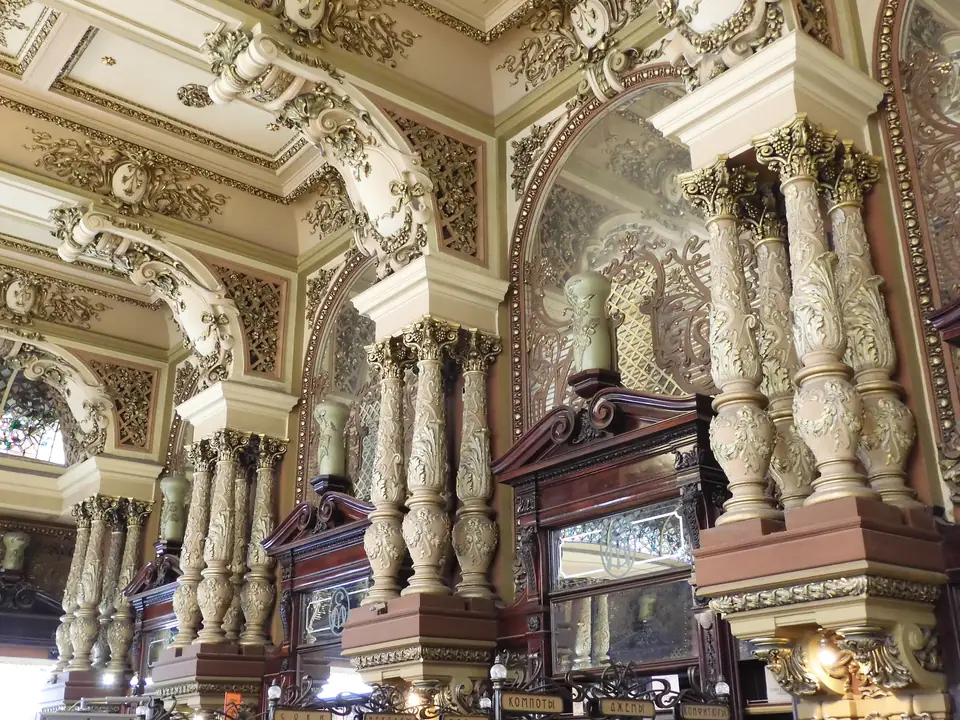
Grand nineteenth-century dining halls on central shopping streets still display polished timber panels, stained glass, and marble counters. Visiting these gilded spaces reveals how imperial hospitality traditions evolved alongside humble domestic comfort food.
Dessert menus across the capital frequently highlight medovik, a multi-layered cake composed of thin honey biscuits softened by sour cream frosting. Another beloved classic is bird's milk cake, featuring light marshmallow-like soufflé glazed with dark chocolate. Drinking herbal infusions infused with Ivan-chay, a traditional fermented willowherb leaf, offers a caffeine-free companion to these sweet confectionery classics.
Navigating Dining Rooms and Food Markets
Dining styles in the capital span self-service historic cafeterias, retro municipal lunch counters, and revamped covered market halls. Central food halls now house regional stalls serving Siberian sturgeon soup, Dagestani meat pies, and Caucasian flatbreads under iron-framed glass roofs. For visitors balancing sightseeing with reliable dining, understanding the city's key food formats makes daily planning straightforward.
| Dining Format | Best For | Ordering Style | Atmosphere |
|---|---|---|---|
| Stolovaya | Homestyle soups and cutlets | Tray line with point-and-choose counters | Nostalgic, quick, and informal |
| Pelmennaya | Steamed meat and berry dumplings | Counter service by portion weight | Casual neighbourhood canteen |
| Blinnaya | Rolled savoury or sweet pancakes | Made-to-order hot griddles | Lively street-side snack bar |
| Renovated Market Hall | Regional specialities and modern fusion | Individual food vendor stalls | Communal wooden tables |
To plan your wider culinary routes around daily sightseeing, keep a few practical habits in mind:
- Request soup broth with sour cream on the side if you prefer to control the richness of your dish.
- Visit converted market halls during off-peak afternoon periods to secure communal wooden tables without long waits.
- Try traditional berry compotes, such as warm mors made from lingonberries or cranberries, for a refreshing non-carbonated drink.
- Combine museum mornings with quick cafeteria lunches to sample multiple small cold salads and savoury pastries in one meal.
- Ask for a cup of kvass or herbal sbiten during cold months to experience honey-spiced hot drinks sold at market counters.
By blending casual counter meals with visits to historic tea salons, travellers experience the full breadth of the capital's culinary heritage.
Official prices and opening hours
- Moscow Kremlin Territory & Armoury ChamberOfficial site ↗
- State Tretyakov Gallery (Lavrushinsky Lane)Official site ↗
Where it is
- 1Moscow
- Sheremetyevo International Airport (SVO) · about 29 km from Moscow in a straight line
- Directions in Google Maps
Stations and taxi ranks: OpenStreetMap. Airports: OurAirports. Distances are in a straight line.
Traveller tips
Real advice from people who have been to Moscow. Every tip is read by our team before it goes live.
No tips yet. Been here? Yours could be the first.
Thank you! Your tip will appear here after a quick review.
More in Moscow
Continue exploring Moscow with related neighbourhood, food, and planning guides
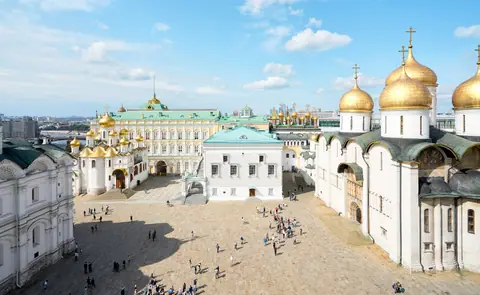
Moscow Kremlin, Cathedral Square and Armoury Guide
Moscow, Russia
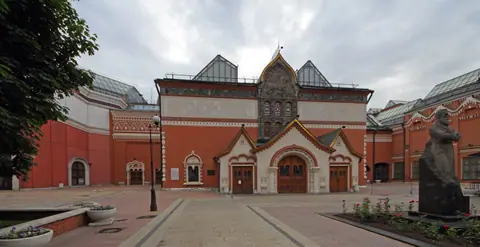
Tretyakov Gallery, Pushkin Museum, and Christ the Saviour Cathedral
Moscow, Russia
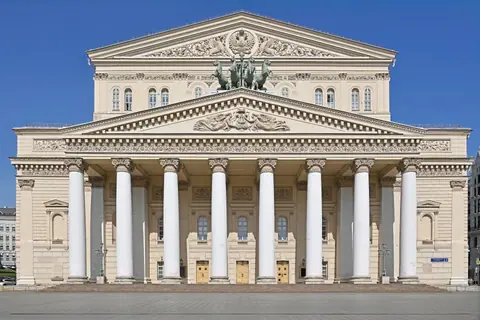
Exploring the Bolshoi Theatre, Tverskaya, Kitay-gorod, and Zaryadye Park
Moscow, Russia
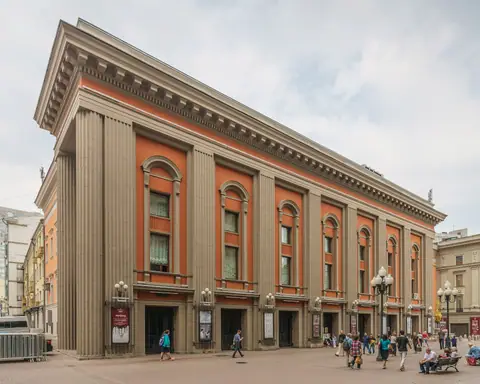
Moscow Neighbourhoods: Arbat, Patriarch's Ponds and Zamoskvorechye
Moscow, Russia
