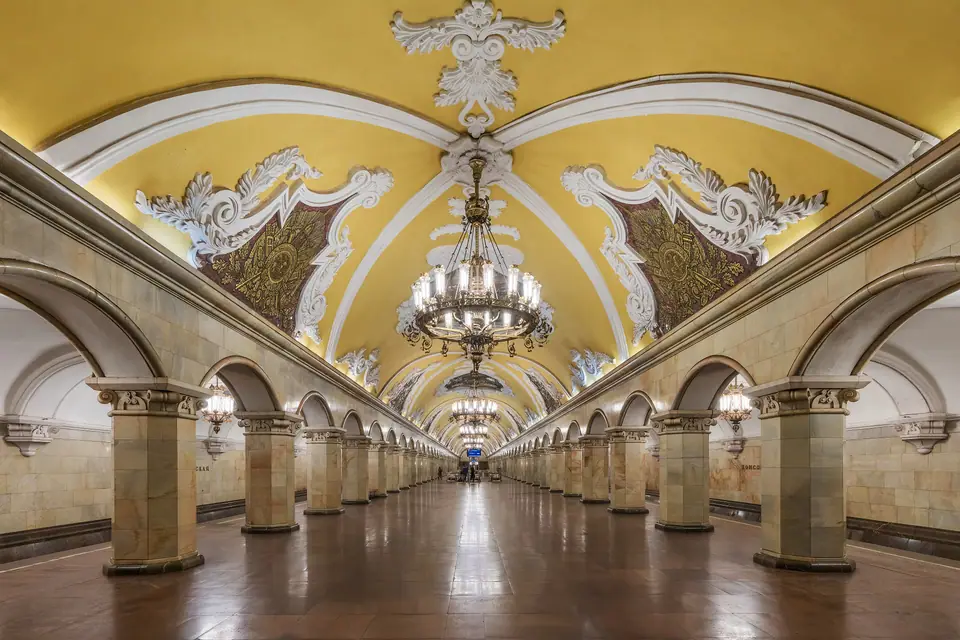
Photo: A.Savin · CC BY-SA 4.0
Moscow Metro Architecture Circuit and City Transit Route
Subterranean marble concourses, historic ring lines, and local transit networks span the Russian capital using simple smartcards.
Descending below the broad avenues of the capital reveals an extraordinary underground transit network. Vaulted ceilings, polished marble colonnades, and suspended chandeliers turn routine suburban commutes into an architectural procession. Moving across the network offers a profound insight into civic design across decades of continuous engineering. Travellers connecting to regional rail departures or continuing onwards to discover central Moscow neighbourhoods and major plazas depend daily on these deep tracks. Navigating the stations requires little language experience once passengers learn colour codes and transfer emblems at platform junctions.
Navigating the Subterranean Halls of the Koltsevaya Ring
The brown circular route binds central lines together. It serves as the primary distribution artery for travellers changing directions between busy radial platforms. Grand halls along this loop feature ornate mosaics, stained glass compositions, and elaborate plaster mouldings celebrating industrial labour and agricultural motifs. Walking the length of these platforms allows visitors to admire expansive murals without dodging platform edges during off-peak midday periods. Clear bilingual signboards hang overhead, pointing towards connecting escalators that lead up to regional railway terminals.
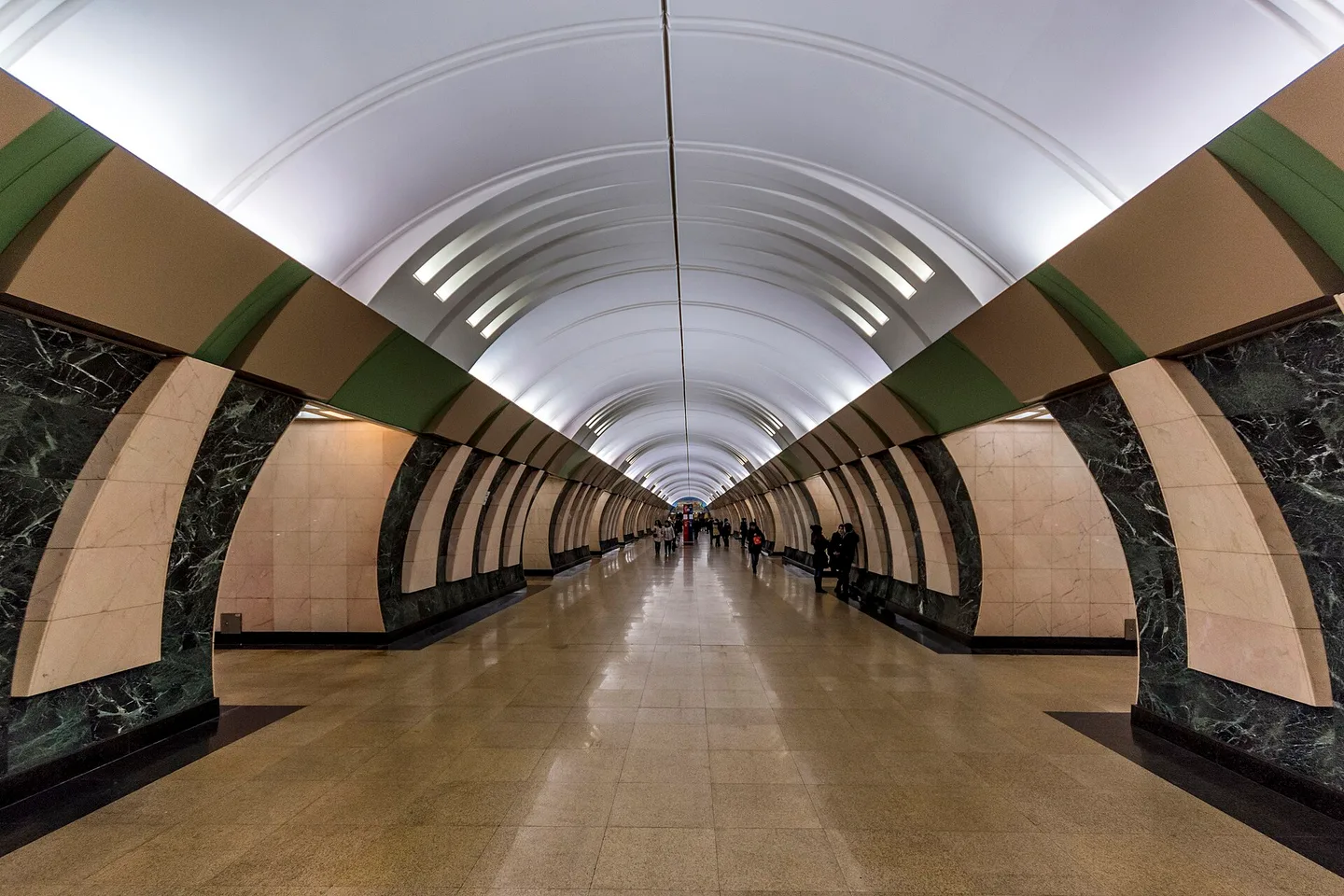
Transfer passages between deep platforms can require several minutes of walking along polished stone corridors and climbing stepped ramps. Moving between ring platforms and radial routes becomes straightforward when following floor markers that mirror line colours. Travellers heading across the city should maintain awareness of platform direction signs mounted on central archways. Stations along this circle demonstrate how rail networks function as shared public halls beneath ordinary streets.
Architectural Highlights Across Central Radial Lines
Branching out from the circular core, radial lines plunge beneath riverbeds to link outer residential districts with historic government quarters. Stations along the dark blue line feature cast-bronze sculptures depicting historical figures, students, border guards, and industrial workers lining central walkways. Passengers frequently pause alongside the plinths to touch smooth bronze surfaces before stepping onto arriving carriages. Vaulted coffered ceilings on the green line create a sense of weightless space despite the tremendous depth below street level.
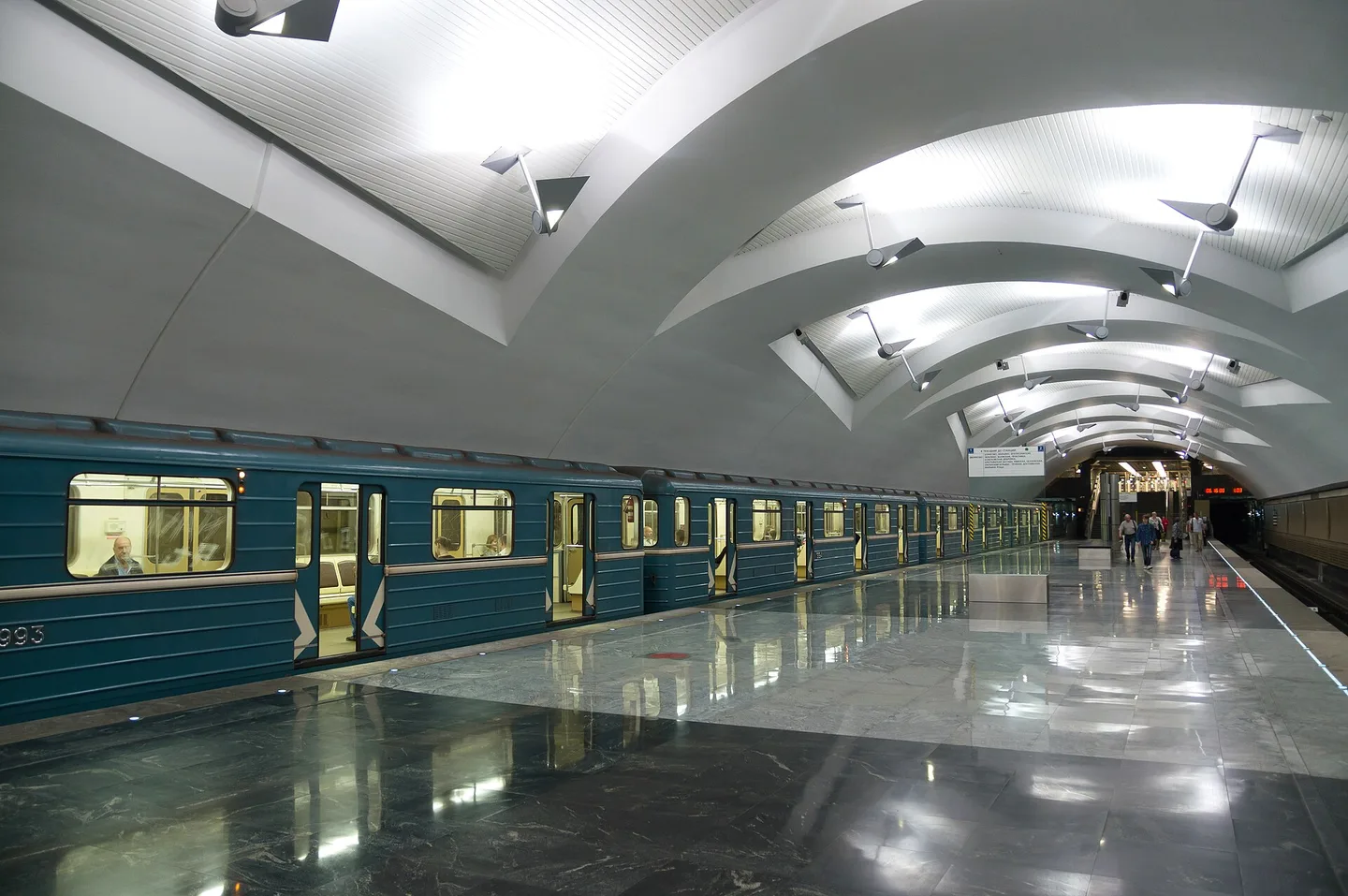
Further along northern radial extensions, modern station additions introduce clean geometric granite and bright directional lighting arrays. These contemporary platforms balance historical grandeur with efficient passenger movement, using wide central corridors and durable materials to handle heavy commuter flows. Pairing underground architecture stops cleanly with above-ground walking circuits and museum avenues fills a full day effortlessly.
- Komsomolskaya: Baroque yellow ceiling vaults, crystal lighting fixtures, and monumental ceiling mosaics honour historical military commanders.
- Mayakovskaya: Graceful stainless steel arches and pink rhodochrosite pillars framing futuristic ceiling domes and airborne mosaics.
- Novoslobodskaya: Glowing stained glass panels set into pylons, illuminated from within to cast colourful patterns across white marble floors.
- Ploshchad Revolyutsii: Monumental bronze figures crouching beneath red marble arches along every platform bay.
Surface Connections and the Troika Transit System
Boarding local transit across the capital operates through contactless cards that tap directly against turnstiles and onboard vehicle scanners. The blue Troika card functions as a refillable electronic wallet, valid across underground lines, suburban rail links, and surface vehicles. Travellers buy these plastic cards at station ticket windows or automated multilingual kiosks situated inside entrance lobbies. Tapping the card deducts a single journey value while allowing straightforward tap transfers between selected transport modes within established transfer windows.
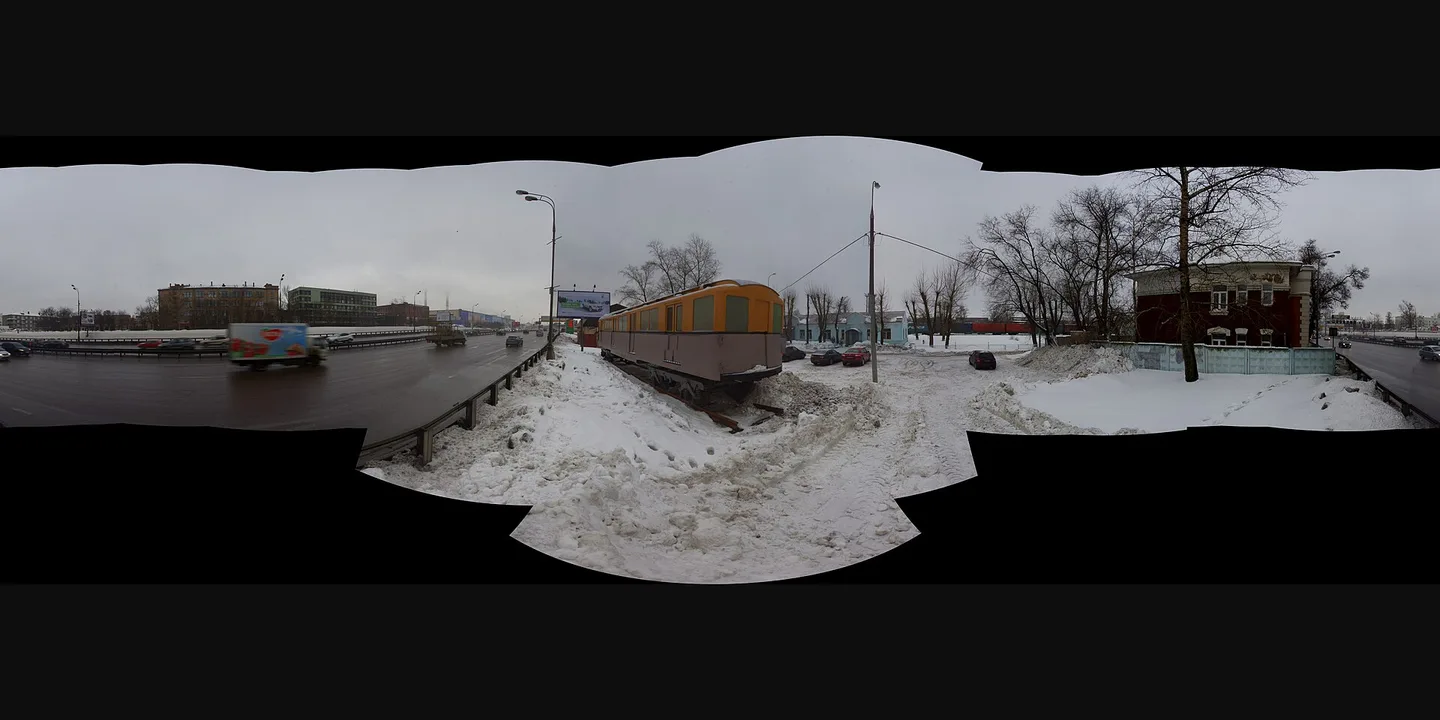
Surface networks complement the underground rails through a web of electric buses and historical tram lines traversing wide outer boulevards. Trams rumble past leafy neighbourhoods, providing scenic views through oversized windows that contrast with the subterranean tunnels below. Boarding uses electronic validators located by the front vehicle doors before taking a window seat. Central street routes outlined under boulevard wayfinding and pedestrian loops help visitors combine surface trams with downtown walks cleanly.
Transit Hubs and Connecting Neighbourhood Sequences
Major transfer nodes connect multiple radial routes beneath sprawling public plazas, linking commuters with pedestrian concourses above ground. Stepping out from station vestibules brings passengers straight onto wide pavements leading towards historic landmarks and pedestrian lanes. Travellers emerging at central junctions find themselves steps away from historic fortresses and cathedral towers, including the red walls framing the Moscow Kremlin and Armoury Chamber. Careful planning between underground lines helps visitors avoid surface traffic during morning and evening rush hours.
| Station Hub | Connecting Lines | Surface Destination |
|---|---|---|
| Okhotny Ryad | Red, Dark Blue, Green | Central theatre square, historic department stores |
| Ploshchad Revolyutsii | Dark Blue, Green, Red | Red Square, pedestrian shopping alleys |
| Komsomolskaya | Brown Ring, Red Radial | Major intercity railway terminals |
| Tretyakovskaya | Orange, Yellow Radial | Zamoskvorechye district, art galleries |
Walking between subterranean platforms and surface streets reveals the harmonious integration of civic transit into the urban core. Exits lead directly into underpasses lined with small bakeries and flower stalls, offering shelter from winter winds and summer downpours. Continuing from underground exits towards the cobblestones of the central plaza brings visitors before the domes of Red Square and Saint Basil's Cathedral. Mastering the underground system unlocks the complete geography of the Russian capital with confidence and ease.
Official prices and opening hours
- Moscow Kremlin Territory & Armoury ChamberOfficial site ↗
- State Tretyakov Gallery (Lavrushinsky Lane)Official site ↗
Where it is
- 1Moscow
- Sheremetyevo International Airport (SVO) · about 28 km from Moscow in a straight line
- Directions in Google Maps
Stations and taxi ranks: OpenStreetMap. Airports: OurAirports. Distances are in a straight line.
Traveller tips
Real advice from people who have been to Moscow. Every tip is read by our team before it goes live.
No tips yet. Been here? Yours could be the first.
Thank you! Your tip will appear here after a quick review.
More in Moscow
Continue exploring Moscow with related neighbourhood, food, and planning guides
VDNKh, Cosmonautics Museum, Kolomenskoye and Tsaritsyno Guide
Moscow, Russia
What to Eat in Moscow: Classic Soups, Dumplings and Historic Dining
Moscow, Russia
Arriving in Moscow: Airports, Express Rail Links and Main Terminals
Moscow, Russia
Where to Stay in Moscow: Best Districts for City Walks and Metro Access
Moscow, Russia
