Miami
Miami pairs preserved coastal Art Deco architecture with mainland cultural districts across Biscayne Bay, linked by causeways and public transit networks.
Quick decisions
How many days?
Plan three days to balance historic beach architecture, mainland art districts, and botanical estates without rushing through transit corridors between the bay islands.
Where should I stay?
Base yourself in South Beach for walkable access to the ocean, or pick Brickell on the mainland for rapid public transit connections.
Do I need a car?
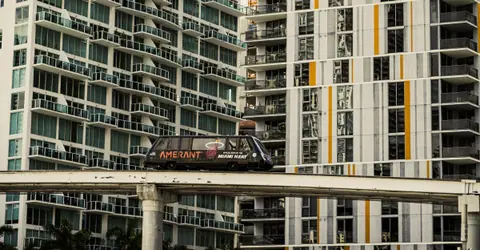
You can skip a rental car entirely within the urban core by using the elevated Metrorail, free automated movers, and municipal buses across causeways.
Best for
Travellers seeking twentieth-century coastal architecture, Latin American food culture, modern street murals, and subtropical waterfront views alongside Biscayne Bay.
Before you go
Check the seasonal rainfall patterns before booking outdoor excursions, particularly during the wet subtropical summer months between June and October.
Getting around
Board the free automated mover in Downtown or tap standard contactless payment cards directly at fare gates when entering Metrorail stations.
Continue your trip
Extend your coastal route southwards along the overseas highway or journey northwards through Florida using regional passenger rail lines departing Downtown.
Overview
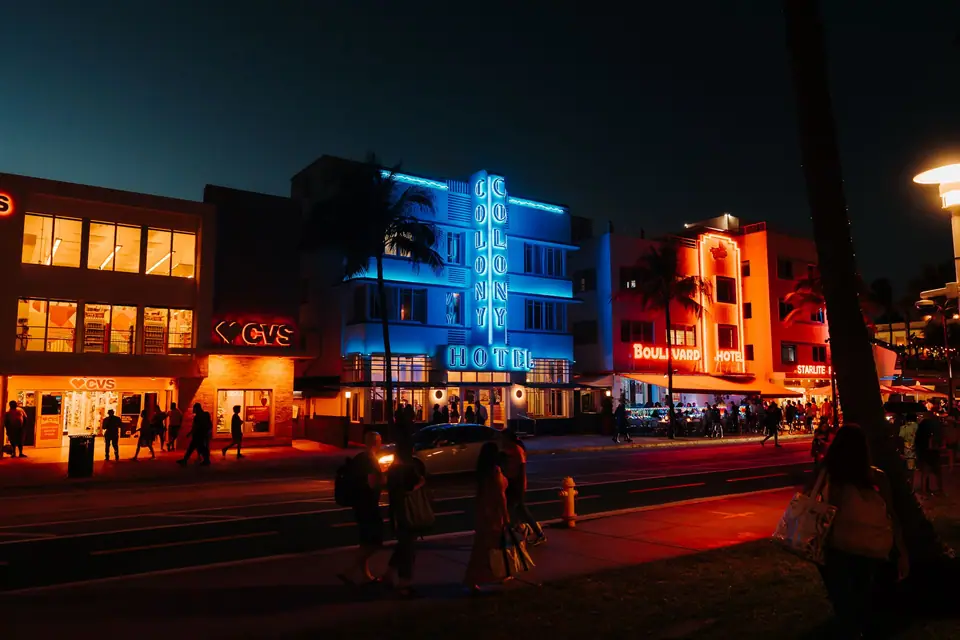
Miami divides distinctly between the low barrier island of Miami Beach and the sprawling mainland urban core. Biscayne Bay separates these two environments, with several broad causeways carrying road traffic and express buses above calm coastal waters. Ocean Drive anchors the historic beach strip, where preserved pastel facades face open parkland and Atlantic surf.
On the mainland, Downtown and Brickell form a dense financial district of high glass towers bordering Biscayne Bay. Just inland, districts like Wynwood and Little Havana showcase street art, independent galleries, and Cuban coffee counters. Warm winters bring dry conditions, while hot summers generate brief afternoon downpours that clear quickly under the subtropical sun.
Average daytime highs reach 23.8°C in January with lows around 17.2°C, accompanied by 79 mm of monthly rainfall across 11 wet days. Warm conditions expand through March, which averages highs of 26.4°C, lows of 20.0°C, and 64 mm of rain over about 10 wet days. May marks a transition into wetter periods with 150 mm of precipitation, around 16 wet days, and daytime highs reaching 28.9°C.
Summer brings humid conditions across the coastal lowlands, reaching peak warmth between July and August with afternoon highs around 30.8°C and lows of 25.8°C. July records 131 mm of rain across about 22 wet days, while August totals 162 mm across 25 wet days. September experiences 202 mm across around 24 wet days, followed by November cooling down to 26.7°C highs and 104 mm of precipitation.
Getting there
Miami International Airport connects straight to the mainland rail network via an automated airport shuttle running to the regional ground transit centre. Travellers heading mainland board the elevated Metrorail line into Downtown and Brickell, avoiding highway bottlenecks. Those bound for the coast take express buses directly across the bay causeway into South Beach.
Mainland public transport operates on a straightforward contactless fare model across rail gates and bus doors. Downtown features a free elevated automated mover system that loops between office towers, bayfront parks, and cultural venues. Reviewing airport rail and beach bus transfers before leaving arrivals keeps platform changes smooth.
Dedicated bus lanes across Biscayne Bay keep airport express journeys steady during busy commuter waves. Regional passenger trains also reach Downtown directly, letting visitors step right out onto local bus and Metrorail corridors.
Where to stay
Selecting the right base depends largely on whether your trip prioritises sandy Atlantic beaches or mainland cultural districts. South Beach suits visitors who prefer early morning seaside strolls, historic architecture, and car-free evening dining along oceanfront avenues. North Beach offers a quieter coastal alternative with wide shorelines and mid-century apartment buildings.
Brickell provides an energetic mainland base filled with modern hotels, elevated transit stations, and riverfront walkways. Coconut Grove offers leafy residential streets and bayside sailing marinas further south. Comparing island beach hotels against Brickell rail bases helps match lodging with daily priorities.
Staying in Downtown gives direct access to both branches of the elevated mover loop and rapid mainland rail lines. Mid-Beach sits quieter north of Ocean Drive along shaded coastal boardwalks linked southward by regular Collins Avenue buses.
Things to do
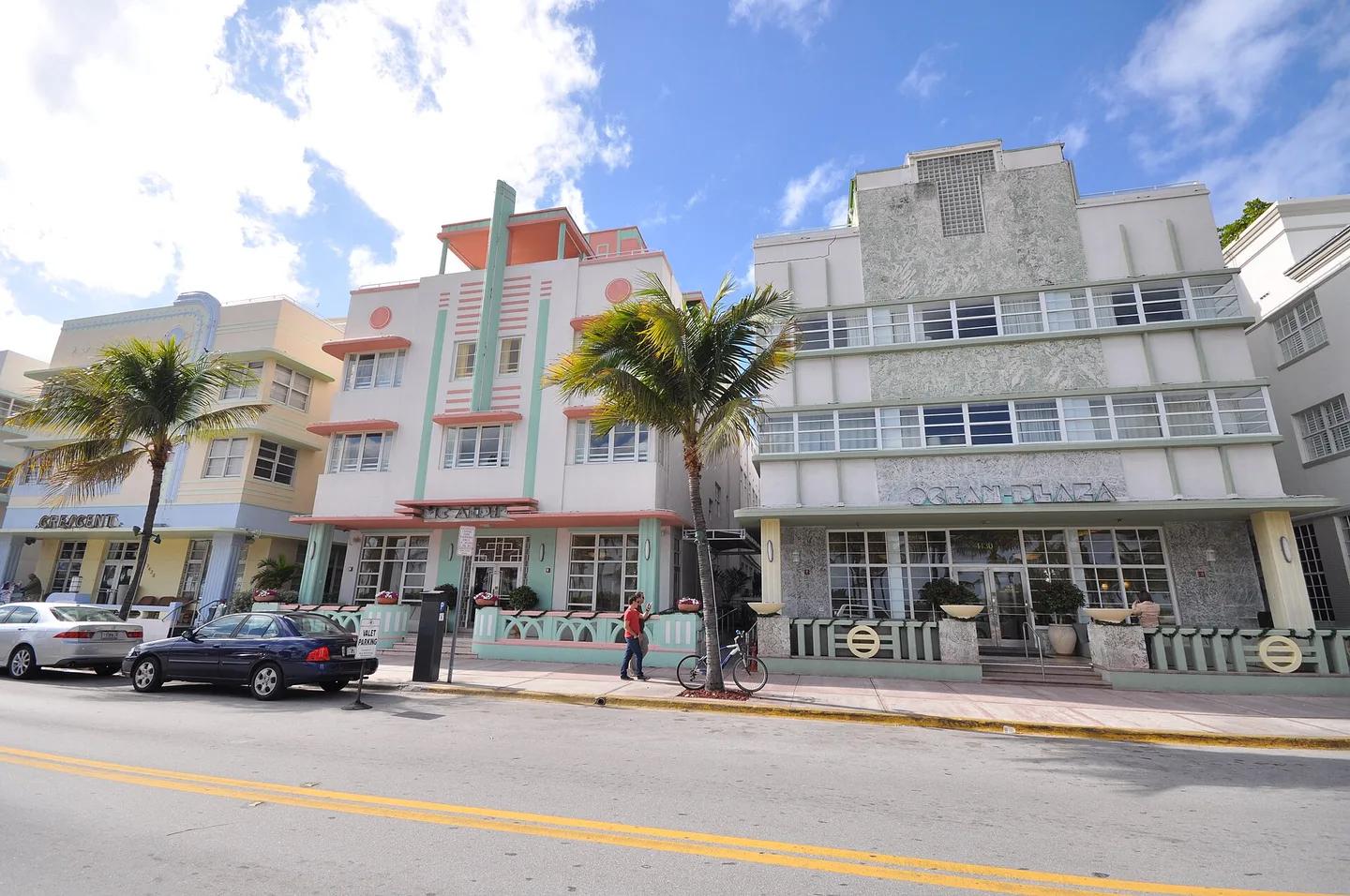
The Art Deco Historic District on South Beach contains hundreds of preserved architectural landmarks built during the twentieth century. Walking along Ocean Drive and Lincoln Road reveals clean geometric lines, nautical motifs, and soft pastel shades. Follow early morning Ocean Drive and Lincoln Road loops before midday heat builds.
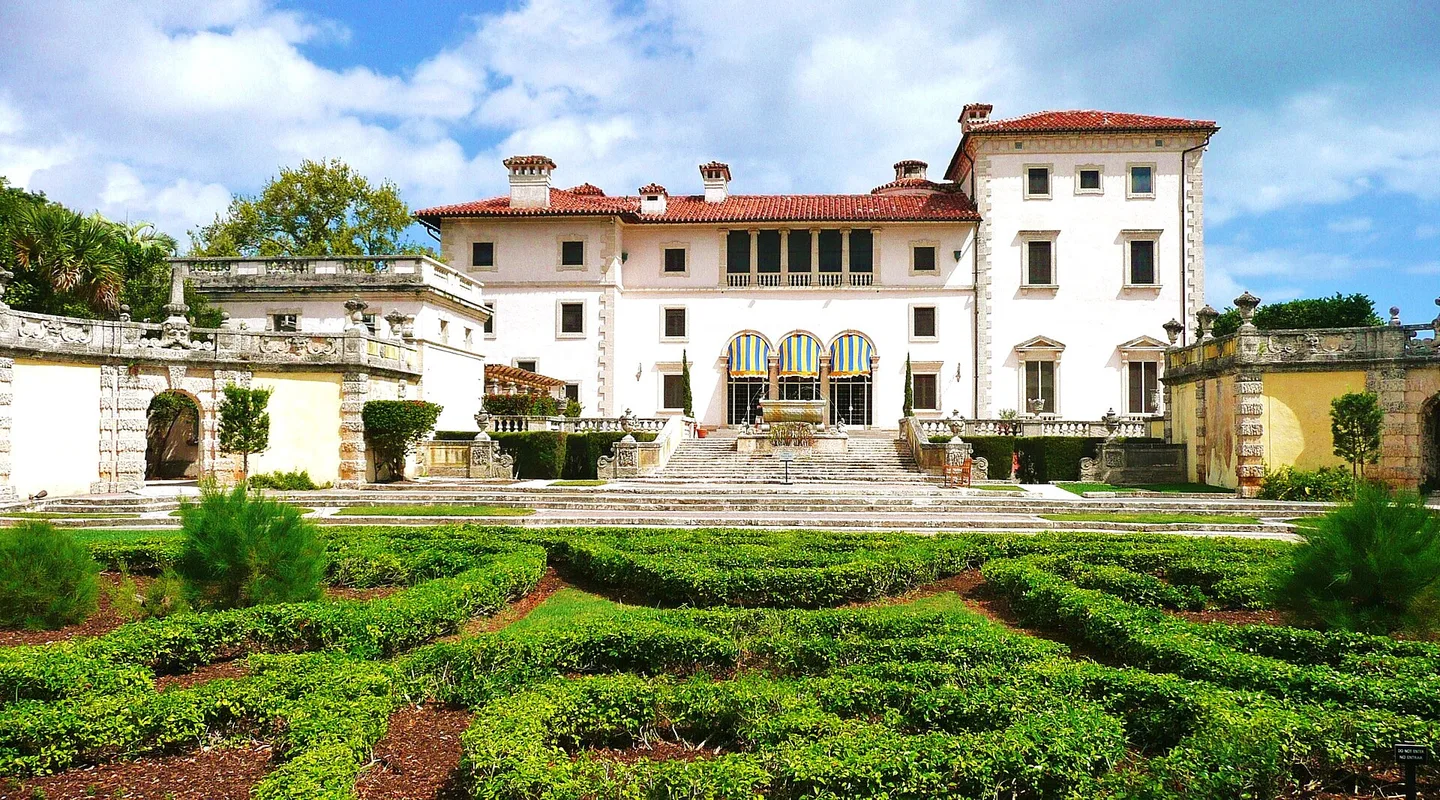
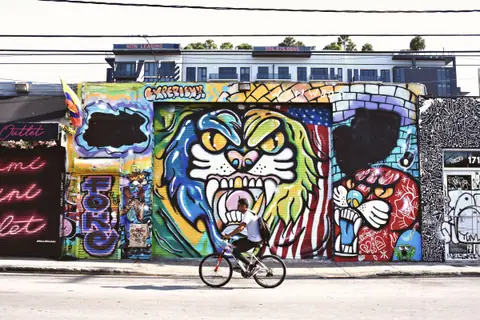
Cross the bay into the mainland to explore Wynwood, where former warehouse walls now display monumental outdoor murals painted by international street artists. Further south along the bay, historic villa estates feature Mediterranean revival architecture surrounded by formal subtropical gardens. Travellers can broaden day routes across bayfront museums, parks, and open-air murals.
Biscayne Bay and shaded Coconut Grove offer quieter waterfront paths away from glass office blocks. Public bayfront greenways link Downtown parks directly with coral stone cottages and sailing marinas along southern shores.
Food and drink
Miami dining reflects powerful Caribbean and Latin American culinary roots, especially throughout the lively blocks of Little Havana. Walk along Calle Ocho to sample pressed Cuban sandwiches layered with roast pork, ham, Swiss cheese, pickles, and mustard on crusty bread. Small streetfront windows serve sweet, concentrated espresso alongside warm guava pastries.
Waterfront restaurants across Biscayne Bay and South Beach highlight freshly caught regional seafood, including seasonal stone crab claws and citrus marinades. Ceviche bars draw on Peruvian traditions, pairing tender white fish with sweet potato, lime juice, and toasted corn. Evening meals on the beach often unfold at open-air sidewalk tables beneath the palm trees.
Mainland kitchens showcase Latin fusion menus, craft bakeries, and open-air food halls inside repurposed Wynwood warehouses. Across southern mainland streets, open fruit stands press whole green coconuts and slice ripe mangoes during warm afternoon humidity.
Culture
Local culture moves to a relaxed subtropical pace influenced by decades of migration from across the Caribbean and Central America. Spanish and English blend naturally across neighbourhood bakeries, public transit, and retail markets. Modest beach attire works along the oceanfront, while mainland dining rooms favour smart casual clothes after dusk.
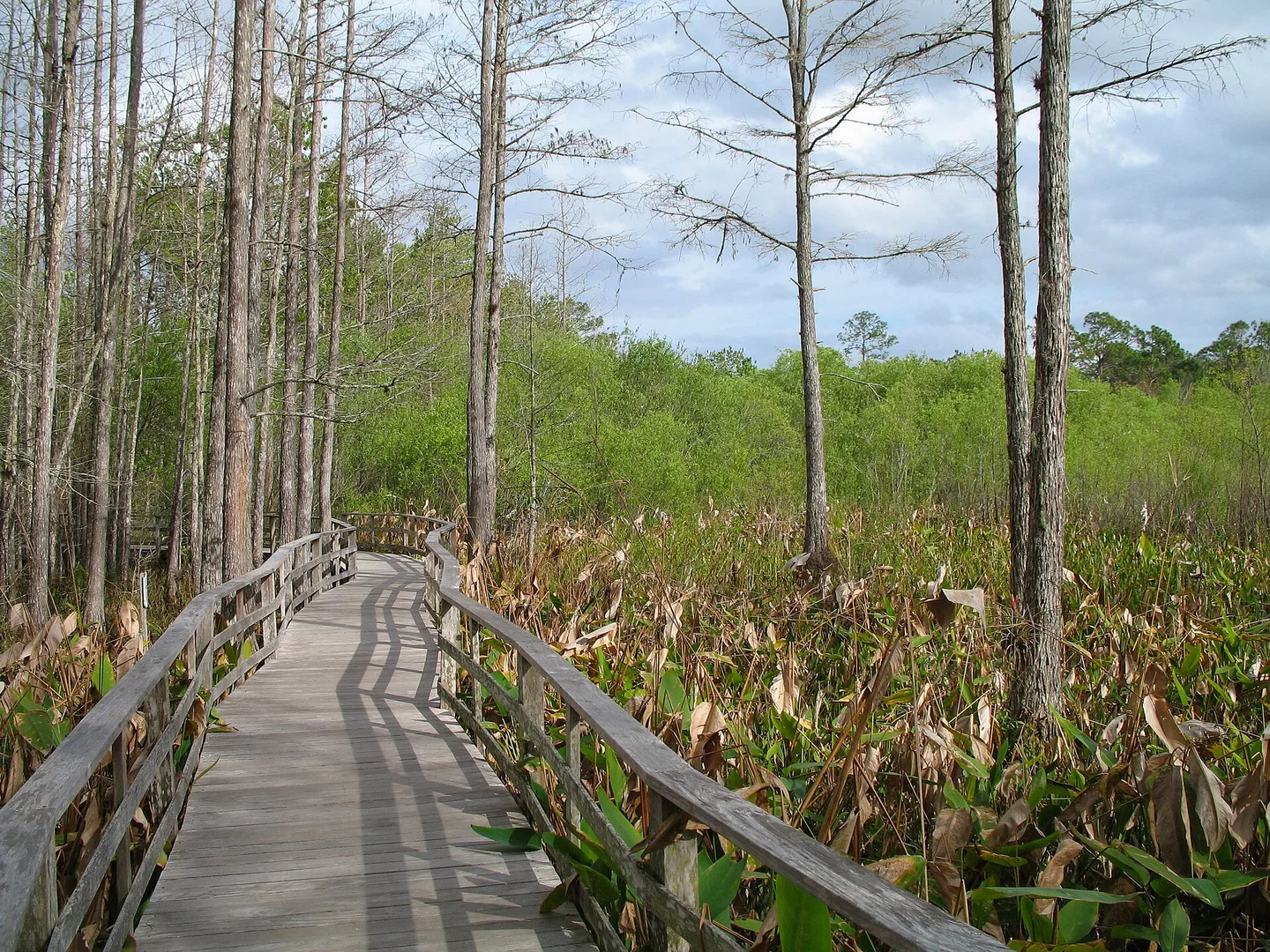
Protecting surrounding coastal wetlands and sea turtle nesting zones remains an urgent priority across South Florida beaches. Visitors can balance island mornings with mainland galleries through balanced three-day coastal and cultural plans.
Public art and open street music define neighbourhood squares from South Beach murals down to Domino Park on Calle Ocho. Residents gather outdoors under shaded pavilions daily, mixing crisp domino tiles with warm Cuban espresso at pavement windows.
Official prices and opening hours
- Miami-Dade Metrorail, Metrobus & MetromoverOfficial site ↗
- Vizcaya Museum and Gardens (Coconut Grove)Official site ↗
- Wynwood Walls Street Art MuseumOfficial site ↗
- Everglades National Park (Shark Valley & Homestead Gates)Official site ↗
Weather by month
Miami is warmest in July, with average highs around 31°C, and coldest in January, when nights drop to about 17°C. June is the wettest month by rainfall (222 mm), with rain on about 23 days. For mild weather with fewer rainy days, aim for January, February, March, November and December.
| Month | Low | Range | High | Rain | Rainy days |
|---|---|---|---|---|---|
| Jan | 17°C | 24°C | 79 mm | 11 d | |
| Feb | 19°C | 25°C | 64 mm | 11 d | |
| Mar | 20°C | 26°C | 64 mm | 10 d | |
| Apr | 22°C | 28°C | 84 mm | 12 d | |
| May | 23°C | 29°C | 150 mm | 16 d | |
| Jun | 25°C | 30°C | 222 mm | 23 d | |
| Jul | 26°C | 31°C | 131 mm | 22 d | |
| Aug | 26°C | 31°C | 162 mm | 25 d | |
| Sep | 25°C | 30°C | 202 mm | 24 d | |
| Oct | 24°C | 29°C | 149 mm | 19 d | |
| Nov | 21°C | 27°C | 104 mm | 13 d | |
| Dec | 19°C | 25°C | 94 mm | 11 d |
Averages of daily values from 2015 to 2024. Rainy days are days with at least 1 mm of rain. Source: Open-Meteo · Compare destinations by month.
Miami on the map
Every place we cover in Miami. Tap a category or pin to explore.
In-depth Miami guides
Browse the guides grouped by topic: sights, neighbourhoods, food, transport, day trips and trip planning.
Sights, Landmarks & Parks
Key monuments, viewpoints, museums and nature trails.
Neighbourhoods & Where to Stay
Districts, historic quarters and the best bases for your stay.
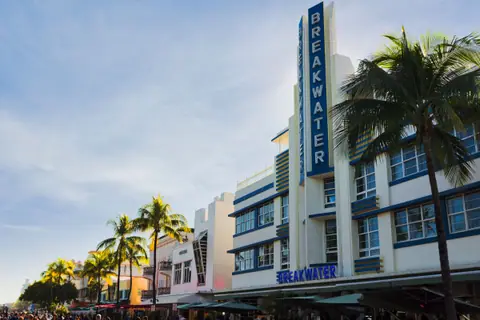 South Beach Guide: Ocean Drive, Art Deco and Lincoln RoadHistoric pastel streets connect southern coastal lawns to pedestrian shopping avenues across South Beach in Miami.
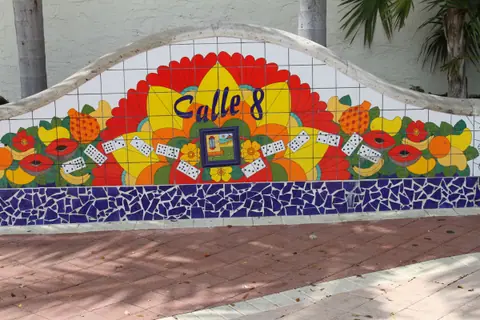 Little Havana Guide: Calle Ocho, Cafecito and DominoesCalle Ocho reveals neighbourhood ventanita counters, lively domino matches, and moving historic memorials during daily neighbourhood walks.
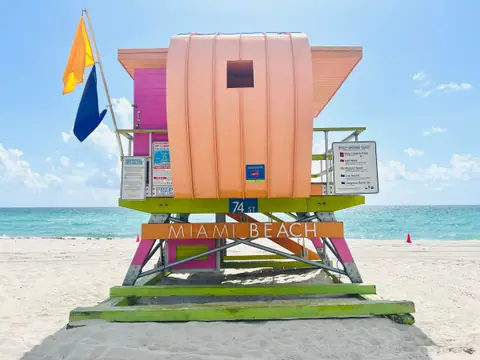 Where to Stay in Miami: Neighbourhoods from Ocean to BayChoosing where to base yourself shapes your experience of Miami, balancing breezy coastal strips against connected mainland centres.
Getting Around & Arrival
Airport transfers, public transit, passes and driving rules.
Day Trips & Excursions
Easy half-day and full-day trips from the city.

Trip Planning & Itineraries
When to visit, what to pack and day-by-day routes.
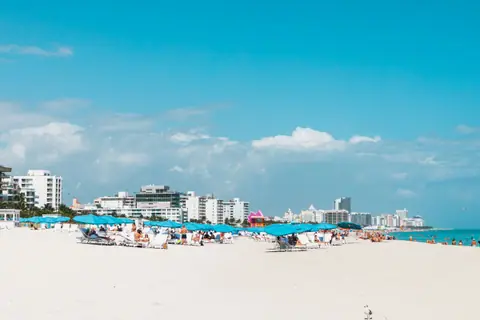 Miami Travel Essentials: City Layout, Transit, and Local CustomsUnderstanding the geographical divide between mainland districts and the offshore islands shapes an effortless journey across South Florida.
 When to Plan a Miami Trip: Seasons, Heat, and Coastal RainfallMiami offers gentle winter warmth along the coast and muggy summer downpours, requiring careful timing for outdoor strolls and wilderness trips.
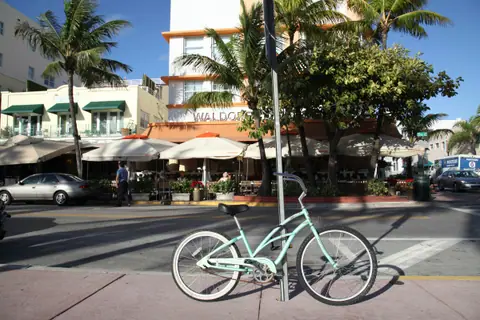 What to Wear in Miami: Coastal Fabrics, Evening Attire and Air ConditioningBreathable daytime linens, sharp evening dress codes, and indoor layers balance sudden air conditioning throughout South Florida neighbourhoods.
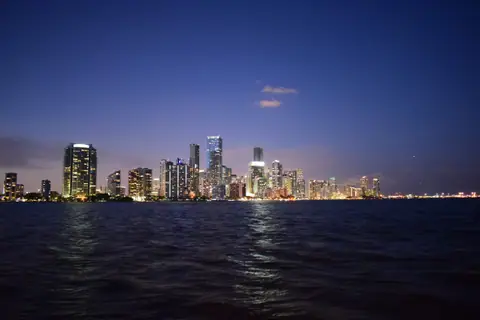 Three Days in Miami: Ocean Drive, Little Havana and the WetlandsWe map out three balanced days across Miami, linking Atlantic coastal paths, heritage mainland quarters, and quiet Biscayne waterways.
Upcoming events in and near Miami
Concerts, festivals and tours with their own guide on JourneyCities. Check dates with the organiser before you book.
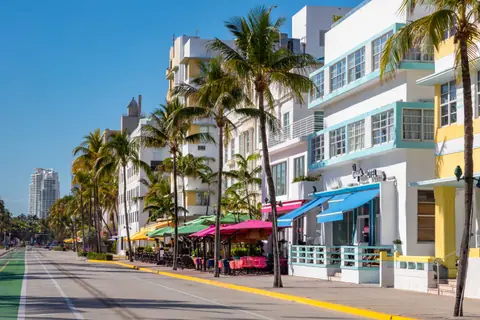 RESISTANCE Miami at M2 Miami Beach 2027: Winter Lineup & Guide2 January 2027, 16 January 2027, 23 January 2027, 30 January 2027, 20 February 2027 · M2 Miami, Miami Beach
 Ultra Music Festival 2027 at Bayfront Park, MiamiMarch 26-28, 2027 · Bayfront Park, Downtown Miami, Florida
 Tortuga Music Festival 2027 at Fort Lauderdale Beach2-4 Apr 2027
Need your embassy or consulate in United States? See embassies and consulates in United States.
Reviews
Log in to write a review.
No reviews yet.