What to Wear in Miami: Coastal Fabrics, Evening Attire and Air Conditioning
Breathable daytime linens, sharp evening dress codes, and indoor layers balance sudden air conditioning throughout South Florida neighbourhoods.
Daytime Fabrics and Coastal Heat Management
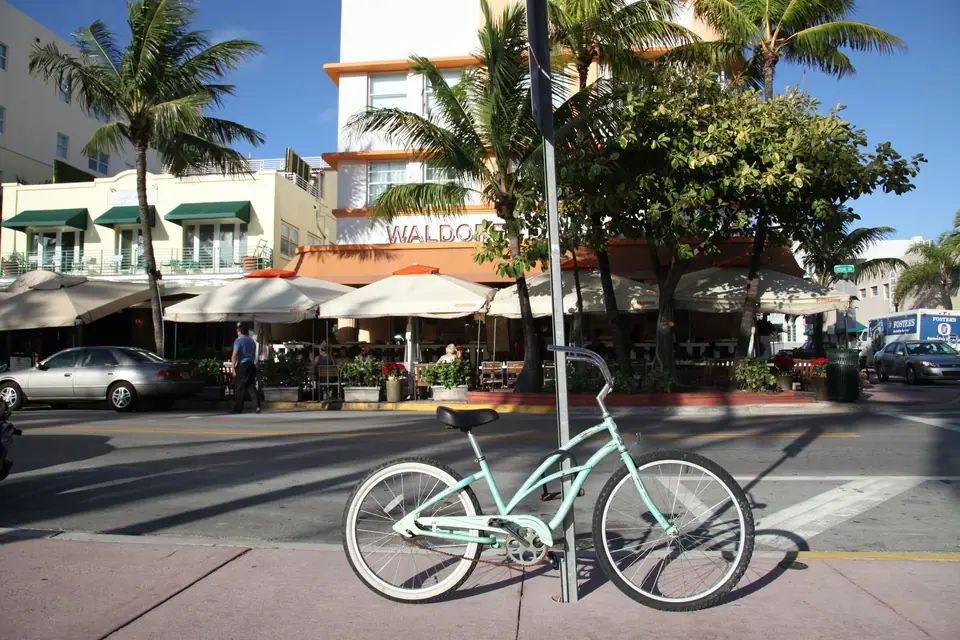
Navigating the subtropical sunshine requires breathable natural fibres that let sea breezes circulate across your skin. Pure linen shirts, loose cotton shorts, and airy woven sundresses dry quickly when coastal moisture rises during daytime walks. Light neutral tones reflect intense sun glare along bright coral sidewalks and seaside paths far better than heavy dark textiles.
Wide-brimmed sun hats and high-protection sunglasses protect against midday rays reflecting off open water and white stucco facades. We suggest soft canvas trainers or cushioned leather walking sandals for exploring neighbourhood streets on foot. Rubber flip-flops work well directly beside the sand, though supportive walking shoes prevent fatigue across longer city strolls.
Sudden coastal downpours happen quickly from late spring into autumn. A lightweight waterproof shell or a compact travel umbrella keeps your cotton layers dry without trapping excess body heat. Moisture-wicking base garments help you stay fresh when moving between sunny avenues and outdoor lunch spots.
Beachside Regulations and Proper Cover-Ups
Local municipal rules along the coast establish clear standards for public attire once you step away from the sand. City ordinances strictly prohibit walking shirtless or wearing only swimwear along commercial streets, public walkways, and residential blocks. Keep an airy linen overshirt, dry sarong, or light tunic readily accessible inside your daypack before leaving coastal promenades.
- Pack breathable cotton shirts to slip on immediately when stepping off the sand into beachfront boulevards.
- Carry a dry tote bag to separate damp swimming costumes from your evening restaurant clothes.
- Slip on supportive flat espadrilles or deck shoes before entering local shops or pavement dining areas.
- Choose quick-drying board shorts or tailored swim trunks that double as casual shorts for beachside lunch spots.
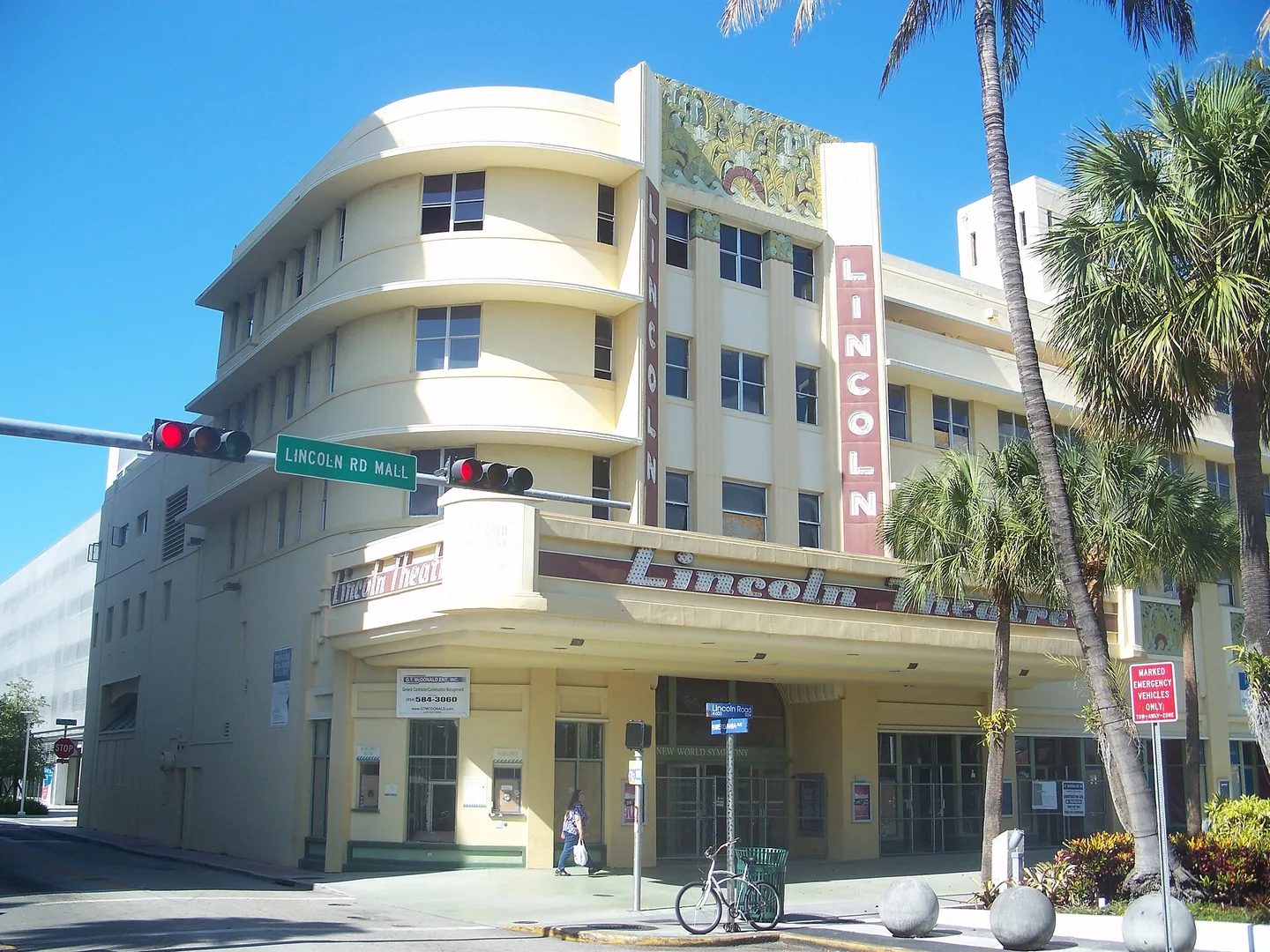
Cafes and seaside bistros enforce standard health codes requiring footwear and upper-body clothing for indoor or terrace seating. Respecting these practical boundaries keeps visits relaxed and compliant across Ocean Drive cafes and Art Deco streets. We always fold a light change of clothing into our beach bags to transition smoothly into open-air dining. Keeping dry linen trousers or a collared camp shirt folded inside your rucksack solves sudden restaurant dress checks easily.
Indoor Air Conditioning and Transit Layers
Indoor microclimates present a stark contrast to outdoor humidity across South Florida. Stepping inside galleries, hotel lounges, and public transport vehicles brings an immediate drop into chilled conditions maintained by heavy refrigeration. A thin merino cardigan, lightweight scarf, or cotton overshirt prevents sudden shivering when entering these colder spaces. Airport express buses and elevated Metromover cabins keep air temperatures markedly brisk across all seasons.
| Setting | Outdoor Temperature | Indoor Sensation | Recommended Layer |
|---|---|---|---|
| Metrorail Cars | Warm to hot | Chilled flow | Light cotton overshirt |
| Art Galleries | Humid | Controlled cool | Soft knit cardigan |
| Boutique Cafes | Bright sun | Breezy chill | Compact linen jacket |
Carrying a thin mid-layer makes everyday travel far more comfortable when riding rapid trains or visiting contemporary art spaces. Folding an unstructured cotton jacket into your shoulder bag before boarding airport rail links and express buses across Biscayne Bay avoids uncomfortable chills. This simple habit lets you enjoy cold museum galleries without rushing straight back into midday heat.
Evening Attire and Nightlife Dress Codes
Nightfall brings an upscale visual standard to stylish bistros, hotel rooftops, and contemporary music venues. While daytime dressing leans casual, evening dining rooms routinely refuse entry to athletic shorts, beach sandals, and torn denim. Men generally wear collared linen shirts with tailored chinos, while women favour light slip dresses or tailored jumpsuits.
Footwear choices dictate entry policies at premier lounges and historic entertainment quarters. Clean leather loafers, smart dress shoes, or flat leather sandals satisfy venue door policies while handling paved surfaces comfortably. Avoid athletic running trainers or pool slides after dusk when heading out for cocktails or waterfront dinners. Adding compact rainproof sandals or breathable cotton socks prevents blisters across damp summer pavements after brief afternoon showers.
Carrying a light tailored blazer or evening wrap completes your wardrobe for open-air terraces exposed to steady Atlantic breezes. Planning distinct outfits for seaside recreation, air-conditioned mainland museums, and refined coastal dining keeps daily movement effortless from dawn until late night.
Weather by month
Miami is warmest in July, with average highs around 31°C, and coldest in January, when nights drop to about 17°C. June is the wettest month by rainfall (222 mm), with rain on about 23 days. For mild weather with fewer rainy days, aim for January, February, March, November and December.
| Month | Low | Range | High | Rain | Rainy days |
|---|---|---|---|---|---|
| Jan | 17°C | 24°C | 79 mm | 11 d | |
| Feb | 19°C | 25°C | 64 mm | 11 d | |
| Mar | 20°C | 26°C | 64 mm | 10 d | |
| Apr | 22°C | 28°C | 84 mm | 12 d | |
| May | 23°C | 29°C | 150 mm | 16 d | |
| Jun | 25°C | 30°C | 222 mm | 23 d | |
| Jul | 26°C | 31°C | 131 mm | 22 d | |
| Aug | 26°C | 31°C | 162 mm | 25 d | |
| Sep | 25°C | 30°C | 202 mm | 24 d | |
| Oct | 24°C | 29°C | 149 mm | 19 d | |
| Nov | 21°C | 27°C | 104 mm | 13 d | |
| Dec | 19°C | 25°C | 94 mm | 11 d |
Averages of daily values from 2015 to 2024. Rainy days are days with at least 1 mm of rain. Source: Open-Meteo · Compare destinations by month.
Official prices and opening hours
- Miami-Dade Metrorail, Metrobus & MetromoverOfficial site ↗
Where it is
- 1Miami
- Miami International Airport (MIA) · about 11 km from Miami in a straight line
- Directions in Google Maps
Stations and taxi ranks: OpenStreetMap. Airports: OurAirports. Distances are in a straight line.
Traveller tips
Real advice from people who have been to Miami. Every tip is read by our team before it goes live.
No tips yet. Been here? Yours could be the first.
Thank you! Your tip will appear here after a quick review.
More in Miami
Continue exploring Miami with related neighbourhood, food, and planning guides

Little Havana Guide: Calle Ocho, Cafecito and Dominoes
Miami, United States

Day Trips from Miami: The Everglades, Biscayne and the Keys
Miami, United States
Where to Stay in Miami: Neighbourhoods from Ocean to Bay
Miami, United States
Three Days in Miami: Ocean Drive, Little Havana and the Wetlands
Miami, United States
