Miami Travel Essentials: City Layout, Transit, and Local Customs
Understanding the geographical divide between mainland districts and the offshore islands shapes an effortless journey across South Florida.
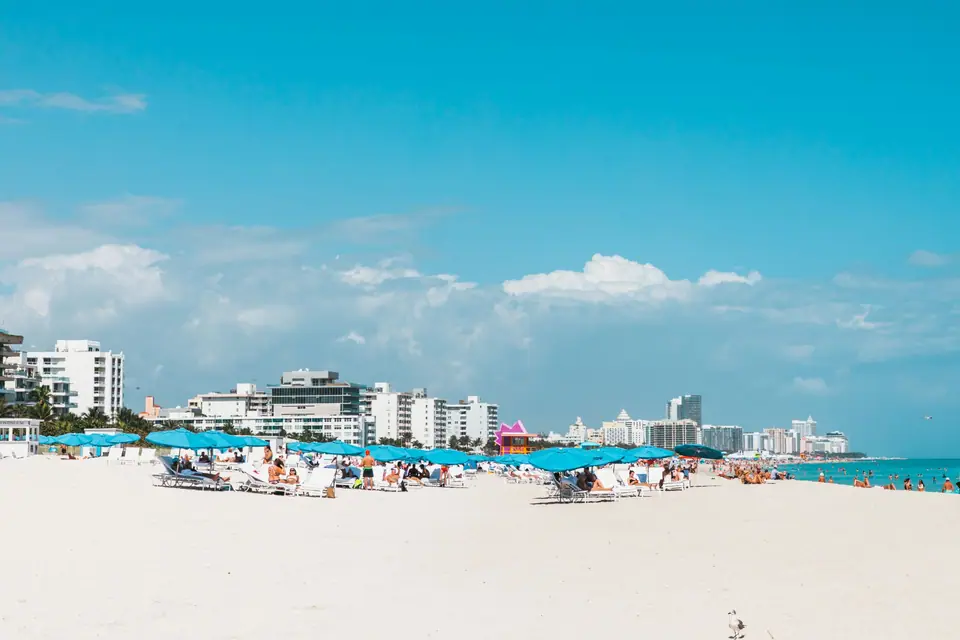
Arriving in South Florida requires an immediate mental adjustment regarding geography, because Miami and Miami Beach exist as two distinct municipalities. Biscayne Bay separates the mainland commercial core from the slender coastal strip to the east. Visitors routinely mistake the two entities for a unified zone, leading to transit delays and costly cab rides. You cross between both territories using broad causeways spanning open water, each providing distinct perspectives of the skyline.
Three primary road arteries span the bay: the MacArthur bridge to the south, the Venetian route through residential islets, and the Julia Tuttle expressway further north. The southern MacArthur link carries direct bus lanes towards lively coastal avenues, connecting smoothly into Art Deco avenues in South Beach. Taking the central Venetian route offers a slower crossing past quiet waterfront homes, while northern express lanes feed directly into Mid-Beach sands.
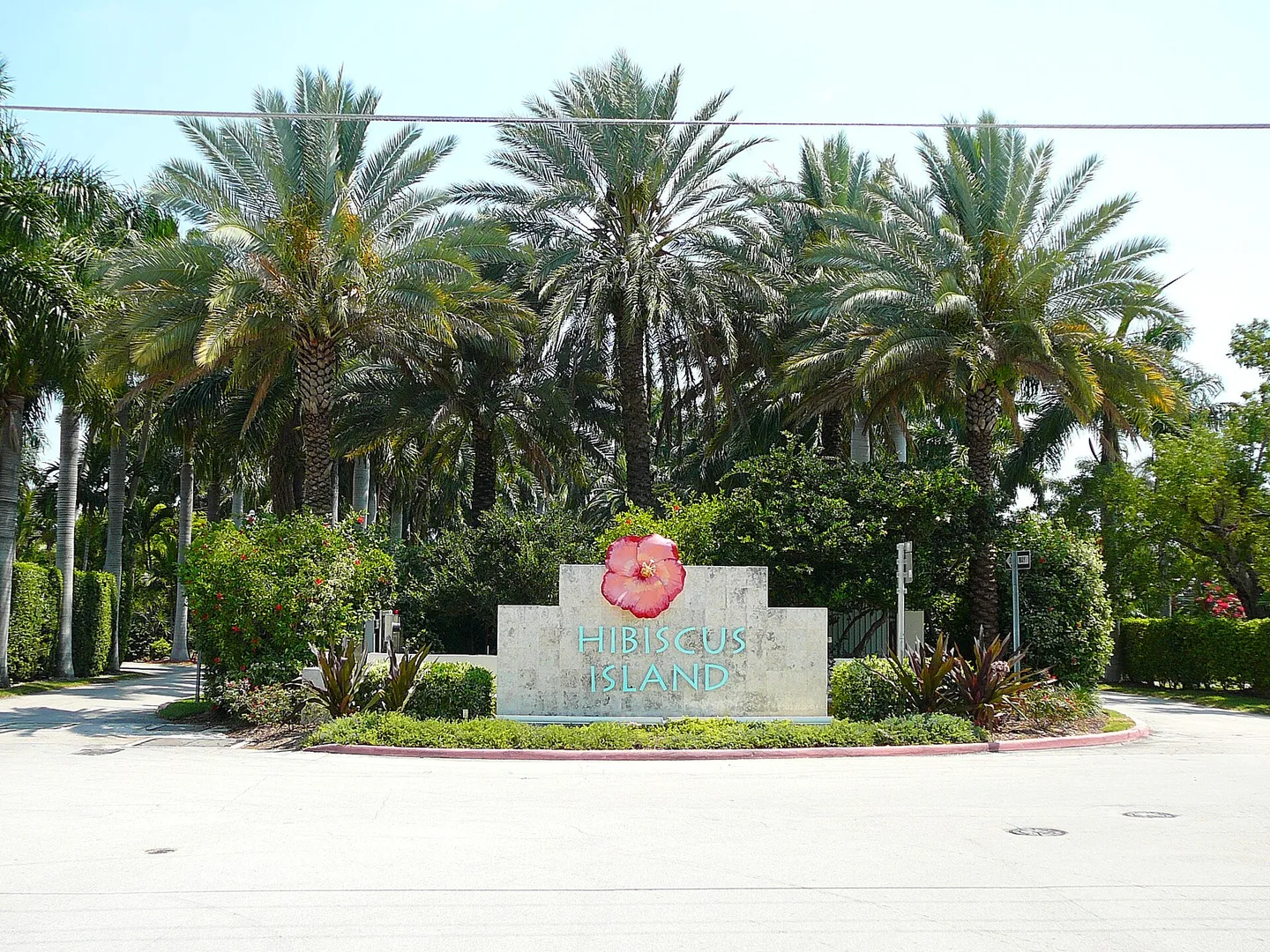
Mainland neighbourhoods feature distinct commercial centres, leafy residential enclaves, and industrial arts pockets that contrast with the sandy eastern coast. Downtown and Brickell form high-density corridors packed with banking towers, cultural institutions, and elevated walkways. Meanwhile, the offshore strip prioritises ocean promenades, preservation architecture, and seaside dining. Knowing which side of the bay holds your destination prevents circular journeys across Biscayne Bay.
Navigating Public Transit and Free Urban Movers
Navigating the central districts does not mandate hiring a private car, provided you understand the public transport options. The mainland features elevated Metrorail tracks alongside Metrobus routes connecting suburban zones. Riders board Metrorail carriages and regional buses using simple contactless tap-to-pay bank cards at fare gates. Inside Downtown and Brickell, the elevated Metromover operates entirely free, looping above street traffic without requiring tickets or transit passes.
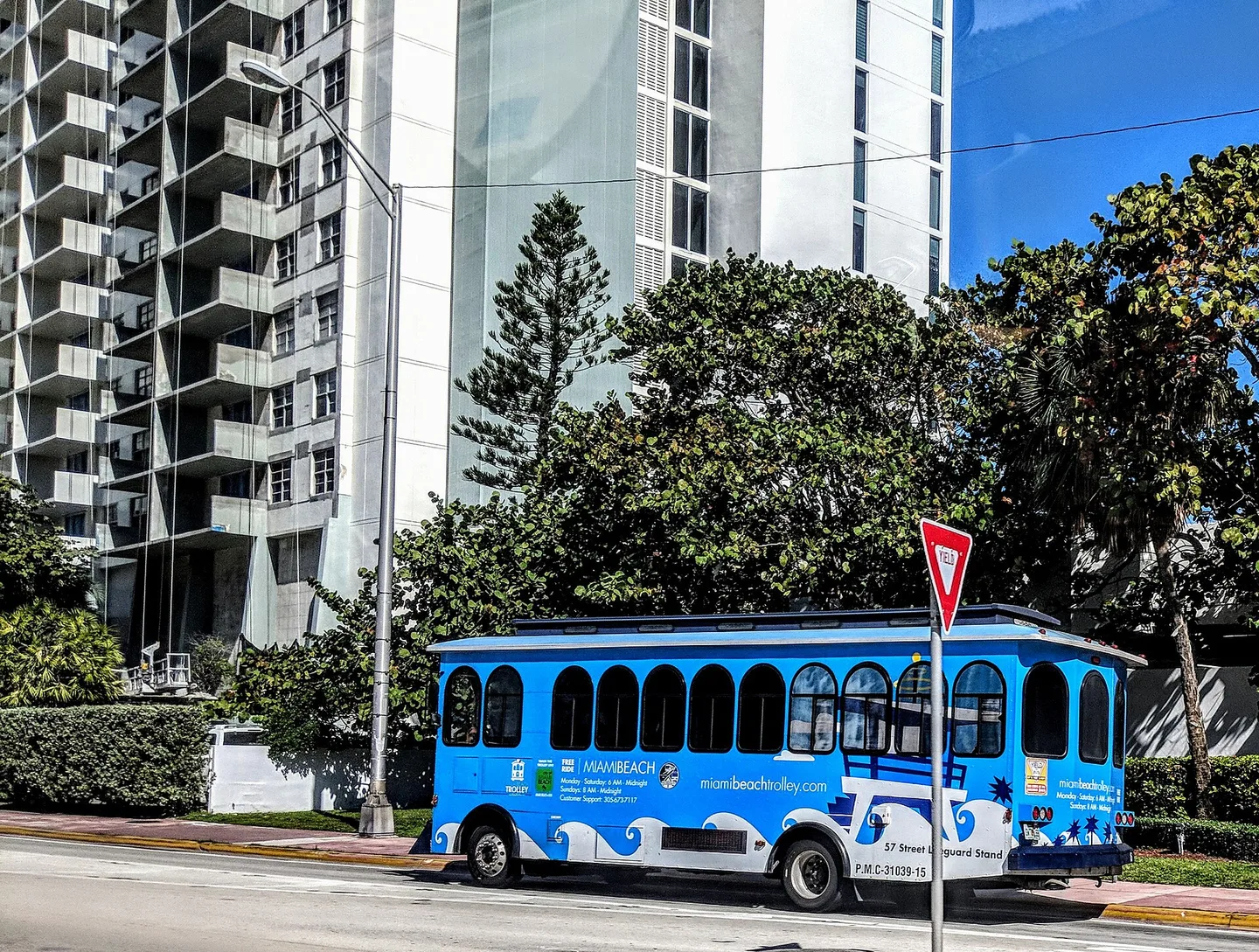
Across the water, Miami Beach operates its own network of complimentary municipal trolleys that travel between northern bays and southern beaches. These colourful vehicles run frequent loops, allowing passengers to hop between hotels, museums, and public beaches without paying fares. Coupling the mainland Metromover with the island trolleys drastically reduces reliance on rideshare apps. Always confirm active municipal loop hours on the city transit portal before planning late evening hops.
| Transit System | Coverage Area | Payment Method | Primary Benefit |
|---|---|---|---|
| Metromover | Downtown and Brickell | Free service | Avoids street gridlock |
| Miami Beach Trolley | Coastal island loops | Free service | Direct beach access |
| Metrorail | Mainland north-south spine | Contactless tap | Airport connectivity |
| Metrobus | Countywide corridors | Contactless tap | Reaches outer suburbs |
Pedestrian travel works well within individual pockets like South Beach or Brickell, but walking between disparate districts is impractical. Distances across causeways prove deceptively long under intense sunshine, making public transit or cycling corridors preferable. When structuring your daily sightseeing route, select activities grouped on one side of the bay before crossing over to sample our mainland mural walks and bayfront parks.
Subtropical Weather Rhythms and Indoor Climates
The regional climate brings intense tropical sunshine paired with sudden meteorological shifts that dictate daily planning. Atlantic hurricane season officially spans from June through November, bringing heightened tropical rainfall between August and October. Summer afternoons frequently produce heavy showers that drench city streets briefly before clearing back into bright blue skies. Carrying a compact umbrella or lightweight waterproof shell inside your daypack remains sensible throughout these warmer months.
Humidity remains elevated across the year, amplifying midday warmth along urban asphalt and open sandy coastlines. In contrast, indoor venues maintain fierce air conditioning that creates a sharp thermal contrast the moment you step inside. Shopping malls, art galleries, restaurants, and transit carriages chill their spaces relentlessly. Packing a light cotton sweater or linen overshirt preserves comfort when transitioning between the tropical exterior and chilly indoor dining rooms.
Sun protection demands serious attention even during overcast winter afternoons, as the southern latitude exposes pedestrians to strong ultraviolet rays. Coastal breezes often mask the strength of the sun, tempting travellers to stay outdoors without adequate shade or hydration. Drinking bottled water consistently throughout outdoor excursions prevents sudden fatigue during long walking tours. Planning museum visits or indoor lunches during peak midday heat helps conserve energy for pleasant coastal evenings.
Dining Etiquette, Gratuities, and Daily Logistics
Dining out across the metropolitan region requires careful attention to bill presentation, particularly along busy oceanfront promenades and resort avenues. Many hospitality venues automatically add an eighteen or twenty percent service charge to the final receipt. Always check your bill closely before adding extra gratuities to avoid unintentional double tipping. If the line item lists service included, any additional tip remains entirely discretionary for exceptional hospitality.
- Check your dining bill thoroughly to detect automatic service charges before signing credit slips.
- Bilingual English and Spanish interactions occur naturally across shops, taxis, and family-run diners.
- Carry digital payment methods or credit cards, as cashless policies prevail across modern retail spaces.
- Drink tap water freely in hotels, though iced water arrives automatically at dining tables.
Spanish serves as an unofficial primary language across many neighbourhoods, reflecting deep cultural roots from Cuba and South America. While hospitality staff speak fluent English, greeting shopkeepers or ordering coffee in Spanish garners warm smiles and immediate rapport. Cashless card transactions dominate most retail establishments, though carrying small dollar bills remains helpful for valet parking attendants and hotel porters. Embracing these local rhythms eases your transition into South Florida life.
Official prices and opening hours
- Miami-Dade Metrorail, Metrobus & MetromoverOfficial site ↗
Where it is
- 1Miami
- Miami International Airport (MIA) · about 11 km from Miami in a straight line
- Directions in Google Maps
Stations and taxi ranks: OpenStreetMap. Airports: OurAirports. Distances are in a straight line.
Traveller tips
Real advice from people who have been to Miami. Every tip is read by our team before it goes live.
No tips yet. Been here? Yours could be the first.
Thank you! Your tip will appear here after a quick review.
More in Miami
Continue exploring Miami with related neighbourhood, food, and planning guides
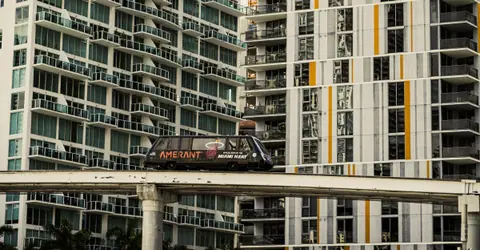
Arriving in Miami by Train, Airport Transit, and Express Causeway Routes
Miami, United States

When to Plan a Miami Trip: Seasons, Heat, and Coastal Rainfall
Miami, United States
What to Wear in Miami: Coastal Fabrics, Evening Attire and Air Conditioning
Miami, United States
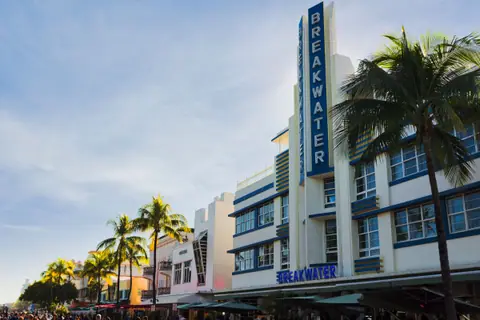
South Beach Guide: Ocean Drive, Art Deco and Lincoln Road
Miami, United States
