
When to Plan a Miami Trip: Seasons, Heat, and Coastal Rainfall
Miami offers gentle winter warmth along the coast and muggy summer downpours, requiring careful timing for outdoor strolls and wilderness trips.
Coastal southern Florida follows a distinct subtropical rhythm that divides the year between crisp sunny mornings and heavy tropical moisture. The dry months bring steady Atlantic breezes and clear skies that make outdoor walks along the seafront exceptionally pleasant. Because this cooler spell offers reliable sunshine, visitors arrive in high numbers to escape cold northern climates. Planning your daily itinerary requires balancing comfortable daytime warmth against heavier foot traffic around waterfront districts.
During this peak winter window, urban promenades and ocean boardwalks fill with early risers, cyclists, and café patrons enjoying mild outdoor seating. Before setting out across the sands, check Miami clothing recommendations to pick breathable layers suitable for cool ocean winds. Humidity remains refreshingly low compared to the summer months, allowing travellers to walk between heritage art collections and beachfront trails without rapid fatigue. The ocean water feels crisp, attracting sunbathers rather than long-distance swimmers.
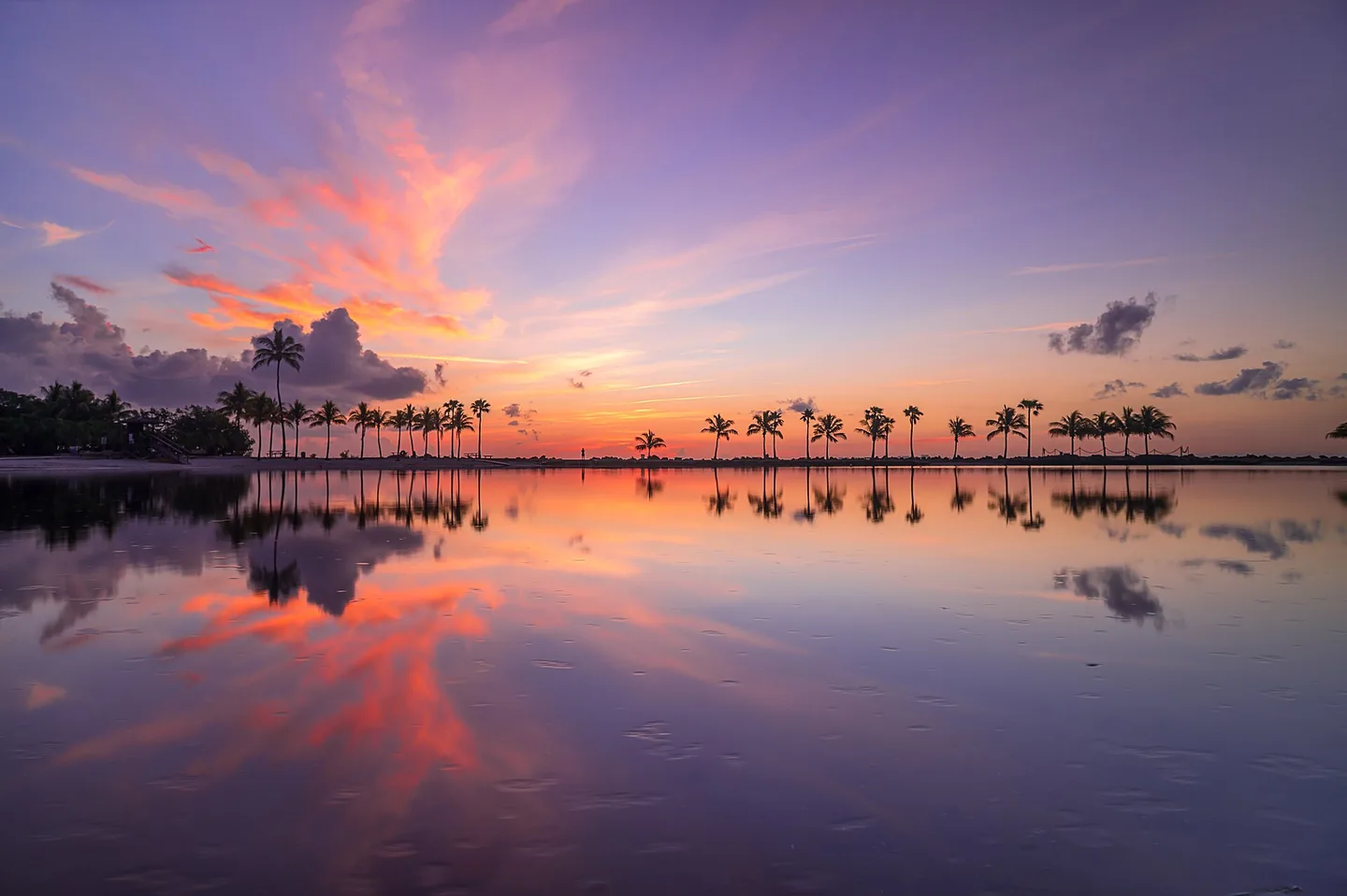
Winter Dry Season and Coastal Sunshine
The winter months bring the steadiest conditions of the year across the barrier islands and mainland neighbourhoods. Extended rainstorms are rare, meaning outdoor excursions rarely face prolonged weather interruptions. Coastal parks remain firm and dry underfoot, offering reliable footing along limestone edges and sandy trails. Because demand peaks during these sunny weeks, securing transport options and reserving dining tables well in advance is essential.
Wildlife watching also reaches its finest window during the cooler dry season as surface water recedes throughout the regional wetlands. Animals gather around deeper ponds, making native birds and reptiles much simpler to spot from marked boardwalk paths. Early mornings make exploring open marshland trails far more pleasant than during the sweltering summer afternoons.
| Travel Window | Atmospheric Character | Wildlife & Activity Focus | Visitor Footfall |
|---|---|---|---|
| Winter (Dry Phase) | Gentle sea breezes, clear blue skies, minimal rain | Wetland birdwatching, architecture walking circuits | Peak numbers across coastal strips |
| Spring (Shoulder Phase) | Rising warmth, moderate humidity, long daylight | Ocean swimming, kayaking through mangrove keys | Moderate levels with manageable queues |
| Summer (Wet Phase) | Heavy midday heat, frequent cloudbursts, muggy air | Early morning beach dips, indoor cultural galleries | Lower overall demand and quieter resorts |
| Autumn (Late Wet Phase) | High moisture, tropical storm watches, warm sea | Wilderness exploration along elevated boardwalks | Selective arrivals with intermittent rain |
While the atmosphere stays pleasant, winter evenings can occasionally drop into cooler territory when northern fronts push down the peninsula. Carrying an extra windbreaker helps maintain comfort during open-air dinners near the bay. The absence of intense humidity also makes cycling along shaded municipal pathways a delightful option for active travellers.
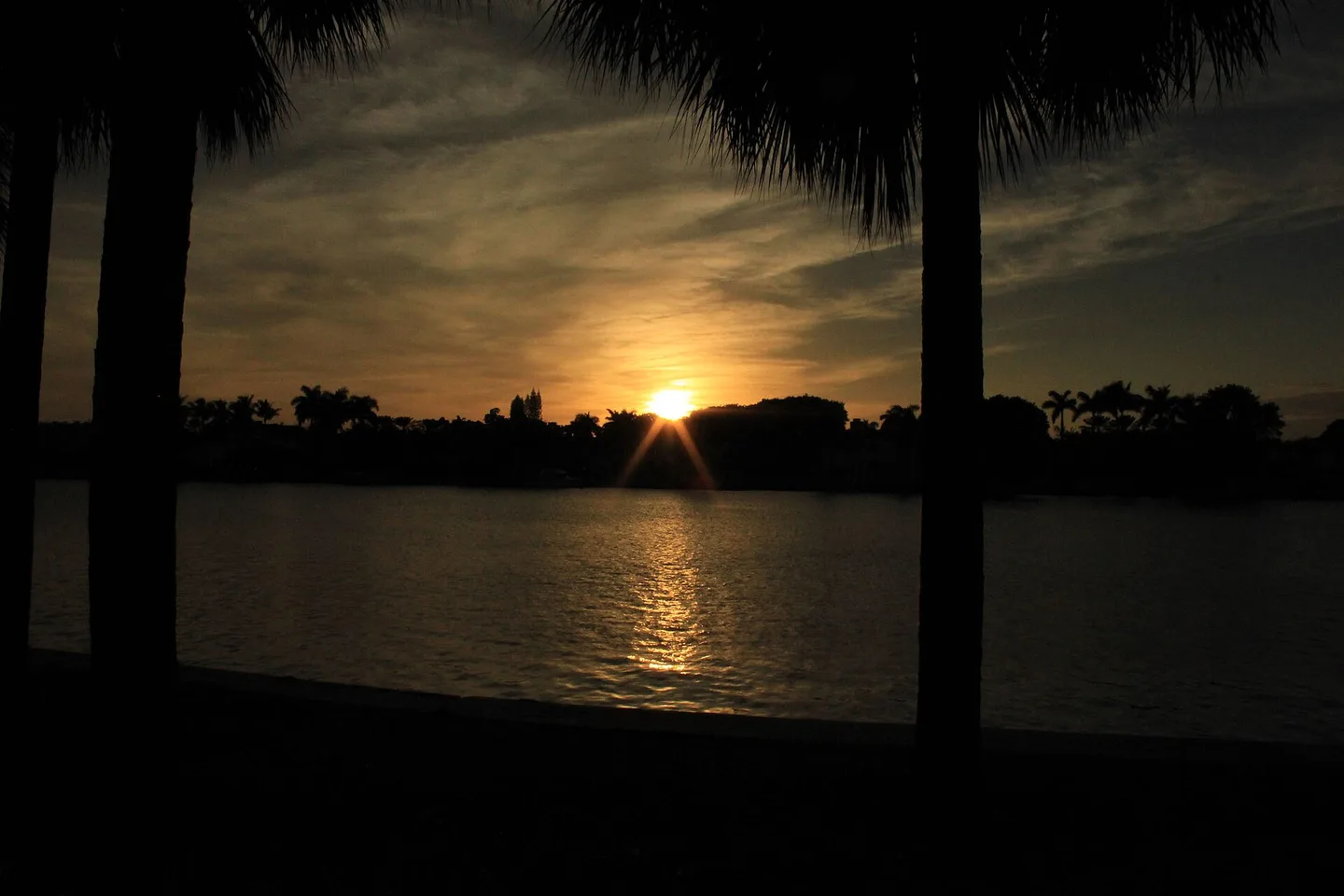
Spring Transition and Comfortable Beach Days
Spring marks an appealing balance between winter crowds and summer downpours, offering warmer waters and manageable visitor numbers. Daytime conditions warm up noticeably, yet coastal breezes keep the urban centres comfortable for prolonged foot exploration. Ocean temperatures rise enough to encourage comfortable swimming along open sandy stretches. Review the South Beach neighbourhood overview to discover quieter morning swimming pockets away from dense activity.
May brings the earliest shifts toward tropical moisture, with humidity rising gradually over several consecutive weeks. Gardens and protected mangrove preserves turn vivid green as fresh plant growth responds to longer daylight and warmer soils. Outdoor dining along shaded avenues remains delightful before midday temperatures peak. Walking through leafy residential districts offers lovely natural shade against the bright midday sun.
- Pack lightweight linen shirts and broad-brimmed hats to handle the intensifying spring midday sun.
- Carry refillable metal water bottles during extended boardwalk strolls to manage steady hydration.
- Schedule open-water paddling trips for calm morning hours before thermal sea breezes pick up.
- Visit public gardens during early daylight to photograph tropical blooms before afternoon warmth peaks.
Because spring represents a transitional shoulder window, flight routes and regional lodgings frequently offer greater flexibility than during the dense winter peak. Travellers find more room on public sands and easier access to local cultural venues without long advance queues.
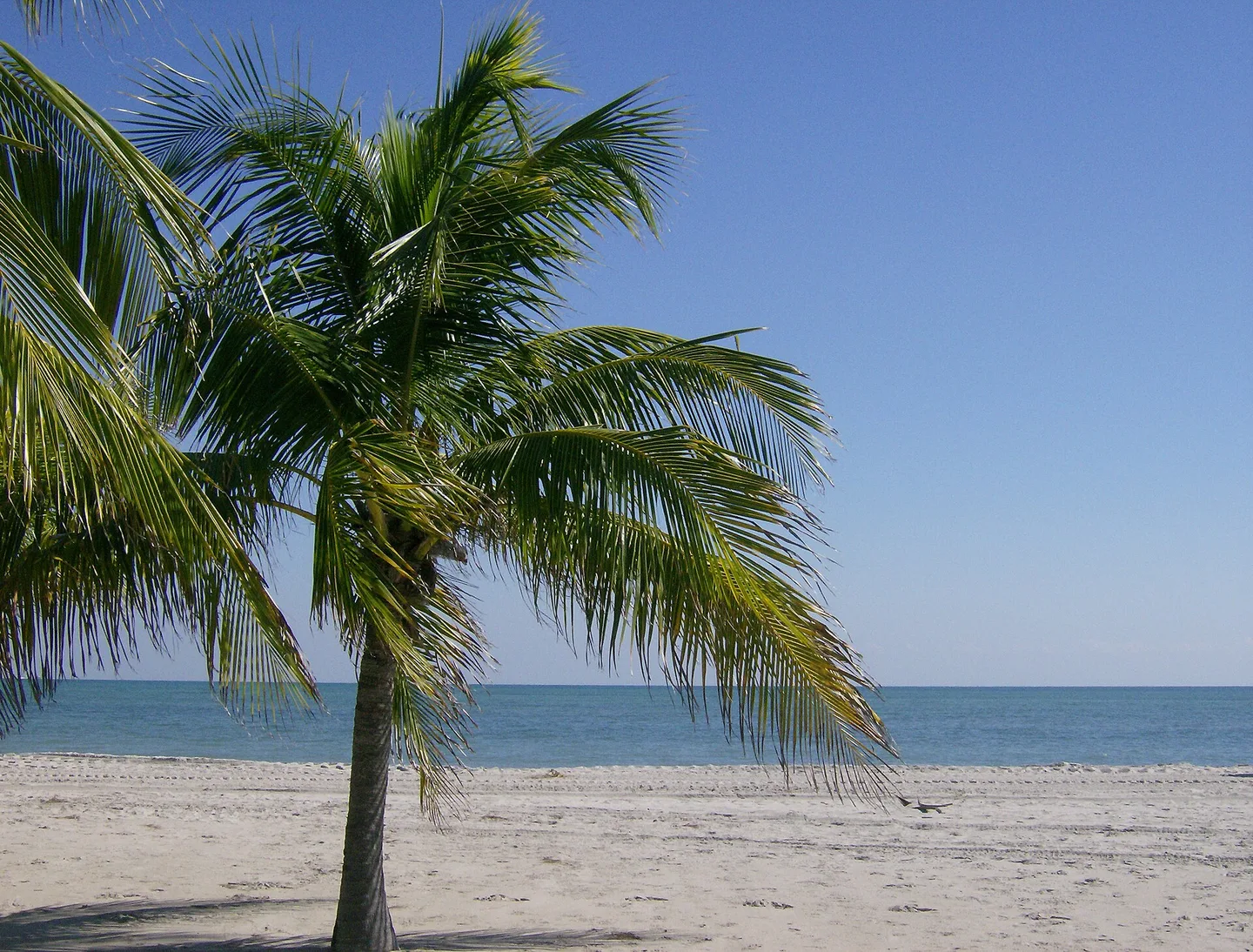
Summer Tropical Downpours and Ocean Heat
Summer brings the full weight of the subtropical climate, characterized by soaring heat, thick humidity, and warm Atlantic ocean waters. Mornings often begin with bright sunshine and glassy sea conditions ideal for an early swim. By early afternoon, convection clouds build inland and roll toward the coast, producing sudden, intense downpours accompanied by rumbling thunder. These storms usually clear within an hour, leaving washed pavements and heavy, lingering moisture behind.
Travellers visiting during these mid-year months should structure their days around two distinct activity blocks. Outdoor sightseeing works best during early morning hours, while afternoons are well suited for air-conditioned museums and quiet dining. The Miami activities guide details gallery collections and historic indoor estates for rain-prone afternoons. Coastal hotels often offer quieter pool terraces, allowing for peaceful stays if you adapt your daily rhythm to the rain patterns.
Swimming in the ocean during summer feels like stepping into a warm bath, which suits recreational bathers who dislike brisk Atlantic currents. However, the combination of heat and humidity requires careful personal care to avoid sudden dehydration. Regular breaks in shaded public pavilions help maintain physical energy throughout longer days out.
Autumn Storm Watch and Everglades Excursions
Autumn continues the wet summer conditions while introducing the official peak of the Atlantic tropical cyclone window. Passing weather disturbances can bring several days of heavy rain, brisk wind, and elevated coastal surf. Checking reliable regional weather forecasts each morning becomes essential when planning road journeys across southern Florida causeways. Modern storm tracking allows plenty of advance preparation, ensuring you can adjust travel days if an offshore front develops.
By late autumn, rain showers become less frequent and humidity begins its steady downward retreat toward winter baselines. This seasonal turning point makes excursions into wetland preserves increasingly rewarding as water levels drop and trails dry out. The Miami trip planning guide assists in coordinating car transfers and regional stops across South Florida. The landscape transforms as migrating birds arrive along coastal flyways, creating fine opportunities for wildlife observation.
The shift toward drier air makes outdoor markets and evening walks along the marinas thoroughly enjoyable once again. Choosing this late shoulder period allows travellers to experience the region just before winter crowds arrive in full force.
Weather by month
Miami is warmest in July, with average highs around 31°C, and coldest in January, when nights drop to about 17°C. June is the wettest month by rainfall (222 mm), with rain on about 23 days. For mild weather with fewer rainy days, aim for January, February, March, November and December.
| Month | Low | Range | High | Rain | Rainy days |
|---|---|---|---|---|---|
| Jan | 17°C | 24°C | 79 mm | 11 d | |
| Feb | 19°C | 25°C | 64 mm | 11 d | |
| Mar | 20°C | 26°C | 64 mm | 10 d | |
| Apr | 22°C | 28°C | 84 mm | 12 d | |
| May | 23°C | 29°C | 150 mm | 16 d | |
| Jun | 25°C | 30°C | 222 mm | 23 d | |
| Jul | 26°C | 31°C | 131 mm | 22 d | |
| Aug | 26°C | 31°C | 162 mm | 25 d | |
| Sep | 25°C | 30°C | 202 mm | 24 d | |
| Oct | 24°C | 29°C | 149 mm | 19 d | |
| Nov | 21°C | 27°C | 104 mm | 13 d | |
| Dec | 19°C | 25°C | 94 mm | 11 d |
Averages of daily values from 2015 to 2024. Rainy days are days with at least 1 mm of rain. Source: Open-Meteo · Compare destinations by month.
Official prices and opening hours
- Everglades National Park (Shark Valley & Homestead Gates)Official site ↗
Where it is
- 1Miami
- Miami International Airport (MIA) · about 11 km from Miami in a straight line
- Directions in Google Maps
Stations and taxi ranks: OpenStreetMap. Airports: OurAirports. Distances are in a straight line.
Traveller tips
Real advice from people who have been to Miami. Every tip is read by our team before it goes live.
No tips yet. Been here? Yours could be the first.
Thank you! Your tip will appear here after a quick review.
More in Miami
Continue exploring Miami with related neighbourhood, food, and planning guides
Miami Travel Essentials: City Layout, Transit, and Local Customs
Miami, United States

Best Things to Do in Miami
Miami, United States
Arriving in Miami by Train, Airport Transit, and Express Causeway Routes
Miami, United States
What to Wear in Miami: Coastal Fabrics, Evening Attire and Air Conditioning
Miami, United States
