Where to Stay in Miami: Neighbourhoods from Ocean to Bay
Choosing where to base yourself shapes your experience of Miami, balancing breezy coastal strips against connected mainland centres.
Deciding where to establish your base across Miami depends largely on how you wish to spend your mornings. Staying directly along the barrier island puts the Atlantic shoreline on your doorstep, while mainland bases offer rapid rail links. Many visitors pairing beach days with cultural sights divide their time between both environments. Others prefer to select one distinct quarter for their entire holiday. You can review arrival hubs and routes in our guide to Miami transport options before reserving hotel rooms.
Transport choices directly influence how easily you can travel between mainland districts and the sand. Causeways link the coastal barrier islands to central rail corridors across Biscayne Bay. Traffic across these bridges can peak during busy late afternoon hours. Selecting a neighbourhood that aligns with your daily itinerary helps limit unnecessary cross-bay travel.
South Beach and Mid-Beach: Coastal Character and Quiet Retreats
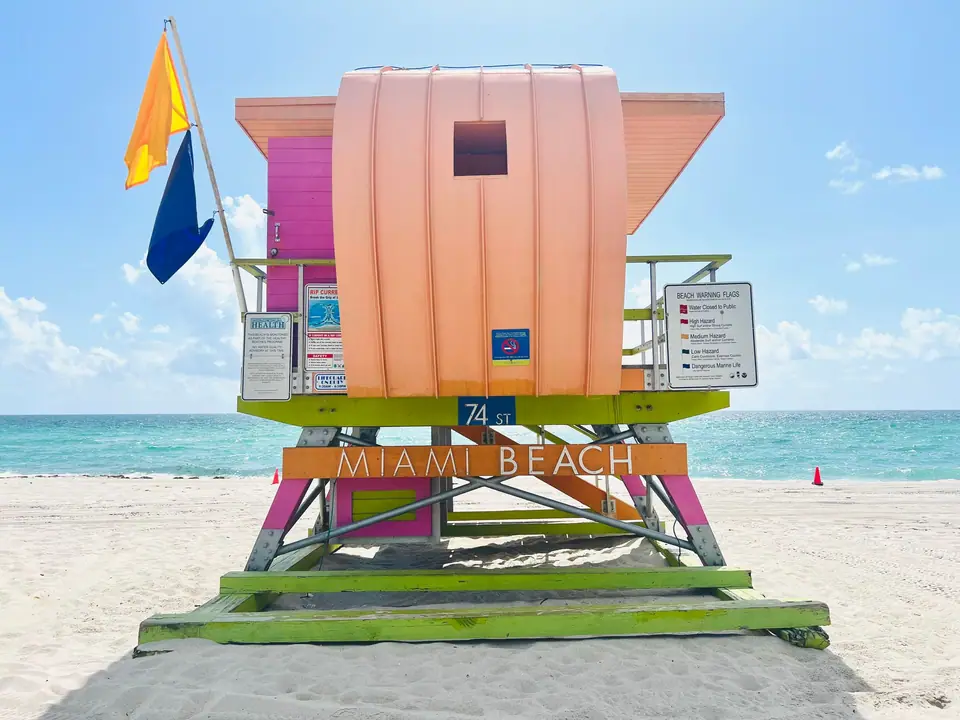
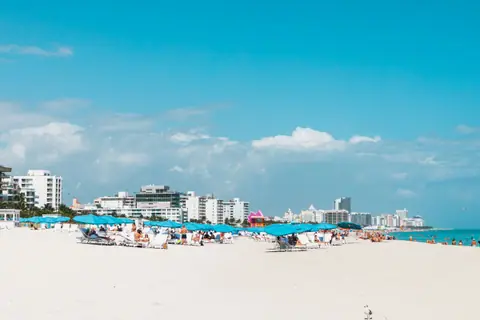
South Beach remains celebrated for its pastel architecture and uninterrupted oceanfront. Staying here makes early morning ocean swims and strolls along the sand completely effortless. The southern blocks around Ocean Drive feature open-air terraces and lively music venues that stay active late. If you prefer calmer evenings, look for rooms set north of seventeenth street or around Collins Park. These northern blocks retain classic coastal character while offering quieter residential lanes.
Continuing further north leads into Mid-Beach, an elegant stretch marked by expansive resort properties. These hotels back directly onto the coastal boardwalk and offer deep swimming pools. The district suits travellers seeking ocean views without the dense foot traffic found further south. Keep resort charges in mind when calculating room costs, as oceanfront hotels frequently add daily facility fees. Packing light linen layers suggested in our Miami packing guide keeps you comfortable along breezy seaside promenades.
Morning bicycle rides along the coastal boardwalk offer sweeping views across the Atlantic surf. Local bike rental stations stand near major beach access points throughout both districts. Pedestrian pathways separate cyclists from motor traffic along the oceanfront. This arrangement allows easy movement between casual cafes, juice bars, and sunbathing spots without needing a car.
Brickell and Downtown: Mainland Transit and Urban Convenience
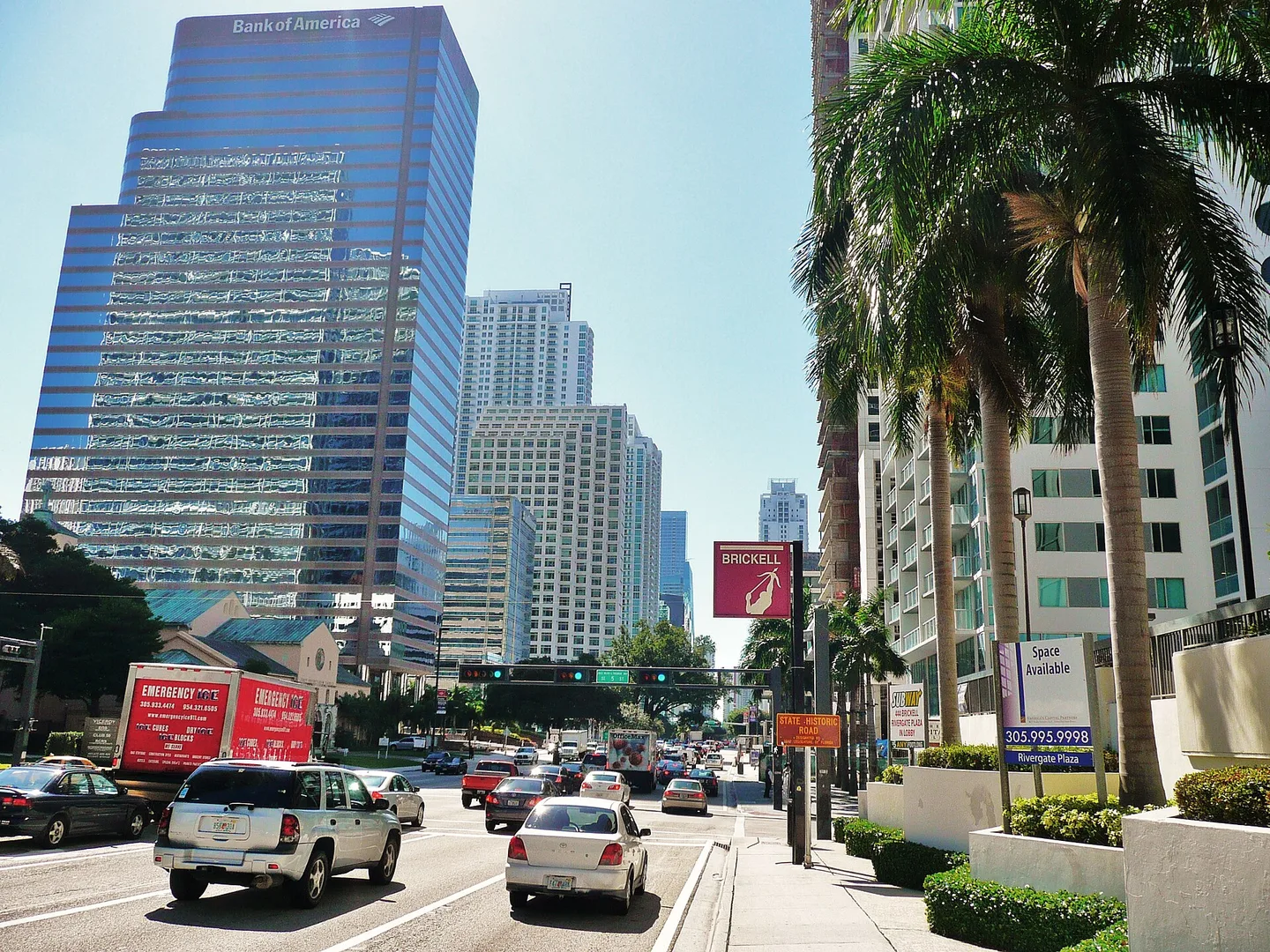
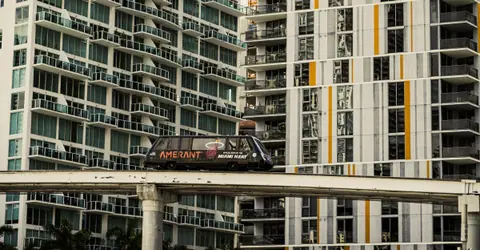
Brickell serves as the primary financial district, filled with gleaming glass towers and leafy pedestrian avenues. Choosing a hotel here places you right beside mainland dining rooms and open shopping plazas. Direct access to the Metrorail Orange Line offers a straightforward route straight to Miami International Airport. Elevated Metromover loops also circle the district without charge, connecting hotels, offices, and cultural spaces.
Downtown sits just across the river from Brickell, offering immediate access to modern bayside parks and performance halls. This mainland location proves particularly practical if you plan to board a morning cruise ship. It also gives quick access to intercity Brightline rail services heading north towards Fort Lauderdale and Orlando. Staying in the urban core eliminates the need for a private hire car during daily dining. You can easily walk to evening restaurants along the riverfront promenades.
Urban towers in Brickell and Downtown also house rooftop swimming pools overlooking Biscayne Bay. These elevated pools provide panoramic views across the port and barrier islands. Business travellers and urban explorers appreciate the proximity to international consulates and corporate offices. Dining options range from casual food halls to fine riverside terraces.
Coconut Grove and Coral Gables: Shaded Waterfronts and Historic Enclaves
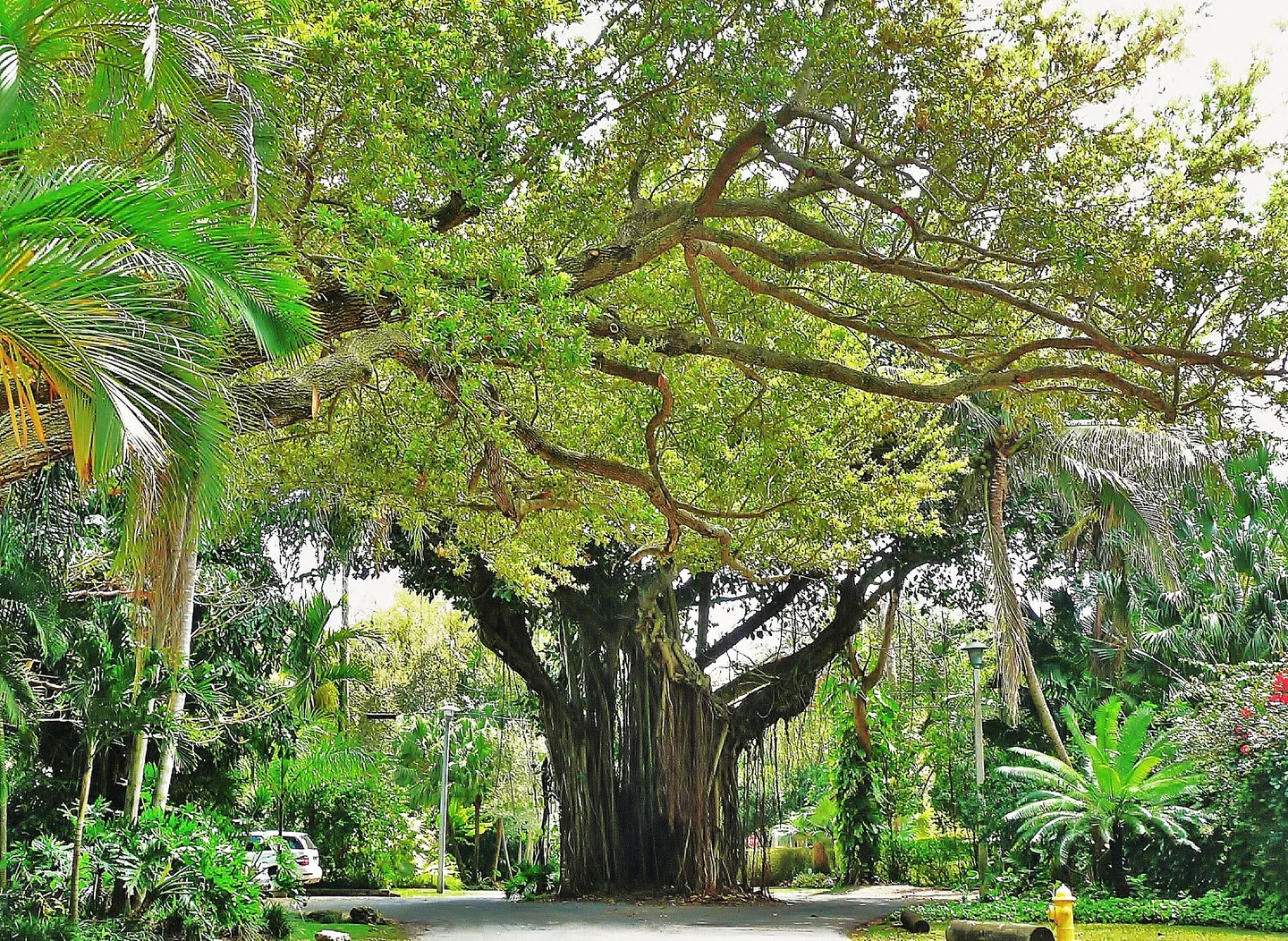
Coconut Grove stands as Miami's oldest continuously inhabited community along the calm waters of Biscayne Bay. Ancient banyan canopies shade its winding streets, creating a distinctive village atmosphere. The neighbourhood features independent coffee shops, sailing marinas, and open-air bistros. Staying here gives you a peaceful retreat located a short ride from the historic grounds of Vizcaya. It offers an appealing base for travellers who prefer quiet residential walks over fast nightlife.
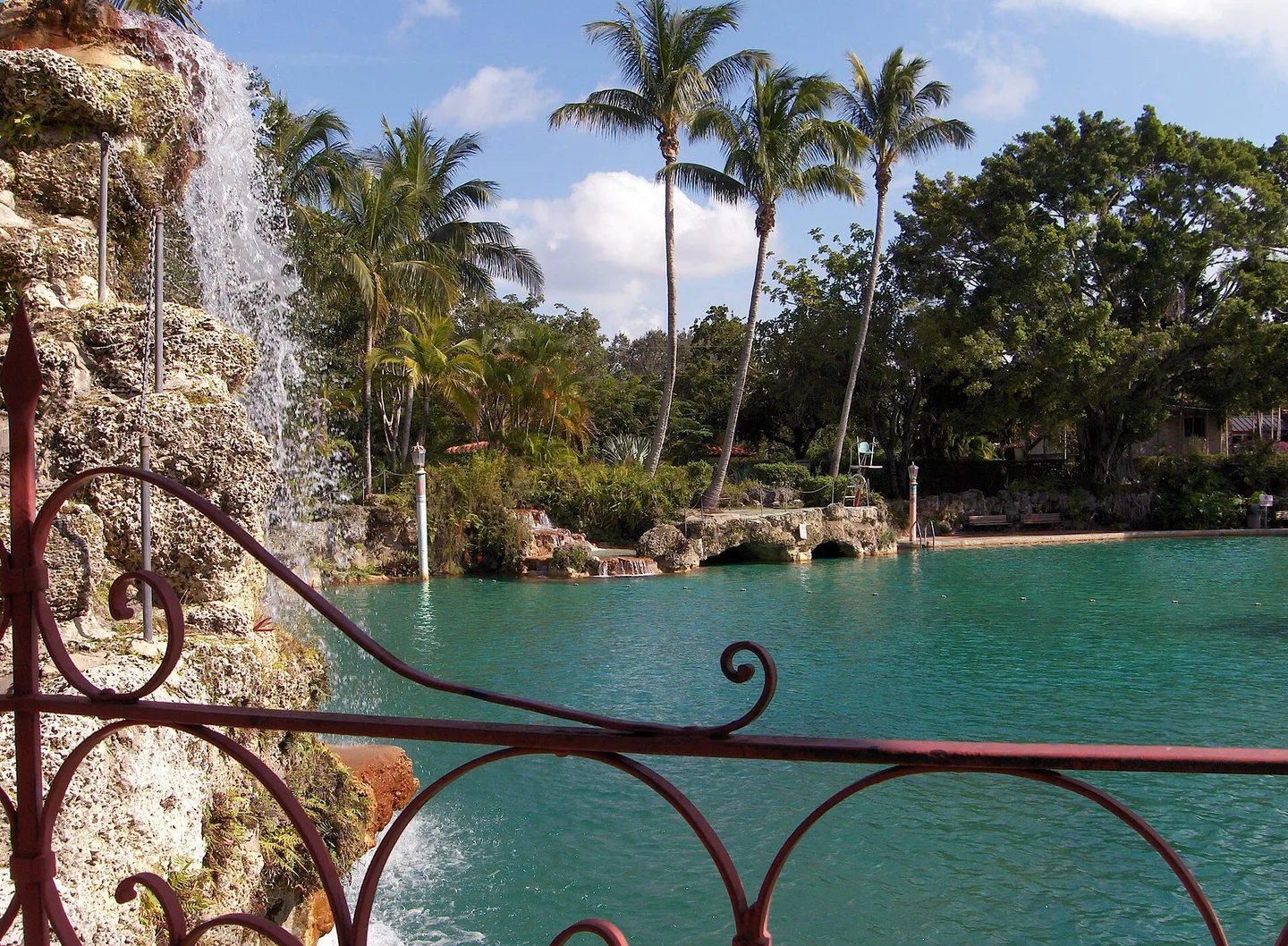
Just inland from the bay, Coral Gables presents wide tree-lined boulevards and Mediterranean revival architecture. The district provides a tranquil mainland alternative filled with local bookshops, garden cafes, and fountains. Swimmers can enjoy the landmark public Venetian Pool carved from native coral rock. While you will rely on taxis or local buses to reach the ocean, the peaceful streets offer exceptional rest. It suits families and couples who prioritise architectural charm and courtyard dining over immediate beach access.
The surrounding residential avenues feature lush tropical landscaping and quiet residential parks. Shaded sidewalks invite long morning jogs and unhurried afternoon coffee breaks. Boutiques and open-air shopping arcades line Miracle Mile in central Coral Gables. Free municipal trolleys also serve key routes through both neighbourhoods, connecting shops with local transit points.
Comparing Miami Neighbourhoods for Your Stay
To help you select the ideal quarter for your journey, we have compiled the core characteristics of each prominent base. Consider your daily priorities regarding shoreline recreation, mainland rail links, and evening noise levels before confirming reservations.
| Neighbourhood | Primary Atmosphere | Transit Connections | Best Suited For |
|---|---|---|---|
| South Beach | Historic Art Deco streets, active shoreline, and lively nightlife | Local buses, cycling routes, and coastal taxis | Beach lovers, swimmers, and fans of historic seaside architecture |
| Mid-Beach | Spacious oceanfront resort hotels with direct boardwalk access | Boardwalk walks, city buses, and ride-hailing | Relaxed resort stays, quieter beach days, and family escapes |
| Brickell & Downtown | Urban high-rises, bayside towers, and dynamic dining | Metrorail Orange Line, Brightline rail, and free Metromover | Car-free stays, airport transit ease, and cruise departures |
| Coconut Grove | Canopied bayfront lanes, sailing marinas, and independent cafes | Feeder buses, nearby Metrorail, and pleasant walking paths | Shaded walks, maritime views, and laid-back evening meals |
Each district captures a distinct dimension of the city, from oceanfront sunrises to shaded bayfront avenues. Combining two neighbourhoods during an extended holiday allows you to enjoy both the coastal rhythm and mainland rail connections. Whichever area you choose, planning around transit corridors guarantees smooth movement across south Florida.
Official prices and opening hours
- Miami-Dade Metrorail, Metrobus & MetromoverOfficial site ↗
Where it is
- 1Miami
- Miami International Airport (MIA) · about 11 km from Miami in a straight line
- Directions in Google Maps
Stations and taxi ranks: OpenStreetMap. Airports: OurAirports. Distances are in a straight line.
Traveller tips
Real advice from people who have been to Miami. Every tip is read by our team before it goes live.
No tips yet. Been here? Yours could be the first.
Thank you! Your tip will appear here after a quick review.
More in Miami
Continue exploring Miami with related neighbourhood, food, and planning guides
Miami Travel Essentials: City Layout, Transit, and Local Customs
Miami, United States

Best Things to Do in Miami
Miami, United States
Arriving in Miami by Train, Airport Transit, and Express Causeway Routes
Miami, United States

When to Plan a Miami Trip: Seasons, Heat, and Coastal Rainfall
Miami, United States
