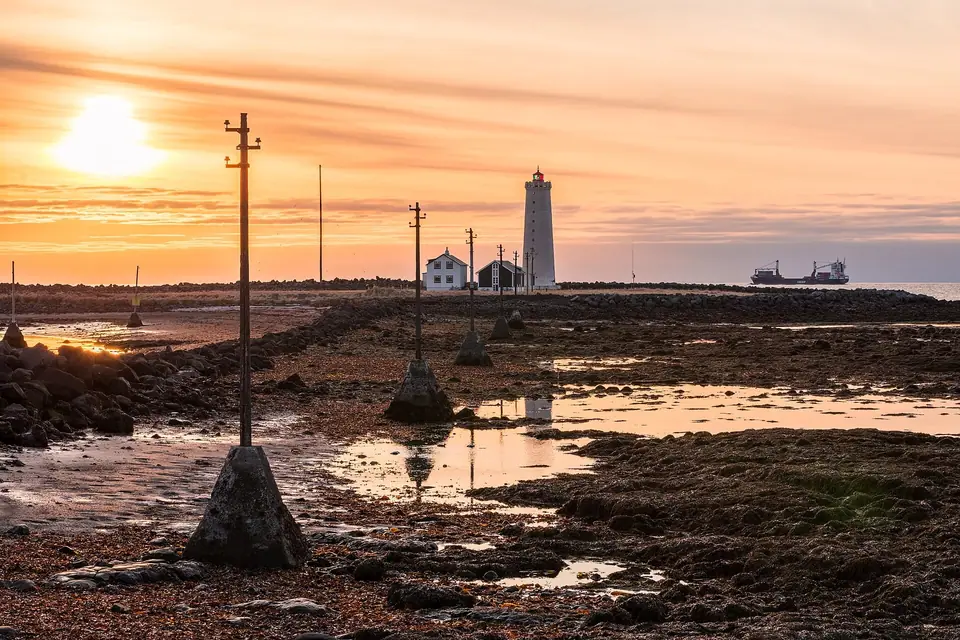
Reykjavik Seasonal Guide: Midnight Sun, Puffins, Auroras and Road Openings
Reykjavik offers contrasting seasonal rhythms shaped by the warm Irminger Current, bringing midnight sun summers and dark aurora skies.
Maritime Climate Patterns and Coastal Temperatures
Reykjavik sits right along the southwestern edge of Iceland, where the North Atlantic sets the daily atmospheric tone throughout every season. Despite resting just below the Arctic Circle, the capital experiences tempered extremes due to the Irminger Current. This branch of the Gulf Stream sweeps warm saline ocean water along the southern coast. Winter temperatures in January generally register an average low around -3.0°C. That figure remains far milder than continental destinations located at similar northern latitudes. Summer days in July reach average highs of 13.5°C, creating cool and temperate conditions for walking through the city centre.
Rainfall variations between the summer and autumn months require careful consideration when planning outdoor excursions along Faxafloi Bay. July stands out as the driest month on average, recording roughly 85 mm of precipitation across scattered Atlantic showers. In contrast, October brings the wettest weather of the year, averaging 158 mm of rainfall driven by active coastal low-pressure systems. Sudden wind shifts can bring swift changes in ambient temperature within a few hours. Packing windproof layers from our guide on what to wear helps protect against biting coastal breezes while exploring.
Summer Daylight, Midnight Sun and Offshore Puffins
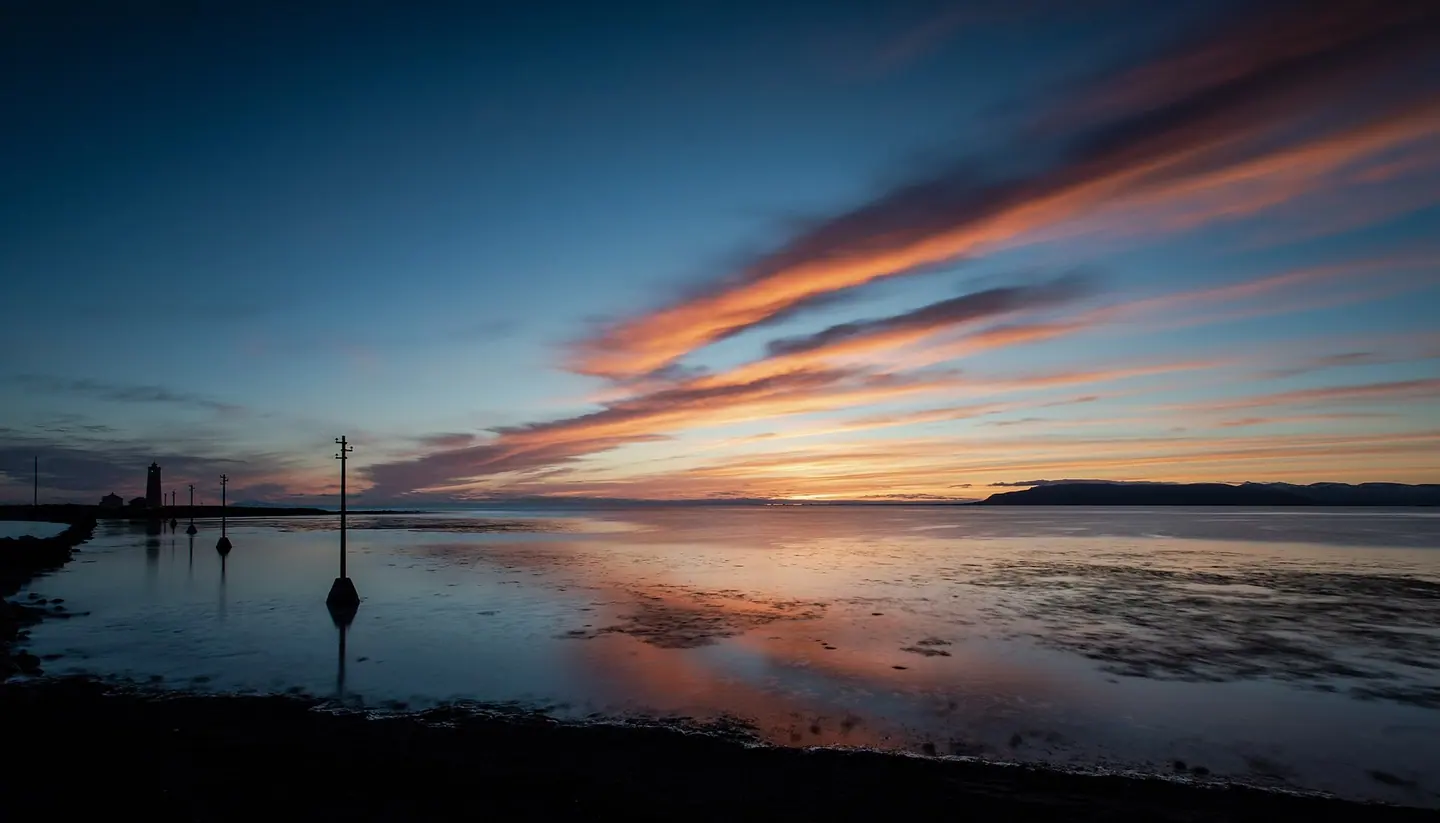
Midsummer introduces an extraordinary expansion of natural daylight across the capital, peaking during the summer solstice between 20 June and 22 June. During this bright window, the sun barely dips below the northern horizon. This pattern brings over 21 daylight hours and glowing twilight through the remaining night. These bright evenings allow visitors to wander along the harbour front or take late coastal walks long after standard evening hours. Long days also grant drivers clear visibility when completing scenic drives described in our guide to South Coast waterfalls and Snaefellsnes day trips.
Wildlife activity reaches its annual height during these luminous summer months across the coastal waters of Faxafloi Bay. Atlantic puffins arrive at their regional nesting grounds on rocky offshore islands like Akurey and Lundey starting in May. These breeding colonies remain active through mid-August before the birds return to open ocean waters for the winter. Meanwhile, seasonal interior highland tracks known as F-roads generally open to modified vehicles by late June or early July. This opening occurs once winter snow melts entirely from the inland valleys.
Autumn Transitions and Winter Aurora Windows
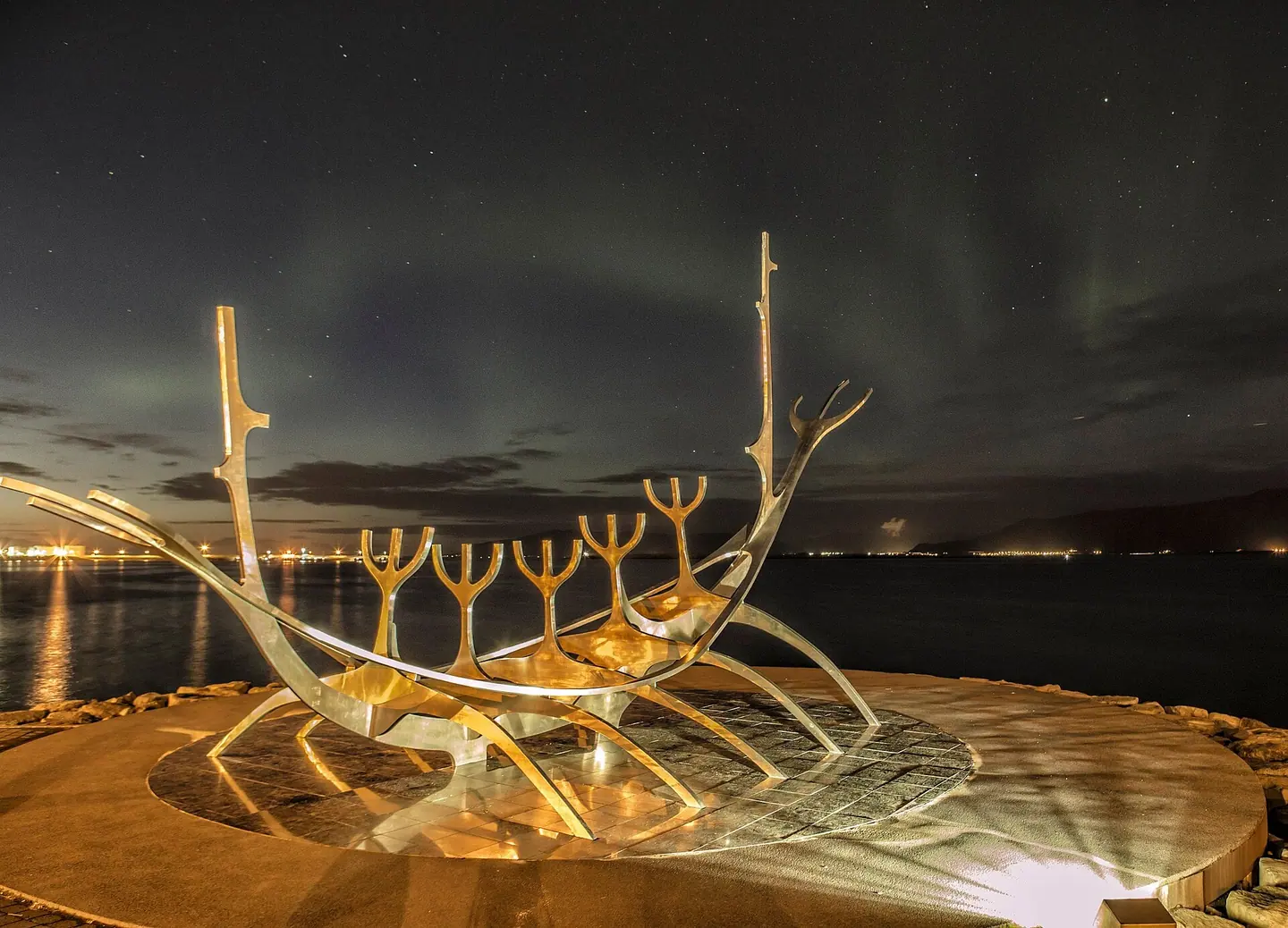
As September arrives, daylight drops rapidly by several minutes each day, transforming the capital into an autumn landscape with crisp sub-polar air. The return of true astronomical darkness in late August opens the viewing window for the Northern Lights, which extends right through until mid-April. Solar wind particles colliding with the upper atmosphere create green ribbons that ripple across clear dark night skies. Observers tracking clear intervals with our northern lights forecast and whale watching guide often head away from street lamps towards the Grotta lighthouse.
Deep winter brings a distinct atmosphere to the capital as daylight contracts towards four hours around the winter solstice in late December. Snow flurries dust church spires and corrugated iron rooftops, while urban geothermal swimming pools offer steamy refuges from chilly winds. Sub-zero spells can coat city pavements in thin ice, making sturdy footwear advisable when strolling between museums and cafes. Those exploring the compact districts detailed in our primary Reykjavik guide will discover that thermal heating keeps cultural venues warm throughout the darkest months.
Seasonal Comparison Across the Icelandic Year
Selecting the ideal month depends largely on whether your itinerary prioritises nocturnal auroras, hiking access, or nesting seabirds. The following overview highlights the meteorological conditions, natural lighting, and principal wildlife highlights across the four main travel seasons:
| Season | Daylight Context | Weather Characteristics | Key Seasonal Highlights |
|---|---|---|---|
| Summer (Jun–Aug) | 21+ hours near solstice, twilight nights | Highs around 13.5°C, driest month July (85 mm) | Midnight sun, nesting puffins, highland F-roads open |
| Autumn (Sep–Oct) | Rapidly decreasing daylight, dark nights | Cooling air, wettest month October (158 mm) | Early aurora displays, golden valley moss, fewer crowds |
| Winter (Nov–Mar) | Short days (4 to 6 hours), long dark nights | Lows around -3.0°C in January, coastal snow | Prime aurora viewing, frozen city lakes, geothermal bathing |
| Spring (Apr–May) | Lengthening days, bright evenings | Thawing frost, crisp breezes, warming afternoons | Returning seabird colonies, quieter trails, late auroras |
Perlan and Hallgrimskirkja Tower both maintain panoramic viewing platforms overlooking the Faxafloi coastline. These vantage points reveal how changing polar light illuminates surrounding ocean waters and volcanic ridges across contrasting seasons.
Weather by month
Reykjavik is warmest in July, with average highs around 14°C, and coldest in January, when nights drop to about -3°C. October is the wettest month by rainfall (158 mm), with rain on about 18 days.
| Month | Low | Range | High | Rain | Rainy days |
|---|---|---|---|---|---|
| Jan | -3°C | 2°C | 152 mm | 18 d | |
| Feb | -3°C | 2°C | 151 mm | 17 d | |
| Mar | -2°C | 3°C | 133 mm | 17 d | |
| Apr | 1°C | 6°C | 132 mm | 17 d | |
| May | 4°C | 9°C | 122 mm | 19 d | |
| Jun | 7°C | 12°C | 94 mm | 16 d | |
| Jul | 9°C | 14°C | 85 mm | 16 d | |
| Aug | 8°C | 13°C | 105 mm | 14 d | |
| Sep | 6°C | 10°C | 137 mm | 18 d | |
| Oct | 3°C | 7°C | 158 mm | 18 d | |
| Nov | 0°C | 4°C | 129 mm | 16 d | |
| Dec | -3°C | 2°C | 135 mm | 18 d |
Averages of daily values from 2015 to 2024. Rainy days are days with at least 1 mm of rain. Source: Open-Meteo · Compare destinations by month.
Official prices and opening hours
- Perlan (Wonders of Iceland)Official site ↗
- Hallgrimskirkja TowerOfficial site ↗
Where it is
- 1Reykjavik
- Keflavik International Airport (KEF) · about 37 km from Reykjavik in a straight line
- Directions in Google Maps
Stations and taxi ranks: OpenStreetMap. Airports: OurAirports. Distances are in a straight line.
Traveller tips
Real advice from people who have been to Reykjavik. Every tip is read by our team before it goes live.
No tips yet. Been here? Yours could be the first.
Thank you! Your tip will appear here after a quick review.
More in Reykjavik
Continue exploring Reykjavik with related neighbourhood, food, and planning guides
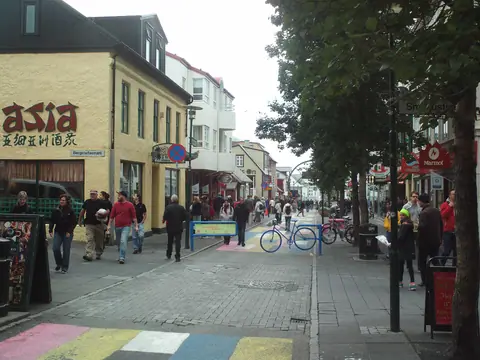
Where to Stay in Reykjavik: Midborg, Old Harbour, Thingholt and Laugardalur
Reykjavik, Iceland
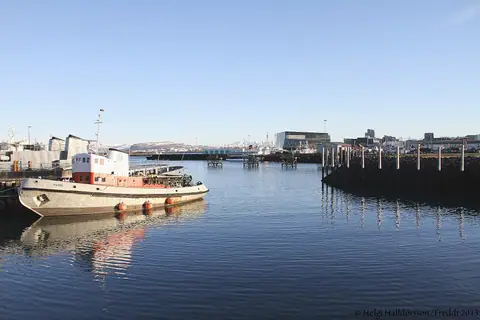
3 Days in Reykjavik: Midborg Landmarks, Golden Circle and South Coast
Reykjavik, Iceland
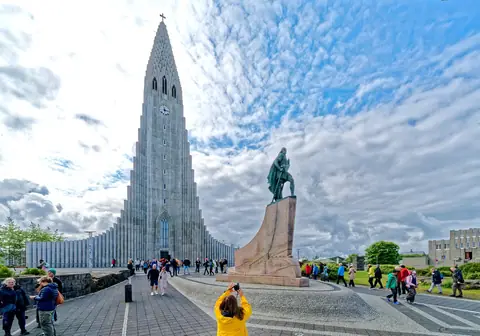
Reykjavik Waterfront and Hilltop Landmarks: Architecture Guide
Reykjavik, Iceland
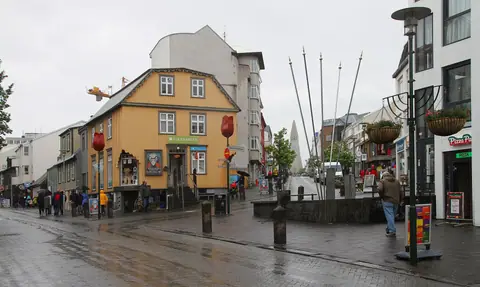
Downtown Midborg Walk: Rainbow Street, Austurvollur, Tjornin and Old Harbour
Reykjavik, Iceland
