Downtown Midborg Walk: Rainbow Street, Austurvollur, Tjornin and Old Harbour
Our downtown walking route explores corrugated timber homes, parliament architecture, urban birdlife, and old maritime quays across central Reykjavik.
Rainbow Street and the Timber Heritage of Midborg
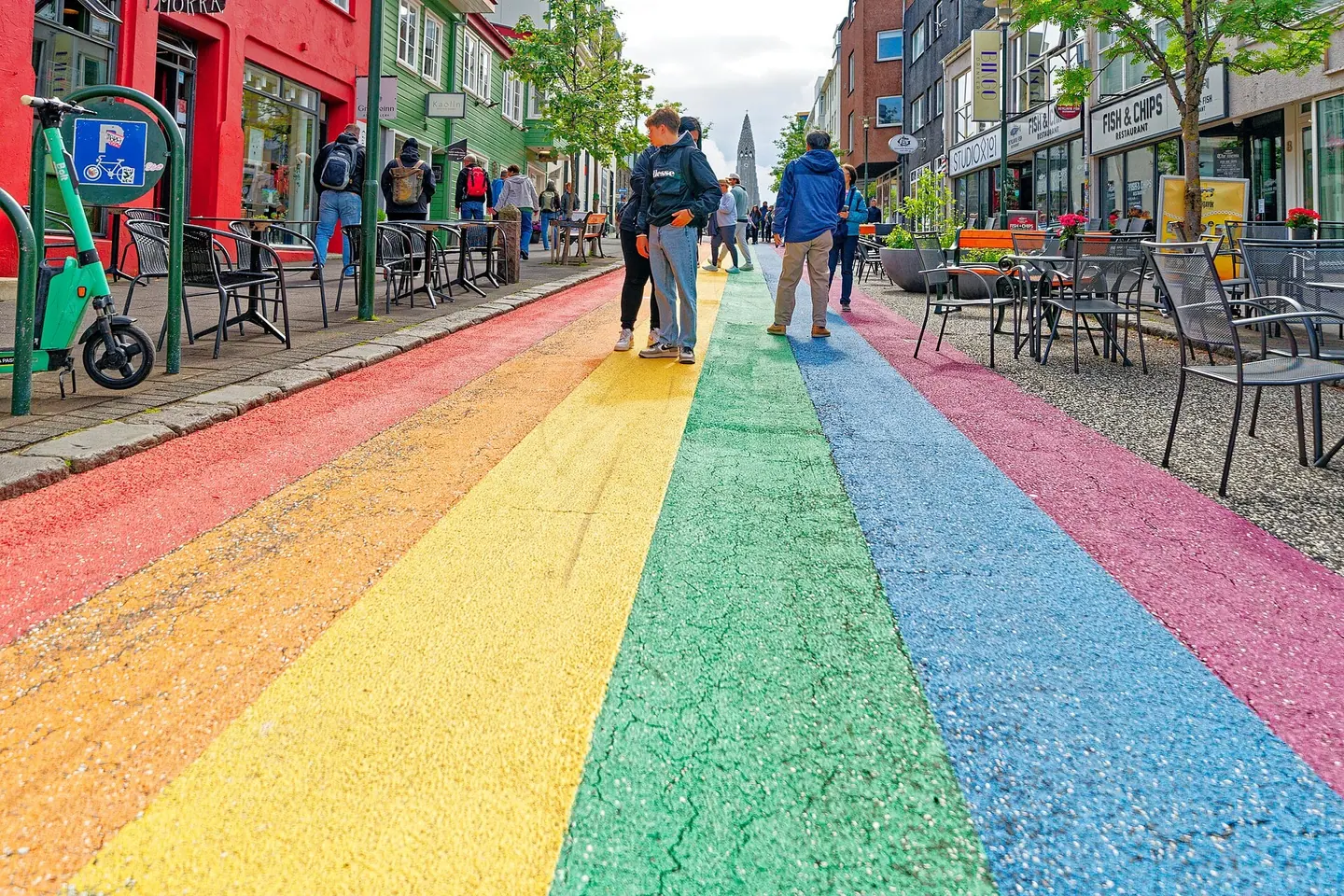
We begin our city walk along Skolavordustigur, descending past the painted pedestrian paving known locally as Rainbow Street. The colourful roadway frames rising perspectives toward the high towers of the capital. It links shoppers directly with craft workshops and independent cafes. Along both sides of the gentle slope, classic timber buildings display protective sheaths of corrugated iron, known in Icelandic as barujarnshus. Builders imported these corrugated sheets widely from Britain during the 1880s. They defended wooden frameworks against driving North Atlantic rain and fierce coastal salt.
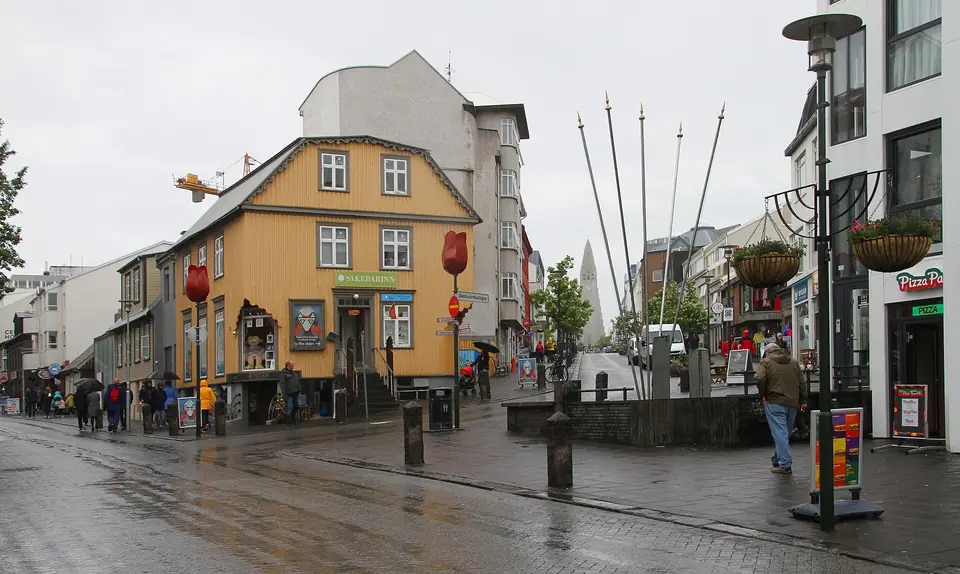
Turning onto Laugavegur, we trace the historic route known as the Wash Road. In earlier centuries, residents of the town followed this unpaved path eastwards toward steaming hot springs in Laugardalur to wash domestic linen. Today the street serves as the main retail spine of the capital, preserving an appealing mix of low-rise storefronts and sheltered courtyards. This route connects directly with the Hallgrimskirkja and Harpa concert hall route, introducing historic civic architecture across the central grid.
Austurvollur Square, Parliament, and Domkirkjan
A short turn west leads into Austurvollur, the pleasant green square that functions as the civic gathering heart of Reykjavik. At the centre of the lawn stands the 1874 statue of independence leader Jon Sigurdsson, sculpted by Bertel Thorvaldsen. The open lawns fill with locals whenever clear skies appear, while surrounding cafe terraces overlook key state institutions. Demonstrations and national festivities gather on this turf, making the square an essential touchpoint for understanding public life in Iceland.
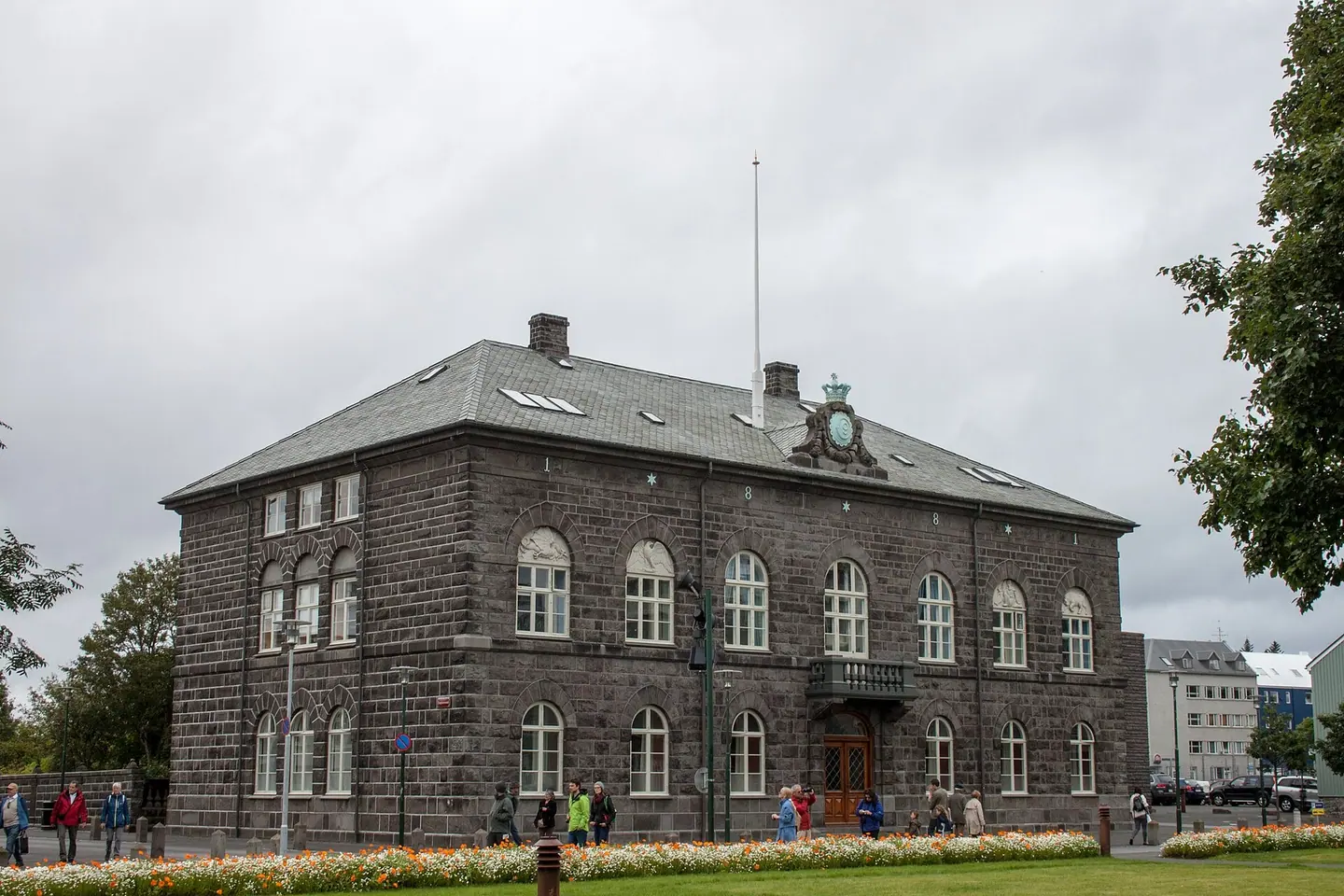
Along the southern edge of the lawn stands Althingishusid, the national parliament building constructed between 1880 and 1881. Designed by Danish architect Ferdinand Meldahl, the structure was crafted from rough-hewn local dolerite stone, lending it a sturdy and austere presence. Directly beside it sits Domkirkjan, the neat neoclassical cathedral consecrated in 1796. This small wooden and stone church has hosted parliamentary services before each legislative session for generations. Travellers can study ancient turf foundations nearby through the Settlement Exhibition and national collections.
Tjornin Pond, City Hall, and Grandi Maritime Quays
Directly behind the parliament quarter, the walking route reaches Tjornin, a tranquil freshwater pond situated in the centre of the city. The shallow waters offer shelter for numerous bird species, including ducks, swans, and arctic terns. On the northern shoreline sits Reykjavik City Hall, designed by the architectural practice Studio Granda and opened in 1992. The concrete and glass building stands directly in the water on modern stilts. An expansive interior gallery contains a massive three-dimensional relief map of Iceland.
From the peaceful waters of Tjornin, we follow the pleasant street grid north toward the Old Harbour. Historic fishing slips and timber repair sheds here have evolved into an active maritime district known as Grandi. Working trawlers still moor along the concrete piers beside dry docks and net lofts. Converted fish-packing warehouses now house artisanal ice cream shops, local chocolate factories, and marine design studios. The district demonstrates how Reykjavik preserves working industrial heritage alongside modern hospitality.
Historical Waypoints and Coastal Extensions
To help navigate the walk efficiently, the key urban landmarks along this central path can be grouped by their character and architectural origin:
| District Landmark | Architectural Style | Primary Heritage Focus |
|---|---|---|
| Skolavordustigur | Barujarnshus timber | Nineteenth-century British corrugated cladding |
| Austurvollur Square | Civic open green | Thorvaldsen statue and public gatherings |
| Althingishusid | Rough dolerite stone | Parliament seat designed by Ferdinand Meldahl |
| Domkirkjan | Neoclassical church | Cathedral consecrated in 1796 |
| Reykjavik City Hall | Modernist concrete | Built in 1992 with an indoor 3D terrain map |
| Hofdi House | White timber villa | 1909 consulate and 1986 summit venue |
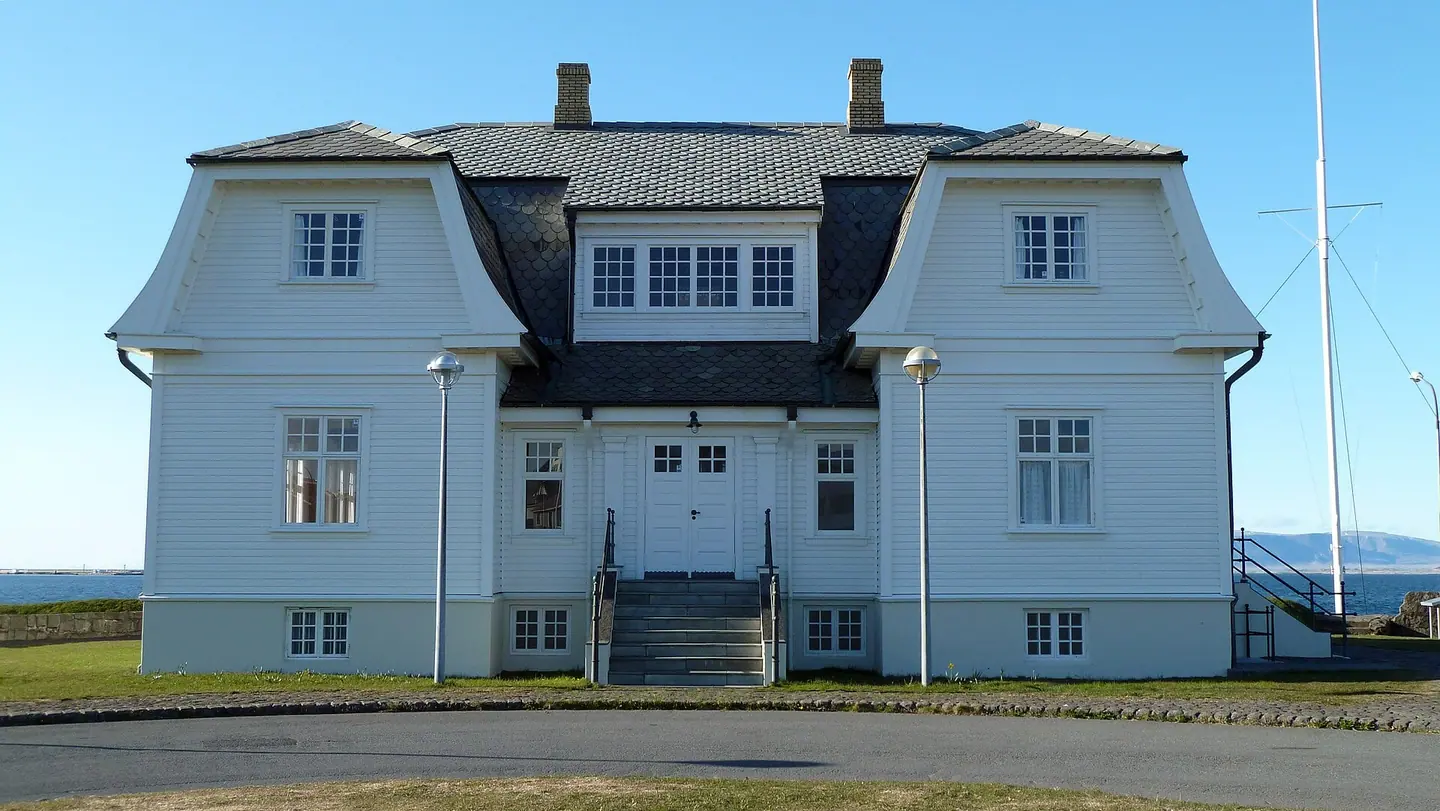
Walkers seeking a broader coastal extension can continue east along the scenic shoreline promenade toward Hofdi House. Built in 1909 as the French consular residence, this crisp white timber villa stands on an open grassy knoll overlooking Faxafloi bay. The secluded property achieved global prominence in 1986 as the summit venue for Ronald Reagan and Mikhail Gorbachev. That historic meeting marked a decisive step toward ending the Cold War, making the villa an inspiring final waypoint on our circuit. The wider urban network appears in detail within our Reykjavik city guide.
Official prices and opening hours
- The Settlement Exhibition (871±2)Official site ↗
- Harpa Concert HallOfficial site ↗
Where it is
- 1Downtown Midborg Walk
- Keflavik International Airport (KEF) · about 37 km from here in a straight line
- Directions in Google Maps
Stations and taxi ranks: OpenStreetMap. Airports: OurAirports. Distances are in a straight line.
Traveller tips
Real advice from people who have been to Reykjavik. Every tip is read by our team before it goes live.
No tips yet. Been here? Yours could be the first.
Thank you! Your tip will appear here after a quick review.
More in Reykjavik
Continue exploring Reykjavik with related neighbourhood, food, and planning guides
Golden Circle Day Trip: Thingvellir, Geysir and Gullfoss
Reykjavik, Iceland

South Coast Waterfalls, Reynisfjara and Snaefellsnes Peninsula Day Trips
Reykjavik, Iceland
Reykjavik Aurora Forecast and Old Harbour Marine Wildlife Guide
Reykjavik, Iceland

What to Eat in Reykjavik: Lamb Soup, Harbour Seafood, and Bakery Treats
Reykjavik, Iceland
