What to Wear in Reykjavik: The Three-Layer System, Footwear and Pool Etiquette
Reykjavik coastal weather shifts rapidly within hours, making a dependable three-layer clothing system and waterproof footwear essential for comfort.
Mastering the Three-Layer System for Coastal Winds
Reykjavik sits exposed on Faxafloi Bay, where maritime winds drive rain sideways across open harbour streets and open plazas. Traditional umbrellas bend or snap within minutes against these gusts, making them useless for daily exploration across the capital.
A disciplined three-layer system keeps your body dry and warm regardless of shifting North Atlantic weather fronts. Your base layer sits directly against the skin, working continuously to pull perspiration away from your body during active walking tours.
We rely on pure merino wool or synthetic thermal fabrics for this foundation layer, deliberately skipping cotton items that trap moisture and chill your torso. Merino base tops and long leggings remain fresh across repeated wears while preserving core body heat effectively.
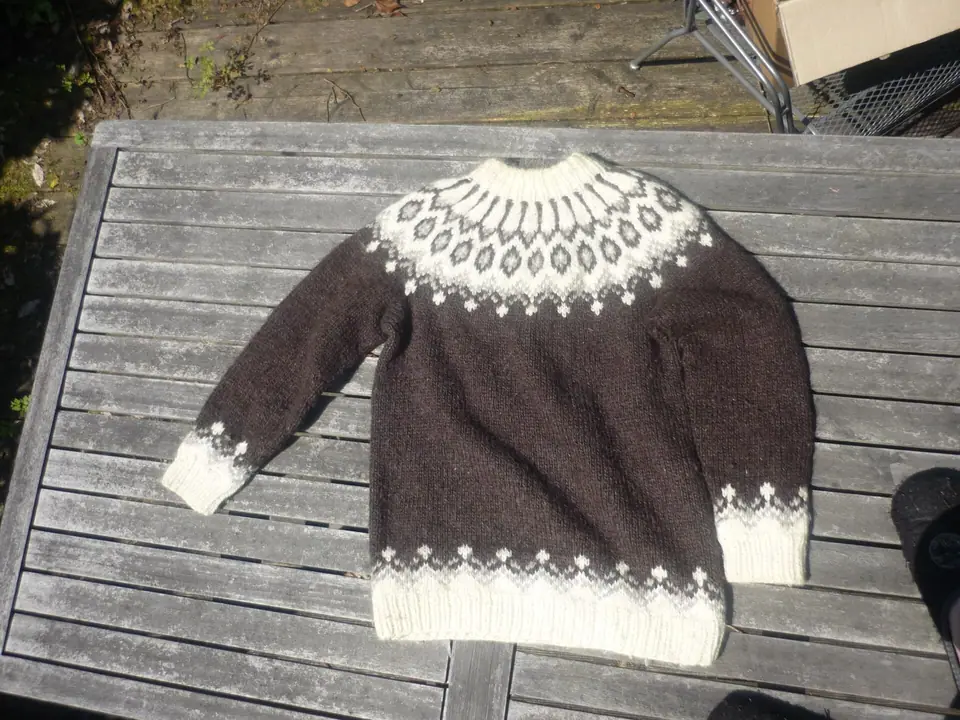
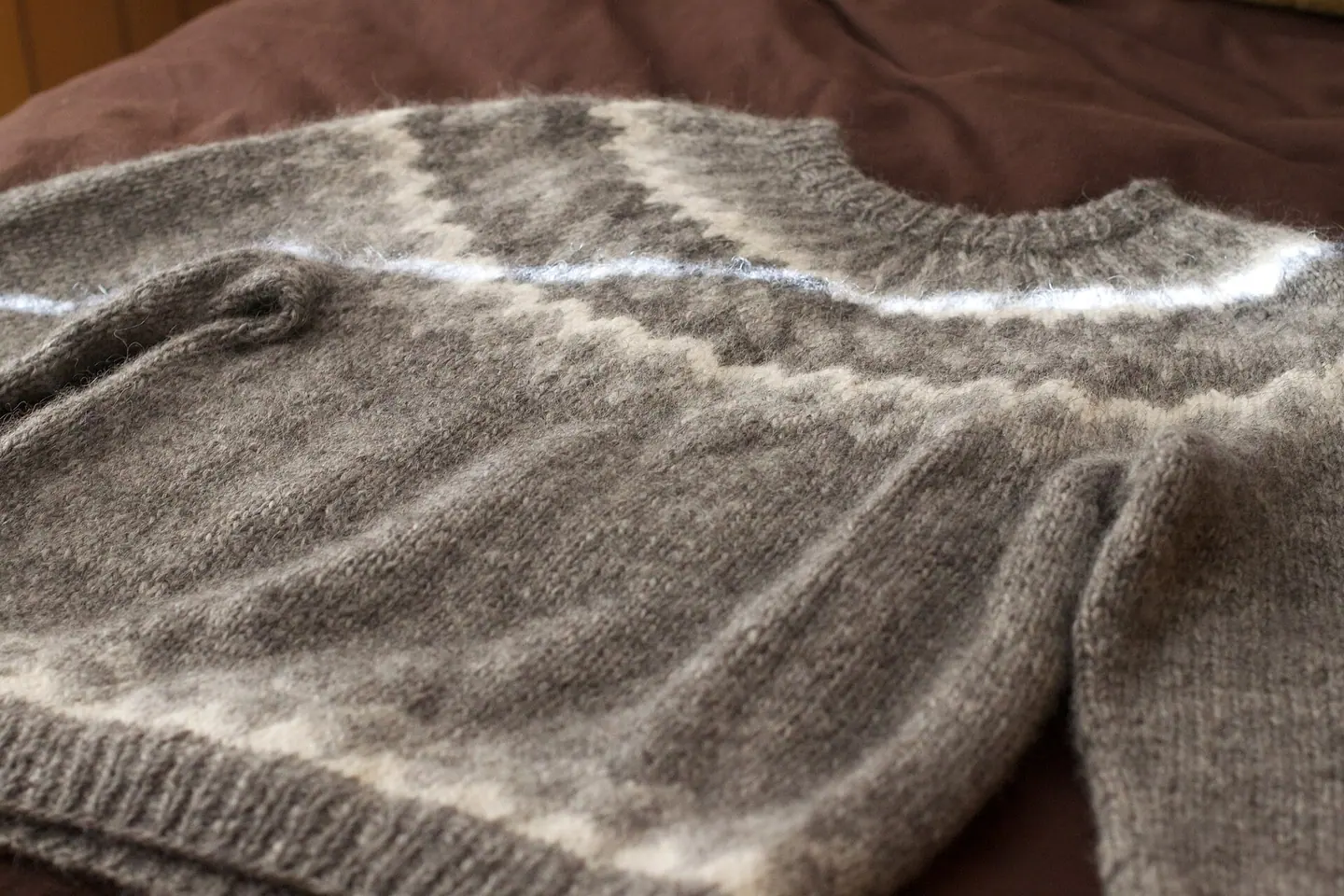
Your middle layer supplies insulation, trapping warmed air close to your body without restricting movement along city pavements. A thick wool fleece or a traditional Icelandic lopapeysa sweater knit from unspun sheep wool performs brilliantly under cool coastal skies.
The outer layer must be a fully waterproof and windproof technical shell fitted with an adjustable storm hood and taped seams. Breathable membranes block freezing coastal draughts while allowing internal vapour to escape freely as you navigate windy hills and harbour piers.
Footwear Selection and Winter Ice Cleats
Navigating the capital demands supportive, waterproof footwear with rugged rubber outsoles rather than lightweight fashion trainers or canvas shoes. Cobbled alleys around the Old Harbour, wet timber boardwalks, and damp gravel paths around Tjornin pond challenge ordinary city soles quickly.
Ankle-height walking boots lined with a waterproof membrane keep your feet warm, dry, and stable during long days on foot. Pair these boots with cushioned merino wool socks to prevent painful friction blisters when walking between museums, cafes, and waterfront viewpoints.
Winter brings frequent freeze-thaw cycles that coat pavements, kerbs, and road crossings in treacherous sheets of clear black ice. We carry rubber slip-on microspikes or cleats in our daypacks whenever walking outdoors during the colder months of the year.
| Layer or Item | Recommended Material | Primary Purpose in Reykjavik |
|---|---|---|
| Base Layer | Merino wool or synthetic fibres | Moisture management and base thermal regulation |
| Mid Layer | Lopapeysa wool or dense fleece | Trapping warm air without excessive bulk |
| Outer Shell | Waterproof breathable jacket | Deflecting gale winds and horizontal rain |
| Footwear | Ankle-high waterproof boots | Traction on wet stone and ankle support |
| Cleats | Slip-on rubber microspikes | Grip on frozen winter streets and paths |
Local shops and petrol stations stock simple stretch-on spikes that fit securely over ordinary walking boots without special tools. Putting them on takes seconds and prevents abrupt slips when crossing untreated side streets or sloped pavements near residential lanes.
Outer Shell Strategy for Day Trips and Waterfalls
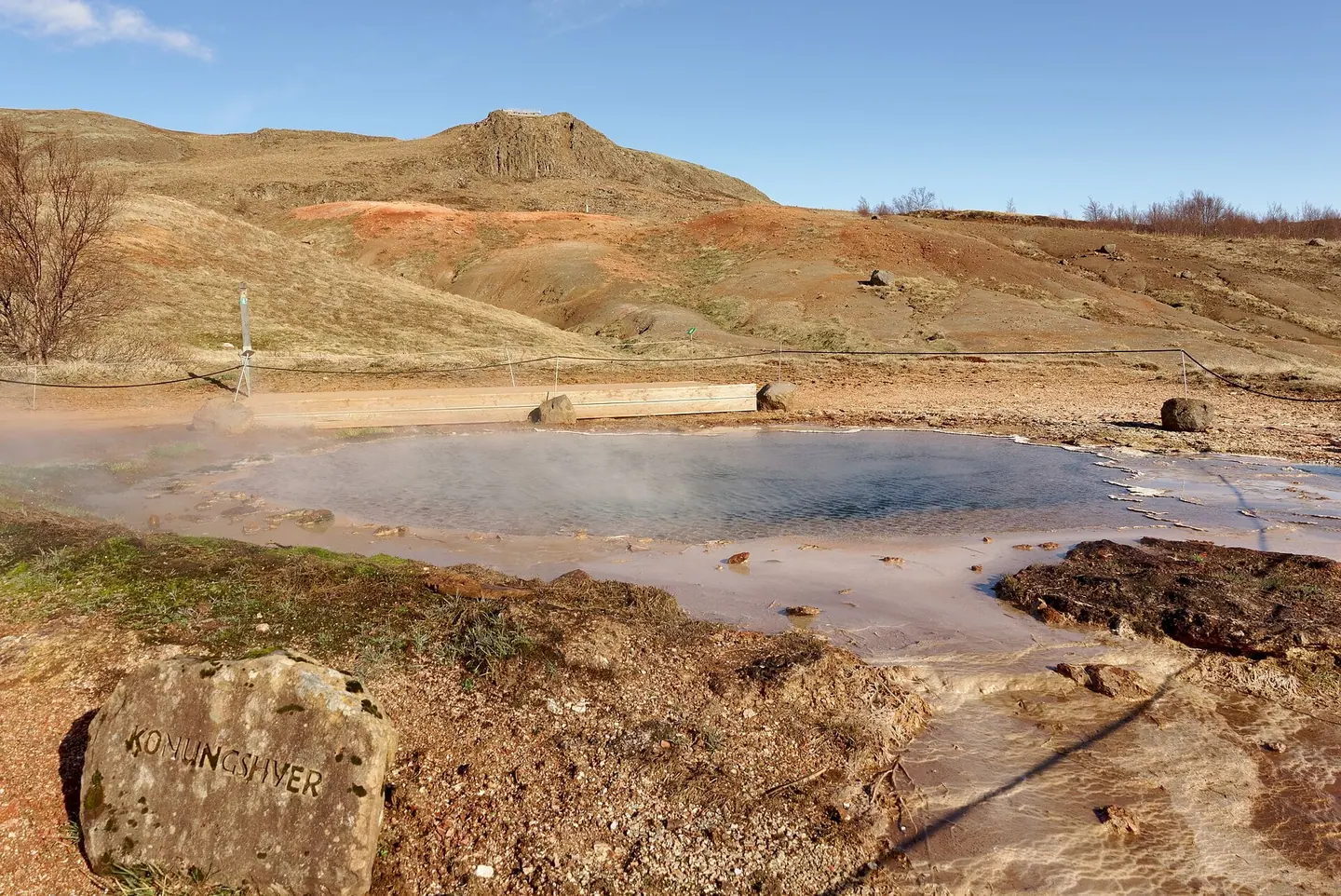
Leaving the capital for countryside excursions requires step-ups in your outer protection, especially around powerful southern waterfalls and exposed coastline lookouts. Planning excursions along our South Coast waterfalls and black sand beaches exposes your clothing to driving spray and sudden squalls.
Waterproof overtrousers prove indispensable whenever you approach thundering cascades where heavy mist saturates standard denim or softshell trousers instantly. Slip waterproof overtrousers directly over your regular walking trousers before walking towards tumbling falls to stay entirely dry.
Wind speeds intensify dramatically in open coastal landscapes, lowering perceived temperatures well below thermometer readings recorded in sheltered city centres. We pack lightweight thermal accessories inside outer pockets, giving quick access whenever icy blasts sweep over clifftops and headlands.
- Pack a windproof fleece beanie that covers your ears completely against biting winds.
- Carry insulated waterproof gloves rather than knitted wool mittens that soak through in rain.
- Wear a fleece neck gaiter instead of loose woollen scarves that unwrap in strong gusts.
- Keep a waterproof pack cover ready to protect camera bags and backpacks from spray.
Checking regional forecasts before setting out helps you align clothing choices with expected weather changes across our Reykjavik seasonal guide. Stowing dry spare socks inside a sealed plastic pouch inside your daypack gives immense comfort if water enters boot cuffs.
Geothermal Pool Customs and Changing Room Rules
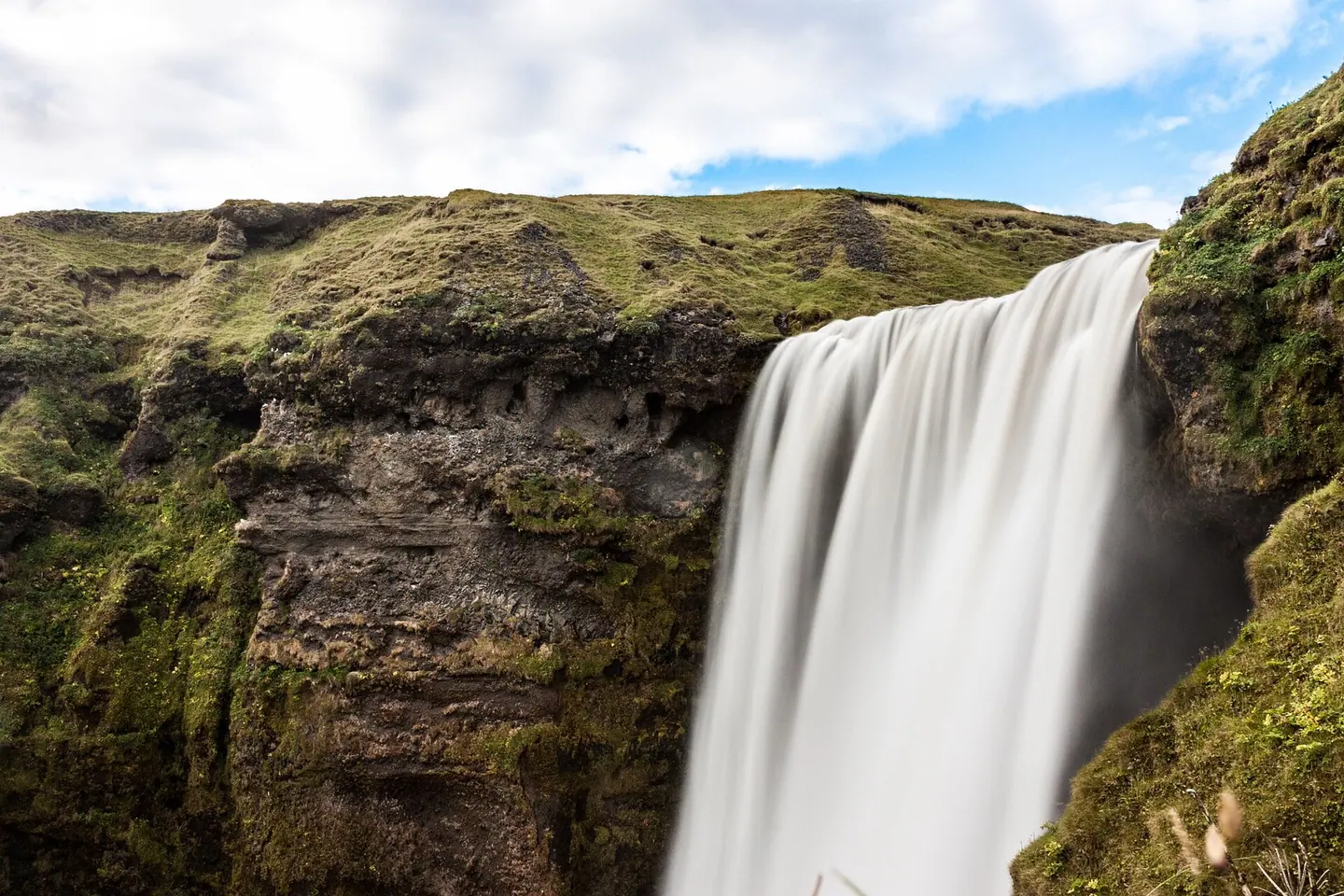
Bathing in warm geothermal water forms the heart of local community life throughout the capital, operating under strict hygiene traditions. Visiting spots featured in our Reykjavik geothermal pools and lagoons overview requires understanding communal changing room customs before stepping into the water.
Icelandic public pools rely on minimal chemical treatments, so spotless personal cleanliness protects the shared mineral water for all swimmers. Every visitor must shower thoroughly with soap while completely naked before putting on clean swimwear and entering the pool deck.
Changing rooms feature clear wall diagrams highlighting priority cleaning zones, including your head, underarms, groin area, and feet. Communal showers offer complimentary body wash dispensers, though travellers who prefer privacy can look for curtained or enclosed shower cubicles.
Bring your own swimming costume, a quick-drying travel towel, and rubber pool flip-flops to move comfortably between changing benches and warm outdoor basins. Check local entrance guidelines for towel rental options and facility amenities across municipal swimming locations.
Leaving outdoor shoes at designated entrance racks keeps locker rooms clean and dry for visitors walking barefoot after their soak. Embracing these relaxed communal bathing traditions lets you enjoy warm waters alongside local residents throughout every season.
Weather by month
Reykjavik is warmest in July, with average highs around 14°C, and coldest in January, when nights drop to about -3°C. October is the wettest month by rainfall (158 mm), with rain on about 18 days.
| Month | Low | Range | High | Rain | Rainy days |
|---|---|---|---|---|---|
| Jan | -3°C | 2°C | 152 mm | 18 d | |
| Feb | -3°C | 2°C | 151 mm | 17 d | |
| Mar | -2°C | 3°C | 133 mm | 17 d | |
| Apr | 1°C | 6°C | 132 mm | 17 d | |
| May | 4°C | 9°C | 122 mm | 19 d | |
| Jun | 7°C | 12°C | 94 mm | 16 d | |
| Jul | 9°C | 14°C | 85 mm | 16 d | |
| Aug | 8°C | 13°C | 105 mm | 14 d | |
| Sep | 6°C | 10°C | 137 mm | 18 d | |
| Oct | 3°C | 7°C | 158 mm | 18 d | |
| Nov | 0°C | 4°C | 129 mm | 16 d | |
| Dec | -3°C | 2°C | 135 mm | 18 d |
Averages of daily values from 2015 to 2024. Rainy days are days with at least 1 mm of rain. Source: Open-Meteo · Compare destinations by month.
Official prices and opening hours
- Sundhollin and Municipal PoolsOfficial site ↗
Where it is
- 1Reykjavik
- Keflavik International Airport (KEF) · about 37 km from Reykjavik in a straight line
- Directions in Google Maps
Stations and taxi ranks: OpenStreetMap. Airports: OurAirports. Distances are in a straight line.
Traveller tips
Real advice from people who have been to Reykjavik. Every tip is read by our team before it goes live.
No tips yet. Been here? Yours could be the first.
Thank you! Your tip will appear here after a quick review.
More in Reykjavik
Continue exploring Reykjavik with related neighbourhood, food, and planning guides
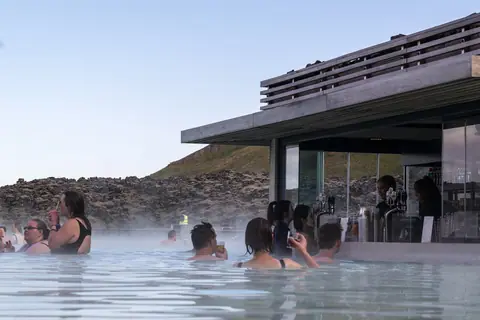
Geothermal Bathing in Reykjavik: Municipal Pools to Oceanside Lagoons
Reykjavik, Iceland
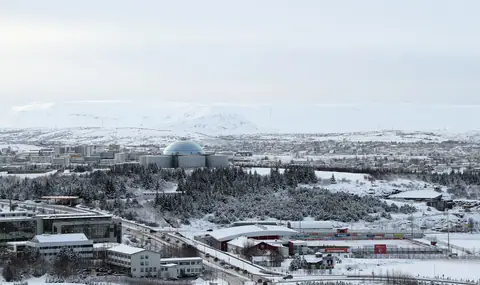
National Museum of Iceland, Perlan and The Settlement Exhibition Guide
Reykjavik, Iceland
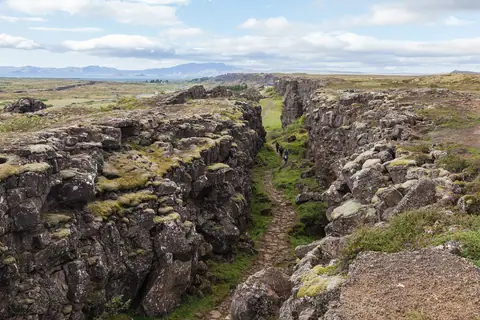
Golden Circle Day Trip: Thingvellir, Geysir and Gullfoss
Reykjavik, Iceland
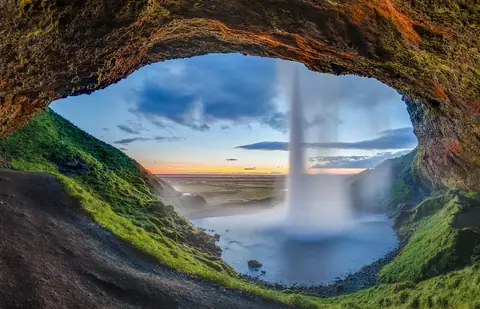
South Coast Waterfalls, Reynisfjara and Snaefellsnes Peninsula Day Trips
Reykjavik, Iceland
