What to Eat in Reykjavik: Lamb Soup, Harbour Seafood, and Bakery Treats
Icelandic food in Reykjavik centres on free-range highland lamb, cold-water harbour seafood, cultured skyr, and slow-baked rye bread.
Eating in the Icelandic capital reflects an island shaped by harsh subarctic weather and isolated farming traditions. For centuries, native cooks relied on preserving seasonal catches and simmering hearty stews over peat or wood fires. Today, classic recipes remain central to everyday dining across the capital. When exploring the culinary landscape described in our Reykjavik travel guide, we quickly discover how local ingredients speak directly of cold pastures and icy seas.
Subarctic island life fostered food traditions built around simple preservation techniques and robust flavours. Salted cod, wind-dried fish, and slow-braised meats sustained coastal settlements through isolated centuries. Modern dining rooms honour these foundations while presenting them with clean, contemporary craftsmanship.
Highland Lamb and Warming Kjotsupa
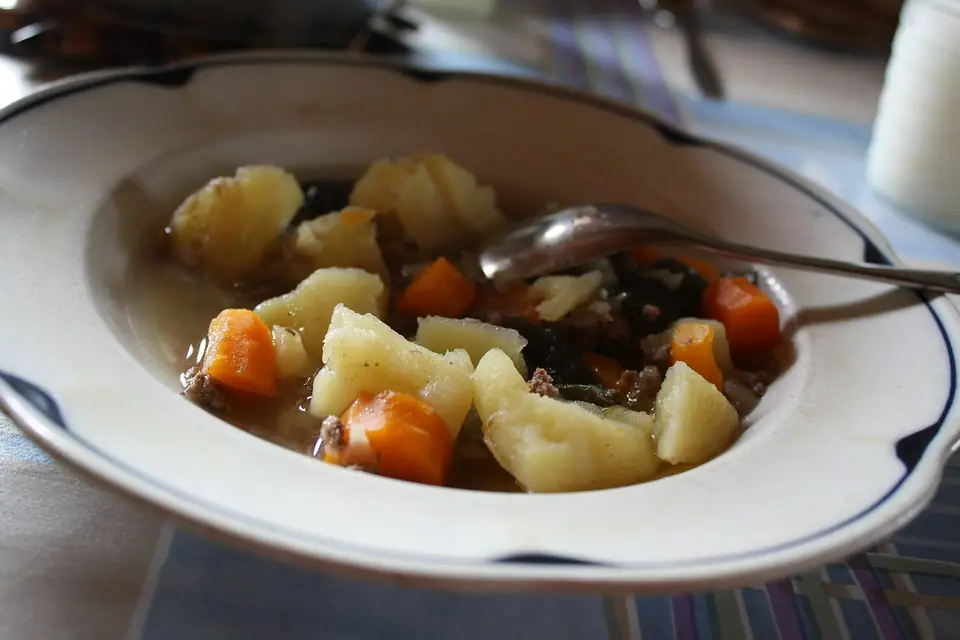
Icelandic sheep graze freely across untamed mountain meadows during summer, feeding on wild grasses, mosses, and Arctic herbs. This natural forage gives the meat a lean, delicately gamey flavour that forms the backbone of traditional home cooking. The most beloved cold-weather meal across the capital is kjotsupa, a traditional lamb soup prepared by simmering bone-in cuts until completely tender.
The broth incorporates root vegetables that flourish in short subarctic summers. Cooks add diced rutabaga, potatoes, and sweet carrots, along with shredded cabbage and rolled oats to thicken the clear liquor. Dried wild Arctic thyme provides a clean pine aroma that cuts through the rich lamb fat. Bowls arrive piping hot alongside thick slices of sourdough bread smeared with salted Icelandic butter, offering perfect replenishment after windy afternoons.
Families across the capital hold cherished individual variations of this soup recipe. Some households simmer the lamb cuts for hours with whole peppercorns before stirring in shredded cabbage leaves. Others insist on generous handfuls of rolled oats to yield a denser, silkier consistency.
North Atlantic Fish and Harbour Comfort Food
Reykjavik grew outward from its working coastal docks, where fishing boats still unload ocean catches directly into shorefront kitchens. Cold, nutrient-dense waters surround the island, yielding pristine Arctic char with pale pink flesh and firm Atlantic cod. Local cooks pan-fry fresh char fillets until skin turns golden, pairing them with warm dill potatoes and tart pickled cucumbers.
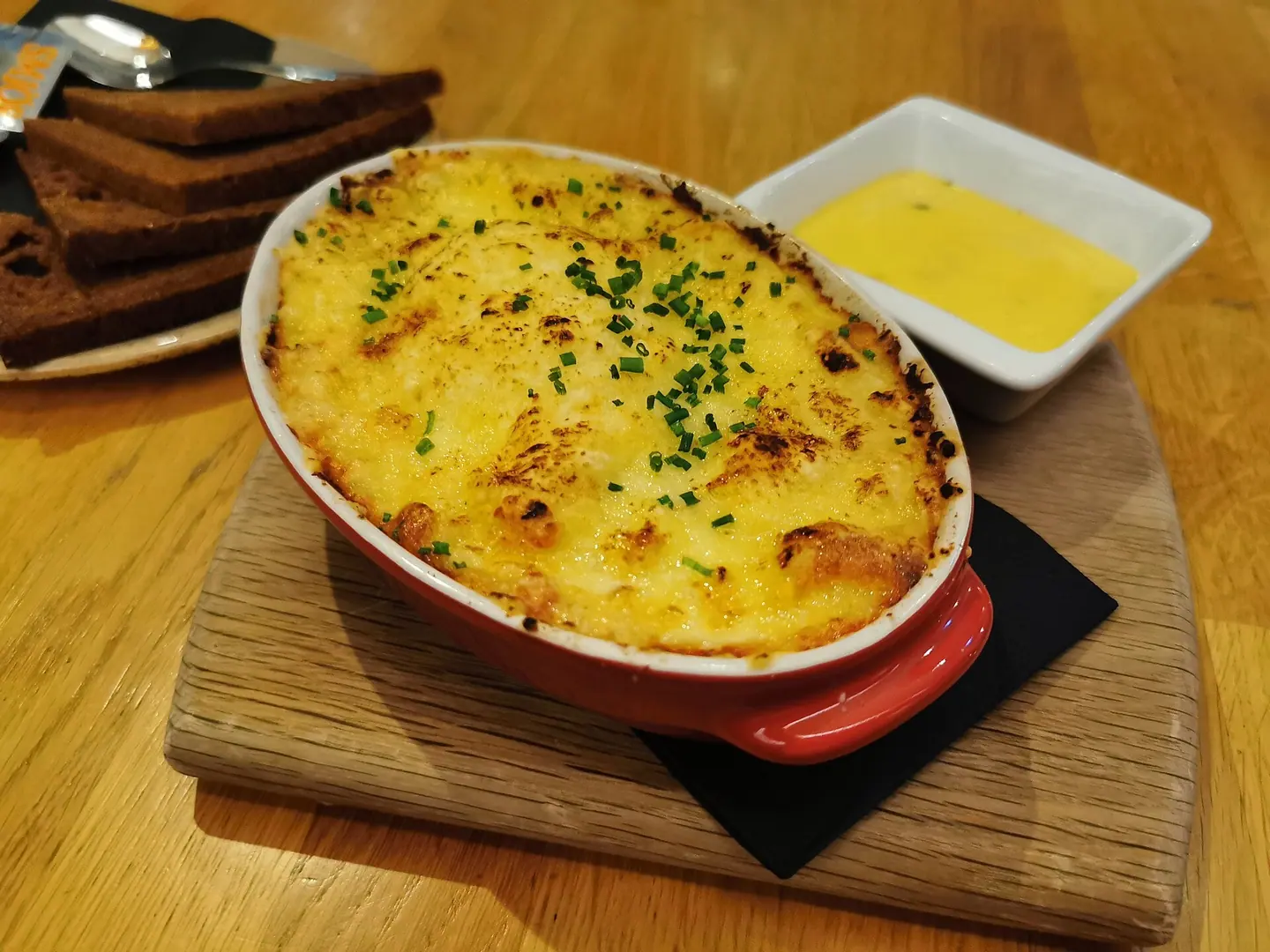
For everyday comfort, residents turn to plokkfiskur, a soothing fish stew created to use leftover boiled cod or haddock. The flaked white fish is folded into a smooth bechamel sauce enriched with mashed potatoes, onions, and white pepper. It commonly arrives baked under a thin golden crust of mild cheese, accompanied by dark rugbraud.
| Icelandic Dish | Core Ingredients | Traditional Accompaniment |
|---|---|---|
| Kjotsupa | Highland lamb, rutabaga, carrots, potatoes, oats | Crusty bread and salted butter |
| Plokkfiskur | Atlantic cod, mashed potatoes, onion, white sauce | Rugbraud rye bread and butter |
| Humarsupa | Langoustine tails, cream, roasted shellfish broth | Warm baguette slices |
| Pylsa | Lamb-blend sausage, steamed white bun | Mustard, remoulade, fried onions |
Dense and slightly sweet, rugbraud is a traditional rye bread baked slowly using geothermal heat from nearby hot springs. Its cake-like crumb balances the savoury creaminess of the fish stew. Along the waterfront piers, restaurants also serve rich humarsupa, a silky langoustine soup made from roasted shellfish shells, heavy double cream, and aromatic mirepoix.
Sheltered waterfront bistros prepare this fragrant soup with careful reductions of crustacean shells and butter. A gentle pour of cream softens the ocean brine, while fresh tarragon leaves lend a mild anise finish. Dipping warm bread into the bowl offers welcome comfort along breezy harbour quays.
Street Food Rituals at Baejarins Beztu Pylsur
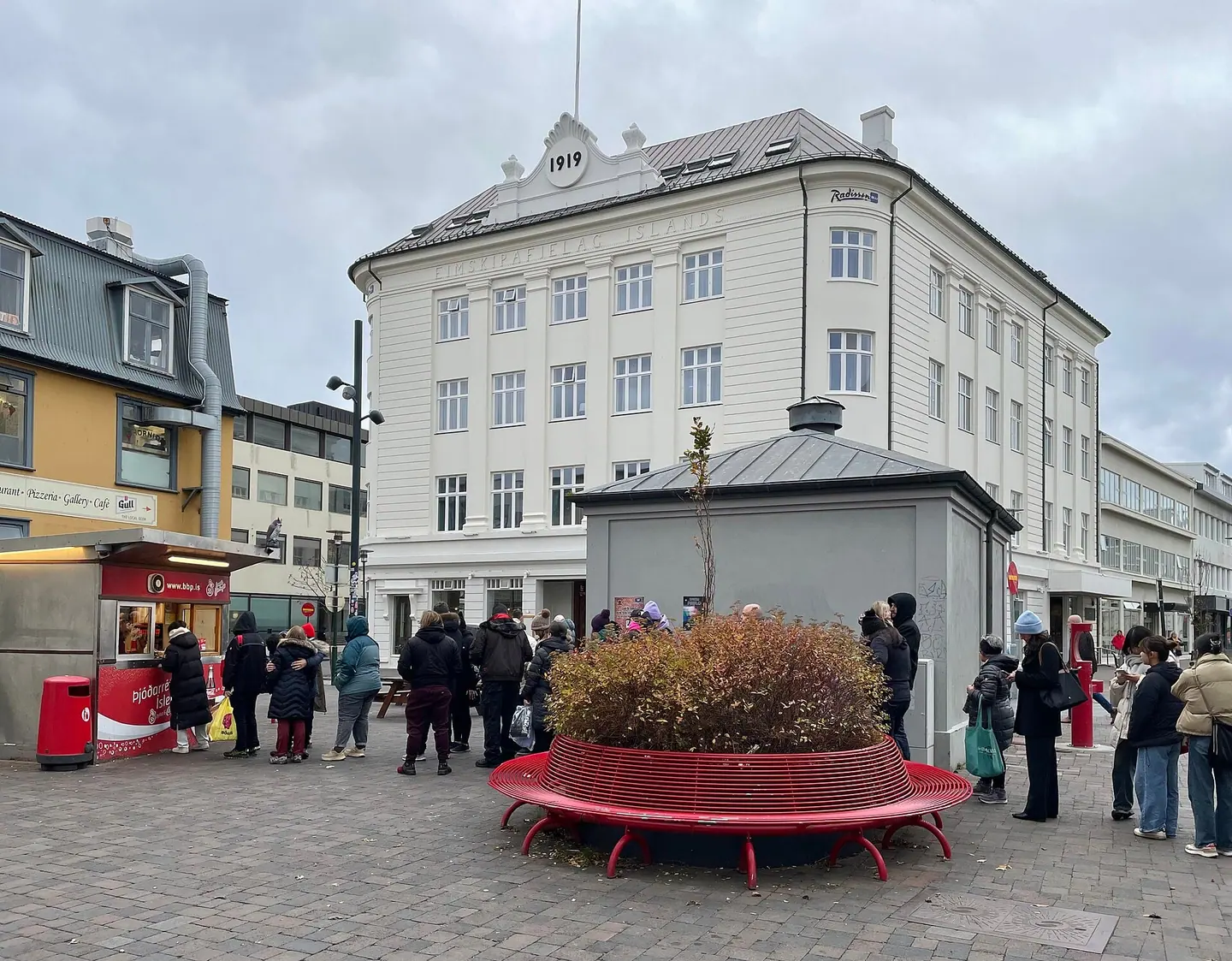
The most famous street meal in town is the humble pylsa, an Icelandic hot dog prepared from a savoury blend of lamb, pork, and beef. The tiny red kiosk of Baejarins Beztu Pylsur has served these sausages on Tryggvagata since 1937. Locals and international visitors queue beside the harbour at all hours, ordering sausages straight from steaming metal vats.
The standard way to order is eina med ollu, meaning "one with everything". The counter staff places the steamed sausage into a warm bun before layering five distinct condiments. Raw chopped white onions sit at the base, followed by a crisp crunch of deep-fried onions.
To finish the bun, the server squirts red tomato ketchup alongside sweet brown pylsusinnep mustard. A generous ribbon of pale caper remoulade crowns the top, lending gentle acidity to balance the richness. Grabbing a warm hot dog while tracing our downtown Midborg, Laugavegur, Tjornin, and Old Harbour walk remains a time-honoured local ritual.
The distinctive snap of the natural sausage casing sets this street food apart from typical processed frankfurters. The inclusion of free-range lamb imparts subtle sweetness, while crispy shallots supply satisfying texture with every bite.
Skyr Traditions and Neighbourhood Bakeries
Dairy production in Iceland stretches back over a thousand years to early Norse settlement. Skyr is technically a cultured fresh acid-set cheese, though its velvety texture resembles dense strained yoghurt. Naturally high in protein and virtually fat-free, it sustained farm families through dark winters.
Modern cafes serve thick bowls of unflavoured skyr with a splash of fresh whole milk and a spoonful of granulated sugar. During late summer, menus feature wild bilberries, known locally as blaber, hand-picked from volcanic slopes. The tart dark berries cut cleanly through the rich dairy tang, creating an uncomplicated dessert.
Baking culture flourishes alongside coffee rituals throughout central neighbourhoods. Glass counter displays fill every morning with snudur, oversized yeast buns spiced with ground cardamom and rolled with cinnamon sugar. Bakers top them with dark chocolate ganache, pink glaze, or buttery caramel icing, offering a sweet companion to steaming mugs of filtered roast coffee.
Another classic bakery treat is kleina, a twisted sour-milk doughnut flavoured with ground cardamom seeds. Crisp on the outside and tender within, these fried pastries pair naturally with strong black filter coffee in neighbourhood bakeries.
Where it is
- 1Reykjavik
- Keflavik International Airport (KEF) · about 37 km from Reykjavik in a straight line
- Directions in Google Maps
Stations and taxi ranks: OpenStreetMap. Airports: OurAirports. Distances are in a straight line.
Traveller tips
Real advice from people who have been to Reykjavik. Every tip is read by our team before it goes live.
No tips yet. Been here? Yours could be the first.
Thank you! Your tip will appear here after a quick review.
More in Reykjavik
Continue exploring Reykjavik with related neighbourhood, food, and planning guides
Reykjavik Seasonal Guide: Midnight Sun, Puffins, Auroras and Road Openings
Reykjavik, Iceland
What to Wear in Reykjavik: The Three-Layer System, Footwear and Pool Etiquette
Reykjavik, Iceland
Where to Stay in Reykjavik: Midborg, Old Harbour, Thingholt and Laugardalur
Reykjavik, Iceland

3 Days in Reykjavik: Midborg Landmarks, Golden Circle and South Coast
Reykjavik, Iceland
