Photo: Diego Delso · CC BY-SA 4.0
What to Wear in Sintra: Wet Cobble Grip, Wind Layers & Tunnels
Practical packing guide for Sintra: non-slip shoes for mossy granite and wet palace ramps, windbreakers for high ridges and Cabo da Roca, and tunnel gear.
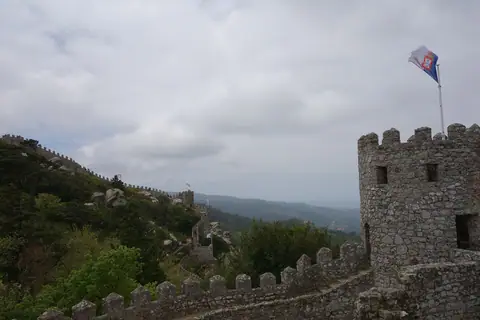
Dressing for Sintra as if you are spending a warm afternoon in central Lisbon is the most common packing mistake travellers make in Portugal. Within a single day in the Serra de Sintra, you will climb steep palace ramps paved with slick. Mist-dampened basalt and limestone cobbles (calçada portuguesa). Stand on exposed castle ramparts buffeted by cold Atlantic gusts at Pena Palace and the Moorish Castle. Step across wet rock puddles inside the subterranean tunnels of Quinta da Regaleira's Initiation Well. Packing grippy, closed-toe footwear and a windproof outer layer, even in the middle of July, will keep you warm, dry, and steady on your feet.
| Sintra Terrain / Zone | Recommended Footwear | Clothing & Layering Rule | Essential Daypack Item |
|---|---|---|---|
| Pena Palace & Moorish Castle Ridge. | Lugged sneakers or trail-running shoes (no smooth soles). | Breathable base layer + windproof shell or fleece. | Hooded windbreaker (umbrellas invert in ridge gusts). |
| Quinta da Regaleira Wells & Tunnels. | Water-resistant closed-toe trainers with rubber grip. | Clothes that allow easy climbing on spiral stone steps. | Fully charged phone torch for dark cave passages. |
| Vila Sassetti & Pena Park Trails. | Hiking trainers or supportive walking shoes. | Moisture-wicking shirt + light trousers or shorts. | Water bottle + offline map screenshot. |
| Cabo da Roca Cliffs & Azenhas do Mar. | Sturdy closed walking shoes for gravel cliff paths. | Warm sweater + windbreaker (cooler at sunset). | Hair tie & secure strap for hats/sunglasses. |
Footwear Rule: Beating Wet Calçada Cobbles & Mossy Granite
Every courtyard, ramp, and forest staircase across Sintra is paved with either traditional hand-cut Portuguese limestone-and-basalt cobblestones (calçada) or rough local granite blocks. The humid forest canopy traps morning fog and condensation under the trees all year round. These stones are coated with a thin microscopic film of moisture and moss that makes smooth leather soles, flat espadrilles, plastic flip-flops, and heels dangerously slippery, especially on the steep downhill walk from Pena Palace's exit gate and along the unrailed stone steps of the Moorish Castle.
Wear broken-in running shoes, trail runners, or walking sneakers with deep vulcanised rubber treads. Inside Quinta da Regaleira, groundwater constantly seeps down the mossy walls of the Initiation Well. Pools in shallow puddles along the unlit underground grotto tunnels and across the stepping stones of the Waterfall Lake. Closed-toe shoes with thick soles will keep your socks completely dry.
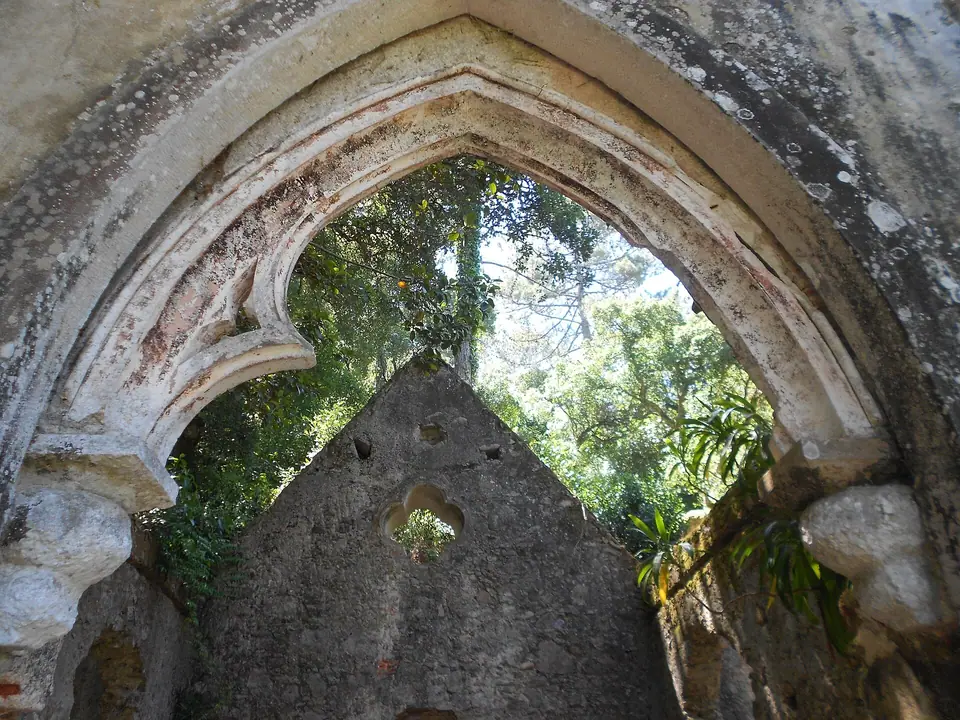
The Lisbon Layer Rule: Why Umbrellas Fail on the Ridge
Before leaving your hotel in Lisbon, check the forecast specifically for Sintra (or Colares) rather than Lisbon, and prepare for cooler mountain gusts. On a sunny afternoon in Lisbon's Baixa district, the temperature on the Queen's Terrace at Pena Palace or at the lighthouse of Cabo da Roca often feels chilly with a damp Atlantic crosswind.
Pack a lightweight, hooded windproof jacket (such as a packable Gore-Tex, nylon shell, or softshell) plus a light fleece or cotton sweater in your daypack every month of the year. Avoid relying on a flimsy folding umbrella on the upper mountain or at Cabo da Roca. Wind funnelling through the battlements of the Moorish Castle and around the Triton Gate at Pena Palace turns umbrellas inside out within seconds. Narrow castle walkways are too crowded to carry an open canopy safely.
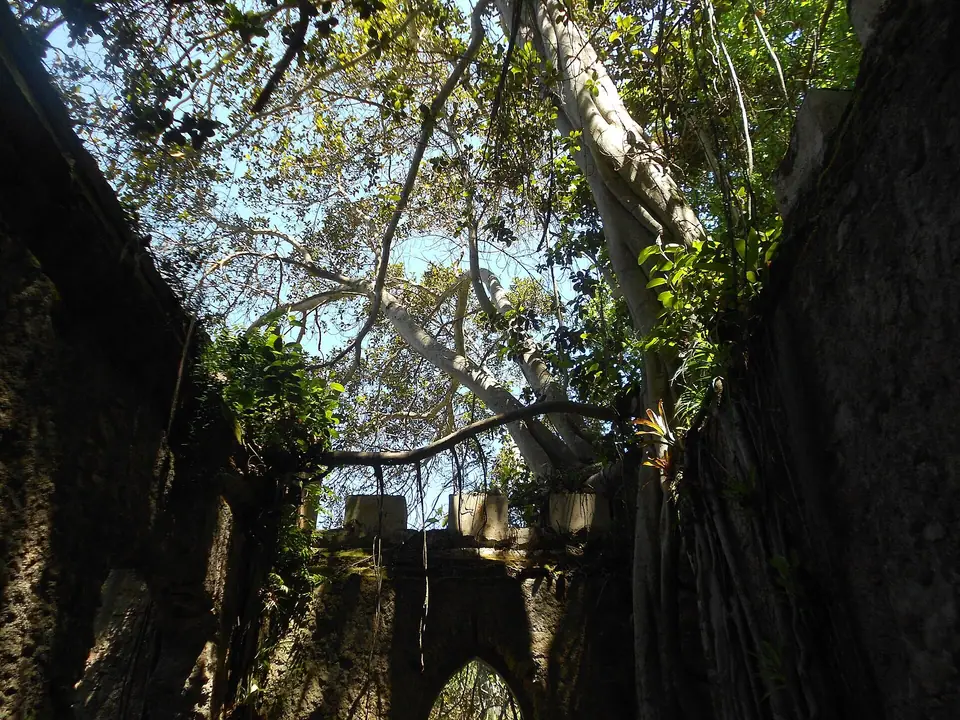
Dressing for Palace Photos, Tunnels & Coastal Walks
Unlike active cathedrals in Southern Europe, Sintra's royal palaces and historic estates do not enforce strict religious modesty codes. Neat casual dress is suitable across the palace interiors and parklands. However, if you want to dress for standout photographs while staying comfortable on your feet, keep three practical styling tips in mind:
- Avoid Long Trailing Hems in Regaleira's Wells: The spiral stone steps of the Initiation Well and the Unfinished Well are narrow and permanently damp with red earth and moss. Ankle-length maxi dresses or wide-leg linen trousers easily drag through mud inside the tunnels. Midi lengths, tailored trousers, or shorts with leggings underneath work far better.
- Skip Loose Straw Hats on the Ramparts: Unless your sun hat has a chin cord, the updraft along the High Wall at Pena Palace and the Royal Tower at the Moorish Castle will blow it straight over the parapet into the fenced cliffside below.
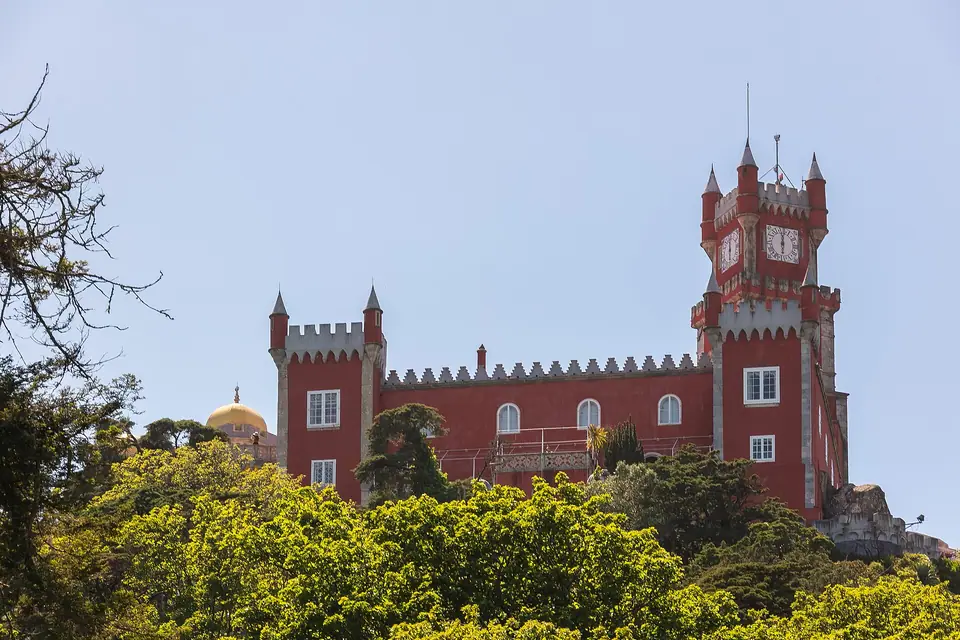
- Colour Contrast for Photography: Because Pena Palace's exterior walls are painted in vivid canary yellow, terracotta red, and lavender-blue tile, solid neutral tones, white, cream, navy, olive green, or denim, stand out cleanly against the busy polychrome facades.
Season-by-Season Packing List for Sintra
For spring (April to June) and autumn (September to October), pack breathable cotton or merino T-shirts, walking trousers, and a warm fleece jumper. Add a hooded waterproof windbreaker and broken-in trail runners with deep rubber grip. Morning mist inside Pena Park and the Convent of the Capuchos keeps forest paths damp until noon. Tuck a compact power bank and charging cable into your daypack. This is because cold ridge wind and constant photography drain smartphone batteries rapidly.
For summer (July and August), dress in light, breathable layers for the sunny valley walk in Sintra-Vila. Still, carry a long-sleeved windbreaker or overshirt in your backpack for the summit of Pena Palace and late-afternoon visits to Cabo da Roca. Add polarised sunglasses, sunscreen, and a reusable water bottle that you can refill at the filtered water stations inside Parques de Sintra monuments. For winter (November to March), bring a warm insulated waterproof coat, water-resistant leather or Gore-Tex walking shoes, warm socks, and a warm hat and gloves for windy castle ramparts.
What to Leave Behind at Your Lisbon Hotel
Never wear smooth-soled leather dress shoes, platform sandals, flip-flops, or high heels to Sintra. The combination of polished limestone calçada cobbles, steep downhill palace driveways, and mossy stone steps inside Quinta da Regaleira causes daily slips for unprepared visitors. Likewise, leave heavy backpacks at your hotel or in a Sintra Station locker. Large rucksacks are not permitted inside the narrow furnished staterooms of Pena Palace, Queluz Palace, or the Sintra National Palace to protect fragile historic displays.
If you arrive in Sintra and realise the mountain air is colder than expected, several knitwear and outdoor boutiques along Rua das Padarias and Volta do Duche sell hand-loomed Portuguese wool shawls, fleece layers, and woven hats. You can also stop at the shops opposite Sintra Train Station for compact rain ponchos and walking socks before boarding the mountain bus.
For photography enthusiasts carrying mirrorless or DSLR cameras, pack a microfibre lens cloth in your jacket pocket. Fine condensation droplets inside the cloud belt around Pena Palace and inside the misty grottoes of Quinta da Regaleira settle on glass lenses within minutes. Wiping your front element before stepping onto the Queen's Terrace keeps your shots sharp and flare-free.
Finally, if your afternoon plans include walking down to the coastal tide pools of Azenhas do Mar, dipping your feet in the Atlantic surf at Praia das Maçãs and Praia Grande, pack a light quick-dry towel and a spare pair of dry socks in your daypack.
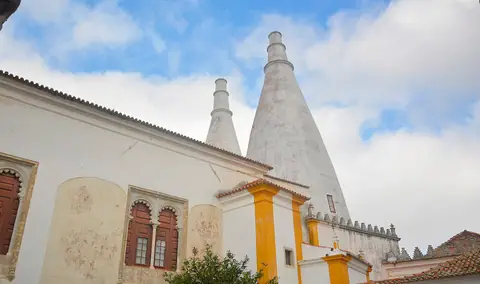
Matching your footwear and layers to the specific estates in the Parques de Sintra network makes every walk more comfortable. Visiting the Swan Room beneath the twin Chimneys of the National Palace of Sintra calls for comfortable walking shoes. The same footwear works well inside the Music Room at the Park and Palace of Monserrate. By contrast, climbing to the Viewpoint of the Palace of Pena, The Moorish Castle, or the Sanctuary of Peninha demands grippy soles. If you follow the municipal Roteiro das Fontes de Sintra, the Roteiro Medieval, or the Villa Sassetti path, pack a breathable rain shell.
Weather by month
Sintra is warmest in July, with average highs around 25°C, and coldest in January, when nights drop to about 8°C. January is the wettest month by rainfall (77 mm), with rain on about 11 days. For mild weather with fewer rainy days, aim for March, May, June, July, August and September.
| Month | Low | Range | High | Rain | Rainy days |
|---|---|---|---|---|---|
| Jan | 8°C | 14°C | 77 mm | 11 d | |
| Feb | 9°C | 15°C | 63 mm | 9 d | |
| Mar | 10°C | 17°C | 56 mm | 8 d | |
| Apr | 11°C | 18°C | 63 mm | 9 d | |
| May | 13°C | 20°C | 42 mm | 6 d | |
| Jun | 15°C | 23°C | 21 mm | 3 d | |
| Jul | 17°C | 25°C | 7 mm | 1 d | |
| Aug | 17°C | 25°C | 14 mm | 2 d | |
| Sep | 16°C | 24°C | 35 mm | 5 d | |
| Oct | 14°C | 21°C | 63 mm | 9 d | |
| Nov | 11°C | 17°C | 77 mm | 11 d | |
| Dec | 9°C | 15°C | 77 mm | 11 d |
Averages of daily values from 2015 to 2024. Rainy days are days with at least 1 mm of rain. Source: Open-Meteo · Compare destinations by month.
Where it is
- 1Sintra
- Lisbon Humberto Delgado Airport (LIS) · about 22 km from Sintra in a straight line
- Directions in Google Maps
Stations and taxi ranks: OpenStreetMap. Airports: OurAirports. Distances are in a straight line.
Traveller tips
Real advice from people who have been to Sintra. Every tip is read by our team before it goes live.
No tips yet. Been here? Yours could be the first.
Thank you! Your tip will appear here after a quick review.
More in Sintra
Continue exploring Sintra with related neighbourhood, food, and planning guides