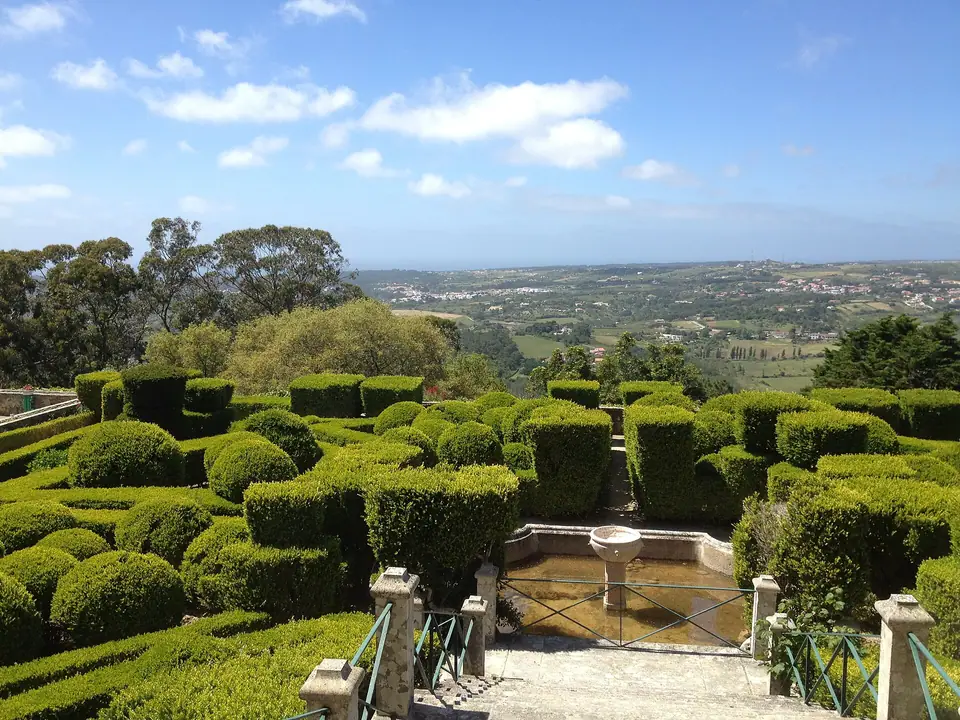
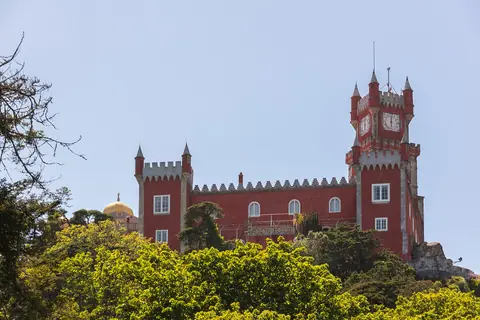
Photo: Gryffindor · CC BY-SA 4.0
Where to Stay in Sintra: Sintra-Vila, Estefânia, Seteais & Coast
Compare Sintra's best accommodation areas: historic Sintra-Vila, train-friendly Estefânia, Seteais & Colares estates, and coastal Azenhas do Mar.
Deciding where to stay in Sintra for one or two nights is the single smartest upgrade you can make to a Lisbon itinerary. Every late afternoon, the day-trip tour buses and crowded CP trains empty out. Leaving Sintra's cobbled lantern-lit alleys, misty palace viewpoints, and family-run wine taverns in serene peace. Staying overnight allows you to walk straight up to the gates of Quinta da Regaleira or the Vila Sassetti trail the next morning before tourist crowds arrive. Sintra is split between a car-restricted medieval village, a railway boulevard, and coastal vineyards stretching to the Atlantic, choosing the right neighbourhood depends on whether you arrive by train or with a rental car.
| Sintra Neighbourhood | Distance to Train Station | Car Parking Access | Best Suited For | Key Trade-Off |
|---|---|---|---|---|
| Sintra-Vila (Historic Centre). | Short scenic walk west. | Restricted traffic zone (hotel permit required). | Car-free travellers, early palace access & romantic charm. | Steep cobbled hills with luggage; quieter late evenings. |
| Estefânia & Station Quarter. | Short flat walk from platforms. | Easier street & garage parking outside ban zone. | 1-night train stays, heavy suitcases & budget guesthouses. | Less medieval atmosphere than Sintra-Vila. |
| Seteais & Colares Valley. | West towards Colares by road or bus. | Free private estate parking on-site. | Luxury palace hotels, botanical gardens & road-trippers. | Requires bus or taxi to reach dinner in town. |
| Azenhas do Mar & Praia das Maçãs. | West on the Atlantic coast. | Unrestricted coastal parking. | Atlantic cliff sunsets, seafood dining & summer beach stays. | Longer transfer back to the mountain palaces. |
Sintra-Vila (Historic Centre): Best for Early-Morning Palace Access
Centered around the twin white chimneys of the Sintra National Palace on Praça da República, Sintra-Vila is the historic heart of the town. Staying here places you within an easy walk of Quinta da Regaleira and the Vila Sassetti trailhead to Pena Palace. You are also steps away from pastry shops like Casa Piriquita and wine bars along Rua das Padarias.
Standout properties in Sintra-Vila include Tivoli Palácio de Seteais. Sintra Marmòris Camélia, historic Lawrence's Hotel (where Lord Byron stayed while writing Childe Harold's Pilgrimage), and boutique chalets like Chalet Saudade. Note that if you book a hotel inside Sintra-Vila and are arriving by rental car. Coordinate with your hotel reception in advance so they register your vehicle with the municipal traffic camera system. Better yet, arrive car-free by train and take a station taxi with your bags.
Estefânia & Sintra Station Area: Best for Train Travellers with Luggage
This district stretches east from the Volta do Duche viewpoint past Sintra Train Station to Estefânia and Portela de Sintra. This neighbourhood developed when the railway linked Lisbon with the royal summer court. While it lacks the winding medieval lanes of Sintra-Vila, it offers flat pavements, immediate step-off access to the CP Lisbon train, connecting bus stops, and local Portuguese restaurants charging lower prices than tourist cafés on Praça da República.
Top stays around the station and Estefânia include Sintra Bliss Hotel near the train platforms, Sintra Marmòris Palace with a garden overlooking the Moorish Castle, and family-run B&Bs near the MU.SA (Sintra Art Museum).
Seteais & Colares Valley: Grand Historic Quintas & Vineyards
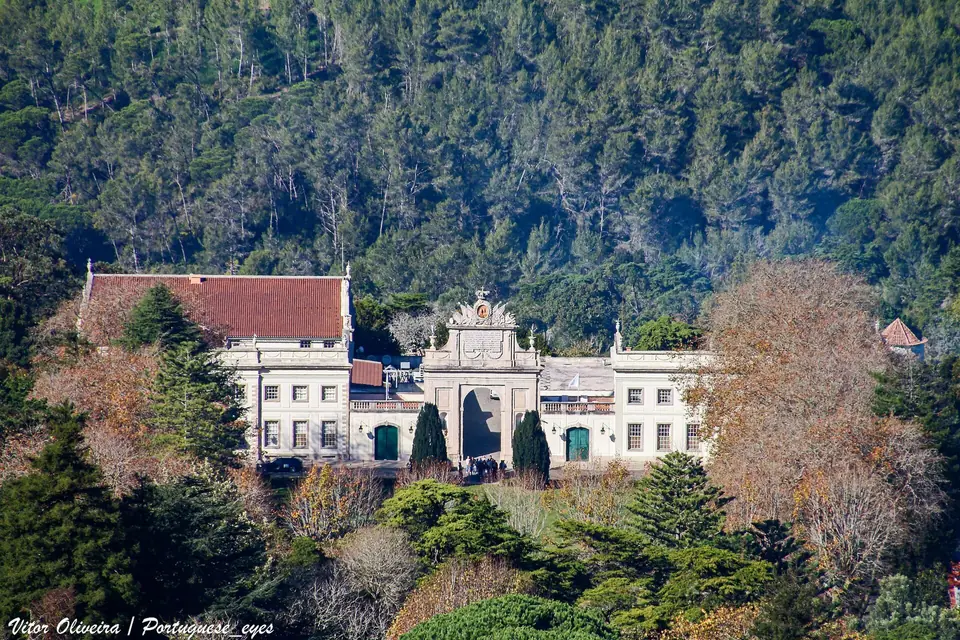
Following the green valley road west from Quinta da Regaleira past Monserrate Palace into the wine-growing parish of Colares reveals Sintra's grandest country estates (quintas). A prominent stay here is Tivoli Palácio de Seteais, a neoclassical pink palace built for Dutch consul Daniel Gildemeester. It features a triumphal arch framing the Pena Palace peak and frescoed salons by Jean-Baptiste Pillement.
Further west in the Colares valley, Penha Longa Resort occupies a historic monastery estate on the southern side of the mountain. Together with boutique vineyard guesthouses around Colares, it offers parking, swimming pools, and easy road access to Cabo da Roca.
Azenhas do Mar & Praia das Maçãs: Atlantic Cliff Sunsets
During the warmer season, you can base yourself west on the coast at Azenhas do Mar or Praia das Maçãs (such as Arribas Sintra Hotel). Connected to Sintra-Vila by the historic Eléctrico de Sintra tramway and buses, the coast often enjoys clear skies when the mountain ridge gathers fog.
Practical Booking Tips: Heating, Parking Permits & Breakfast
Before confirming your reservation in Sintra, check key local details that make a big difference to your stay. To begin with, because the Serra de Sintra experiences high humidity on misty nights, verify that your room has reliable climate control or central heating. Historic stone villas and chalets look romantic, and good heating keeps bedding crisp and dry after a day in the forest.
Second, if you arrive by car and stay in Sintra-Vila, confirm that your hotel has private parking or registers your licence plate before arrival. Third, choose a guesthouse that serves an early breakfast rather than a late morning meal. An early start allows you to reach the lower gate of Pena Park or the entrance of Quinta da Regaleira before the gates open. Finally, account for Sintra's municipal tourist tax (Taxa Municipal Turística), which is collected at check-in.
Travellers visiting during the summer months or during the Sintra Music Festival should reserve their Sintra accommodation well in advance. Historic Sintra-Vila is protected by conservation rules that prohibit large modern hotel blocks. Heritage quintas and chalets have limited guest rooms that fill up quickly on weekends.
By contrast, if you visit during the peaceful shoulder and winter months, historic manor hotels across Sintra-Vila, Seteais, and Estefânia offer lower seasonal rates. Many properties light wood-burning fireplaces in their drawing rooms for afternoon tea after you return from the misty forest trails.
No matter which neighbourhood you select, staying even a single night in Sintra transforms your experience of the mountain. Watching the last tourist bus leave the valley as lights illuminate the Moorish Castle overhead is a memorable evening moment.
When budgeting for your accommodation in the region, remember that Sintra Municipality applies a municipal tourist tax. This overnight levy is known officially as the Taxa Municipal Turística. Staying within Sintra-Vila puts you steps away from the National Palace of Sintra and its iconic chimneys. You are right beside the starting points for the Roteiro do Centro Histórico de Sintra and the Roteiro Medieval. Walkers can also follow the Roteiro das Fontes de Sintra and the Roteiro da Rainha D. Amélia directly from their guesthouse door. Early risers in town can take The Parks and Monuments of Sintra by foot trail up through Villa Sassetti. That shaded garden climb reaches the Park and National Palace of Pena and The Moorish Castle before day-trippers arrive.
Travellers staying in the greener Colares valley or along the coast toward Cascais enjoy easy road and bus access. From the valley, you can quickly reach the Park and Palace of Monserrate and the Convent of the Capuchos. Coastal stays place you near the Cabo da Roca Lighthouse, the Sanctuary of Peninha, and the historic Eléctrico de Sintra tram. Guests with pets will appreciate that Sintra and Queluz's historic gardens welcome dogs again after more than a century. Wherever you book between April and October, keep UK FCDO wildfire safety advice in mind near wooded mountain slopes.
Confirm luggage drop-off arrangements with your host before arrival. That way, you can head straight onto the palace trails when your morning train reaches Sintra station.
Where it is
- 1Sintra
- Lisbon Humberto Delgado Airport (LIS) · about 22 km from Sintra in a straight line
- Directions in Google Maps
Stations and taxi ranks: OpenStreetMap. Airports: OurAirports. Distances are in a straight line.
Traveller tips
Real advice from people who have been to Sintra. Every tip is read by our team before it goes live.
No tips yet. Been here? Yours could be the first.
Thank you! Your tip will appear here after a quick review.
More in Sintra
Continue exploring Sintra with related neighbourhood, food, and planning guides
Best Time to Visit Sintra: Fog, Months, Crowds & Weekdays
Sintra, Portugal
What to Wear in Sintra: Wet Cobble Grip, Wind Layers & Tunnels
Sintra, Portugal

Sintra 3-Day Itinerary: Pena, Regaleira, Monserrate & Coast
Sintra, Portugal
Pena Palace & Park Guide: Timed Tickets, Terraces & Bus 434
Sintra, Portugal
