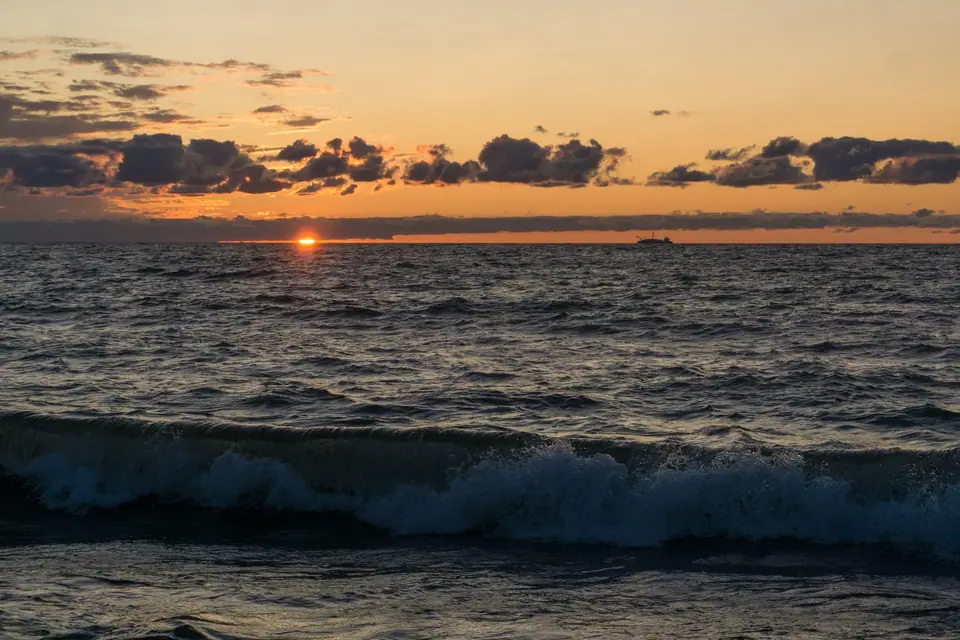
Photo: Alexey Komarov · CC BY-SA 4.0
Best Time to Visit Visby: SMHI Weather, Rose Season and Island Festivals
Discover the best season to explore Visby on Gotland. Review SMHI climate averages, rose bloom timings, autumn light, and major summer festival weeks.
Surrounded by the open waters of the Baltic Sea, Visby and Gotland benefit from one of Sweden's sunniest and mildest maritime climates. According to Swedish Meteorological and Hydrological Institute (SMHI) 1991 to 2020 climate normals recorded at Visby Airport, annual precipitation averages 533.2 millimetres. This makes Gotland noticeably drier and sunnier in spring and early summer than mainland Sweden. The maritime setting delays early spring warming, but the surrounding sea stores warmth well into late autumn, extending comfortable walking conditions across the island.
Choosing when to arrive depends on what you want from your visit. Midsummer brings long daylight hours, open courtyard cafes, and blooming roses against medieval stone facades. Shoulder seasons deliver quiet cobblestone streets, lower lodging rates, and golden coastal light suitable for hiking. Planning around island festivals ensures you find accommodation without unexpected price surges or packed ferries.

June to August: High Summer, Rose Season and Major Festival Weeks
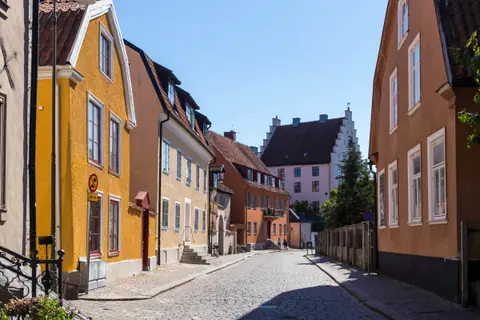
Summer provides Visby's warmest weather, with SMHI average daily highs reaching 19 °C in June, 22 °C in July, and 21 °C in August. Overnight lows average 10 °C in June and 13 °C during July and August. Monthly rainfall averages 43 mm in June, 61 mm in July, and 57 mm in August. June delivers around 18 hours of daily sunlight, allowing visitors to walk the defensive wall late into the evening. Climbing roses across Stora Torget, Strandgatan and medieval lanes burst into bloom from mid-June through July.
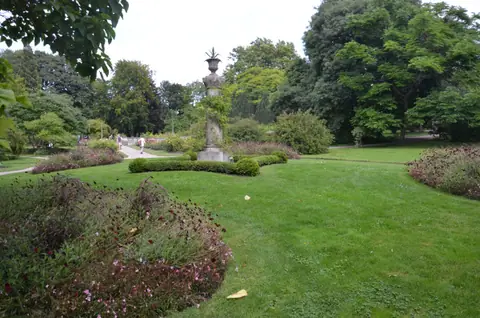
Travellers should monitor two prominent summer event periods. Calendar week 26 in late June brings Almedalsveckan, a major political forum that fills DBW's Botanical Garden and Almedalen with speakers and spectators. Calendar week 32 in early August hosts Medieval Week and Korsbetningen, transforming the town with historical market stalls, costumed reenactors, and jousting tournaments. Securing ferry tickets and hotel rooms months in advance is essential during these two festival peaks. The opening weeks of June and the final fortnight of August offer pleasant weather with far fewer crowds.
May, September and October: Dry Spring and Golden Maritime Autumn
Spring develops steadily as the surrounding sea gradually warms. Average daily highs climb from 4 °C in March and 10 °C in April to 15 °C in May, with overnight lows rising from -2 °C in March to 5 °C in May. Precipitation remains exceptionally low during these months. March averages 28 mm over 5 wet days, April records 25 mm over 4 wet days, and May brings 29 mm over 5 wet days. These spring months represent the driest stretch of the year on Gotland, making May excellent for cycling and walking along the ramparts.
Autumn remains remarkably mild due to the thermal mass of the Baltic. September records daily highs of 17 °C with overnight lows of 10 °C and 48 mm of rainfall across 8 wet days. October sees highs around 11 °C, lows of 6 °C, and 54 mm of rain. Autumn light illuminates the limestone ruins, while island restaurants showcase local root crops and truffles. Late September offers comfortable daytime temperatures for walking holidays, though visitors should note that some seasonal summer kiosks close after August.
November to April: Quiet Winter, Limestone Ruins and Christmas Markets
Winter on Gotland is quiet, dark, and occasionally windy. SMHI records show average daily highs of 6 °C in November, 4 °C in December, and 2 °C in both January and February. Overnight temperatures average 3 °C in November, 0 °C in December, -2 °C in January, and -3 °C in February. Precipitation averages 56 mm in November and December, dropping to 43 mm in January and 35 mm in February. Open-Meteo figures record 9 wet days per month in November and December, followed by 7 in January and 6 in February.
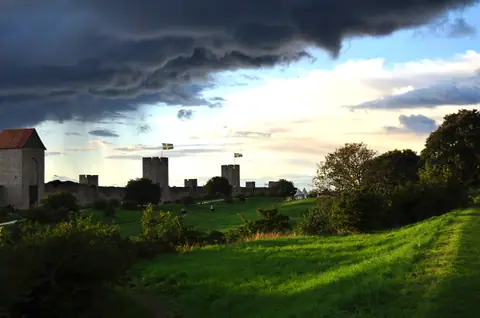
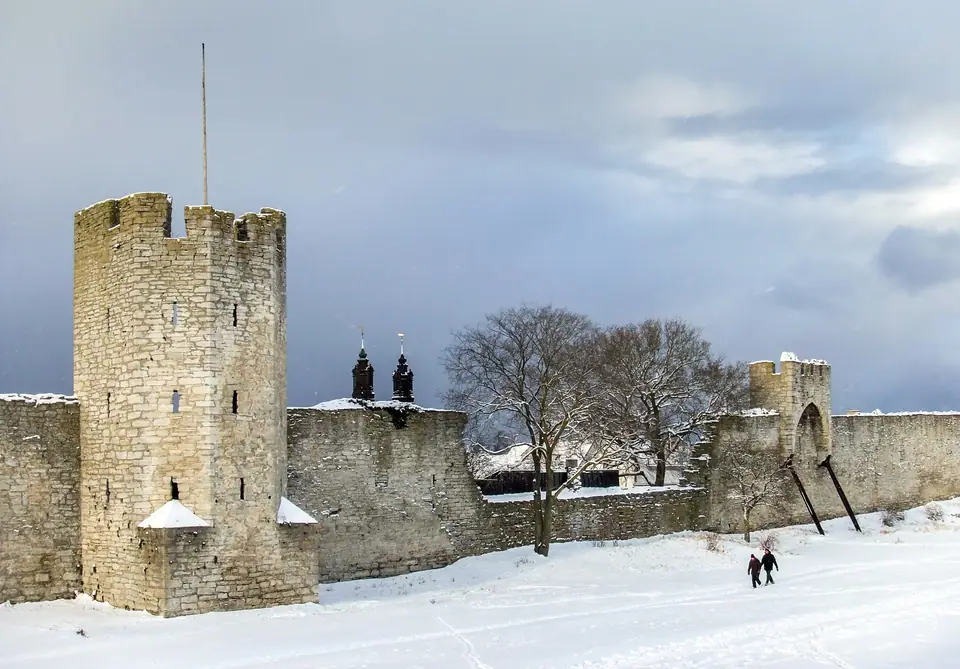
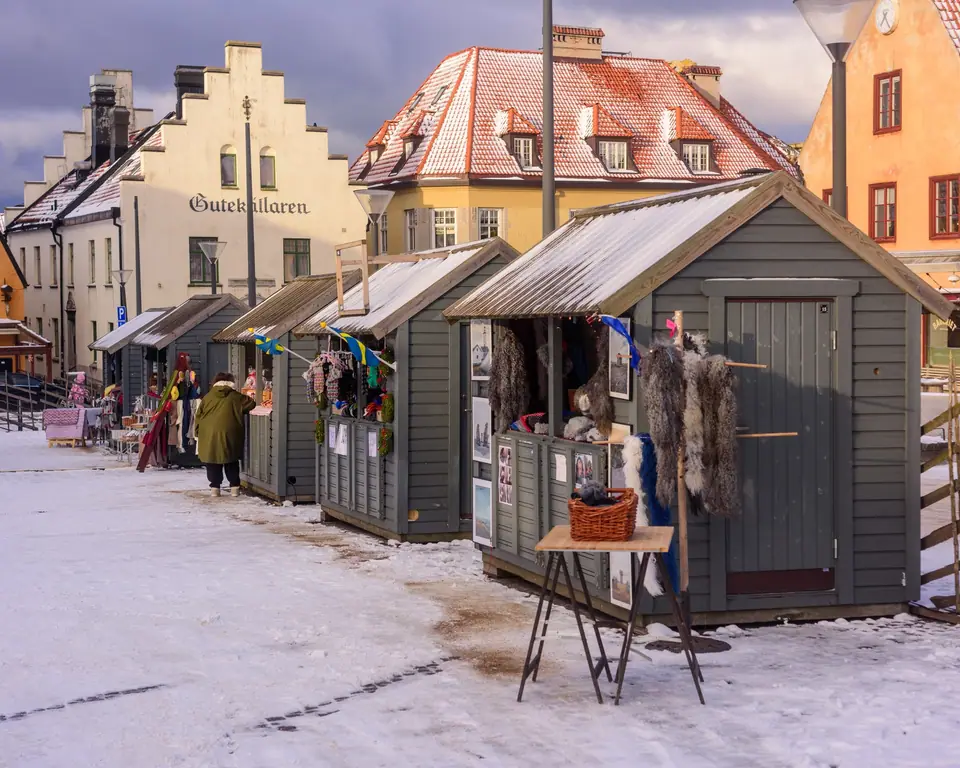
Snowfall dusts the limestone towers along the Visby city wall and towers, creating stark, beautiful views over Östergravar. Stora Torget hosts winter weekend market stalls selling local wool and regional foods in the lead-up to Christmas. Winter travellers should prepare for brisk coastal winds and limited daylight. Indoor attractions remain welcoming, giving you quiet space to study island history at the local museums.
Seasonal Overview for Planning Your Visby Trip
This table compares seasonal weather patterns, key island events, and packing priorities using official meteorological records.
| Season | SMHI Temperature Range | Precipitation & Wet Days | Key Highlights | Packing Essentials |
|---|---|---|---|---|
| Summer (Jun to Aug) | Highs 19 to 22 °C, lows 10 to 13 °C | 43 to 61 mm, 7 to 10 wet days | Rose blossoms, Almedalsveckan, Medieval Week | Sun protection, walking shoes, light evening fleece |
| Autumn (Sep to Oct) | Highs 11 to 17 °C, lows 6 to 10 °C | 48 to 54 mm, 8 to 9 wet days | Golden light, quiet ruins, autumn food harvests | Windproof shell, warm sweater, waterproof shoes |
| Winter (Nov to Feb) | Highs 2 to 6 °C, lows -3 to 3 °C | 35 to 56 mm, 6 to 9 wet days | Christmas market stalls, snow on limestone walls | Insulated parka, thermal base layer, wool hat |
| Spring (Mar to May) | Highs 4 to 15 °C, lows -2 to 5 °C | 25 to 29 mm, 4 to 5 wet days | Driest weather, quiet streets, emerging wild flowers | Layered clothing, medium windbreaker, scarf |
Practical Booking Advice for Island Ferries and Lodging
Ferry and air services between mainland Sweden and Visby run year-round, but schedules expand dramatically during the summer peak. Destination Gotland operates high-speed car ferries from Nynäshamn and Oskarshamn, with additional seasonal connections from Västervik. Travellers heading across during late June or early August should reserve vehicle slots and passenger tickets several months in advance. Securing central hotels inside the historic wall requires equal foresight for peak dates.
For flexible exploration, choose May, early June, or September. During these shoulder weeks, ferry tickets remain easy to secure, local bus lines operate reliable schedules, and historic quarters retain their tranquil island character. Always check official ferry and airline schedules online before confirming your final itinerary, as seasonal timetables adjust between winter and summer operations.
Weather by month
Visby is warmest in July, with average highs around 22°C, and coldest in February, when nights drop to about -3°C. July is the wettest month by rainfall (61 mm), with rain on about 10 days. For mild weather with fewer rainy days, aim for June.
| Month | Low | Range | High | Rain | Rainy days |
|---|---|---|---|---|---|
| Jan | -2°C | 2°C | 43 mm | 7 d | |
| Feb | -3°C | 2°C | 35 mm | 6 d | |
| Mar | -2°C | 4°C | 28 mm | 5 d | |
| Apr | 1°C | 10°C | 25 mm | 4 d | |
| May | 5°C | 15°C | 29 mm | 5 d | |
| Jun | 10°C | 19°C | 43 mm | 7 d | |
| Jul | 13°C | 22°C | 61 mm | 10 d | |
| Aug | 13°C | 21°C | 57 mm | 10 d | |
| Sep | 10°C | 17°C | 48 mm | 8 d | |
| Oct | 6°C | 11°C | 54 mm | 9 d | |
| Nov | 3°C | 6°C | 56 mm | 9 d | |
| Dec | 0°C | 4°C | 56 mm | 9 d |
Averages of daily values from 2015 to 2024. Rainy days are days with at least 1 mm of rain. Source: Open-Meteo · Compare destinations by month.
Where it is
- 1Visby
- Visby Airport (VBY) · about 4 km from Visby in a straight line
- Directions in Google Maps
Stations and taxi ranks: OpenStreetMap. Airports: OurAirports. Distances are in a straight line.
Traveller tips
Real advice from people who have been to Visby. Every tip is read by our team before it goes live.
No tips yet. Been here? Yours could be the first.
Thank you! Your tip will appear here after a quick review.
More in Visby
Continue exploring Visby with related neighbourhood, food, and planning guides