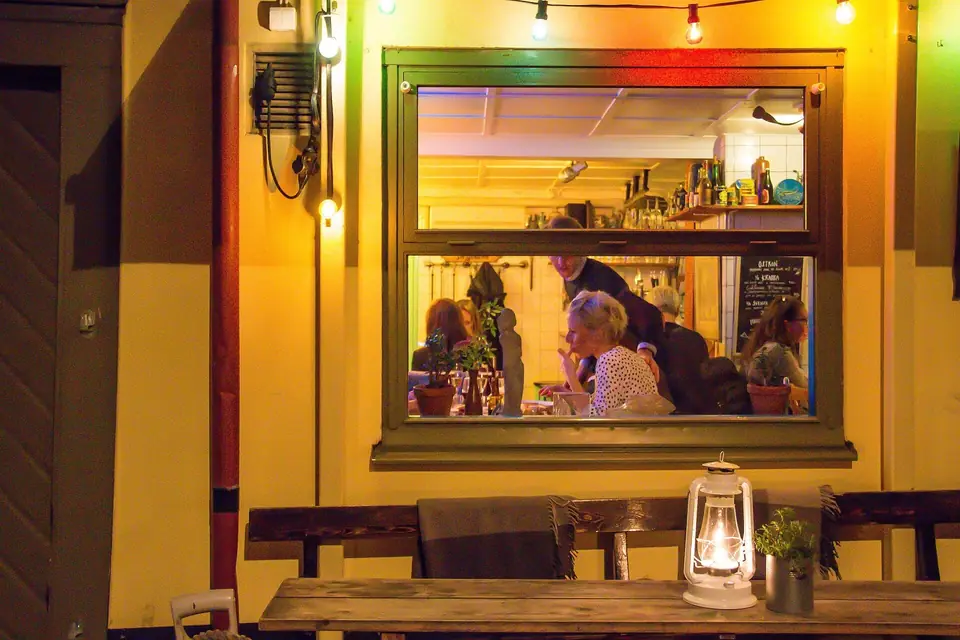
Photo: Susanne Nilsson · CC BY-SA 4.0
What to Eat in Visby: Saffranspannkaka, Gotland Lamb and Island Dining
Discover traditional Visby dining on Gotland, from oven-baked saffranspannkaka and dewberry jam to tender local lamb, wild truffles, and smoked farmhouse ales.
Gotland possesses one of Sweden's most distinct regional food cultures, shaped by mineral-rich limestone soils, an isolated Baltic geography, and centuries of Hanseatic merchant trade. While continental merchants delivered exotic goods such as saffron, almonds, and peppercorns into the medieval harbour, local farmers cultivated hearty grains and tended hardy sheep pastures. Today, culinary traditions thrive within the ancient limestone architecture. Exploring the cobbled lanes around Stora Torget, Strandgatan and medieval lanes reveals courtyard bistros, fish taverns, and historic cellar vaults serving island specialities that reflect this centuries-old agricultural legacy.
Saffranspannkaka and Dewberry Jam: Gotland's Signature Pudding
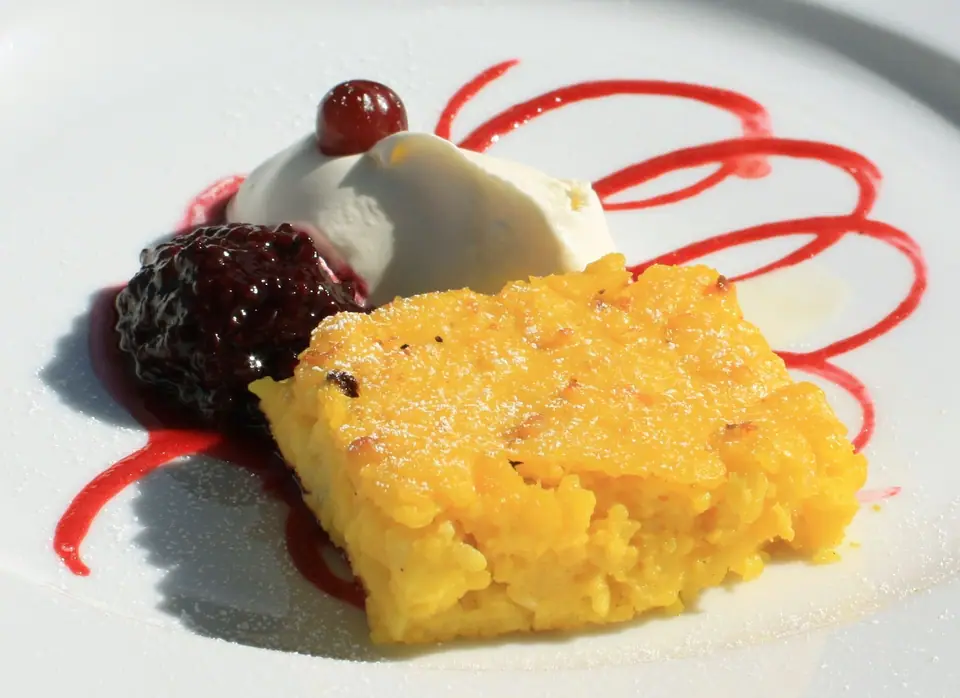
The definitive culinary staple across the island is saffranspannkaka, known locally as gotlandspannkaka. Despite its name, this dessert is not a thin frying pan crepe. It is a dense, aromatic oven-baked rice pudding that stems from wealthy medieval and eighteenth-century island celebrations, when expensive foreign saffron was mixed with local milk and cream. Island cooks prepare it by cooking round-grain porridge rice in milk and cream, then blending the mixture with beaten eggs, sugar, finely chopped almonds, and lively saffron threads. The golden batter bakes in wide tins until set with a gently browned crust.
Tradition dictates that bakers serve saffron pancake lukewarm or cold, sliced into generous wedges. It arrives paired with lightly whipped cream and a hearty spoonful of salmbärssylt. Salmbär is the local name for the European dewberry (Rubus caesius), a wild cousin of the blackberry that ripens along Gotland's sunny limestone fences in late summer. The tart, dark purple dewberries cut cleanly through the rich, custard-like texture of the pudding. Enjoying a slice during afternoon fika is an essential experience inside the shelter of the Visby city wall and towers, where garden cafés serve the dish beneath shady walnut trees.
Gotland Lamb, Kajp Wild Garlic and Burgundy Truffles
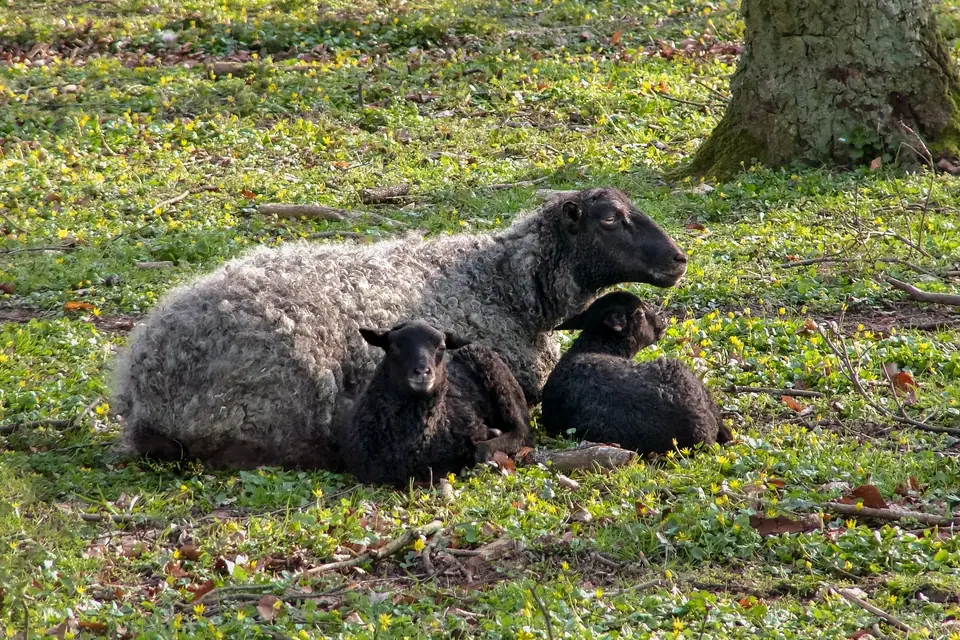
Meat production on Gotland centres on the curly grey Gotland sheep (gotlandsfår), Sweden's oldest native breed descending directly from ancient horned gute sheep. Because these flocks graze freely on island limestone pastures rich in wild thyme and coastal grasses, the meat develops an exceptionally tender texture and mild flavour. Local chefs prepare roasted racks, braised shanks, cured ham, and spiced sausages, seasoning the cuts with simple sea salt, rosemary, and seasonal island herbs.
Foraging plays an equal role in defining the Visby table. In spring, island cooks gather kajp, a slender wild leek that carpets Gotland's woodlands. They simmer it into kajpsoppa, a silky green soup blended with broth, potatoes, and cream. Autumn shifts the focus beneath the soil. In 1977, botanists confirmed the presence of wild Burgundy truffles growing naturally in Gotland's calciferous terrain. Between October and November, fresh truffles feature prominently across town, shaved over buttery pasta, stirred into rich game reductions, or infused into local butter at autumn food festivals.
Baltic Seafood and Historic Dining Enclaves
Visby's position in the central Baltic Sea guarantees steady access to fresh coastal catch. Local menus regularly highlight Baltic flounder, turbot, cured salmon, and smoked Baltic herring. Flounder is pan-fried in brown butter and plated with dill-dressed new potatoes, while whole smoked fish arrives with horseradish cream and sour rye bread. Historic taverns take full advantage of Visby's unique architecture, welcoming guests into vaulted stone basements that once served Hanseatic merchants as secure warehouses.
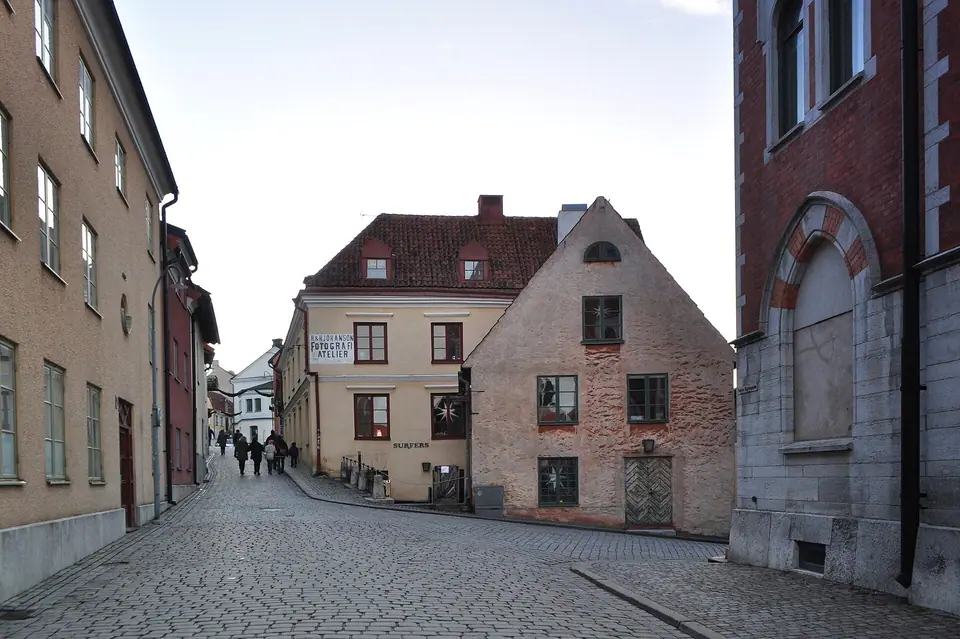
Around Stora Torget, dining establishments inhabit centuries of civic history. Bakfickan, situated at Stora Torget 1, operates as a classic seafood bar celebrated for Baltic fish plates and seasonal shellfish. Further down the gentle slope along Södra Kyrkogatan 1, the restaurant Surfers occupies an evocative timber-and-stone corner property, reimagining local dining by serving sharing plates that draw inspiration from Sichuan spice traditions while anchoring itself in Visby's historic dining fabric. Travellers planning their island schedule can combine these dinners with cultural itineraries featured in our 3 days in Visby itinerary.
Gotlandsdricka: Farmhouse Ale and Traditional Beverages
Gotland preserves an ancient brewing heritage known as gotlandsdricka, or simply drikke. Dating back to the Viking Age, this unpasteurised farmhouse ale was once brewed on every island homestead to supply seasonal field workers. Traditional brewers smoke their home-grown barley malt over birch logs, run hot liquor through a mash tun lined with fresh juniper boughs, and boil the wort with island honey or sugar, dried hops, and baker's yeast.
The resulting beverage is cloudy, naturally still or lightly effervescent, and distinctively smoky, balanced by the pungent pine fragrance of juniper twigs. While small village farms continue to brew private batches for harvest celebrations, speciality taverns and local craft microbreweries in Visby produce small-batch interpretations. It offers an earthy counterpoint to contemporary Gotland gins, local berry sodas, and ciders pressed from island orchards.
| Dish or Drink | Key Ingredients | Traditional Context | Flavour Profile |
|---|---|---|---|
| Saffranspannkaka | Rice porridge, cream, saffron, almonds, eggs | Celebratory feast pudding and fika staple | Rich, floral, sweet, complemented by tart dewberry jam |
| Gotland Lamb | Grass-fed Gotland sheep, garlic, rosemary | Pasture-reared roast, braised shank, or charcuterie | Tender, savoury, subtly herbaceous |
| Kajpsoppa | Wild leek (kajp), cream, broth, butter | Spring foraged soup served with bread | Delicate onion pungency, velvety and fresh |
| Gotlandsdricka | Smoked malt, juniper boughs, hops, honey | Viking Age farmhouse brewing culture | Smoky, resinous, sweet malt with herbal finish |
| Gotland Truffle | Wild Burgundy truffle, butter, cream | Autumn limestone woodland harvest | Earthy, nutty, deep umami |
Seasonal Dining Rhythm and Practical Visitor Advice
Dining in Visby changes dramatically with the seasons. During July and August, when daytime highs average between 21°C and 22°C, courtyard gardens and outdoor wooden decks operate at full capacity. Midsummer demand is high, so reserving dinner tables weeks in advance is necessary for popular dining rooms. Outside peak summer, the town becomes tranquil. In October and November, temperatures average 6°C to 11°C with 9 wet days per month, prompting bistros to light open hearths and introduce seasonal game and truffle menus.
Opening schedules fluctuate between high summer and quiet winter months. Summer operations run daily from lunch through late evening, whereas autumn and winter venues often limit service to selected evenings and weekends. Independent establishments may close completely for winter holidays or deep renovations. Check official operator websites directly for seasonal schedules and table reservations before heading out. Credit and debit cards are universally accepted across all Visby restaurants, cafés, and market kiosks, making cashless payment standard throughout your stay.
Where it is
- 1Visby
- Visby Airport (VBY) · about 4 km from Visby in a straight line
- Directions in Google Maps
Stations and taxi ranks: OpenStreetMap. Airports: OurAirports. Distances are in a straight line.
Traveller tips
Real advice from people who have been to Visby. Every tip is read by our team before it goes live.
No tips yet. Been here? Yours could be the first.
Thank you! Your tip will appear here after a quick review.
More in Visby
Continue exploring Visby with related neighbourhood, food, and planning guides
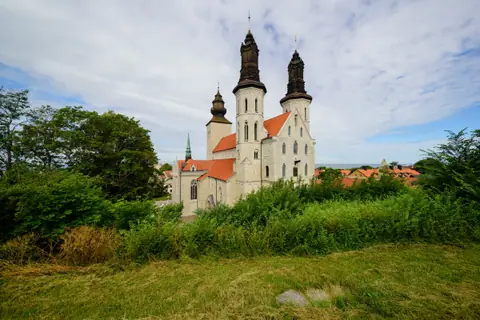
Visby Cathedral and Church Ruins: Sankta Maria, Sankta Karin and Sankt Nicolai
Visby, Sweden
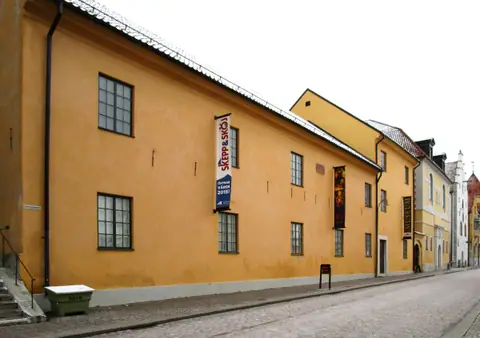
Gotlands Museum (Fornsalen) and the Spillings Viking Silver Hoard
Visby, Sweden
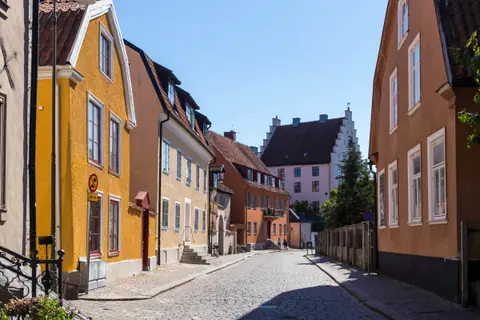
Stora Torget, Strandgatan and Visby's Medieval Lanes
Visby, Sweden
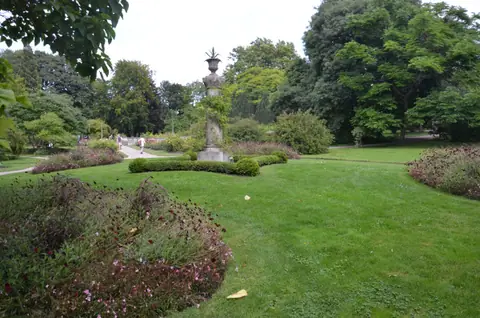
DBW's Botanical Garden and Almedalen: Green Spaces of Visby
Visby, Sweden
