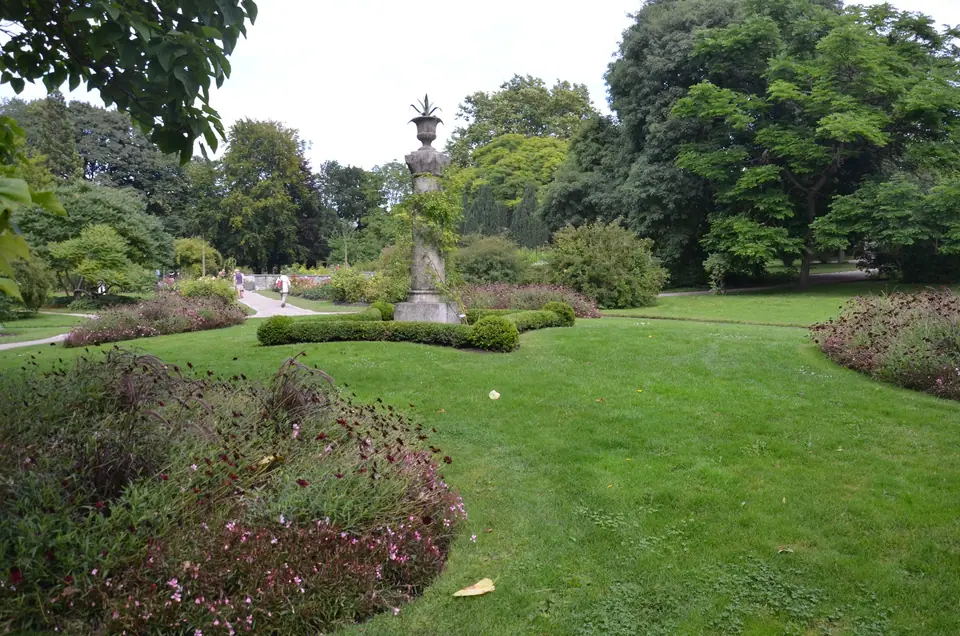
Photo: Bengt Oberger · CC BY-SA 4.0
DBW's Botanical Garden and Almedalen: Green Spaces of Visby
Discover DBW's Botanical Garden and Almedalen in Visby. Learn about 19th-century horticulture, the ruined church of Sankt Olof, and Gotland's historic shoreline.
Along the northwestern seafront of Visby, two contiguous green reserves trace the evolution of Gotland from a medieval trading hub to an enlightened centre of learning. DBW's Botanical Garden, locally known as Botan, sits protected behind limestone ramparts, while Almedalen opens directly towards the sea. Together they create an interconnected walking corridor connecting civic spaces, maritime heritage, and botanical collections.
DBW's Botanical Garden and the Sankt Olof Ruin
DBW's Botanical Garden was established in 1855 by Sällskapet De Badande Vännerna, a society founded in Visby in 1814. The founders sought to promote tree planting, fruit cultivation, and horticultural knowledge across Gotland. In the 1930s, designers reshaped the grounds into an English landscape park. Sheltered behind the medieval ramparts of the Visby city wall and towers, the garden enjoys a distinct microclimate at 57 degrees north latitude. The surrounding limestone absorbs solar warmth, while the surrounding Baltic waters moderate seasonal temperature shifts.
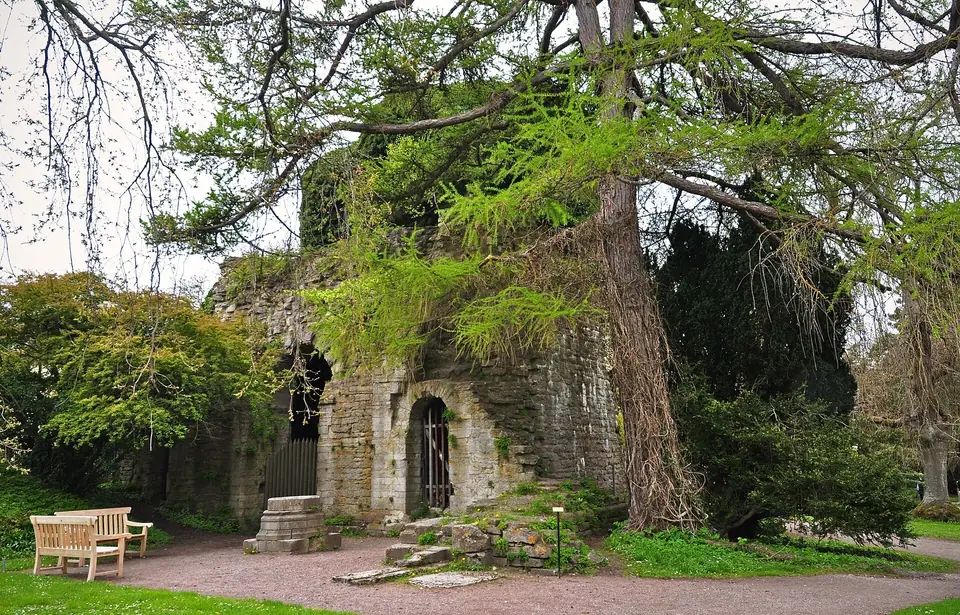
These conditions permit delicate species to flourish far north of their usual geographical range. Mature plantings include handkerchief trees, ginkgo, giant sequoia, figs, walnuts, and magnolias. At the southern boundary rises the ivy-covered limestone ruin of Sankt Olof. Built in the 13th century, this former church stood as a prominent basilica dedicated to King Olaf Haraldsson of Norway before falling into decay after the Reformation.
Almedalen and the Medieval Harbour Basin
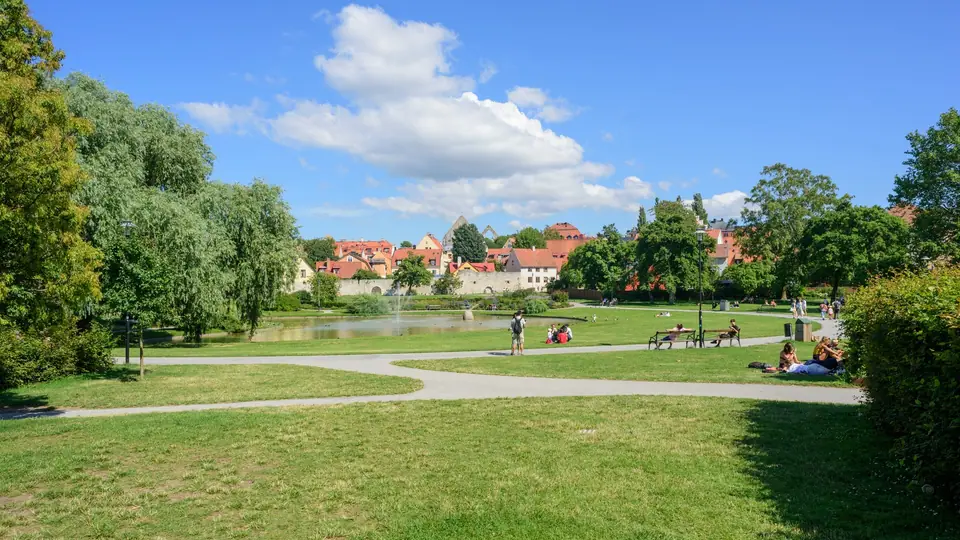
Directly south of the botanical park lies Almedalen, an expanse of manicured lawns centred around a reflective pond. During the 12th and 13th centuries, this low basin served as Visby's primary sheltered harbour lagoon. Merchant cogs docked directly where park benches sit today. Over centuries, continuous post-glacial land uplift and gradual silting choked the harbour entrance, cutting the basin off from open navigation.
During the 1870s, municipal leaders transformed the abandoned muddy basin into an urban park named after its planted elm groves. In modern Swedish history, Almedalen took on international prominence on 25 July 1968, when politician Olof Palme gave an impromptu address from the back of an open lorry. That speech laid the foundation for Almedalsveckan, an annual political festival organised formally since 1982 during calendar week 26. Walking across these lawns connects directly to routes detailed in our guide to Stora Torget, Strandgatan and medieval lanes.
Campus Gotland and Almedalsbiblioteket
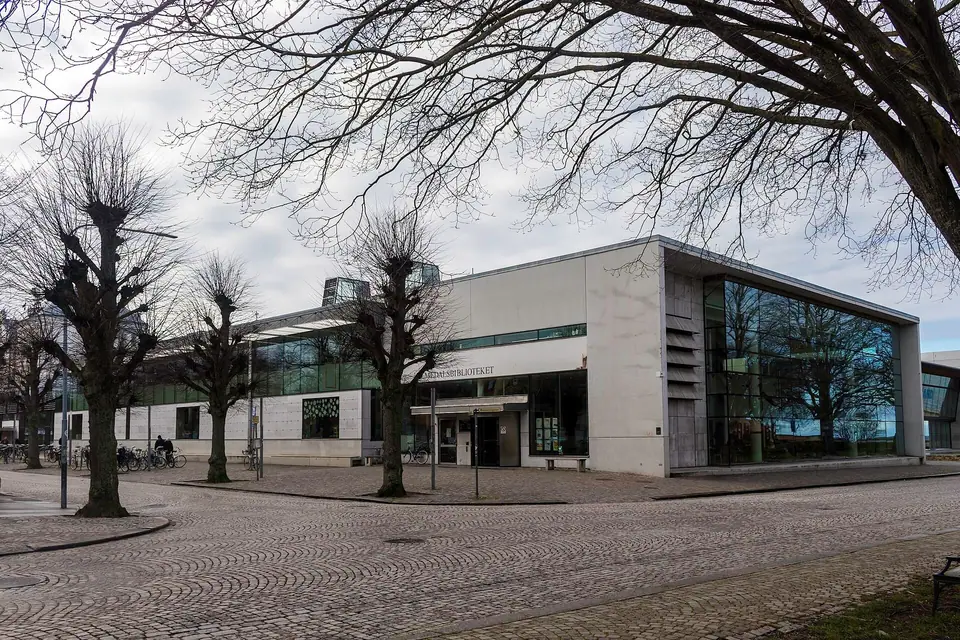
The southern edge of the park forms Visby's contemporary intellectual quarter. Almedalsbiblioteket opened on the park boundary in 2001, serving as an integrated public and academic library. Its expansive glass windows face the green lawns, providing readers with clear vistas towards the Baltic shore. Directly adjacent stands Uppsala University Campus Gotland, established on 1 July 2013 following the merger of the local university college with mainland Uppsala University.
The integration of academic facilities into the park perimeter brings steady foot traffic throughout the year. Students, researchers, and travellers congregate around the paved waterside promenade. Because access to public park grounds is completely open year round, visitors can wander between university squares and historic parkways without barriers. For broader orientation across the municipality, consult our comprehensive Visby cathedral and church ruins guide.
Key Features of Visby's Seafront Parks
Navigating both DBW's Botanical Garden and Almedalen reveals distinct historical layers within short walking distances. The following comparative summary highlights key zones within this shared seafront corridor.
| Park Section | Historical Origin | Key Characteristic | Recommended Route Focus |
|---|---|---|---|
| Botanical Rosarium | 1930s redesign of 1855 grounds | Sheltered rose beds and exotic specimen trees | North gate entrance near seaside wall |
| Sankt Olof Ruin | 13th-century limestone basilica | Overgrown medieval masonry within woodland | Quiet southern clearing of the botanical park |
| Almedalen Pond | Silted 12th-century merchant harbour | Central reflection water with birdlife | Paved path looping around the willow banks |
| Almedalsbiblioteket | 2001 municipal and academic project | Modern glazed architecture facing open lawns | Civic plaza bordering Campus Gotland |
Seasonal Changes and Baltic Climate Realities
The maritime setting shapes plant growth and general park atmosphere through distinct seasonal patterns. Winter months remain cold but relatively stable under Baltic influence. January averages a high of 2°C and a low of -2°C with 43 mm of precipitation over 7 wet days, while February records a high of 2°C and a low of -3°C across 35 mm and 6 wet days. March brings modest warming with highs of 4°C, lows of -2°C, and 28 mm of moisture across 5 wet days. Spring arrives steadily in April, showing highs of 10°C, lows of 1°C, and 25 mm over 4 wet days. May delivers 15°C highs, 5°C lows, and 29 mm across 5 wet days, waking early magnolia blossoms.
Summer brings long daylight hours and peak green foliage. June averages highs of 19°C and lows of 10°C with 43 mm over 7 wet days. July reaches annual peaks with highs of 22°C, lows of 13°C, and 61 mm over 10 wet days. August continues the warmth with highs of 21°C, lows of 13°C, and 57 mm over 10 wet days, ideal for exploring open lawns. Autumn cools gradually as September records highs of 17°C, lows of 10°C, and 48 mm across 8 wet days. October drops to 11°C highs, 6°C lows, and 54 mm over 9 wet days. Late autumn brings darker skies, with November recording 6°C highs, 3°C lows, and 56 mm across 9 wet days, followed by December with 4°C highs, 0°C lows, and 56 mm over 9 wet days.
Logistics for Exploring the Green Corridor
Both parks are situated immediately west of Strandgatan and can be accessed easily on foot from any point within the historic core. Paved routes through Almedalen offer step-free access suitable for prams and wheeled equipment. The botanical garden features gravel paths that wind around flowerbeds, historic sundials, and the base of the Sankt Olof church ruin. Benches are distributed throughout both sites, offering quiet spots away from harbour vehicle traffic.
Entry to the park grounds is free throughout all seasons. DBW's Botanical Garden maintains variable gate access depending on light levels and maintenance schedules, so visitors should check current posted notices on site during shoulder seasons. Combining a morning stroll through the botanical beds with an afternoon walk along Almedalen's shoreline paths provides an effortless view of Visby's botanical and civic landscapes.
Where it is
- 1DBW's Botanical Garden and Almedalen
- Visby Airport (VBY) · about 4 km from here in a straight line
- Directions in Google Maps
Stations and taxi ranks: OpenStreetMap. Airports: OurAirports. Distances are in a straight line.
Traveller tips
Real advice from people who have been to Visby. Every tip is read by our team before it goes live.
No tips yet. Been here? Yours could be the first.
Thank you! Your tip will appear here after a quick review.
More in Visby
Continue exploring Visby with related neighbourhood, food, and planning guides
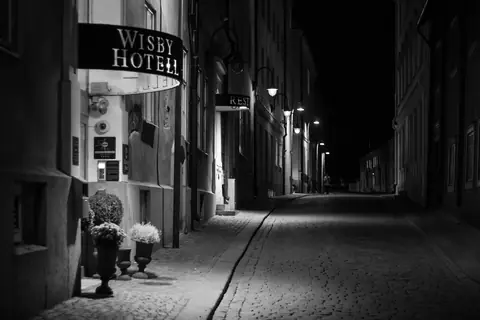
Where to Stay in Visby: Best Quarters Inside and Outside the Wall
Visby, Sweden
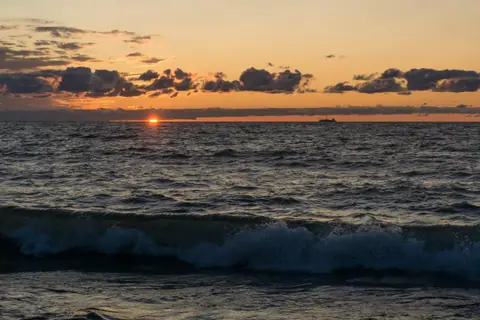
Best Time to Visit Visby: SMHI Weather, Rose Season and Island Festivals
Visby, Sweden
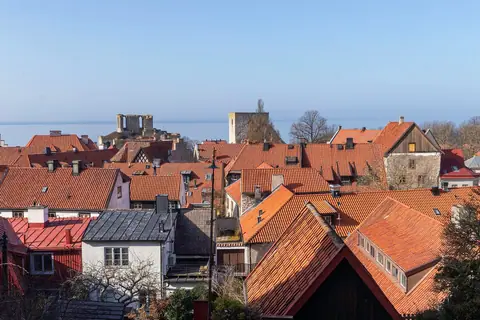
3 Days in Visby: Medieval Wall, Church Ruins and Fårö Itinerary
Visby, Sweden
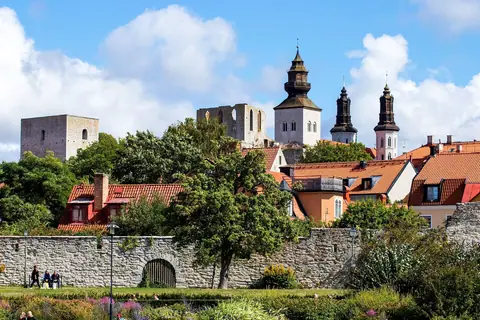
Visby: Planning Your Visit to Gotland's Walled Town
Visby, Sweden
